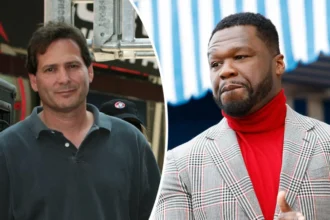
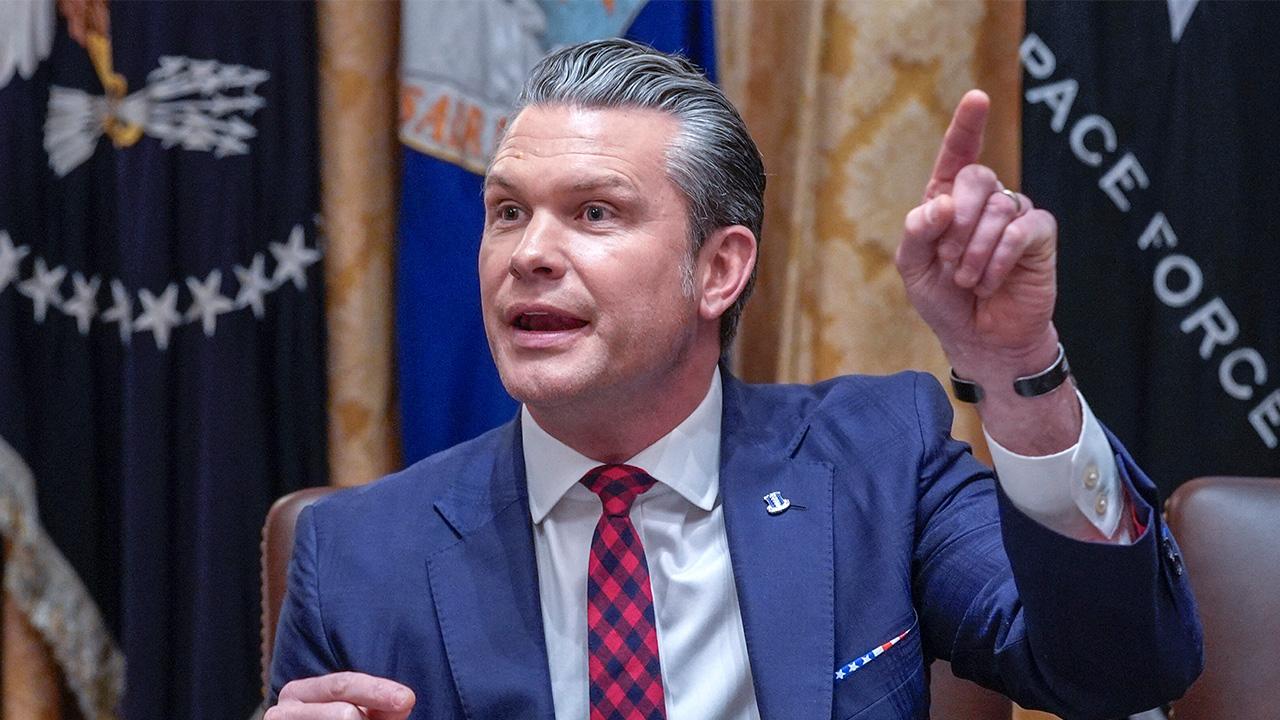
Defense Secretary Pete Hegseth has dismissed Army Chief of Staff General Randy George, precipitating a significant leadership void within the U.S. Army and igniting a firestorm over political interference in military affairs. General George’s removal stemmed directly from his insistence on continuing an internal investigation into an unauthorized military helicopter flyby at musician Kid Rock’s private estate, a probe Hegseth reportedly sought to terminate.
The dramatic ouster, which occurred on April 2, 2026, has been widely reported, with sources indicating that General George received direct warnings from his then-vice chief of staff, General Christopher LaNeve, that Secretary Hegseth wished for the investigation to be halted. Despite these directives, General George maintained his commitment to upholding military regulations and ensuring accountability for potential safety and protocol breaches. His steadfast refusal to abandon the inquiry led to his abrupt termination just days after the warning.
The Genesis of the Controversy: An Unauthorized Flyby

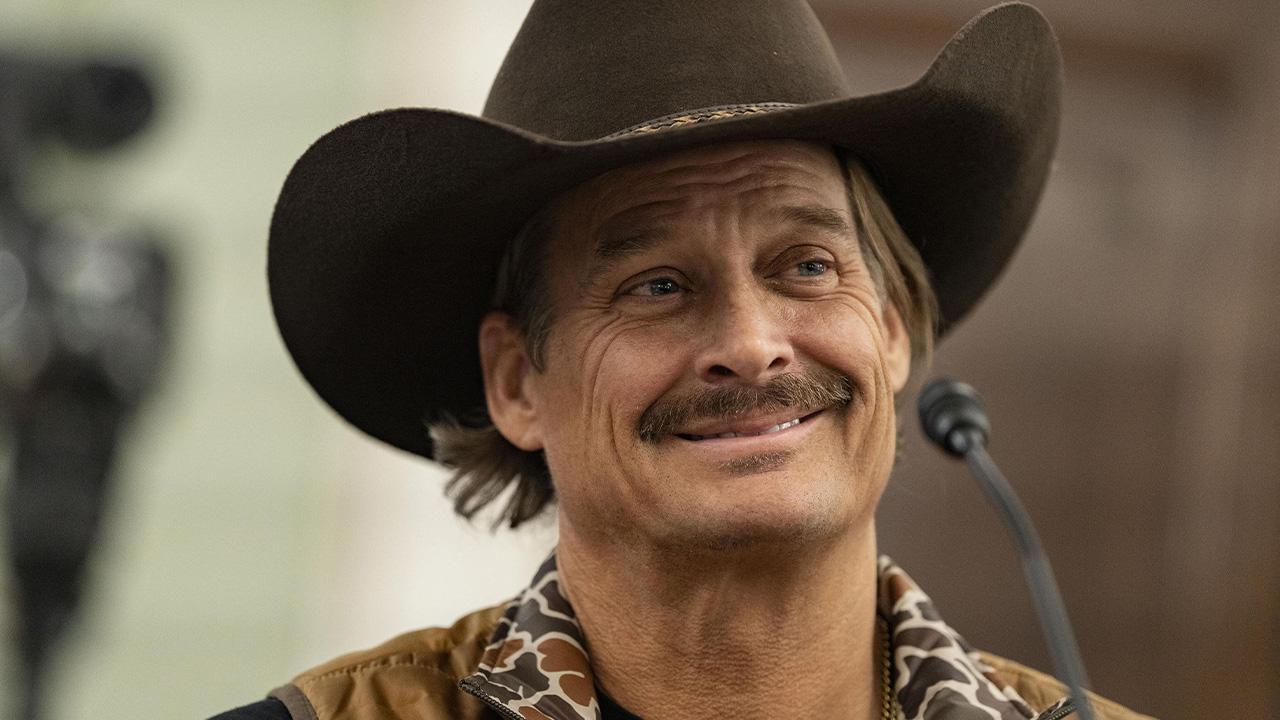
The incident at the heart of the dispute unfolded in late March when two Army AH-64 Apache helicopters, highly specialized attack aircraft, deviated significantly from a planned training routine. Instead of adhering to their designated flight path, the helicopters performed a low-altitude maneuver directly over the Nashville-area property of rock musician Kid Rock, whose real name is Robert James Ritchie.
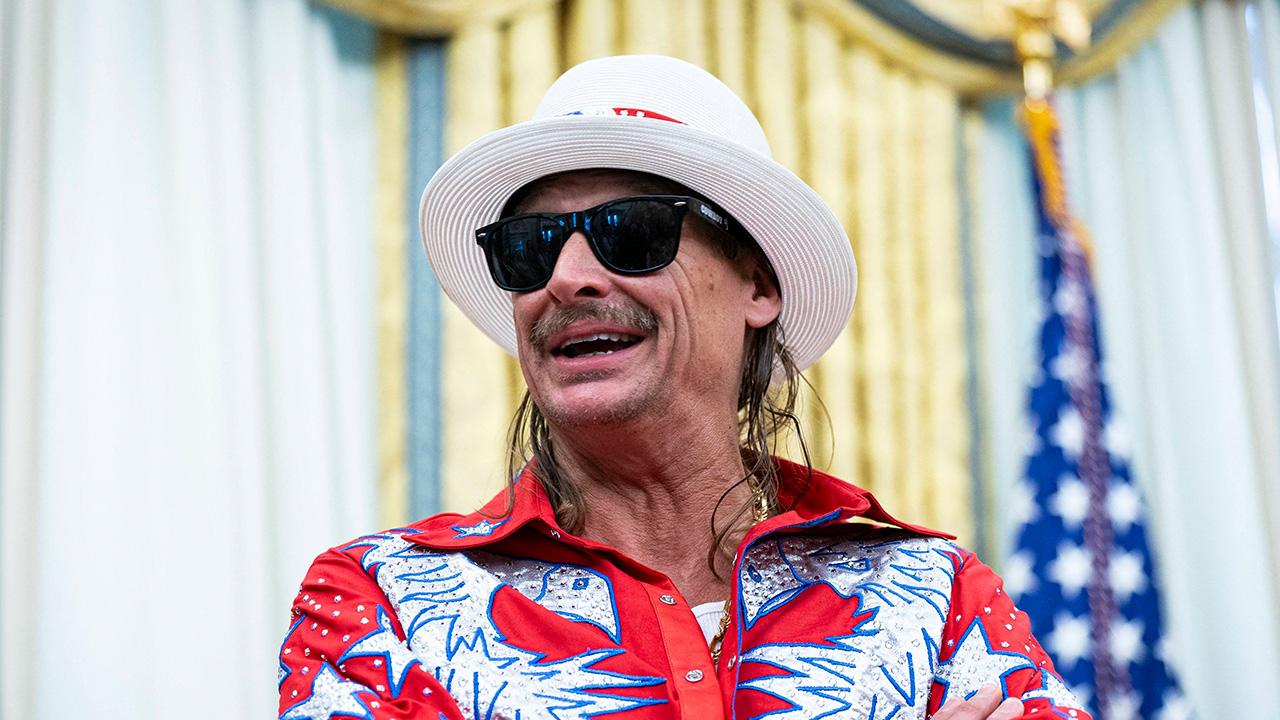
Video footage of the unauthorized flyby quickly spread across social media platforms, showing Kid Rock saluting the military aircraft as they passed overhead. The musician later posted the video on X (formerly Twitter), accompanying it with a politically charged caption: "This is a level of respect that s— for brains Governor of California will never know. God Bless America and all those who have made the ultimate sacrifice to defend her." This public display immediately drew attention to the unusual event and raised questions about the appropriate use of military assets.
Military Protocols and Initial Investigations
The Army’s initial response to the highly visible stunt was to take immediate disciplinary action, grounding the pilots involved and launching an official investigation. This internal probe was designed to ascertain whether safety standards had been compromised, if established flight protocols were violated, and if military resources had been misused for non-official purposes. Such investigations are standard procedure within the armed forces to ensure discipline, accountability, and the integrity of operations. Unauthorized low-altitude flights, especially over private property, can pose significant safety risks to both the crew and those on the ground, in addition to representing a potential misuse of taxpayer-funded equipment and personnel.

However, Defense Secretary Hegseth swiftly intervened, publicly overriding the Army’s leadership. Utilizing his own X account, Hegseth announced that he had lifted the pilots’ suspensions and declared, "No punishment. No investigation. Carry on, patriots." This public directive directly contradicted the Army’s established internal processes and signaled a clear intention to quash the ongoing inquiry into the Kid Rock helicopter stunt.
A Crisis of Command and Leadership Vacancies
General George’s dismissal has triggered a profound leadership crisis within the Defense Department and the U.S. Army. Following his removal, General Christopher LaNeve was appointed as acting chief of staff. However, his permanent nomination remains stalled on Capitol Hill, facing significant opposition from key lawmakers. Senator Joni Ernst, a prominent voice in military oversight, has voiced strong objections to LaNeve’s appointment, citing his alleged role in efforts to suppress the initial investigation into the Kid Rock helicopter stunt. Senator Ernst and other critics have publicly accused Secretary Hegseth of leaving the U.S. Army "rudderless" by creating a climate of instability at the highest levels of command.
General George’s firing is not an isolated incident but rather part of a broader pattern of personnel changes initiated by Secretary Hegseth. Several other high-ranking military officials, including General David Hodne and General Christopher Donahue, have reportedly been forced into early retirement or sidelined from their positions. These actions have resulted in numerous major leadership vacancies across the Army, raising concerns about strategic planning, operational readiness, and overall morale within the ranks. The rapid turnover and perceived politicization of senior military appointments have left many within the defense community questioning the stability and future direction of the armed forces.
Erosion of Military Neutrality and Civil-Military Relations
The fallout from the incident and General George’s dismissal has deeply fractured the delicate balance of civil-military relations, a cornerstone of American democracy. Retiring military leaders and defense analysts have raised serious alarms, arguing that halting legitimate investigations to shield political allies severely damages the armed forces’ traditional commitment to political neutrality. This principle is crucial for maintaining public trust, ensuring military effectiveness, and preventing the armed forces from becoming a tool of partisan politics.
Critics contend that when a civilian leader, such as the Defense Secretary, directly intervenes to quash an internal military investigation, it undermines the military’s institutional integrity and its capacity for self-governance. It sends a chilling message down the chain of command that adherence to protocol and accountability can be overridden by political considerations. This perception can erode discipline, foster cynicism, and ultimately compromise national security by weakening the military’s ability to act impartially and effectively. The importance of an independent military justice system, free from political pressure, is a fundamental aspect of maintaining a professional and accountable fighting force.
Hegseth’s Defense and Public Scrutiny
In response to the growing backlash, Secretary Hegseth has staunchly defended his actions, framing his decisions as necessary to combat what he terms "woke politics" within the military. He has accused his critics of engaging in partisan attacks and undermining the armed forces, arguing that his interventions are aimed at protecting service members from undue scrutiny for actions he deems patriotic. This narrative, while resonating with some political segments, has further polarized the debate and intensified public scrutiny on the Defense Department’s leadership.
The incident and its subsequent events have thrust the broader discussion about military culture, political influence, and accountability into the national spotlight. The public, industry experts, and political observers are grappling with the implications of a Defense Secretary openly overriding military investigations and dismissing high-ranking generals who prioritize protocol. This situation highlights the ongoing tension between political appointees and career military professionals, particularly when their interpretations of duty and responsibility diverge so sharply. The question of who ultimately holds the authority over military conduct and investigations, and the extent to which political loyalty should supersede military law, remains a contentious point.
The Path Forward: Stalled Nominations and Unresolved Tensions
The immediate future for the Army’s leadership remains uncertain. General LaNeve’s permanent nomination continues to be held up on Capitol Hill, reflecting the deep divisions and concerns among lawmakers regarding the circumstances of General George’s ouster and the integrity of military investigations. The Pentagon, in an official statement to The Washington Post, downplayed the standoff, asserting that it is "actively coordinating with our Senate partners to lock in the optimal moment to formally submit his nomination, and we intend to do so." However, this diplomatic language does little to obscure the reality of an Army operating without a confirmed chief of staff for months, a situation that critics describe as unsustainable for a global military force.
The unresolved nature of this leadership crisis, coupled with the broader campaign of dismissals and forced retirements, continues to cast a long shadow over the U.S. Army. The enduring legacy of the Kid Rock helicopter stunt and the subsequent actions of Defense Secretary Hegseth will likely be debated for years to come, impacting civil-military relations, military morale, and the fundamental principles of accountability within the nation’s armed forces. The ongoing political deadlock surrounding military appointments underscores the profound consequences of perceived political interference and the urgent need to restore stability and trust in the highest echelons of military leadership.