Australian federal politics reached a point of high friction on Monday as Liberal frontbencher Andrew Hastie accused Pauline Hanson of avoiding media scrutiny following the announcement of a controversial new immigration policy. The tension coincided with a significant diplomatic exchange as Prime Minister Anthony Albanese and King Charles III spoke via telephone to reaffirm the enduring relationship between the Commonwealth and the Australian people. These developments occurred against a backdrop of intensifying debates over migration levels, rising global oil prices, and the economic viability of the nation’s heavy industries.
The political firestorm centered on a proposal by the One Nation party to drastically reduce the number of temporary visas issued by the Australian government. During an appearance on the ABC’s National Forum, Andrew Hastie questioned why Senator Pauline Hanson chose to unveil her party’s sweeping immigration changes through a pre-recorded social media video rather than a traditional press conference. Hastie argued that a leader with aspirations for high office must be willing to face direct questioning regarding the economic and social ramifications of their platform.
“We haven’t seen her at all today,” Hastie said during the forum. “And this is someone who wants to be the Prime Minister of Australia. And she hasn’t had the courage to front the media today and explain the budgetary, the economic, and the human impact of these policy changes that she’s suggesting.”

Hastie Accuses Hanson of Avoiding Media Amid Immigration Debate
The critique from Hastie highlights a growing divide within the conservative wing of Australian politics regarding how to handle the rise of minor parties. While Hastie acknowledged that he supports certain elements of the One Nation immigration plan, he expressed deep concern over the lack of transparency and the potential for unintended economic consequences. The exchange was part of a broader discussion on immigration and multiculturalism that has dominated the legislative agenda in Canberra.
One Nation’s proposal aims to cut approximately 750,000 temporary visas over a three-year period. Critics, including prominent economists and journalists, have warned that such a move could trigger a severe domestic recession. During the same forum, political commentator George Megalogenis compared the potential impact of the policy to the economic depression of the 1890s, suggesting that a sudden contraction of the labor force would “tank the economy” on a historic scale.
Barnaby Joyce, representing the One Nation position during the televised debate, remained defiant in the face of these economic warnings. Joyce stated that the party would pursue its immigration objectives “no matter the cost,” dismissing the need for validation from the Parliamentary Budget Office (PBO). His remarks signaled a populist shift away from traditional economic modeling in favor of direct policy intervention.
Anthony Albanese and King Charles Speak on Strengthening Commonwealth Ties
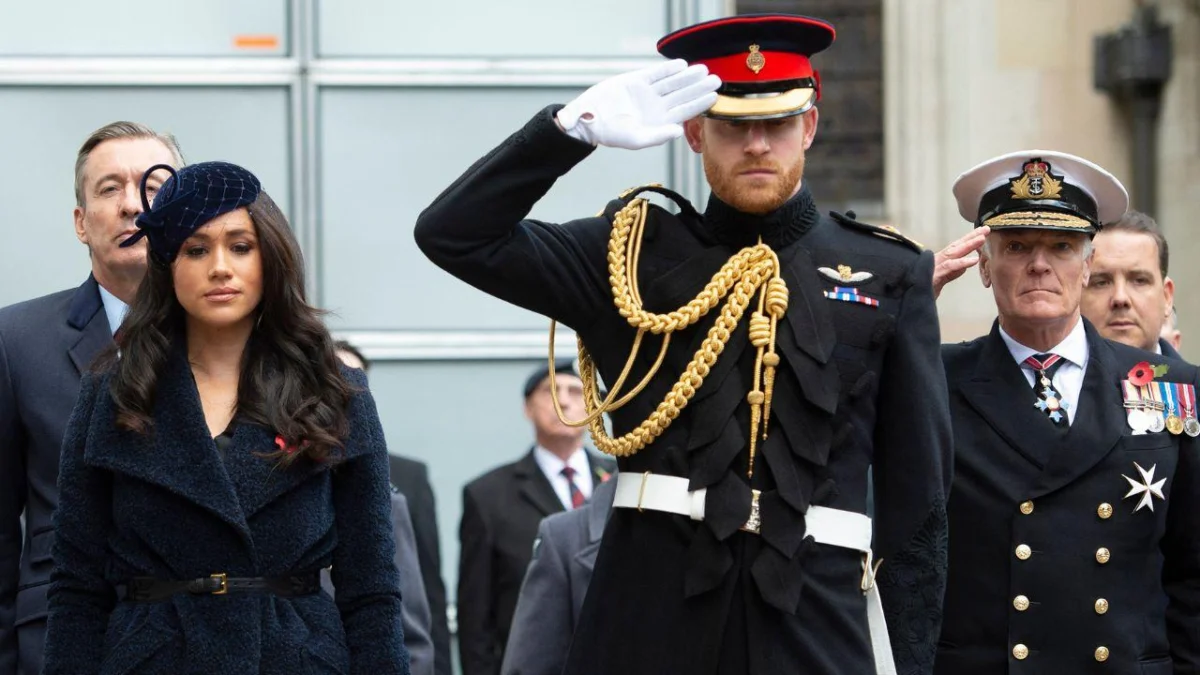
While domestic policy debates grew heated, Prime Minister Anthony Albanese focused on international diplomacy, revealing that he spoke with King Charles III on Monday evening. The conversation marked a significant moment in the ongoing relationship between the Labor government and the British monarchy. Albanese, who last met the King in person during a visit to the United Kingdom in September 2023, characterized the exchange as a reaffirmation of the monarch’s commitment to Australia.

“A privilege to speak with His Majesty King Charles III this evening,” Albanese stated in a social media update. “His affection for the Australian people remains strong. I extended Australia’s best wishes to His Majesty and the Royal Family.”
The timing of the call is notable as Australia continues to navigate its identity within the Commonwealth. While Albanese has previously expressed republican sentiments, his government has maintained a respectful and functional relationship with the Crown. The discussion reportedly touched upon the King’s ongoing interest in Australian affairs and the shared values between the two nations.
One Nation’s Economic Strategy Under Fire
The economic feasibility of One Nation’s immigration policy remains the primary point of contention for both the government and the opposition. Barnaby Joyce’s refusal to consult the PBO or provide a detailed budget breakdown has drawn sharp rebukes from fiscal hawks. Joyce argued that the Australian public is "tired" of deferring to economists to understand the costs of national policy.
“The Australian people are sort of tired of the fact that you have to go to an economist to come up with policy to help us all better understand what it costs to us,” Joyce claimed. He further noted that he felt no obligation to align with the findings of unelected officials at the budget office, asserting his authority as an elected representative.

This stance has raised alarms regarding the future of Australia’s aged care sector and agricultural industry, both of which rely heavily on temporary visa holders. Analysts suggest that a 750,000-person reduction in the visa pool would create immediate labor shortages, driving up costs for essential services and potentially leading to the closure of regional businesses.
Fuel Excise Relief Ruled Out Despite Oil Price Volatility
Energy Minister Chris Bowen also addressed the public on Monday, tempering expectations that the federal government would reintroduce fuel excise relief. The discussion follows a recent surge in global oil prices, exacerbated by drone attacks on critical infrastructure in Saudi Arabia. The attacks forced the temporary closure of the East-West crude pipeline, leading to immediate fluctuations in international energy markets.
Bowen stated that the Labor government is monitoring the situation “very closely” but emphasized that the previous excise cut was always intended to be a temporary measure. He argued that the government cannot respond to every daily shift in world oil prices with taxpayer-funded subsidies.
“It’s not the only cost of living measure that we put in place,” Bowen said. “At the same time, I’m very much focused on ensuring our ongoing fuel supply in this very difficult international circumstance.”
Bowen is scheduled to travel to Saudi Arabia next week for high-level meetings with his counterpart, Abdulaziz bin Salman Al Saud. The talks are expected to focus on global supply chain stability and Australia’s long-term energy security. Additionally, Bowen defended the appointment of former opposition leader Sussan Ley to the board of Snowy Hydro, asserting that her “talent and ability” outweighed any previous political disagreements regarding renewable energy policy.
Qantas Membership Scrutiny and Industrial Shifts
Internal government ethics also came under the microscope as Home Affairs Minister Clare O’Neil defended Transport Minister Catherine King. Recent disclosures revealed that King accepted a lifetime platinum membership to the Qantas Chairman’s Lounge, a perk that includes exclusive access to first-class facilities and priority services. The revelation sparked a debate over whether such gifts influence government decisions, particularly following King’s 2022 rejection of Qatar Airways’ request for additional flight slots.
O’Neil dismissed the criticism, pointing to the grueling travel schedules required of federal ministers. She argued that King had been transparent by listing the membership on her register of interests. “Catherine King has probably been away from her family for a third of the last 25 years,” O’Neil said. “The important thing is she made a declaration of it.”
Meanwhile, the Australian industrial sector faced a significant blow with the announcement of major layoffs at the Whyalla steelworks. The closure of a primary operation at the facility is expected to result in more than 500 job losses, prompting calls for government intervention to support the regional South Australian economy. The situation at Whyalla underscores the broader challenges facing the Australian manufacturing sector as it grapples with high energy costs and shifting global demand.
Multiculturalism and the Path Forward
Amid the debates over numbers and budgets, Multicultural Affairs Minister Anne Aly offered a defense of the social fabric of the nation. Speaking at the National Forum, Aly argued that the conversation around immigration has become too focused on "deficits" rather than the contributions of new arrivals. She expressed concern that the focus on social cohesion often places an unfair burden on immigrant communities.
“Multiculturalism is who we are,” Aly said. “It is part of our identity. It’s who we are as Australia.”
As Parliament prepares to resume, the intersection of immigration policy, economic stability, and international diplomacy remains at the forefront of the national conversation. The accusations that Andrew Hastie leveled against Pauline Hanson for avoiding media suggest that the political pressure on minor parties will only increase as the next election cycle approaches. With the Prime Minister maintaining high-level ties with the monarchy and ministers navigating volatile energy markets, the Australian political landscape remains in a state of rapid flux.