British consumer confidence surged to its highest level in 21 months during July, fueled by a combination of a deep run by the England men’s football team in the World Cup and a significant shift toward domestic summer vacations. Data released this week suggests that a period of political transition and a brief stabilization of international conflicts provided a much-needed psychological boost to households, translating into increased discretionary spending across the hospitality and leisure sectors.
According to the latest monthly spending report from Barclays, 30% of consumers expressed confidence in the strength of the UK economy this July. This figure represents a six-percentage-point increase from June and marks the most optimistic sentiment recorded by the bank since late 2024. The data indicates that after nearly two years of persistent inflation and high interest rates, the British public is beginning to feel a sense of financial reprieve, supported by a more stable job market and a temporary cooling of global energy concerns.
Overall consumer card spending grew by 2% year-on-year in July, building on a 1.9% increase the previous month. While the growth appears modest in raw percentage terms, the underlying shift toward non-essential purchases suggests a change in consumer behavior. Discretionary spending, which includes outlays on entertainment, dining, and travel, rose by 1.6% as households moved away from a purely defensive financial posture.
World Cup and Domestic Tourism Drive Summer Spending
The hospitality sector emerged as one of the primary beneficiaries of the summer’s cultural and sporting events. British pubs reported a 10% increase in transaction volumes, a spike attributed directly to the viewership of the men’s World Cup. Analysts estimate that the tournament generated approximately £150 million in additional revenue for the pub industry as fans gathered to watch the national team’s progression through the knockout stages.
The surge in "experience-led" spending was further amplified by a succession of heatwaves that altered traditional summer travel patterns. Rather than booking international flights, many Britons opted for domestic "staycations" to capitalize on the sunny weather. This shift resulted in a 2.6% increase in spending on UK-based accommodation, while simultaneously depressing sales for international airline tickets. The trend toward local travel provided a localized stimulus for coastal towns and rural holiday destinations that had struggled in previous years.
In addition to sports and travel, the entertainment sector saw a significant boost from a blockbuster summer at the cinema. Card spending at movie theaters rose by 2.6% in July, driven by the release of major franchise sequels and critically acclaimed features. Toy Story 5 drew large family audiences, while Christopher Nolan’s latest epic, The Odyssey, became the highest-grossing film of the director’s career, surpassing the $1.1 billion mark at the global box office. The "Barbenheimer" effect of previous years appears to have been replicated by this summer’s diverse slate of high-budget releases.
Mixed Results Across the Retail Landscape
While the leisure and hospitality sectors thrived, the broader retail environment presented a more complex picture. A report by the British Retail Consortium (BRC) highlighted a growing divide between essential goods and big-ticket luxury items. Food sales remained a pillar of strength, increasing by 3.8% year-on-year in July. This growth was largely consistent with the 3.9% increase seen in July 2025, suggesting that while grocery inflation has moderated, consumer demand for premium food and drink remains robust during the summer months.

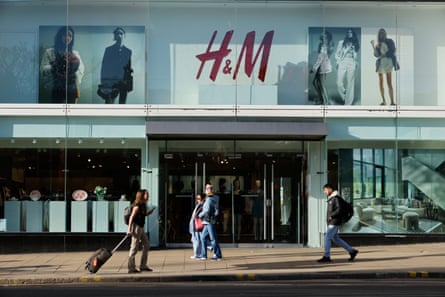
Clothing retailers also experienced a "summer bounce," though the intense heatwaves proved to be a double-edged sword. While demand for summer wardrobes increased, many shoppers avoided physical high streets in favor of online platforms to escape the record temperatures. This shift in footfall contributed to "tough trading conditions" for several major fashion brands. High-street mainstays such as John Lewis, H&M, and Zara reported a squeeze on sales, as the physical shopping experience was deterred by the climate.
Conversely, retailers specializing in smaller, affordable luxuries saw an uptick in activity. BRC Chief Executive Helen Dickinson noted that consumers are currently prioritizing "smaller indulgences," such as beauty products and fashion jewelry, over major investments. Spending on big-ticket items like furniture, home appliances, and computers plummeted in July, as households remained cautious about taking on new debt or depleting savings for non-essential hardware.
The Rise of the "Burnham Bounce" and Political Stability
The arrival of Andy Burnham at 10 Downing Street has been cited by some economists as a contributing factor to the improved national mood. Since taking office, the new Prime Minister has launched a series of initiatives aimed at tackling "rip-off" business practices and easing the cost-of-living crisis. This proactive stance on consumer protection appears to have fostered a sense of cautious optimism among the electorate.
Rob Wood, chief UK economist at Pantheon Macroeconomics, suggested that the country might be experiencing a "Burnham bounce." He pointed to the fact that uncertainty, which usually hampers consumer and business spending, has begun to recede. The timing of the Prime Minister’s arrival coincided with a tentative truce in Middle Eastern conflicts in June, which helped stabilize global supply chains and lower the immediate risk of energy price spikes.
"The drop in temporary hiring and the rise in permanent placements in July is usually a sign of falling uncertainty," Wood observed. However, he cautioned that this sentiment remains fragile. "The resumption of regional tensions in late July means that this boost in confidence could easily retreat if global conditions worsen again."
Labor Market Trends and Business Confidence
The optimism felt by consumers is being mirrored in the corporate sector. A joint study by the Recruitment and Employment Confederation (REC) and accountancy firm KPMG found that employers are becoming increasingly confident about the 12-month outlook. The REC’s permanent placements balance rose to 50.0 in July, up significantly from 44.1 in May. This marks the first time the index has reached the neutral expansion threshold since September 2022.
A reading above 50 indicates that businesses are moving away from a freeze on recruitment and are beginning to expand their workforces. This shift is critical for sustained consumer confidence, as job security is the primary driver of household spending. When workers feel secure in their roles, they are more likely to utilize discretionary income rather than funneling it into emergency savings.
The stabilization of the Middle East conflict earlier in the summer was a key driver for this business optimism. Companies that had been plagued by supply chain blockages and fluctuating shipping costs reported a period of relative calm, allowing for more accurate long-term planning. While the geopolitical situation remains volatile, the brief window of stability in June and July provided enough momentum to lift the quarterly economic outlook.
Cultural Shifts in Spending: Toys and Hobbies
One of the more surprising success stories of the summer has been the resurgence of physical media and toy retailers. HMV, which operates 114 stores across the UK, reported a 12% increase in footfall during the first half of the year. The company noted that a significant portion of this growth was driven by children and young adults.
The rise in sales was largely attributed to "kidult" culture and children spending pocket money on collectibles and toys. The retail chain The Works echoed this sentiment, reporting a boost in sales driven by younger demographics. This trend suggests that despite the dominance of digital entertainment, there is a renewed interest in tangible goods among younger consumers, providing a lifeline to traditional brick-and-mortar stores that offer a specialized or "treasure hunt" shopping experience.
Next Plc, often viewed as a bellwether for the health of the British high street, further confirmed the positive trend by upgrading its profit guidance for the third time this year. The company cited the combination of favorable weather and a "calmer global economic outlook" as the primary drivers of its better-than-expected performance.
Regional and European Context
The improvement in sentiment is not isolated to the United Kingdom. Barclays noted that confidence in the broader European economy also climbed by six percentage points in July, reaching 35%. This is the highest level recorded since the bank began tracking the metric in 2015. The synchronized rise in confidence across the continent suggests that the easing of inflationary pressures is a pan-European phenomenon, providing a more stable backdrop for international trade.
However, the "summer spending" phenomenon remains heavily dependent on specific sectors. While the "experience economy"—comprising travel, dining, and live events—is thriving, the traditional retail sector must continue to adapt to changing consumer preferences and the physical realities of a warming climate.
As the UK moves into the autumn months, the sustainability of this confidence will be tested. The convergence of a major sporting event, a cinematic boom, and a political honeymoon period provided a unique "perfect storm" of positive catalysts in July. Whether this momentum can be maintained without the artificial stimulus of a World Cup or a summer heatwave remains the primary question for economists and policymakers heading into the final quarter of the year.