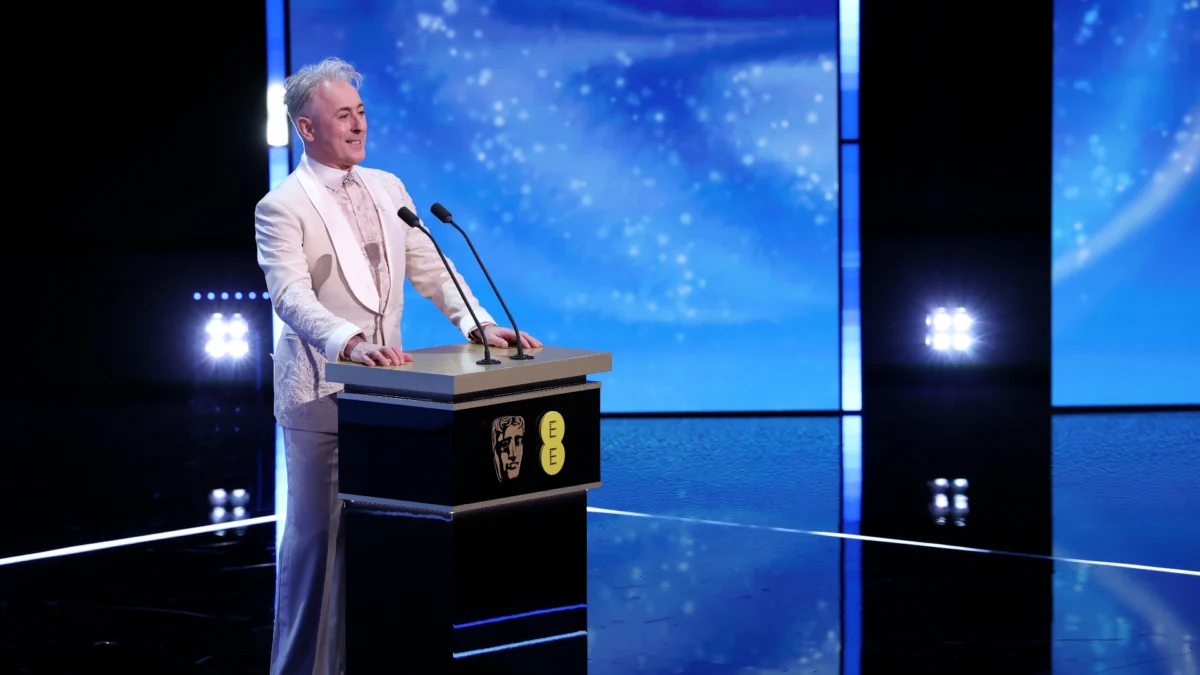
The British Academy of Film and Television Arts (BAFTA) has unequivocally confirmed that AI "actor" Tilly Norwood will never qualify for a BAFTA Film Award, a definitive stance underscored by recent updates to its comprehensive rulebook and voting protocols. This decision solidifies the Academy’s commitment to recognizing human creative achievement, even as artificial intelligence rapidly evolves and integrates into various facets of filmmaking. The new guidelines empower BAFTA to scrutinize the extent of human involvement in submitted works, drawing a clear line in the sand regarding purely AI-generated performances.
BAFTA’s Definitive Stance on AI Actors
BAFTA’s updated rulebook, unveiled this week, explicitly reserves the right to request additional information concerning the use of AI and the "extent of human creative involvement" in any work submitted for Film Awards consideration. This move follows extensive "industry consultation," reflecting a growing dialogue within the entertainment sector about the ethical and artistic implications of generative AI. Emma Baehr, Executive Director of Awards and Content at BAFTA, emphasized the core philosophy guiding these changes. "BAFTA is about recognizing human achievement," Baehr stated in a media briefing, clarifying that the awards are "presented annually to recognize, honour and reward individuals for outstanding human achievement in originating, shaping and realising the final artistic outcome, regardless of the tools used to bring this work to life."
This principle directly addresses the eligibility of entities like Tilly Norwood. When pressed specifically about Norwood’s prospects, Baehr was resolute: "No. No. That’s not human." This firm rejection underscores BAFTA’s foundational belief that its accolades must honor human ingenuity and talent, not algorithms or digital constructs. The Academy’s clear directives aim to maintain the integrity of its awards in an era where technological advancements are constantly blurring traditional creative boundaries.
The Rise of Tilly Norwood and Industry Response
Tilly Norwood, an AI "actor," emerged into the public consciousness last year, quickly becoming a lightning rod for discussions surrounding the ethical dimensions of AI performers. Her initial appearances and subsequent announcement of an upcoming feature film debut ignited widespread debate across the industry, prompting significant anxieties about job displacement, creative control, and the very definition of "acting." Norwood’s existence forced a critical examination of how awards bodies, unions, and studios would adapt to a future where digital entities could potentially "perform" alongside or in place of human talent.
The controversy surrounding Tilly Norwood highlighted a nascent but profound crisis within the entertainment sector. Stakeholders across Hollywood, from writers and directors to actors and craftspeople, grappled with the implications of AI systems capable of generating convincing performances, scripts, and visual effects. BAFTA’s explicit exclusion of AI actors like Norwood sends a powerful message, aligning with a broader industry sentiment that, for now, human artistry remains paramount and irreplaceable in the context of prestigious awards.
Distinguishing AI as a Tool Versus AI as a Performer
While BAFTA’s stance on AI actors is uncompromising, the Academy acknowledges the legitimate use of AI and other digital tools as aids to human creativity. The updated rulebook is designed to differentiate between an artificial intelligence entity performing a role and a human performer utilizing AI technologies to enhance their craft. Baehr clarified that there is no "specific percentage or ‘exact science’" that would automatically disqualify a film for using AI-aided techniques, provided the core creative input remains human.
A notable example discussed during the briefing was Adrien Brody’s BAFTA and Oscar-winning role in the 2024 film The Brutalist, where the actor reportedly used AI to refine his Hungarian accent. Baehr addressed this specific case, explaining that Brody’s eligibility and subsequent win were consistent with the rules in place at the time. "Adrien Brody was eligible; he won. We celebrated that win, and that was within that year in that rulebook," she stated. The key distinction, Baehr reiterated, is that a human actor, using AI as a tool, remains the focus of recognition. Conversely, a fully AI-generated performer, regardless of the sophistication of its "performance," falls outside the realm of human achievement BAFTA seeks to honor. This nuanced approach allows for technological innovation to support human artistry without supplanting it entirely from the awards landscape.
Broader Industry Implications and the AI Debate
BAFTA’s decisive action regarding AI actors resonates deeply within the wider entertainment industry, which has been grappling with the transformative—and often disruptive—potential of artificial intelligence. The recent Writers Guild of America (WGA) and SAG-AFTRA strikes brought the issue of AI squarely into the spotlight, with performers and writers demanding protections against unchecked AI exploitation, job displacement, and the unauthorized use of their likenesses and creative works. These industrial actions underscored a collective anxiety across Hollywood about the future of human labor and intellectual property in an AI-dominated landscape.
BAFTA’s decision to exclude AI actors from eligibility aligns with a protective stance toward human artistry that many in the industry advocate. It reinforces the philosophical underpinning of awards: to celebrate the unique and often intangible qualities of human creativity, passion, and effort. By drawing a clear line, BAFTA is not just setting a precedent for its own awards but also sending a powerful signal to other global film academies, studios, and tech developers about the perceived value and limits of AI in creative endeavors. The Academy’s leadership also confirmed that, for now, there are no plans to introduce a separate craft category specifically for AI-generated projects, further emphasizing its current commitment to traditional human-centric recognition. This firm position serves as a counter-narrative to the relentless march of technological progress, reaffirming the enduring importance of the human element in storytelling and performance.
Other Significant Rulebook Updates for the 2027 Awards
Beyond the critical AI policy, BAFTA has also implemented several other notable rulebook updates designed to enhance the awards process and broaden recognition within British filmmaking. These changes reflect an ongoing effort to adapt to the evolving industry landscape and ensure the awards remain relevant and inclusive.
One significant alteration affects the Outstanding British Film category. The longlist for this prestigious award will now expand from 15 to 20 films. This expansion aims to "better showcase the depth and range of British filmmaking and create a wider pool of British titles for consideration," according to BAFTA. While the longlist grows, the category will retain its final 10 nominations, with five selected by membership vote and the remaining five determined by a dedicated nominating jury. This hybrid approach seeks to balance broad industry input with expert curation.
Another key update pertains to the performance categories’ voting process. To inject "additional industry expertise" and "support wider recognition of acting talent," BAFTA is now inviting Casting Chapter members to vote alongside the established Acting Chapter during both the longlisting and nomination rounds. Furthermore, the longlisting jury will now select five performers for the longlist in each performance category. These adjustments are intended to bring a more comprehensive and informed perspective to the selection of acting talent, ensuring that a broader spectrum of performances receives consideration.
Lastly, the Children’s & Family Film category will undergo a renaming. It will now simply be known as the "Family Film" category. This change is intended to bring the category title into "closer alignment with its focus on films that appeal across generations." BAFTA asserts that the new name will better reflect the types of films eligible for consideration and provide greater clarity for entrants, voters, and jurors alike, while the underlying eligibility criteria and voting process for the category will remain unchanged.
Looking Ahead: The Future of AI in Awards and Filmmaking
The rapid acceleration of artificial intelligence development presents an ongoing challenge for institutions like BAFTA, which must continuously adapt their frameworks to maintain relevance and uphold their core values. While the current rulebook firmly excludes AI actors like Tilly Norwood, Emma Baehr acknowledged the dynamic nature of AI, stating that "things may change again next year." However, the language embedded in the updated rulebook grants BAFTA’s film committee the necessary flexibility to "dig into" specific uses of AI as technology evolves, always with an unwavering focus on human creativity.
BAFTA’s clear demarcation between AI as a tool and AI as a primary creative entity sends a strong signal to filmmakers, studios, and tech companies about the Academy’s priorities. It suggests that while technological innovation is welcomed in support of human endeavor, the ultimate recognition will continue to be reserved for the human mind and spirit. This stance may influence how extensively AI is integrated into future film productions, particularly those aspiring for awards recognition. The decision reinforces the global film community’s ongoing conversation about what constitutes art, who creates it, and who deserves to be celebrated for it.
Entries for the 2027 BAFTA Film Awards officially opened on Wednesday, July 22. The longlist of contenders is slated for announcement on January 7, 2027, followed by the nominations on January 29. The prestigious awards ceremony itself is scheduled to take place on February 21, 2027, where human achievement will undoubtedly remain at the heart of the celebration.