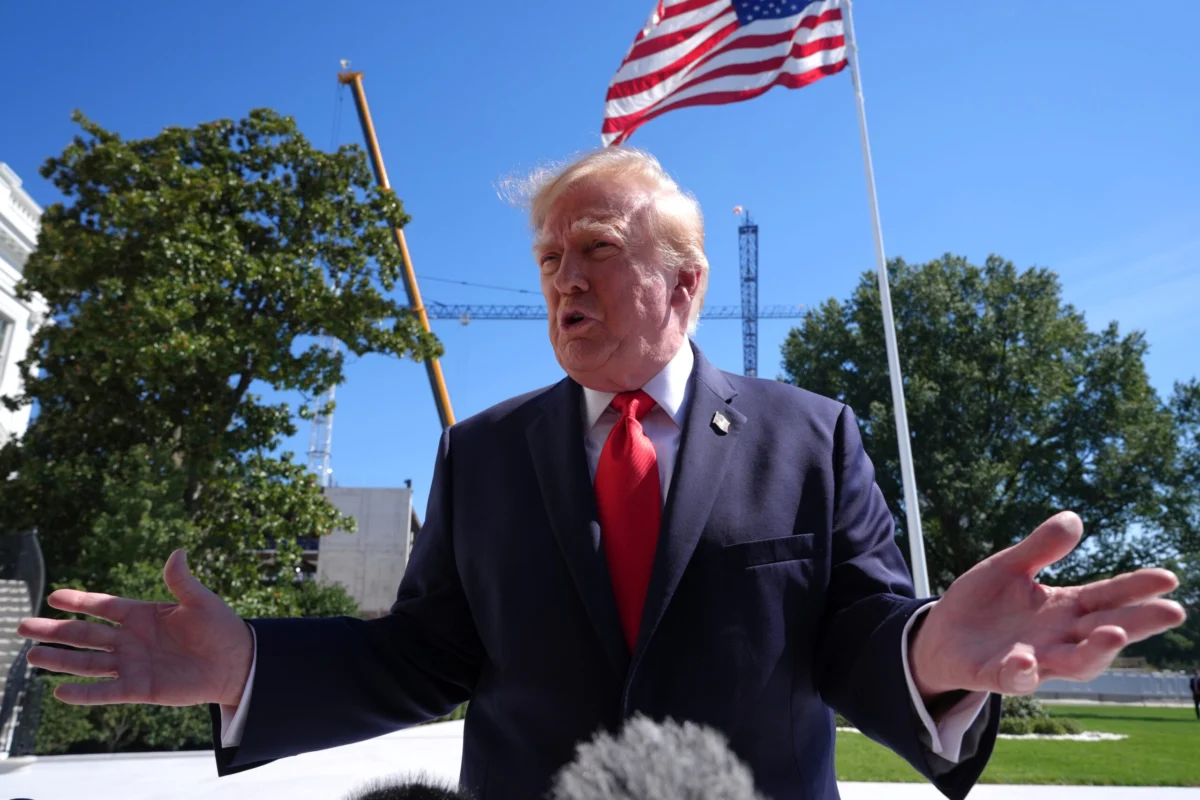
Former President Donald Trump has reignited his long-standing public feud with Meghan Markle, the Duchess of Sussex, criticizing her conduct toward the British royal family following her and Prince Harry’s recent return to the United Kingdom. Speaking from the Oval Office during a meeting with U.S. travel executives, Trump voiced his disapproval of Meghan’s past actions, stating that he believed the couple treated the monarchy with "great disrespect," drawing immediate commentary from royal observers regarding his motivations.
The Enduring Trump-Markle Antagonism
The former president’s remarks, made public on September 6, 2026, underscored a persistent narrative in his public persona: his willingness to weigh in on global celebrity and, specifically, his critical view of the Duke and Duchess of Sussex. Trump expressed satisfaction with their departure from senior royal duties, saying, "I was happy about it. I was not a fan." His criticism quickly narrowed to focus directly on Meghan Markle, asserting, "I didn’t like it. I didn’t like the way she acted. I thought she was terribly disrespectful to the Queen and to King Charles. I don’t know. Maybe I’m different. I wouldn’t have taken them back." This public condemnation arrives at a sensitive moment, as the Sussexes navigate their re-engagement with British life, albeit in a private capacity.
Origins of the Discord
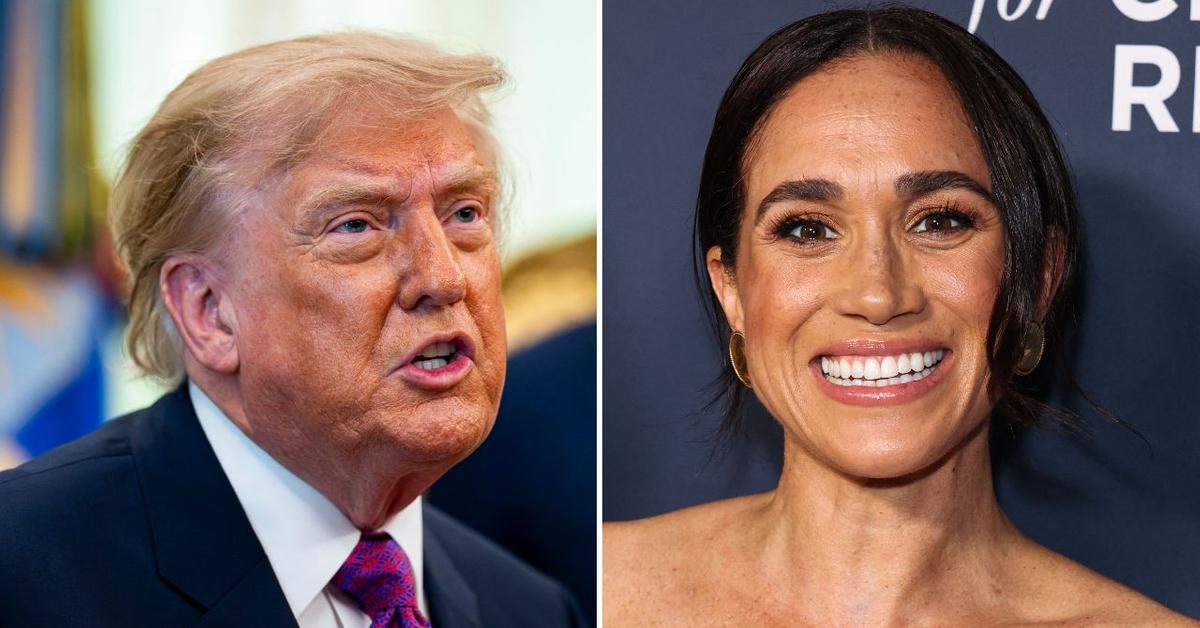
The animosity between Donald Trump and Meghan Markle predates her marriage to Prince Harry. Before becoming a royal, Meghan was an outspoken critic of Trump, particularly during his 2016 presidential campaign. In a 2016 appearance on The Nightly Show with Larry Wilmore, she labeled Trump as "misogynistic" and "divisive," comments that resurfaced prominently after her engagement to Prince Harry. When informed of these past remarks in 2019, Trump famously retorted, "I didn’t know that she was nasty." This initial exchange set the tone for a relationship characterized by mutual disdain, often played out in the global media spotlight.
Previous Verbal Skirmishes
Trump’s critiques of the Duchess of Sussex did not end with his initial "nasty" comment. As Prince Harry and Meghan announced their decision to step back from senior royal duties in 2020—a move widely dubbed "Megxit"—and subsequently relocated to California, Trump continued to voice his opinions. He publicly stated that U.S. taxpayers should not be responsible for the couple’s security costs, tweeting emphatically, "They must pay!" These interventions consistently positioned Trump as a vocal opponent of the Sussexes, particularly Meghan, aligning himself with traditionalist views of the monarchy and often contrasting with more sympathetic public narratives surrounding the couple’s struggles within the royal institution. His consistent commentary has transformed what might have been a fleeting political spat into a recurring saga, punctuated by significant events in the royal family’s life and the Sussexes’ independent ventures.
A Royal Expert’s Perspective
Royal expert and commentator Amanda Matta offered insight into Trump’s renewed interest in the Meghan Markle feud, linking it to his deep-seated admiration for the British monarchy. "We know that Trump is enamored with royalty, and in particular holds King Charles in high regard," Matta observed. Her analysis suggests that Trump’s intervention is not merely opportunistic but a strategic move to reinforce his own perceived connection to what he considers the "correct" side of royal affairs. This perspective highlights a consistent pattern in Trump’s public statements, where his engagement with high-profile cultural topics often serves to align him with perceived bastions of tradition or power.

Trump’s Fascination with Monarchy
Matta elaborated on Trump’s fascination with royal approval, describing it as a significant driver for his commentary. She posited that "it makes complete sense that he would insert himself in royal stories when they ‘trend’ as a way to reassert his connection to what he sees as the ‘correct’ side of the issue." This "correct" side, in Trump’s view, appears to be one that champions the established monarchy and criticizes those perceived to have challenged its traditions or disrespected its members. His remarks, Matta added, are "typically devoid of nuance, and are based more in where he feels he’s more respected." This aligns with his past statements, where he often evaluates individuals and institutions through the lens of personal deference and loyalty.
Political Calculus in Royal Commentary
The royal expert further suggested that "deference from royalty is the ultimate feather in Trump’s cap." She pointed to his past "fawning over his ‘unprecedented’ state visit invitation to Windsor" as evidence of how much he values royal recognition. For a figure like Trump, who frequently seeks to project an image of power and prestige, association with, and approval from, an ancient institution like the British monarchy can be a potent symbol. His willingness to criticize Meghan Markle, therefore, could be seen as a way to curry favor with the institution he admires, positioning himself as a defender of royal decorum against perceived transgressions, particularly as he remains a prominent figure in American political discourse. This strategy also allows him to tap into segments of the public who share similar sentiments regarding the Duke and Duchess of Sussex, further amplifying his voice on a global stage.
The Sussexes’ Strategic Return to the U.K.

The renewed criticism from Donald Trump coincides with a significant development for Prince Harry and Meghan Markle: their return to England. The couple, along with their children, Prince Archie, 7, and Princess Lilibet, 5, have reportedly moved back to the United Kingdom, where both children are expected to begin attending school. This move marks a notable shift for the family, who famously relocated to the United States in 2020 after stepping down as senior working royals. Their initial departure, driven by a desire for greater privacy and financial independence, led them to establish a new life and various ventures in Montecito, California.
Post-Royal Life in California
Since their move to the U.S., the Duke and Duchess of Sussex have embarked on numerous business, media, and philanthropic endeavors outside the direct purview of the monarchy. These have included multi-million dollar deals with streaming giants, the launch of their Archewell Foundation, and the production of documentaries and memoirs detailing their experiences. Meghan Markle has also been rumored to consider a return to acting or further develop her brand as a media personality, while Prince Harry has focused on his charitable initiatives, particularly those related to mental health and veteran support. Their time in California was characterized by a push to define their own public narrative and establish a new professional identity, largely independent of royal constraints.
Implications for Archie and Lilibet
The decision to enroll Prince Archie and Princess Lilibet in a U.K. prep school signals a more permanent or at least long-term integration into British life for the children. While the exact reasons for the family’s return have not been fully disclosed, it does not, at this stage, indicate a return to active "working royal" duties for Harry and Meghan. Instead, it suggests a desire for their children to experience British education and culture, potentially fostering closer ties with their paternal family. This private return, however, has not shielded them from public scrutiny, particularly from figures like Donald Trump, who continue to comment on their relationship with the wider royal institution. The family’s move back across the Atlantic adds another layer of complexity to their unique position, balancing their independent lives with their royal lineage.

Broader Ramifications and Public Discourse
Donald Trump’s repeated criticisms of Meghan Markle and Prince Harry are not isolated incidents; they represent a recurring intersection of celebrity, politics, and public opinion. His latest remarks amplify existing divisions within the public discourse surrounding the Duke and Duchess of Sussex, both in the United States and the United Kingdom. For many, Trump’s comments serve as political commentary, aligning with a more conservative view that values tradition and institutions over individual expression, particularly within the context of the monarchy. For others, his interventions are seen as a form of harassment, reflecting a broader media environment that often scrutinizes and sensationalizes the lives of public figures.
Transatlantic Tensions and Media Echoes
The Trump-Markle feud also carries subtle transatlantic implications. While not official diplomatic commentary, a former U.S. President weighing in on the internal dynamics of the British royal family can subtly influence public perception and media narratives in both nations. The British press, already deeply invested in the royal family’s affairs, frequently amplifies such statements, contributing to a continuous cycle of commentary. In the U.S., Trump’s remarks resonate with his base and reinforce his populist image, often by targeting figures perceived as part of an elite or "woke" establishment. The sustained media attention around this feud underscores how deeply ingrained the royal family has become in global celebrity culture, making them targets for political figures seeking to capture headlines or express a particular worldview.
The Intersection of Politics and Celebrity
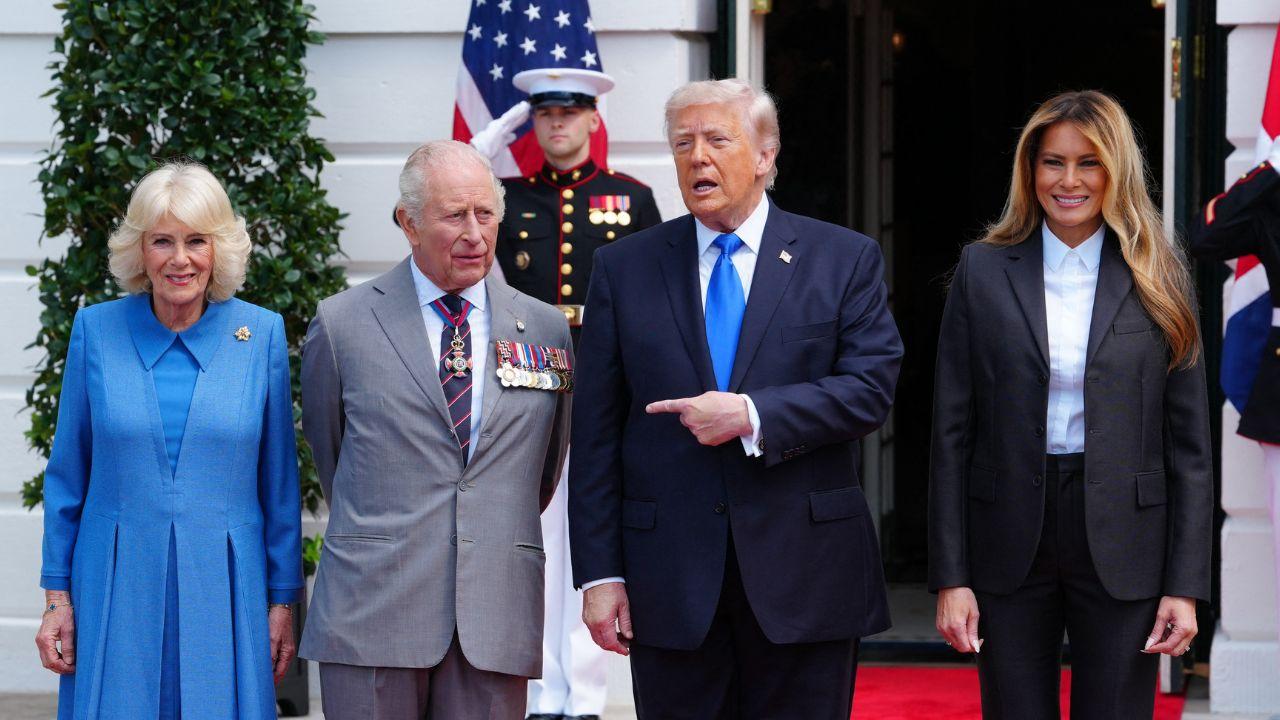
The ongoing engagement of Donald Trump in the Meghan Markle narrative highlights the increasingly blurred lines between politics and celebrity. In an era where public figures from various domains are expected to have opinions on a wide range of topics, Trump’s willingness to vocalize his stance on the royals is not entirely unexpected. However, the consistent targeting of the Duchess of Sussex, in particular, suggests a deeper, more personal dimension to this particular animosity. It serves as a reminder that even after leaving office, a former president’s words can carry significant weight and continue to shape public conversations, especially when touching upon globally recognized figures like the British royals. This dynamic ensures that the personal and political dimensions of the Trump-Markle saga will likely continue to evolve.
Looking Ahead: Persistent Narratives
As the Duke and Duchess of Sussex settle back into their lives in the United Kingdom, albeit without a return to formal working royal duties, the narrative surrounding their relationship with the monarchy, and indeed with figures like Donald Trump, is unlikely to dissipate. Meghan Markle is expected to continue her independent ventures, potentially including a return to her entertainment roots, while Prince Harry will maintain his focus on charitable work. This period of transition will undoubtedly bring new scrutiny and fresh commentary from various quarters.
The Future of Royal Engagement
The Sussexes’ decision to establish a base for their children’s education in the U.K. suggests a strategic effort to maintain a connection to their heritage while preserving their independence. However, this balance remains precarious, constantly subject to external pressures and public opinion. The enduring appeal of the British royal family, combined with the continued outspokenness of figures like Donald Trump, ensures that the dynamic between the Duke and Duchess of Sussex and their critics will remain a topic of significant public interest. The saga of the Trump-Markle feud, rooted in personal disagreements and amplified by political and cultural divides, stands as a testament to the persistent intertwining of celebrity, power, and the monarchy in the modern age.