President Donald Trump publicly lambasted his own speechwriters during the recently rescheduled White House Correspondents’ Dinner (WHCD) on July 25, 2026, describing the prepared remarks as a "stupid speech" after several of his jokes failed to land with the audience. The rare public rebuke of his staff highlighted an evening marked by a strained atmosphere, coming months after the original event was marred by a security incident. The President’s unscripted critique raised questions about his relationship with his communications team and the delicate balance of humor and policy at the annual Washington gala.
The White House Correspondents’ Dinner: A Tradition of Jest and Journalistic Camaraderie
The White House Correspondents’ Dinner, an annual event typically held in late April, serves as a prominent gathering that celebrates journalism and often features the President of the United States delivering a comedic address. Historically, Presidents have used the platform to poke fun at themselves, the media, and political adversaries, fostering a rare moment of lightheartedness between the executive branch and the press corps. The event, which benefits scholarships and awards for aspiring journalists, has evolved into a significant fixture in Washington D.C.’s social and political calendar.
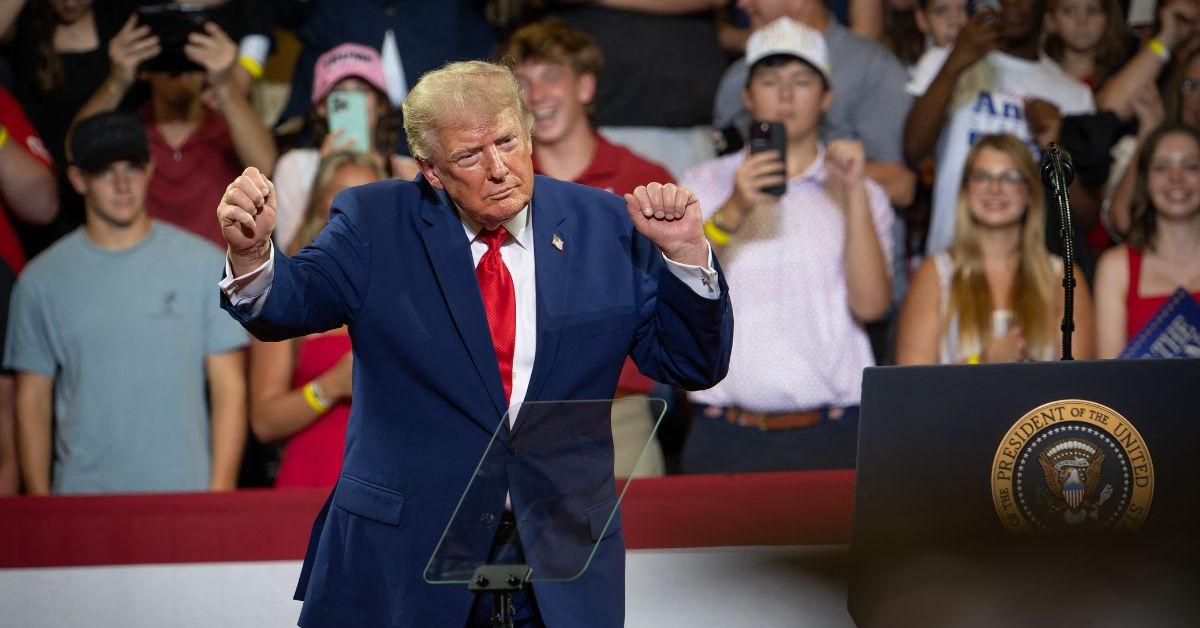
Over the decades, presidential speeches at the WHCD have ranged from self-deprecating humor to sharp political satire, often crafted by a dedicated team of speechwriters tasked with tailoring the President’s persona to the unique demands of the evening. The success of these addresses often hinges on the audience’s reception, with memorable performances becoming part of presidential lore. Conversely, speeches that fall flat can draw significant scrutiny, reflecting poorly on both the President and their speechwriting staff.
A Night of Unsuccessful Humor and Public Censure
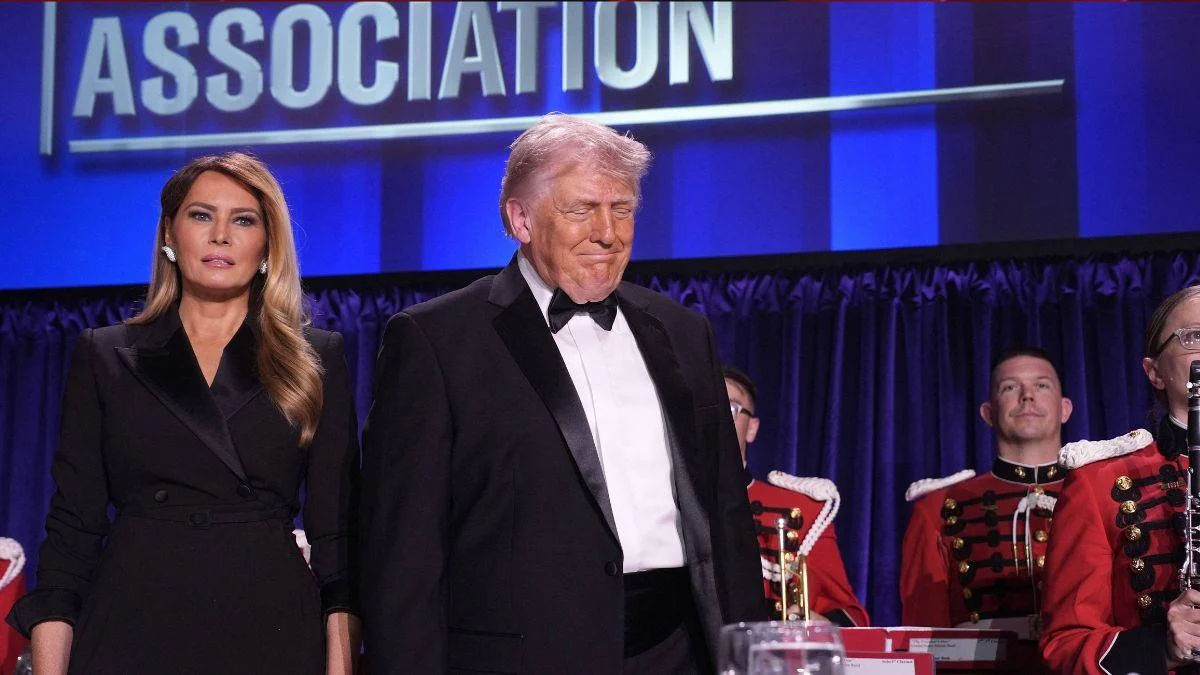
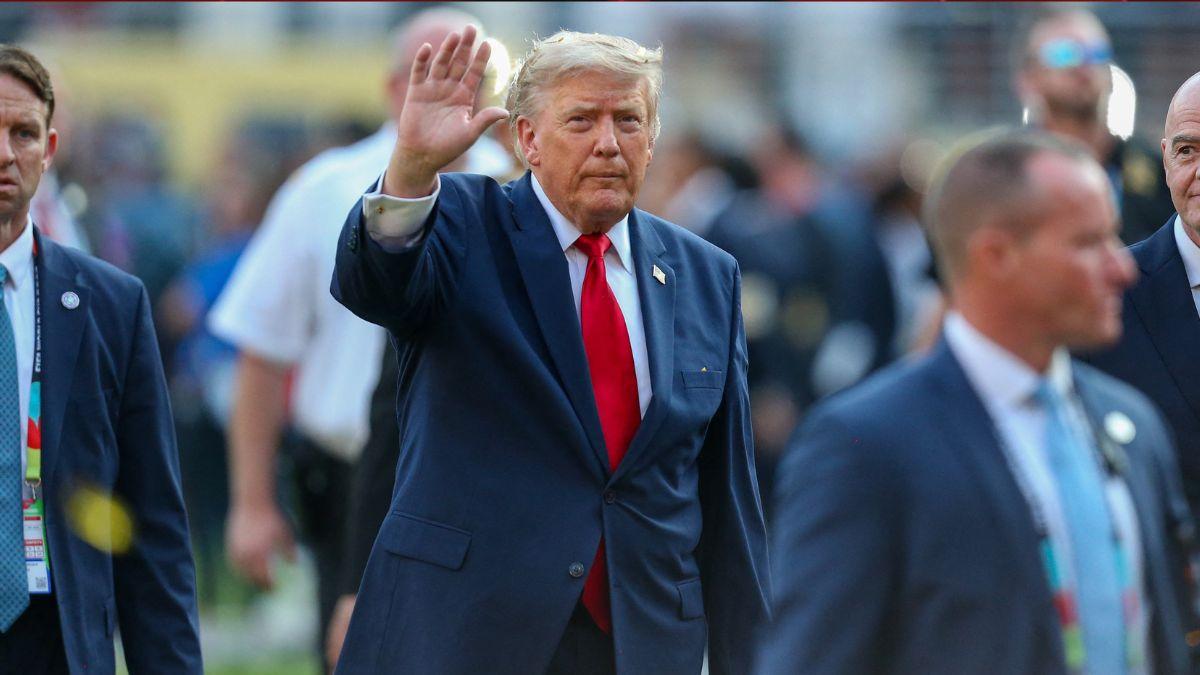
The July 25 dinner, held at the Washington Hilton, saw President Trump attempt to engage the room with pre-written jokes that ultimately garnered little laughter. One particular segment focused on the concept of term limits for members of Congress, a topic often debated in political circles. Trump quipped, "All joking aside, I do think we need term limits in Congress. I think term limits are very important because I see what’s happening. I see what’s happening." The statement, intended to be humorous, was met with an audible silence from the assembled journalists, politicians, and celebrities.
The President then transitioned to a more elaborate anecdote, which also failed to elicit the desired reaction. He recounted, "The other day, a senator I knew got a text, a great guy, from his wife, and she said, when you get home, I want to have you immediately come up the stairs and make love to me. And he said, I can’t do both." Trump continued, attempting to clarify the joke, "You know what? You know? In other words, you can’t go up the stairs and make love." The lack of audience response visibly frustrated the President, who then deviated from his prepared remarks to criticize his own team.

President Trump’s Unscripted Scolding of Speechwriters
Following the lukewarm reception of his jokes, President Trump directly addressed his speechwriters from the podium. "Does anybody get that one? I thought that was actually pretty good. That was actually the only thing I thought was good in this whole freaking stupid speech that they wrote," he stated, clearly audible to the attendees and those watching the broadcast. This public dressing-down of his staff marked a highly unusual moment for a sitting President at such a high-profile event.
He reiterated his dissatisfaction, attempting once more to salvage the joke and the mood. "That was the only good one. And that went down with not exactly great laughter. I think, you know. In other words, you can’t go up the stairs and make love too old. So we’re looking for term limits. Does anybody understand this stuff?" His repeated attempts to explain the humor underscored the perceived failure of the material and his growing frustration with the delivery and reception. The incident immediately became a central talking point of the evening, overshadowing other aspects of the rescheduled WHCD.
The Anticipation: "Unifying, Yet Vicious" Remarks

Just days before the rescheduled event, White House Press Secretary Karoline Leavitt had offered a preview of the President’s upcoming address, setting high expectations for its content and tone. Leavitt assured the public and media on Friday, July 23, that the President’s speech would be "unifying, yet vicious" and simultaneously "serious yet hilarious." She further guaranteed that "One thing I can assure you, it will be entertaining."
Leavitt’s comments framed the speech as a carefully crafted blend of contrasting elements, designed to engage a diverse audience while staying true to President Trump’s distinctive communication style. The stark contrast between these pre-event promises and the President’s live, unscripted denouncement of his own speechwriters highlighted a significant disconnect, raising questions about internal White House communication and the challenges of managing presidential expectations for such a sensitive event.
A Rescheduled Event Following a Security Breach
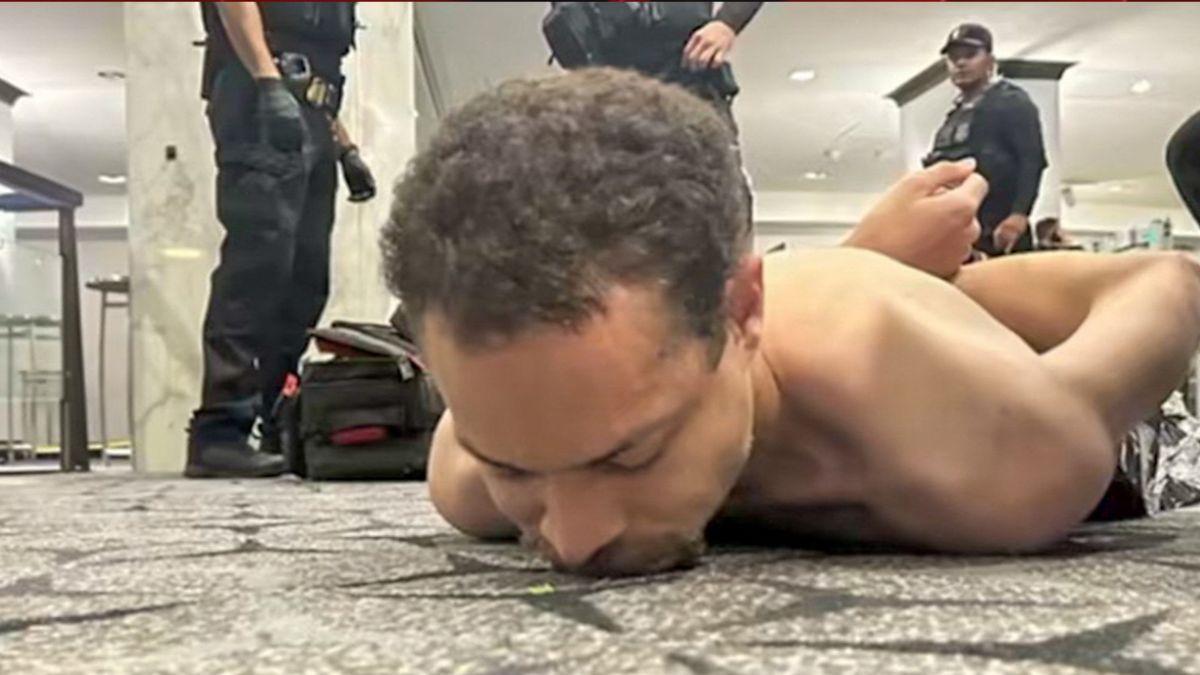
The July 25 WHCD was not the initial date for the prestigious gathering. The dinner had originally been scheduled for April 25, 2026, at the same Washington Hilton ballroom. However, that event was abruptly cut short due to a severe security incident. During the initial dinner, a man identified as Cole Tomas Allen allegedly opened fire within the venue in what authorities later described as an attempted assassination of President Trump.
The Secret Service swiftly apprehended Allen, bringing a chaotic end to the evening and leading to an immediate rescheduling of the event. The incident sent shockwaves through Washington, prompting extensive reviews of security protocols for high-profile gatherings involving the President. The decision to reschedule, rather than cancel, underscored the importance of the WHCD tradition to the journalistic community, despite the heightened security concerns.
Melania Trump’s Absence and Ongoing Security Concerns
The lingering shadows of the April 25 assassination attempt significantly impacted the rescheduled event. First Lady Melania Trump, who typically accompanies the President to such high-profile functions, opted not to attend the July 25 dinner. Her decision was publicly attributed to "security concerns," a direct consequence of the previous incident. This absence underscored the ongoing anxieties surrounding the President’s safety and the security challenges inherent in public appearances.
The First Lady’s decision to forgo the event highlighted the personal toll such threats can take on presidential families and the difficult choices made to ensure their safety. Her absence also drew attention to the extraordinary circumstances under which the WHCD was being held, moving beyond a simple celebratory dinner to one imbued with serious undertones of national security and personal risk.
Broader Implications for Presidential Communication and Staff Relations
President Trump’s public criticism of his speechwriters is likely to have several implications. Internally, such a public dressing-down could significantly impact staff morale within the White House communications team. Speechwriters, whose work is inherently collaborative and often involves navigating a principal’s specific preferences, typically operate with a degree of anonymity and trust. A direct, negative critique from the President himself, delivered on a national stage, could undermine that trust and create an environment of apprehension.
Externally, the incident further shaped public perception of President Trump’s leadership style, reinforcing his reputation for blunt, often unvarnished, criticism, even of his own team. It also fueled ongoing discussions about the role of humor in presidential rhetoric, particularly at events designed for political levity. The episode underscored the fine line between engaging humor and material that fails to resonate, especially when delivered by a figure as polarizing as the President.
The rescheduled WHCD, initially intended to be a return to normalcy and a celebration of the free press, instead became a focal point for discussions on presidential accountability, staff loyalty, and the ever-present challenges of security in a turbulent political landscape. As the dust settles on an eventful evening, the ramifications for the White House communications strategy and the future format of the dinner itself remain subjects of considerable speculation.