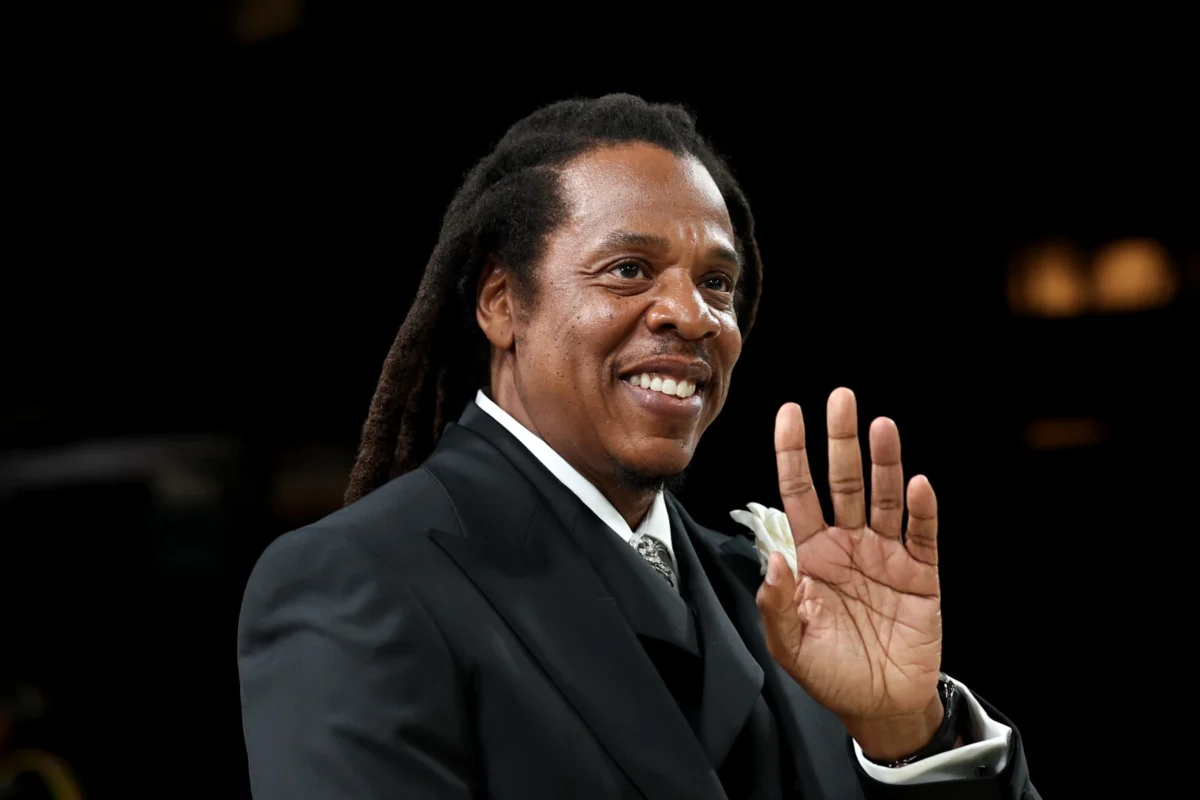
Maine Democrats are convening in Bangor this weekend to formally nominate state Senate President Troy Jackson as their candidate for the U.S. Senate, a move that marks a desperate attempt to stabilize a campaign season rocked by scandal. Jackson, a fifth-generation logger from the state’s northernmost reaches, steps into the spotlight less than four months before the midterm elections, tasked with unseating Susan Collins, a Republican who has held her seat for three decades. The sudden elevation of Jackson follows the collapse of the party’s primary winner, Graham Platner, whose withdrawal has left the Democratic establishment racing to recalibrate their strategy in a contest that could determine the balance of power in Washington.
The political landscape in Maine was upended just weeks ago when Platner, an oysterman who ran as a charismatic populist, stepped down following allegations of sexual assault. While Platner denied the accusations, his exit created a vacuum that many feared would hand the election to Collins by default. Jackson’s entry into the race is viewed by party insiders not merely as a backup plan, but as a strategic pivot toward a candidate whose life story resonates with the rural, working-class voters who have increasingly defected to the Republican Party in recent years.
The Fall of Graham Platner and the Rise of Troy Jackson
The path to Jackson’s nomination has been fraught with internal party tension and public scrutiny. Graham Platner had successfully captured the imagination of the progressive base, securing over 150,000 votes in the primary despite a series of distractions, including a controversial tattoo that some critics likened to extremist symbols. However, the allegations made by a former girlfriend proved to be the breaking point, leading to a swift and painful withdrawal that left Maine Democrats without a standard-bearer at a critical juncture in the election cycle.
Jackson’s ascent represents a transition from a firebrand outsider to a seasoned legislative leader who maintains his outsider credentials through his trade. As the former president of the Maine Senate, Jackson has spent years navigating the complexities of state government, yet he continues to identify primarily as a logger from Aroostook County. This dual identity—legislative architect and blue-collar worker—is the cornerstone of the Democratic plan to challenge Collins’ perceived image as a polished, out-of-touch Washington insider.

The timeline for Jackson is historically tight. While national figures like Kamala Harris have faced the challenge of condensed campaign windows, Jackson has even fewer days to introduce himself to the wider electorate, raise millions of dollars, and build a statewide ground game. His supporters argue, however, that his deep roots in the state and his existing political network provide a foundation that a traditional newcomer would lack.
From Logging Blockades to the State Senate President’s Chair
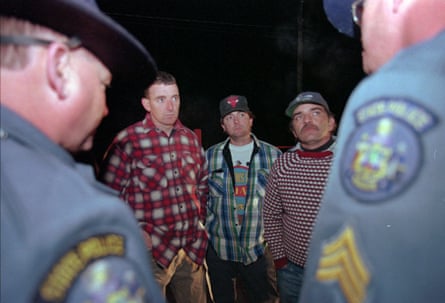
Troy Jackson’s political origin story is rooted in the rugged labor disputes of the late 1990s. In 1998, he gained statewide notoriety for leading a week-long blockade of the U.S.-Canada border. The protest was a response to the employment of Canadian loggers, which Jackson and his colleagues argued was a corporate tactic to suppress local wages. The image of Jackson being escorted away by law enforcement established him as a champion of the rural worker, a reputation that has followed him throughout his career in the state house and senate.
His ideological journey has been equally notable. Jackson began his political life as a Republican, running for the Maine House of Representatives in 2000. After a loss, he returned as an Independent, eventually joining the Democratic Party in 2004. Over the last two decades, he has moved steadily toward the progressive wing of the party. Once a critic of abortion rights and same-sex marriage, Jackson has since abandoned those positions, emerging as a vocal advocate for Medicare for All and a fierce critic of federal immigration enforcement agencies.
This evolution has made him a favorite of the national progressive movement. He served as the Maine chair for Bernie Sanders’ 2016 presidential campaign, helping the Vermont senator secure a decisive victory in the state’s caucuses. This alliance remains a key part of Jackson’s political identity, as he attempts to marry Sanders-style economic populism with the specific cultural nuances of northern Maine.
The Progressive Platform: Why Troy Jackson Challenges the Status Quo
Jackson’s platform is built on the premise that the Democratic Party must return to its labor-focused roots to win in rural America. He has centered his campaign on economic issues, advocating for universal healthcare and protections for domestic industries. His rhetoric is often blunt, lacking the carefully focus-grouped language typical of modern Senate campaigns. This "shoot from the hip" style is intentional, designed to contrast with Susan Collins’ measured and often cautious public persona.
However, Jackson’s record is not without controversy. Reports have surfaced detailing a history of a quick temper during his time in the state legislature. Accounts from colleagues describe instances of shouting, cursing, and at least one occasion where a water bottle was thrown during a heated negotiation. Supporters dismiss these incidents as signs of a "normal guy" who is passionate about his work, while critics argue they suggest a lack of the temperament required for the U.S. Senate.
The policy differences between Jackson and Collins are stark. While Collins has often positioned herself as a moderate who seeks bipartisan compromise, Jackson has embraced more radical shifts in policy. His call for the abolition of Immigration and Customs Enforcement (ICE) has become a focal point of the campaign, particularly following a recent high-profile incident in Biddeford, Maine, where an ICE officer shot and killed a Colombian national. Jackson’s direct condemnation of the agency stands in sharp contrast to Collins’ more reserved calls for administrative reform.
Susan Collins and the Battle for Aroostook County
The race for the Senate seat is, in many ways, a battle for the soul of Aroostook County. Known simply as "the County" to Mainers, this sparsely populated region is the home of both Jackson and Collins. It is a land of potato farms and vast forests, a place where traditional industries still dictate the rhythm of life. Despite its small population, the region holds outsized symbolic importance in Maine politics.
Susan Collins enters the race with the advantages of a long-term incumbent. Her campaign war chest is formidable, with federal filings showing over $16 million in cash on hand. In contrast, Jackson’s campaign has reported raising just over $1 million, a significant disparity that will require him to rely heavily on grassroots organizing and national progressive fundraising networks. Collins has already begun to frame the race as a choice between her brand of steady leadership and what she describes as Jackson’s "socialist" tendencies.
The Republican strategy involves painting Jackson as an ideological extremist whose views are out of step with the average Mainer. In recent interviews, Collins has referred to Jackson as a "Bernie bro," attempting to link him to the more polarizing elements of the national Democratic Party. Republicans have also criticized the process by which Jackson was chosen, accusing Democratic leadership of bypassing the will of the voters to install a political insider after the Platner debacle.

The Biddeford Shooting and the Debate Over ICE
External events have already begun to reshape the narrative of the campaign. The death of 26-year-old Johan Sebastián Durán Guerrero at the hands of an ICE officer in Biddeford has brought the issue of immigration and federal policing to the forefront of the race. The Department of Homeland Security has defended the shooting, claiming the individual posed a threat to public safety, but the incident has sparked protests across the state.
For Jackson, the shooting was a validation of his long-held stance that ICE is a "rogue agency." He has used the tragedy to highlight what he describes as the moral clarity of his campaign. Progressive strategists argue that this directness is what voters are looking for in a climate of high inflation and international uncertainty. They believe that voters are less concerned with a candidate’s polish and more concerned with their willingness to take a firm stand on controversial issues.
Collins’ response to the shooting was more measured, focusing on the need for a thorough investigation and potential reforms within the agency. This difference in tone reflects the broader dynamic of the race: Jackson as the emotional, direct representative of the working class, and Collins as the deliberative, process-oriented legislator.
Authenticity vs. Polish: The Final Sprint to November
As the special convention in Bangor concludes, Jackson will face the monumental task of unifying a fractured party. The Platner saga left many Democratic voters disillusioned and pointing fingers at party leadership for failing to properly vet their candidates. Jackson’s challenge will be to convince these voters that the movement is bigger than any one individual and that his brand of populism is the authentic successor to the energy generated earlier in the year.
Political analysts suggest that the outcome of the race may depend on whether Jackson can translate his success in the Maine Senate to the national stage. His supporters, including leaders from organizations like Our Revolution and the Progressive Change Campaign Committee, believe that his "regular dude" persona is his greatest asset. They argue that in an era of manufactured political identities, a candidate who actually knows how to operate a chainsaw and lead a labor blockade has a unique advantage.

The contest between the veteran Republican and the progressive lumberjack will be one of the most closely watched races in the country. With the Biden administration facing low approval ratings and the shadow of the war in Iran looming over the midterms, Maine serves as a microcosm of the national struggle for the future of the Democratic Party. Whether a logger from the County can unseat a political institution like Susan Collins remains to be seen, but for Maine Democrats, Troy Jackson represents their last, best hope for a political miracle in November.