A recent investigation by CNN has brought to light a series of fervent social media posts made by Natalie Harp, a prominent and devoted aide to former President Donald Trump, on January 6, 2021, the day a mob of Trump supporters breached the U.S. Capitol. Harp’s tweets, since deleted, reportedly echoed the then-President’s unsubstantiated claims of a stolen election and urged his followers to continue their fight. The revelations underscore the intense loyalty within Trump’s inner circle and the pervasive nature of election fraud narratives leading up to and during the Capitol attack.
The Alleged Social Media Barrage on January 6th
According to the CNN report published on August 22, 2026, Natalie Harp engaged in a significant "Twitter spree" throughout the tumultuous events of January 6, 2021. Her posts allegedly mirrored the rhetoric being amplified by President Trump himself, directly challenging the legitimacy of the 2020 presidential election results. One striking alleged tweet repeated the phrase "FIGHT FOR TRUMP!" a dozen times, emphasizing a call to action for his supporters. Another declared, "Today, DC is TRUMP COUNTRY!" capturing the sentiment of the large crowd that had gathered in Washington D.C. for Trump’s "Save America" rally.

Harp, who was 29 years old at the time, reportedly lauded the pro-Trump demonstrators as "patriots." She further challenged elected lawmakers to demonstrate "a fraction of the courage & passion" exhibited by the crowd, explicitly stating, "today we STOP THE STEAL!" This direct appeal underscored the central demand of the movement, which sought to prevent the certification of the Electoral College votes confirming Joe Biden’s victory. The alleged tweets reveal a consistent and public endorsement of the narratives that fueled the unrest.
Echoes of Election Disinformation
The newly surfaced social media activity by Donald Trump’s loyal aide was not isolated to January 6th. Harp’s alleged Twitter history indicates a pattern of amplifying the former President’s claims of election fraud in the weeks and months following the 2020 presidential election. Just days after the election results were announced, she reportedly posted, "WE LOVE YOU! WE LOVE YOU! WE LOVE YOU! x 71 million," referencing the number of votes cast for Trump. In a December 2020 tweet, Harp allegedly escalated her rhetoric further, declaring, "THIS IS A COUP," suggesting a forceful and illegitimate seizure of power.
These statements align directly with Donald Trump’s sustained public campaign asserting that the 2020 election was "rigged" and "manipulated." Despite extensive audits, recounts, and legal challenges that consistently upheld the election’s integrity, Trump continued to promote these claims, which ultimately culminated in the January 6th rally and subsequent Capitol breach. Harp’s steadfast public support through her social media channels served as an echo chamber, reinforcing these narratives among Trump’s base.

Natalie Harp: A Profile in Loyalty and Influence
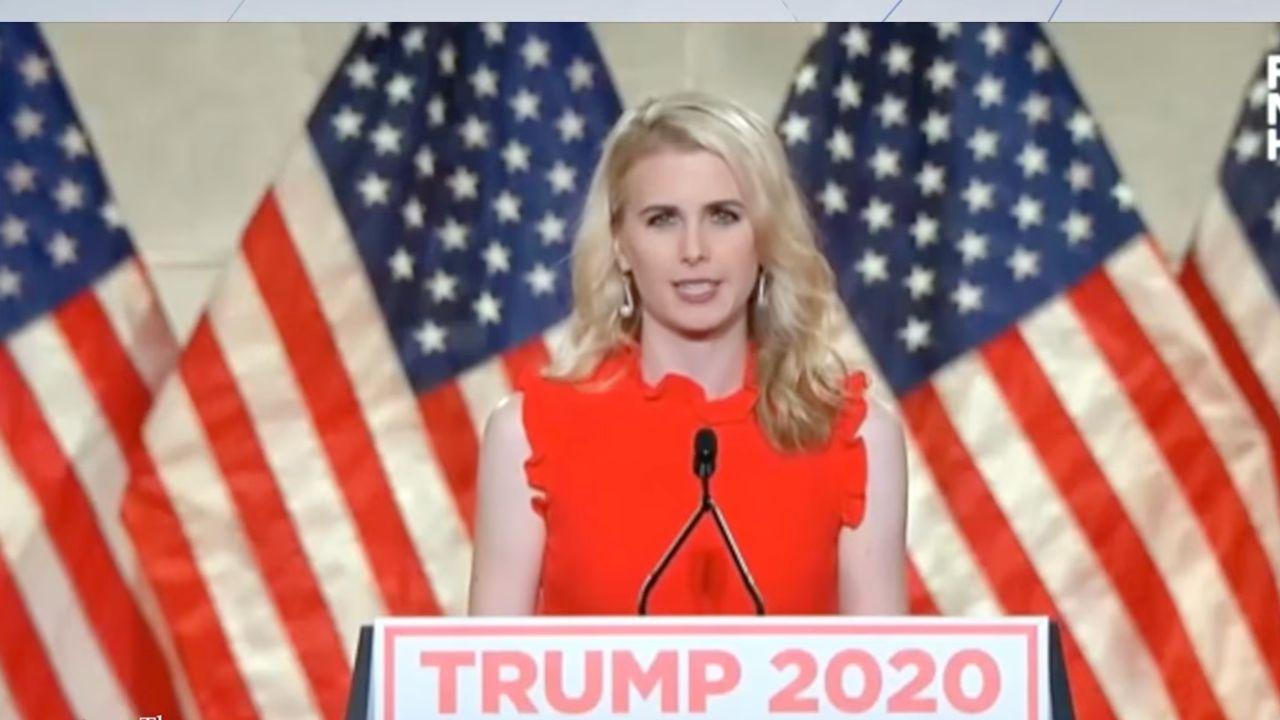
Natalie Harp’s role within Donald Trump’s orbit extends beyond that of a typical administrative assistant. Described as a "treasured" and "loyal aide," she has been a fixture in Trump’s post-presidency operations and was a member of the advisory board for his 2020 presidential campaign. While the CNN report indicates she has served as his executive assistant since 2025, her deep involvement with the former President’s political endeavors, including her fervent social media activity in 2021, suggests a continuous and evolving relationship. Harp is also reportedly responsible for managing Trump’s highly active and often controversial Truth Social account, a platform he founded after being banned from mainstream social media.
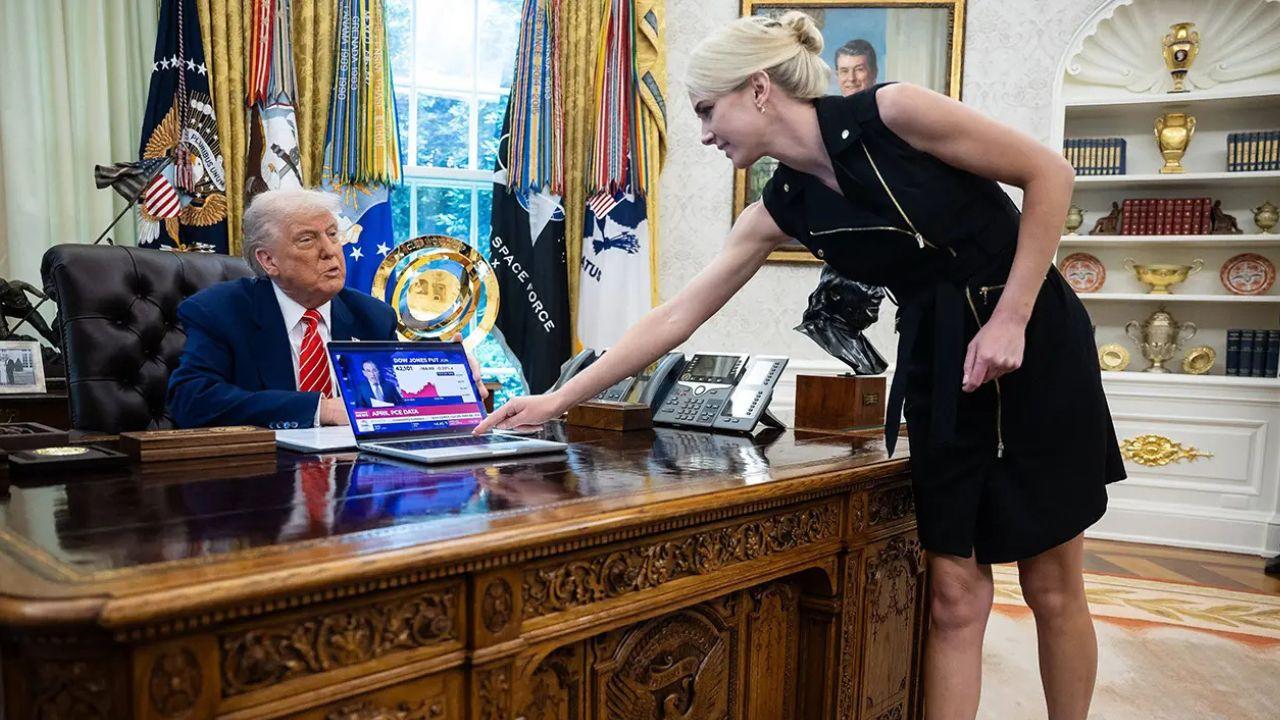
Her unwavering dedication has earned her the moniker "the human printer" among the press. This nickname stems from her reported practice of carrying a portable wireless printer to provide Trump with immediate hard copies of flattering online posts and news articles. This anecdotal detail highlights her constant proximity to the former President and her commitment to supporting his public image and narrative. Harp frequently accompanies Trump on his travels and reportedly maintains consistent access to his inner sanctum, including the Oval Office during his presidency. For her services, she reportedly earns a taxpayer-funded annual salary of $150,000, underscoring the significant resources allocated to her role.
The Context of January 6, 2021

The social media activity of Donald Trump’s loyal aide cannot be fully understood without recalling the broader context of January 6, 2021. On that day, thousands of Trump supporters gathered in Washington D.C. to protest the certification of the 2020 presidential election results. Following a rally where President Trump himself urged them to "fight like hell," a significant portion of the crowd marched to the U.S. Capitol Building. What began as a protest quickly devolved into a violent insurrection, with rioters breaching security, clashing with law enforcement, and vandalizing federal property.
The "Stop the Steal" movement, which gained significant traction in the weeks leading up to January 6th, was predicated on the false premise that the election had been stolen through widespread fraud. This movement, heavily amplified through social media and conservative media outlets, created an environment where calls to "fight for Trump" resonated deeply with his most ardent supporters. The events of that day led to multiple deaths, injuries, and hundreds of arrests, becoming a defining moment in recent American political history and prompting extensive congressional investigations.
Beyond Social Media: Personal Communications Revealed
Further insight into Natalie Harp’s profound loyalty to Donald Trump emerged from a Substack post by biographer Michael Wolff on August 20, 2026. Wolff’s "Howl" Substack page reportedly published a series of letters Harp had allegedly written to the politician. These personal communications reveal an intense level of devotion, with one memo reportedly stating, "You are all that matters to me. I don’t want to ever let you down. Thank you for being my Guardian and Protector in this life."
The publication of these "heartsick love letters," as they were described, adds a deeply personal dimension to Harp’s professional role. They suggest a relationship characterized by profound admiration and commitment, potentially explaining her fervent public defense of Trump and his election fraud claims. Such intimate correspondence, now public, provides a rare glimpse into the dynamics within the former President’s close circle and the personal nature of the loyalty he often demands from his staff.
Broader Implications for Political Discourse and Aide Conduct
The renewed focus on Natalie Harp’s January 6th Twitter spree, alongside the revelations from Michael Wolff’s reporting, carries significant implications for understanding the intersection of political rhetoric, social media, and the conduct of high-level political aides. Harp’s alleged actions highlight how individuals within a leader’s immediate sphere can play a crucial role in disseminating and legitimizing contentious narratives, particularly during moments of political crisis. The deletion of her Twitter account, while not explicitly explained, suggests a potential awareness of the retrospective scrutiny such posts would attract.
The ongoing debate surrounding election integrity and the events of January 6th continues to shape American political discourse. The actions of figures like Harp serve as case studies in how deeply entrenched beliefs about election fraud were not merely espoused by the former President but were actively amplified and championed by his most trusted lieutenants. This behavior contributes to heightened political polarization and raises questions about the responsibility of public figures and their staff in maintaining democratic norms.
An Enduring Legacy of Loyalty and Controversy
The re-surfacing of Natalie Harp’s alleged January 6th social media activity, combined with new insights into her personal devotion, solidifies her image as one of Donald Trump’s most unwavering and impactful loyalists. Her public declarations, mirroring the former President’s own, underscore the concerted effort to challenge the 2020 election results and rally support for his cause. Years after the Capitol attack, the actions and rhetoric of individuals like Harp continue to be scrutinized as part of the broader effort to understand the events of that day and their lasting impact on American democracy. Harp’s commitment, from managing Trump’s social media to allegedly providing him with printed praise, exemplifies a deep-seated loyalty that remains a defining characteristic of the Trump political phenomenon.