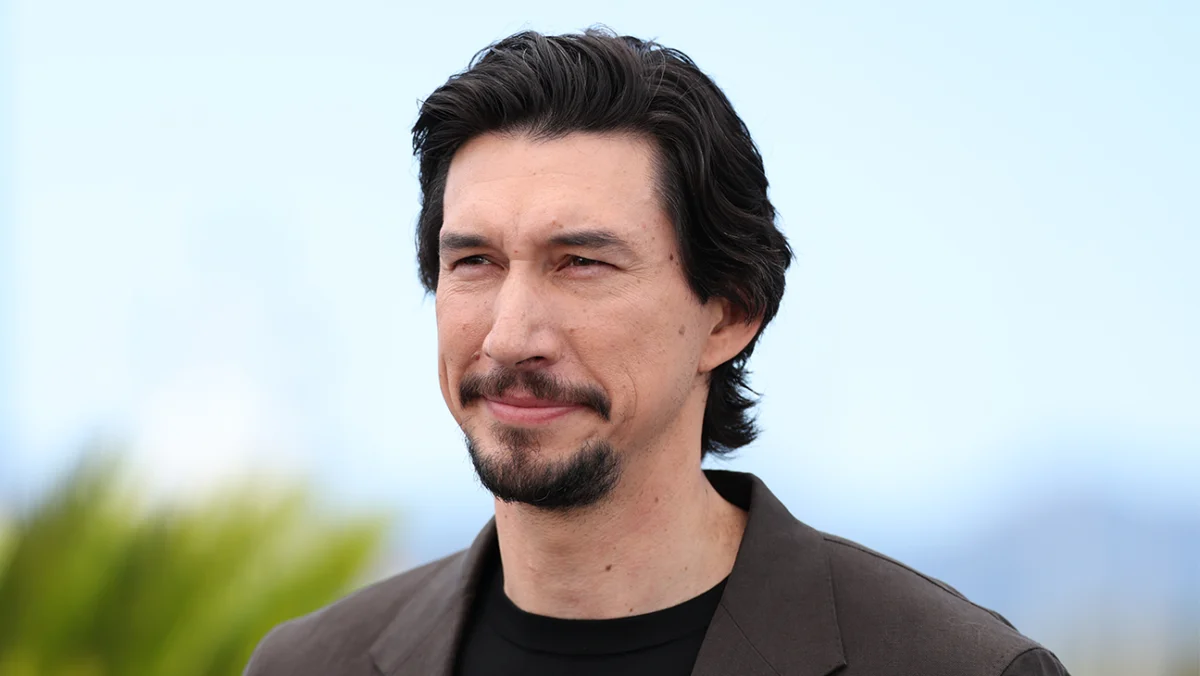
Marvel Studios President Kevin Feige recently disclosed that actor Adam Driver has consistently declined opportunities to join the Marvel Cinematic Universe (MCU), establishing a recurring "tradition" of rejections. The revelation came during a conversation with Josh Horowitz, host of the Happy Sad Confused podcast, shedding light on Marvel’s persistent interest in the acclaimed actor and his equally consistent decision to pass on potential roles. This ongoing dynamic highlights the selective nature of some A-list talent when considering commitments to sprawling cinematic franchises.
Feige openly acknowledged Marvel’s desire to collaborate with Driver, stating, "It’s no secret we’d like to [work with Driver]." He elaborated on the routine nature of their interactions, humorously describing it as a "long-lived tradition" involving Zoom meetings where Driver ultimately declines. Despite the repeated rejections, Feige emphasized Driver’s cordiality and his straightforward communication regarding his professional preferences, indicating mutual respect between the studio head and the actor.
The Allure of the MCU and Driver’s Discerning Eye
The Marvel Cinematic Universe has long been a magnet for top-tier acting talent, known for its global reach, massive box office success, and cultural impact. Actors from various backgrounds, including Oscar winners and indie darlings, have joined the franchise, often drawn by the opportunity to reach a vast audience and participate in a pop culture phenomenon. Marvel Studios, under Feige’s leadership, has meticulously built an interconnected narrative that demands significant commitment from its stars, typically involving multi-picture contracts and extensive promotional tours.
Adam Driver, however, occupies a unique position in Hollywood. Known for his intense performances and deliberate career choices, he has cultivated a reputation for balancing high-profile blockbusters with critically acclaimed independent films. His filmography showcases a clear preference for projects that offer substantial dramatic depth and opportunities for character exploration, often collaborating with renowned auteurs. This artistic sensibility may influence his decision-making regarding long-term franchise commitments.
Speculation on Unrevealed Marvel Roles
Feige refrained from divulging the specific roles he has pitched to Driver over the years, fueling considerable speculation among fans and industry observers. However, persistent rumors have circulated, particularly on social media, linking Driver to the eagerly anticipated big-screen reboot of the X-Men franchise. Marvel Studios has kept details about the X-Men project under wraps, with no official casting announcements made to date. The Hollywood Reporter previously indicated that Jake Schreier, known for his work on Thunderbolts, was in discussions to direct the film, suggesting the project is actively moving forward.
Fans have often imagined Driver in roles that demand a powerful screen presence and a blend of gravitas and intensity. Potential X-Men characters that could align with Driver’s acting style include iconic figures like Cyclops, Wolverine, or even a nuanced portrayal of a complex villain such as Magneto. Beyond the X-Men, other hypothetical roles that would capitalize on his unique talents could include Doctor Doom, a prominent Fantastic Four antagonist, or even a different interpretation of a hero like Reed Richards, given his ability to convey both intellect and internal conflict.
Adam Driver’s Blockbuster History and Artistic Balance
Driver’s reluctance to join the MCU is unlikely to stem from an aversion to blockbuster filmmaking itself. He has significant experience with large-scale franchises, most notably starring as Kylo Ren (Ben Solo) in the Star Wars sequel trilogy. His portrayal of the conflicted villain in Star Wars: The Force Awakens (2015), The Last Jedi (2017), and The Rise of Skywalker (2019) garnered widespread acclaim for its depth and emotional complexity, demonstrating his capability to elevate franchise material. This experience provided him with firsthand insight into the demands and exposure associated with major cinematic universes.
Beyond Star Wars, Driver has also appeared in other high-profile productions, including Ridley Scott’s House of Gucci (2021), Michael Mann’s Ferrari (2023), and Francis Ford Coppola’s upcoming Megalopolis (2024). These roles, while large in scope, often provide more contained character arcs and creative freedom compared to the multi-film commitments typical of the MCU. His filmography reflects a deliberate effort to maintain a diverse portfolio, ensuring he is not typecast and continues to challenge himself with varied characters and genres.
The Indie Heart of a Star: Driver’s Diverse Filmography
Crucially, Driver’s career is marked by a strong foundation in independent cinema, which he seamlessly integrates with his commercial work. His performances in films like the Coen Brothers’ Inside Llewyn Davis (2013), Jim Jarmusch’s Paterson (2016), and Noah Baumbach’s Marriage Story (2019) have earned him critical accolades, including Oscar nominations, and cemented his status as a formidable dramatic actor. These projects often allow for more intricate character studies and deeper artistic exploration, which appear to be central to his professional satisfaction. His upcoming independent film, Paper Tiger, further underscores this commitment to balancing his artistic endeavors.
This strategic blend of independent and mainstream projects allows Driver to enjoy both critical acclaim and widespread recognition without being solely defined by franchise roles. It provides him with a degree of creative control and flexibility that might be less accessible within the structured framework of a cinematic universe like Marvel, where character trajectories and narrative arcs are often predetermined over multiple installments.
A Return to Star Wars? The Axed Kylo Ren Project
While Adam Driver has repeatedly passed on so many Marvel roles, he has expressed interest in revisiting another beloved blockbuster franchise: Star Wars. Reports indicated that Driver had been actively involved in discussions for a standalone Kylo Ren film, with acclaimed director Steven Soderbergh attached to the project. This proposed film would have offered a unique opportunity to delve deeper into the character of Ben Solo, exploring his journey and complexities outside the main Skywalker saga.
Despite receiving support from Lucasfilm, the creative team behind Star Wars, the standalone Kylo Ren movie was ultimately axed by Disney. The decision to cancel the project, even with a talent like Soderbergh and the star’s enthusiasm, speaks to the complex strategic shifts and creative considerations within major studios. For Driver, the interest in this particular Star Wars return underscores his preference for projects that allow for artistic exploration of characters he has already invested in, especially when paired with a director known for a distinct artistic vision. This contrasts with potentially stepping into an entirely new, long-term commitment within the Marvel universe.
Broader Industry Implications and Actor Agency
The ongoing saga of Adam Driver passing on so many Marvel roles reflects broader trends in Hollywood regarding actor agency and the evolving landscape of franchise filmmaking. As cinematic universes continue to dominate the industry, A-list actors face a crucial decision: whether to commit a significant portion of their careers to these lucrative but demanding enterprises, or to prioritize creative diversity and flexibility. Driver’s consistent choices highlight that for some, artistic fulfillment and varied roles take precedence over the guaranteed global exposure and financial benefits of a Marvel contract.
This dynamic also illustrates Marvel Studios’ persistent strategy of targeting specific actors believed to be ideal for certain roles, even in the face of repeated rejections. It underscores the studio’s commitment to casting strong talent, despite the challenges of aligning schedules and artistic visions. The "tradition" Feige describes is a testament to Driver’s firm artistic boundaries and Marvel’s continued high regard for his capabilities.
In an industry increasingly defined by massive franchises, Adam Driver stands out as an actor who carefully curates his career, demonstrating that there remains significant power in saying no, even to the most powerful studio in Hollywood. His commitment to a diverse and challenging body of work continues to shape his unique legacy, leaving fans to imagine what could have been in the MCU, while anticipating his next compelling performance elsewhere.