Ashley St. Clair, a former associate and mother of one of Elon Musk’s children, recently disclosed significant life changes over the past year, prominently featuring her departure from what she characterized as a "cult" and her refusal of a reported $40 million non-disclosure agreement (NDA) from the billionaire tech magnate. Her public statements, shared across social media and during a recent film festival appearance, paint a picture of personal transformation and a determined assertion of independence. St. Clair emphasized her commitment to maintaining her "voice and autonomy" despite the substantial financial offer.
A Year of Transformation and Renewed Well-being
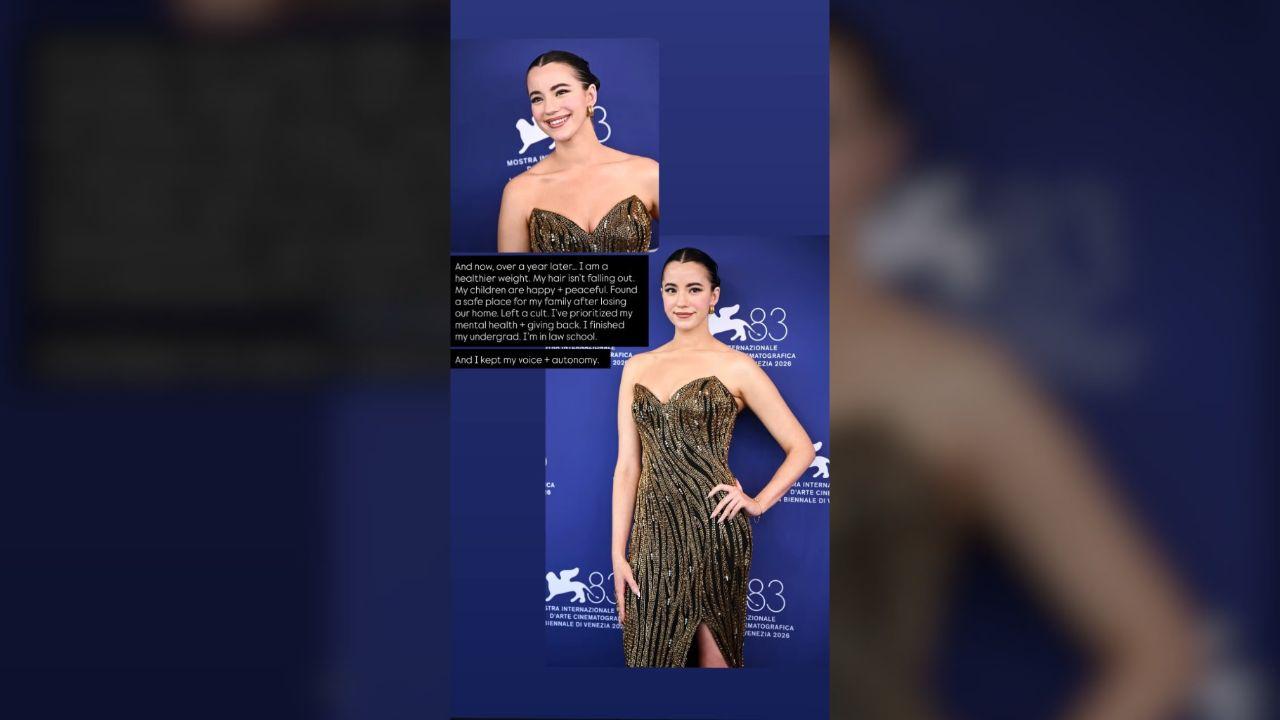
St. Clair’s candid update detailed a year marked by profound personal and familial restructuring. She revealed improvements in her physical health, noting a return to a "healthier weight" and the cessation of hair loss. Crucially, she highlighted a more stable and "peaceful" environment for her children, who, according to her, are now "happy." The former right-wing influencer also navigated a significant housing upheaval, securing a "safe place for my family after losing our home." These personal triumphs were coupled with academic advancements, as St. Clair announced the completion of her undergraduate degree and her enrollment in law school, signifying a renewed focus on intellectual and professional growth.

Beyond the tangible changes, St. Clair underscored a deliberate prioritization of her mental health and a commitment to "giving back." This holistic approach to well-being forms the bedrock of her narrative of reclaiming agency. Her public disclosure serves as a powerful testament to her journey away from previous affiliations and toward a more self-directed future, asserting her right to speak freely about her experiences, even in the face of immense financial pressure.
Rejecting the $40 Million NDA from Elon Musk
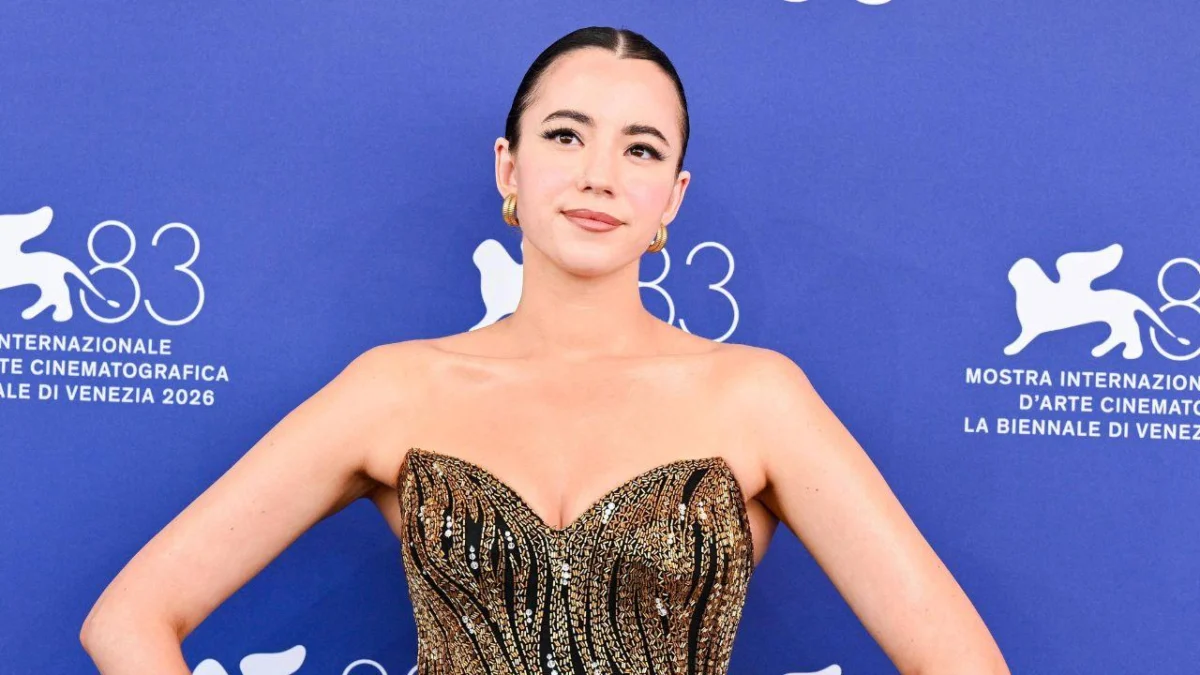
The revelation of the alleged $40 million NDA offer from Elon Musk adds a dramatic layer to St. Clair’s story, underscoring the high stakes involved in her decision to speak out. She first discussed the purported offer while attending the 83rd Venice International Film Festival, where she was present for the promotion of Musk, a documentary reportedly about the SpaceX and Tesla CEO. During an interview, St. Clair reflected on the internal debate prompted by such a colossal sum. She questioned the motivations behind such an offer, articulating, "When you’re offered something like that, it causes a debate in your head about what your speech means and how valuable that is. Why do they want to offer me this amount of money not to speak?" Her ultimate choice to decline the NDA, thereby forfeiting a life-changing financial sum, directly aligns with her declared commitment to preserving her "voice and autonomy," particularly concerning her past relationship with the high-profile entrepreneur.
This refusal sends a strong signal about the perceived value of unrestricted speech versus financial incentive, particularly when dealing with powerful public figures. NDAs are common tools used by prominent individuals and corporations to protect privacy, trade secrets, or reputations. However, an offer of this magnitude, openly rejected, draws attention to the potential implications of attempting to silence individuals with direct knowledge of a public figure’s private life. St. Clair’s decision highlights a growing public discourse around the ethical boundaries of such agreements and the right of individuals to share their personal truths.
Deciphering the "Cult" Allegation
While St. Clair’s recent social media post did not explicitly name the "cult" she departed, her previous public statements provide significant context. In a March appearance on The Bulwark Podcast, she extensively discussed her history as a right-wing influencer and her eventual disengagement from the conservative political sphere. During that discussion, St. Clair unequivocally labeled the "MAGA movement" — referring to former President Donald Trump’s "Make America Great Again" political campaign and its adherents — as a "cult."
Her journey into this movement began during her college years, when her online "s—posting" gained traction among right-wing influencers. She initially found a "sense of belonging" within the movement, a common draw for individuals seeking community and identity. However, this initial connection gradually gave way to increasing criticism and disillusionment. St. Clair described the difficulty of extricating herself, explaining that participants become "so wrapped up in it, and your whole identity is this." She elaborated on the isolating nature of such environments, stating, "It is a cult, and what you have to understand is, in any abusive relationship, right? Your access to other people, you’re very isolated." This description aligns with widely recognized characteristics of cultic dynamics, including intense ideological indoctrination, isolation from external perspectives, and a strong sense of group identity that overshadows individual autonomy.
Critiques of the Right-Wing Movement and Treatment of Women
Beyond labeling the MAGA movement a "cult," St. Clair also voiced strong criticisms regarding the treatment of women within the conservative political landscape. She described a pervasive "hostility toward women" festering beneath the surface of the movement. This sentiment, she argued, is not lost on many women who remain connected to the right-wing sphere. St. Clair revealed that numerous women from the right continue to communicate with her, acknowledging the problematic rhetoric and dynamics.

"There are a lot of women from the right who still keep in communication with me, and they see what’s happening, and especially as it relates to the rhetoric against women, on the right, they’re not just turning a blind eye to this," St. Clair explained. She suggested that many women within the movement are coming to the realization "that they’ve also been had, that they’ve been used as pawns within this fringe movement." This critique highlights a significant internal struggle within the conservative movement, particularly concerning gender dynamics and the role of women. Her testimony adds to a growing chorus of voices, often from former insiders, who detail the exclusionary or exploitative aspects of certain political factions.
Broader Implications of St. Clair’s Disclosures
Ashley St. Clair’s public declarations carry significant broader implications, touching upon several societal and cultural touchstones. Her decision to reject a substantial NDA from Elon Musk fuels the ongoing debate about the power dynamics inherent in relationships between public figures and their former partners. It raises questions about the ethics of using financial leverage to control personal narratives and the importance of transparency, especially when the figures involved wield immense influence across technology, media, and global affairs. This rejection reinforces the idea that some individuals prioritize personal integrity and the right to free expression over financial gain, potentially inspiring others in similar situations.
Furthermore, St. Clair’s detailed account of leaving a "cult" and her critique of the MAGA movement contribute to a larger conversation about political disillusionment and the psychological impact of intense ideological immersion. Her narrative resonates with individuals who have experienced similar breaks from deeply entrenched groups, offering a personal perspective on the challenges and ultimate liberation found in reclaiming one’s independent thought. This aspect of her story holds particular relevance in an era characterized by increasing political polarization and the rise of fervent, often insular, online communities.
Her journey also underscores the importance of mental health and autonomy in navigating complex personal and public lives. The physical and emotional improvements she reported after making these significant changes highlight the profound connection between one’s environment, relationships, and overall well-being. By focusing on her family’s peace, her academic pursuits, and her mental health, St. Clair exemplifies a path of resilience and self-reconstruction following challenging circumstances. Her story, thus, becomes a case study in personal empowerment amidst the glare of public scrutiny and the pressures exerted by powerful figures.
The Intersection of Personal Narrative and Public Figures
The public nature of St. Clair’s disclosures, particularly regarding Elon Musk, intertwines her personal narrative with the broader public perception of one of the world’s most influential, and often controversial, figures. While Musk has not publicly commented on St. Clair’s claims, such allegations contribute to the ongoing scrutiny of his personal life and business practices. The Musk documentary, which brought St. Clair to the Venice Film Festival, suggests a growing interest in exploring the multifaceted life of the tech mogul, and St. Clair’s testimony could potentially offer a critical perspective.
Her willingness to speak out, despite the allure of $40 million, positions her as a voice challenging the conventional narratives surrounding powerful individuals. It highlights the complexities of relationships involving high-net-worth individuals, where personal entanglements can quickly become subjects of intense public interest and legal maneuverings. St. Clair’s assertion of her "voice and autonomy" serves as a powerful closing statement to this chapter of her life, indicating a future where she controls her own story, irrespective of external pressures or financial incentives.