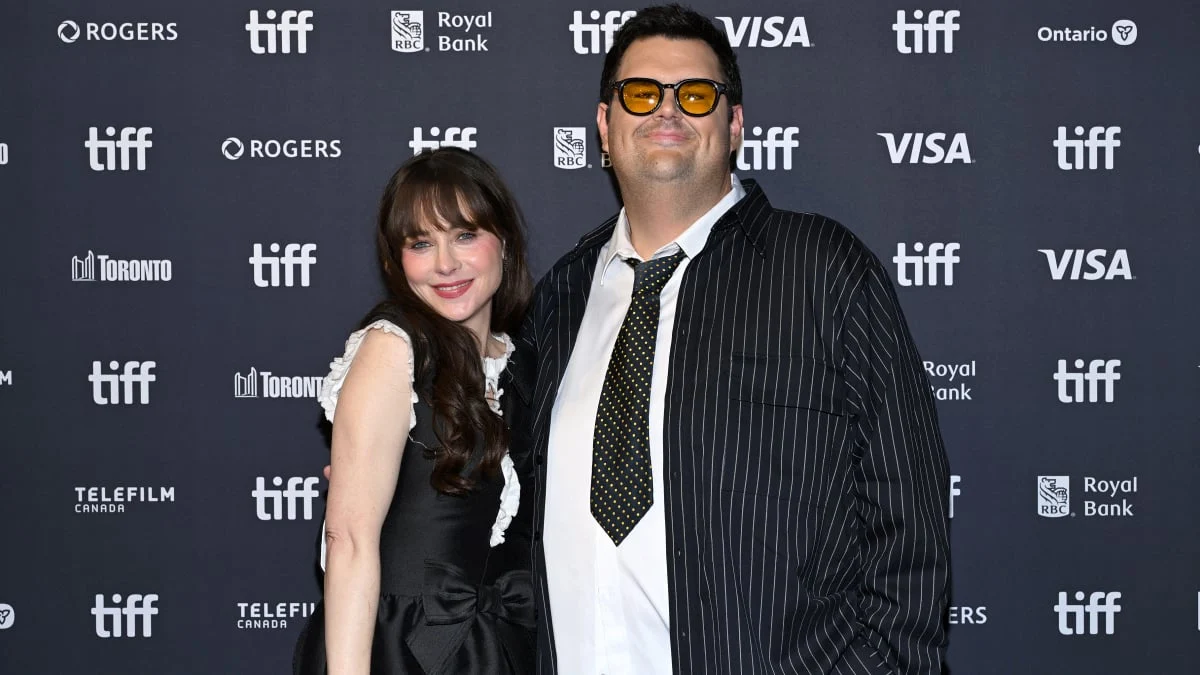
Caleb Hearon & Zooey Deschanel offer blunt advice for creators eyeing the jump to film as the traditional boundaries between social media content and theatrical cinema continue to dissolve. Speaking at the "For You Feed to Feature Film" panel during the Toronto International Film Festival (TIFF), the two performers shared the stage to discuss the practicalities, frustrations, and strategic maneuvers required to transition from digital platforms to the silver screen. The discussion, moderated by Jenny Kim, TikTok’s Global Entertainment Partnerships Lead, highlighted a significant shift in how Hollywood identifies and recruits new talent.
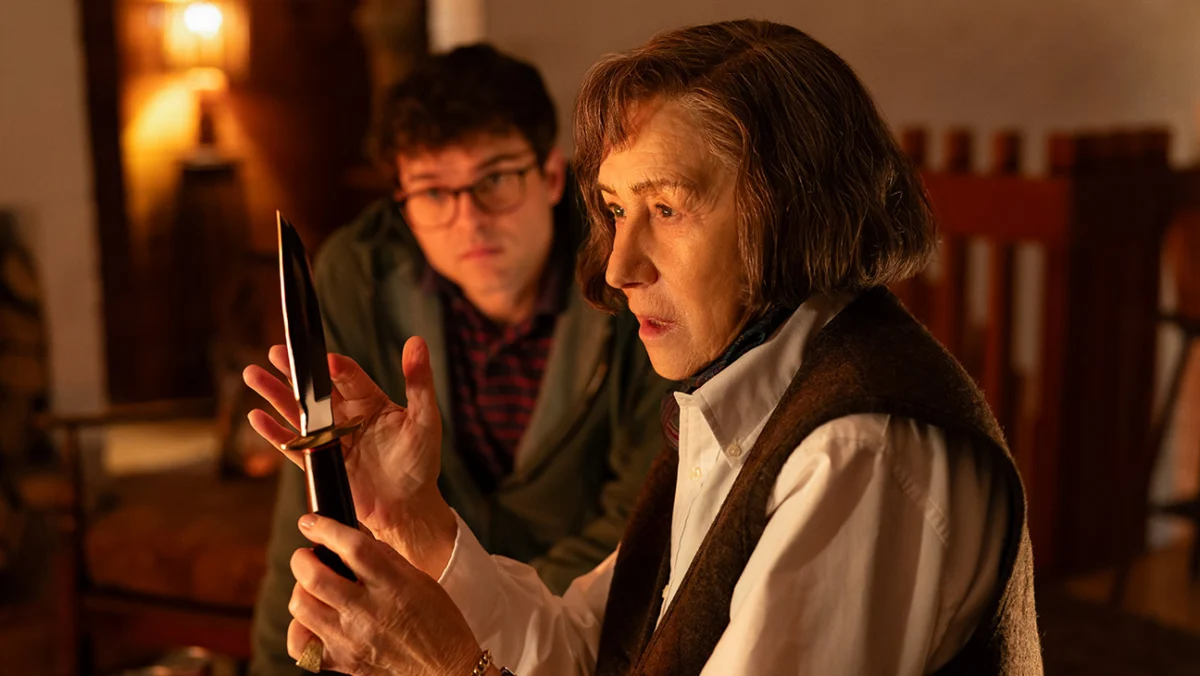
The panel served as a focal point for a broader industry conversation regarding the "creator economy" and its integration into the legacy studio system. Hearon, a comedian who rose to prominence through viral character videos, and Deschanel, a veteran actress and musician, provided contrasting but complementary perspectives on the gatekeeping mechanisms that still govern the entertainment industry. Their shared project, the film Trash Mountain, served as the primary case study for how digital-native writing and acting can successfully translate into a traditional feature-length format.
The Evolution of Digital Talent at the Toronto International Film Festival
The inclusion of the "For You Feed to Feature Film" panel at TIFF underscores the growing legitimacy of social media as a professional training ground for filmmakers and actors. Historically, the path to a Hollywood career involved a rigid hierarchy of auditions, representation, and small roles. However, the rise of platforms like TikTok and Instagram has allowed creators to build independent audiences and refine their comedic or dramatic timing without industry oversight.
During the session, the participants explored how these digital origins influence the creative process. For Hearon, who co-wrote Trash Mountain with Ruby Caster, the transition was not merely about changing the length of the content, but about maintaining a specific voice while navigating the complexities of film production. The panel highlighted that while the "For You" feed provides a direct line to consumers, the "Feature Film" world requires a different set of political and financial navigations.
Industry analysts note that festivals like TIFF are increasingly acting as bridges for this transition. By hosting discussions that specifically target digital creators, the festival acknowledges that the next generation of directors and stars is likely to emerge from non-traditional backgrounds. This shift is prompted by a studio system that is increasingly risk-averse and looking for talent with built-in, loyal fanbases.
Breaking Through the Permission Barrier in Hollywood
A central theme of the discussion was the psychological and professional hurdle of seeking "permission" from established industry figures. Zooey Deschanel addressed this directly, drawing on her extensive experience in both the film and music industries. She recounted early career experiences where she was discouraged from pursuing music because she had already established a successful brand as an actor.
Deschanel’s advice to emerging creators was to ignore the labels imposed by agents, casting directors, and executives. She argued that the modern landscape allows for a level of multi-hyphenate career building that was previously impossible. By refusing to wait for an official invitation to explore a new medium, creators can establish their own terms of engagement with the industry.
"How about you just be the person that does it first," Deschanel told the audience, emphasizing that the most successful transitions often occur when an individual leans into their unique perspective rather than trying to fit a pre-existing mold. This sentiment resonates with a growing movement of independent artists who use digital tools to prove their concept before seeking studio backing.
Caleb Hearon & Zooey Deschanel offer blunt advice for creators eyeing the jump to film regarding financial independence
While the conversation touched on creative fulfillment, Caleb Hearon provided a stark assessment of the financial realities facing modern actors and writers. Despite a prolific year in which he appeared in four separate films, Hearon revealed that the majority of his income does not come from traditional acting roles. Instead, he maintains financial stability through his digital presence, specifically through advertising revenue on his podcast.
This transparency shed light on the "middle-class" actor’s struggle in the current economic climate of Hollywood. Hearon’s comments suggest that even for those who successfully make the jump to film, the digital platform remains a necessary financial lifeline. This dual-income model is becoming the standard for many creators who find that independent film salaries—and even some studio roles—are insufficient to cover the cost of living in major production hubs like Los Angeles or New York.
Hearon’s bluntness regarding his "gay little podcast" paying his bills served as a cautionary tale for creators who believe that a film credit is an immediate ticket to financial security. He suggested that maintaining a digital footprint is not just a marketing tool, but a survival strategy that provides creators with the leverage to say no to unfavorable deals in the film world.
Strategic Resistance: The Power of Saying "No" Early
One of the most emphasized points of the panel was the importance of setting boundaries early in a career. Hearon advocated for creators to "get comfortable saying no" to opportunities that might pigeonhole them or compromise their creative integrity. He noted that institutions and production companies often attempt to push creators into specific boxes—frequently based on their digital persona—simply because it is easier to market.
This pressure to conform can be particularly intense for creators from marginalized backgrounds or those who have found success in a specific niche. Hearon argued that the "DIY nature" of content creation gives individuals more power than they realize. If a creator can build an audience on their own, they are less dependent on any single institution, which should theoretically give them the confidence to reject projects that do not align with their long-term goals.
The advice to "make your fucking thing" was a call to action for creators to prioritize their original visions over the desires of studio executives. This philosophy is reflected in the production of Trash Mountain, which Hearon developed with a specific voice and narrative style that originated in his comedic work but was adapted for a cinematic audience.
The Shifting Paradigm of Institutional Risk
The panel also addressed a more systemic issue: the tendency of film institutions to offload financial and creative risk onto the creators themselves. Because digital creators often come to the table with their own equipment, editing skills, and audiences, studios may expect them to do more for less. Hearon warned that the industry often exploits the self-sufficient nature of creators to reduce production costs.
This dynamic has created a complex relationship between the "creator" and the "professional." While creators have more leverage due to their independent reach, they also face the burden of proving their worth in a system that is still catching up to the realities of digital media. The panel suggested that the most successful creators are those who understand their value as both artists and as marketing assets, using that dual identity to negotiate better terms.
The impact of this shift is visible in how films are greenlit today. A creator with millions of followers on TikTok represents a "de-risked" investment for a studio, as the marketing budget can be significantly reduced. However, as Hearon and Deschanel pointed out, the creator must ensure that they are not being used solely for their reach while their creative contributions are minimized.
Navigating the Future of the "For You Feed to Feature Film" Pipeline
As the TIFF panel concluded, the overarching message was one of cautious empowerment. The path from social media to the big screen is more visible than ever, but it is fraught with traditional Hollywood obstacles and new economic challenges. The success of Trash Mountain and Hearon’s career trajectory serve as a blueprint for how to navigate these waters without losing one’s original voice.
The broader implications for the film industry are profound. As more creators like Hearon make the jump, the aesthetic and narrative structures of film may begin to reflect the fast-paced, personality-driven nature of digital content. This could lead to a revitalization of the independent film sector, which has struggled in recent years to compete with massive franchise blockbusters.
Ultimately, the advice offered by Caleb Hearon and Zooey Deschanel serves as a pragmatic guide for the next generation of filmmakers. By focusing on financial independence, the courage to say no, and the refusal to wait for permission, creators can transition into the world of film on their own terms. The "For You Feed" is no longer just a place for viral trends; it is a legitimate starting line for the future of cinema.