Veteran sports broadcaster Erin Andrews recently delivered a profoundly emotional account of the infamous 2009 nude video scandal, revealing on the "Call Her Daddy" podcast that she genuinely believed the incident would mark the definitive end of her burgeoning professional career. Her raw and candid reflections detailed the agonizing fear, shame, and intense distress that she and her family endured following the non-consensual filming and subsequent public dissemination of the private footage.

The incident, which unfolded in 2008 but gained widespread public attention in 2009, stemmed from a meticulous stalking campaign. Andrews, a prominent figure known for her sideline reporting with ESPN, detailed the vulnerabilities inherent in her public-facing role. She explained how her travel schedule, often publicly disclosed for events like "College GameDay" and "Thursday Night Football," inadvertently provided her stalker with ample opportunities to track her movements. At the time, she recalled, she did not use an alias for hotel bookings, stating, "I didn’t think I was a big deal." This perceived lack of personal risk ultimately left her exposed to a devastating privacy violation.
The perpetrator, Michael David Barrett, specifically targeted Andrews during her stay at the Nashville Marriott at Vanderbilt University in September 2008. Barrett, who had successfully requested a room adjacent to Andrews’, tampered with the peephole of her hotel room door. Using this compromised vantage point, he secretly filmed her undressing and moving around her room. This deeply disturbing footage was then uploaded and widely circulated online in July 2009, thrusting Andrews into a nightmare of public humiliation and professional uncertainty.

Andrews recounted the moment she first learned about the existence of the video, a revelation delivered by a friendly blogger who had heard about "a nude video of [her]" circulating on the internet. Her immediate reaction was one of visceral horror and disbelief, describing it as an "out-of-body experience." Overwhelmed with panic, she instinctively reached out to her parents, her voice choked with anguish. "I was screaming, crying because it was me and it was me nude in a hotel room walking around," she shared. Her father, hearing her distraught cries, initially believed she had been involved in a serious car accident, underscoring the sheer intensity of her distress.
In that moment of profound vulnerability, Andrews felt her entire career collapsing around her. She had meticulously cultivated an image as the approachable "girl next door" in sports media, a persona she cherished. The invasion of privacy threatened to shatter that carefully built public identity. "My career’s over. Like, no one’s going to take me seriously ever again," she told her father, fearing that the scandal would irrevocably tarnish her professional credibility and change how she was perceived by colleagues and the public alike. The feeling of being "dirty" and professionally compromised was immense, as was the realization of the legal and emotional toll this would take on her entire family.

The aftermath of the nude video scandal propelled Andrews into a prolonged and arduous legal battle. In 2010, she filed a lawsuit against Barrett, the Nashville Marriott, and its owner and management company, alleging negligence and invasion of privacy. The lawsuit sought significant damages, arguing that the hotel’s failure to protect her privacy had directly contributed to the incident. The protracted legal proceedings brought the intimate details of her ordeal into the public forum once again, forcing her to relive the trauma repeatedly. This process, while necessary for justice, further exacerbated her emotional pain and intensified the scrutiny she faced.
In March 2016, a jury in Nashville awarded Andrews $55 million in damages, holding both Barrett and the hotel operators accountable for their respective roles in the privacy breach. The verdict was a landmark decision, not only providing some measure of financial redress for Andrews but also sending a powerful message about individual privacy rights and the responsibility of businesses to ensure the safety and security of their guests. The case became a significant precedent in the fight against non-consensual image sharing and highlighted the serious consequences for those who violate personal privacy.

Despite the monumental legal victory, Andrews acknowledged that the emotional scars of the nude video scandal never truly faded. The experience left her grappling with persistent feelings of "gross" and "shame." She confessed to an unsettling self-consciousness, even wishing she had worn a towel in her own private hotel room. The public nature of the violation led to a pervasive sense of exposure. "I remember walking around stadiums… thinking everybody in the stadium has seen me nude, and I didn’t have a choice," she confided, articulating the profound helplessness she felt.
Remarkably, in the face of such devastating personal trauma, Andrews chose not to retreat from the public eye or abandon her career. Instead, she found an unexpected sanctuary in the very arena that defined her professional life: the football field. She described it as her "safe place," a paradoxical haven where the demands of live reporting to millions offered a semblance of normalcy amidst the chaos of her personal ordeal. This decision to lean into her work, rather than shy away, became a powerful testament to her resilience.
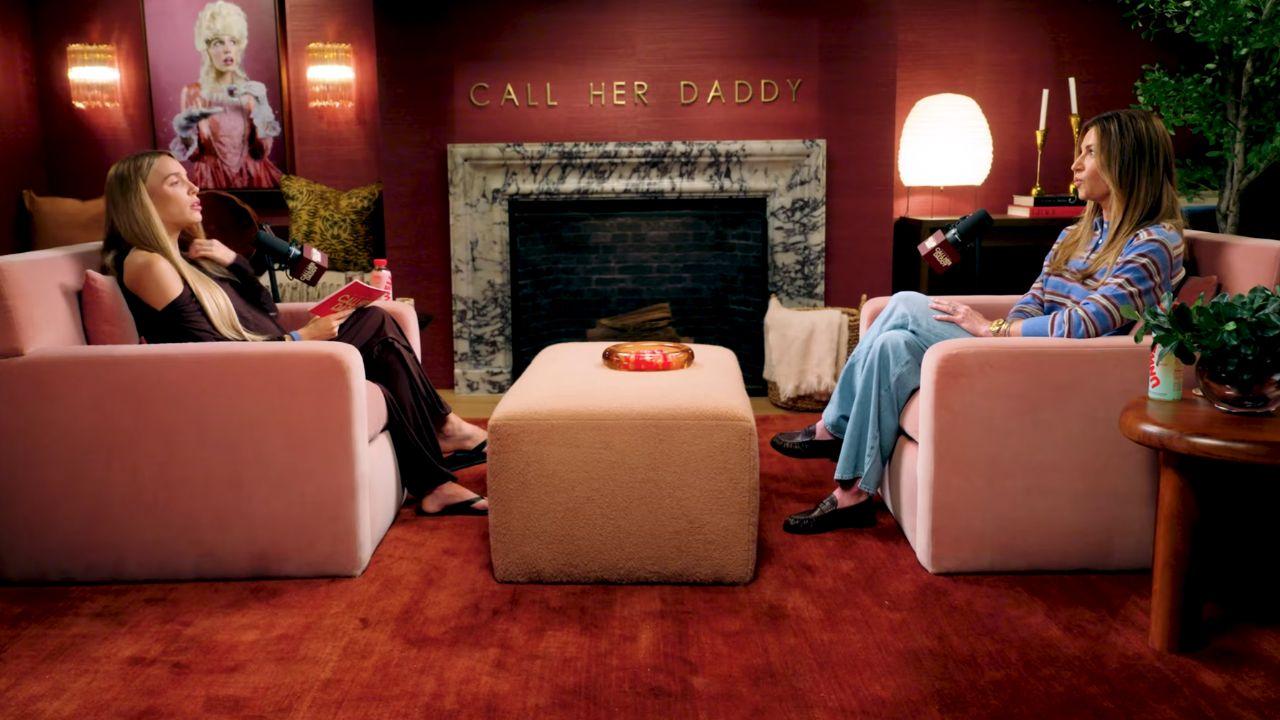
Andrews drew a parallel to another incredibly challenging period in her life, revealing how work again served as a crucial coping mechanism. She recalled being diagnosed with cervical cancer and undergoing "a pretty evasive surgery." Despite medical advice to rest and avoid the field due to physical limitations, she insisted on returning. "This is my safe space. So, that’s how I dealt. I threw myself right back into work," she explained. This pattern highlighted her innate ability to find strength and purpose in her professional commitments, even when confronted with deeply personal crises.
The Erin Andrews nude video scandal sparked widespread public discourse about privacy in the digital age, the pervasive threat of stalking, and the insidious nature of online harassment. It forced a critical re-evaluation of security protocols in hotels and spurred broader conversations about victim-blaming and the immense pressure placed on public figures. Andrews’ courage in pursuing legal action and her willingness to openly discuss her trauma transformed her into an accidental but powerful advocate for privacy rights and a voice for countless individuals who have experienced similar violations. Her story continues to resonate as a stark reminder of the vulnerabilities inherent in modern life and the enduring strength required to overcome such profound adversity.