Meteorologists across the continent issued urgent alerts Thursday as a relentless heatwave intensified, pushing temperatures toward 40 degrees Celsius in Spain and triggering the expansion of rare "extreme heat" warnings across large swaths of England. The current weather patterns have placed more than 135 million people under high-temperature advisories, as the multi-day thermal event continues to strain European infrastructure, agricultural sectors, and public health systems.
In the United Kingdom, the Met Office confirmed that the current heatwave has already broken significant historical records. By midday on Thursday, thermometers in Charlwood, Surrey, reached 36.4C, while Wisley recorded 35.1C. Several other monitoring stations, including those at Westonbirt in Gloucestershire and Heathrow in West London, reported temperatures exceeding 34C. This marks the ninth day in 2026 that England has seen temperatures rise above the 35C threshold, extending a record-breaking streak that has alarmed climate scientists and government officials alike.
The Met Office has responded to the escalating conditions by expanding its rare amber "extreme heat" warning. Initially covering southern and central regions, the alert now encompasses North West England, including Greater Manchester and Cheshire. The warning also extends into the south-west counties of Gloucestershire and Wiltshire, as well as western areas like Shropshire and Herefordshire. Forecasters warned that the mercury could climb as high as 38C in some parts of the country, potentially making Thursday the hottest day of the year.
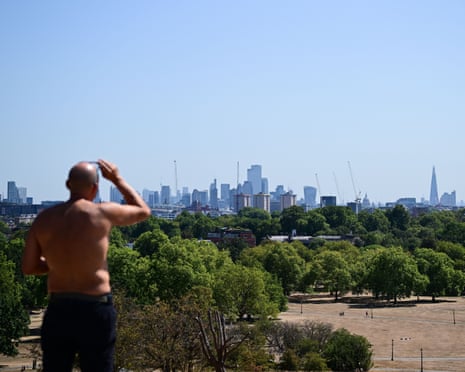
Escalating Conditions and the Europe Heatwave Live Impact
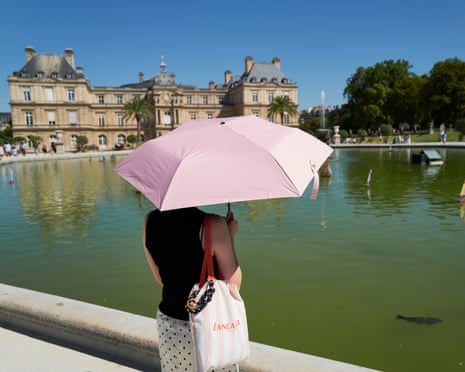
The geographic scope of this thermal event is unprecedented in recent history. Beyond the British Isles, France is currently enduring its 17th consecutive day of extreme temperatures, making this the third-longest heatwave ever recorded in the country. Major urban centers such as Paris, Bordeaux, and Nantes are seeing temperatures between 36C and 38C, with no significant relief expected until the weekend. The prolonged nature of the heat has created a "heat dome" effect, trapping warm air over Western Europe and preventing the arrival of cooler Atlantic fronts.
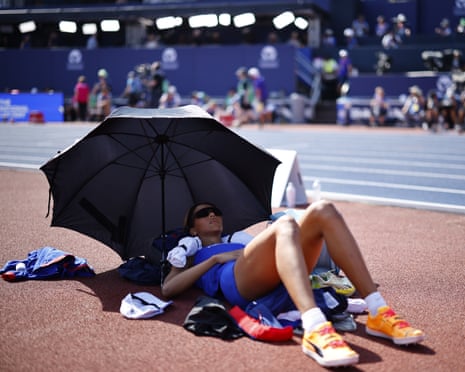
Public health officials have warned that the duration of the heatwave is as dangerous as the peak temperatures. When nighttime temperatures fail to drop sufficiently, the human body is unable to recover from daytime thermal stress. This is particularly hazardous for vulnerable populations, including the elderly, young children, and those with pre-existing respiratory or cardiovascular conditions. In London and Paris, emergency services have reported an uptick in heat-related callouts, prompting local municipalities to open "cool rooms" and increase social outreach programs.
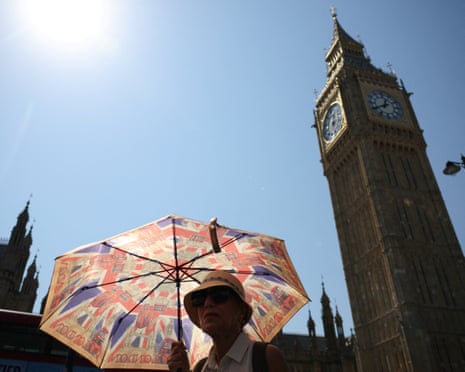
The logistical impact of the Europe heatwave live is becoming increasingly visible in the transport sector. In the UK, Met Office forecaster Alex Burkill noted that national infrastructure, particularly railway lines and road surfaces, was not designed to withstand sustained temperatures nearing 40C. "That’s when we could see impacts to our infrastructure," Burkill said. "Our railway lines and our roads are not designed for this sort of heat, and we are seeing more people impacted with regards to their health."
Infrastructure Failures and Energy Security Concerns
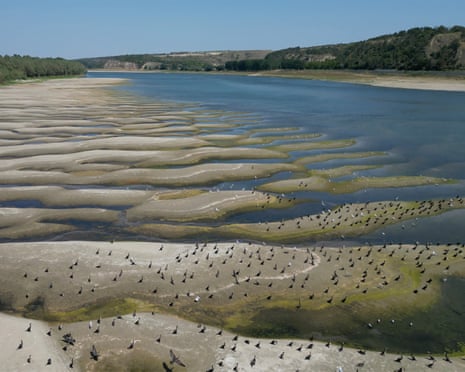
The heatwave has moved beyond a meteorological crisis to become a significant threat to European energy security. In Romania, authorities have begun a complete shutdown of the Cernavoda nuclear power plant, the country’s only nuclear facility. The decision follows a record-breaking drop in the water levels of the Danube River, which is used to provide essential cooling for the plant’s two reactors.
Nuclearelectrica, the national nuclear energy company, had already deactivated one reactor last month as a precautionary measure. However, the "significant and ongoing drop" in the Danube’s flow forced the closure of the second unit this week. This shutdown is a major blow to the Eastern European nation’s grid, as the Cernavoda plant typically generates approximately 20 percent of Romania’s total electricity.
The Romanian navy has attempted desperate measures to keep the water flowing, including the use of explosives to clear rocks and the sinking of rock-filled barges to divert the remaining river current toward the plant’s intake valves. Despite these efforts, the drought conditions have proven too severe to overcome. The situation in Romania mirrors broader concerns across the continent, where low river levels are affecting everything from hydroelectric output to the transport of coal and fuel on major waterways like the Rhine and the Loire.
Wildfires and the Crisis of Arid Landscapes
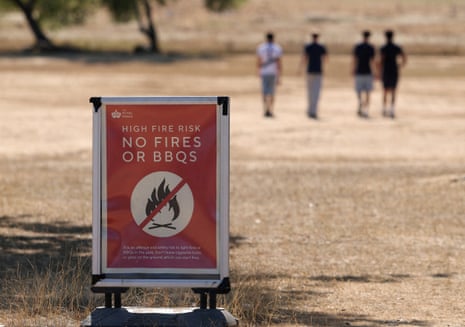
The combination of extreme heat and a lack of rainfall has turned much of the European landscape into a tinderbox. In England and Wales, the number of wildfires recorded in 2026 has already reached 1,017, matching the record-breaking total for the entire previous year with several months still remaining in the season. The National Fire Chiefs Council (NFCC) reported that fire crews are being stretched to their limits as they battle blazes on parched heathlands and in dried-out woodlands.
In response to the wildfire threat, UK government officials are considering a national ban on disposable barbecues. These low-cost, portable grills have been identified as the primary cause of several major blazes, including a significant woodland fire in Macclesfield and multiple grass fires in Feltham, near London. Officials noted that disposable barbecues can reach temperatures of 450C and can continue to smolder for hours after use, even if buried under sand or soil.

"Any plan for growth that does not put climate first, or at the very least on an equal footing, can only undermine the future it claims to protect," said Sir David King, chair of the Climate Crisis Advisory Group and former chief scientific adviser to the UK government. King described the current conditions as "shattering" and warned that Europe is currently only in the "foothills" of the climate challenges that lie ahead. He urged political leaders to maintain their commitment to net-zero targets, arguing that climate action is an economic necessity rather than a luxury.
Agricultural Strain and Drought Expansion
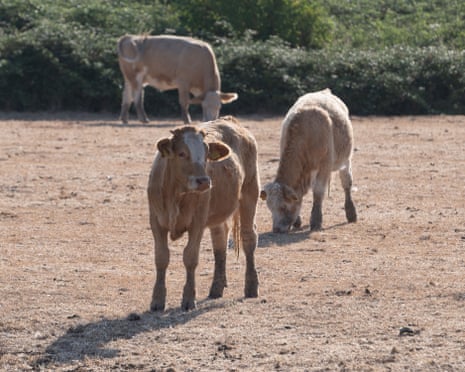
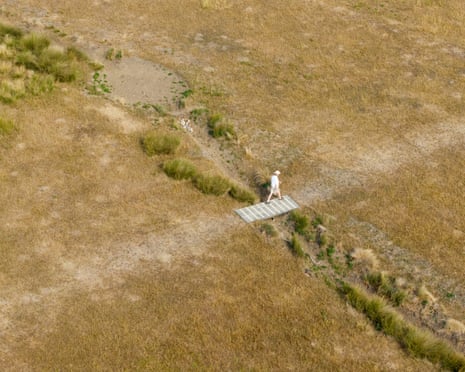
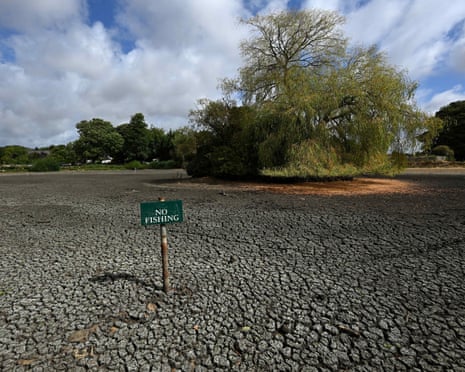
The agricultural impact of the Europe heatwave live is reaching a critical point. Nearly three-quarters of England and the entirety of Wales are now officially in drought conditions. In rural Buckinghamshire and Birmingham, livestock are struggling to graze on "non-existent grass," with farmers forced to use winter feed reserves months ahead of schedule. The Loire River in central France has reached such low levels that in some areas, the riverbed is completely exposed, disrupting local ecosystems and irrigation for vineyards.
The economic consequences for the farming industry are expected to be severe. Crop yields for staples such as wheat and corn are projected to drop significantly, which could lead to a spike in food prices across the European Union. Furthermore, the lack of water has led to the imposition of hosepipe bans and restrictions on non-essential water use in dozens of UK regions and over 80 French departments.
The intersection of these crises—energy, agriculture, and public health—has forced a reckoning regarding urban planning and climate adaptation. Architects and city planners are increasingly calling for "green infrastructure" solutions, such as increased tree canopies and heat-reflective building materials, to mitigate the urban heat island effect that has made cities like Paris and London almost unbearable during the current peak.
Geopolitical Shifts and Cultural Events
Even as the continent grapples with the climate emergency, other major European events are moving forward with new considerations. The European Broadcasting Union (EBU) announced that the Black Sea resort city of Burgas, Bulgaria, has been selected to host the 2027 Eurovision Song Contest. The announcement comes after Bulgaria’s entry, DARA, won the 2026 competition in Vienna.
However, the EBU has also introduced significant reforms to its hosting rules in response to recent geopolitical instability. Under the new regulations, winning the contest no longer automatically guarantees a country the right to host the following year. If a winning nation is involved in an armed conflict or a sensitive geopolitical situation that threatens the security and stability of the region, the EBU reserves the right to move the event to a neutral location. This move follows the controversies surrounding the 71st annual competition and protests from several member nations regarding international conflicts.
Future Outlook and Adaptation Strategies
As the Europe heatwave live continues through the week, the immediate focus remains on life safety and infrastructure preservation. While temperatures are expected to begin a gradual decline by the weekend, the long-term forecast suggests that the frequency and intensity of such events will only increase. Climate scientists emphasize that the "rare" warnings seen this week may become the standard for European summers by the mid-2030s.
Government agencies are now shifting toward more permanent adaptation strategies. This includes upgrading the cooling systems of power plants to withstand higher ambient water temperatures and redesigning rail networks with stress-tolerant steel alloys. In the UK, the debate over disposable barbecues is expected to evolve into broader legislation regarding the management of public lands during high-risk periods.
For now, residents across Spain, France, and England are being advised to remain indoors during peak sun hours, maintain high levels of hydration, and monitor the health of elderly neighbors. As the sun sets on another record-breaking day, the "solar inferno" serves as a stark reminder of the shifting climate reality facing the European continent.