A former legal counsel to the Trump White House, Ty Cobb, has voiced strong criticism regarding President Donald Trump’s ongoing $400 million renovation of the executive mansion, asserting that the historic structure is being transformed into a "combination of a whorehouse and Las Vegas." The scathing remarks from Cobb, once a White House insider, underscore a deepening divide between the former allies and highlight concerns over the extensive architectural modifications approved by a recent Supreme Court decision.
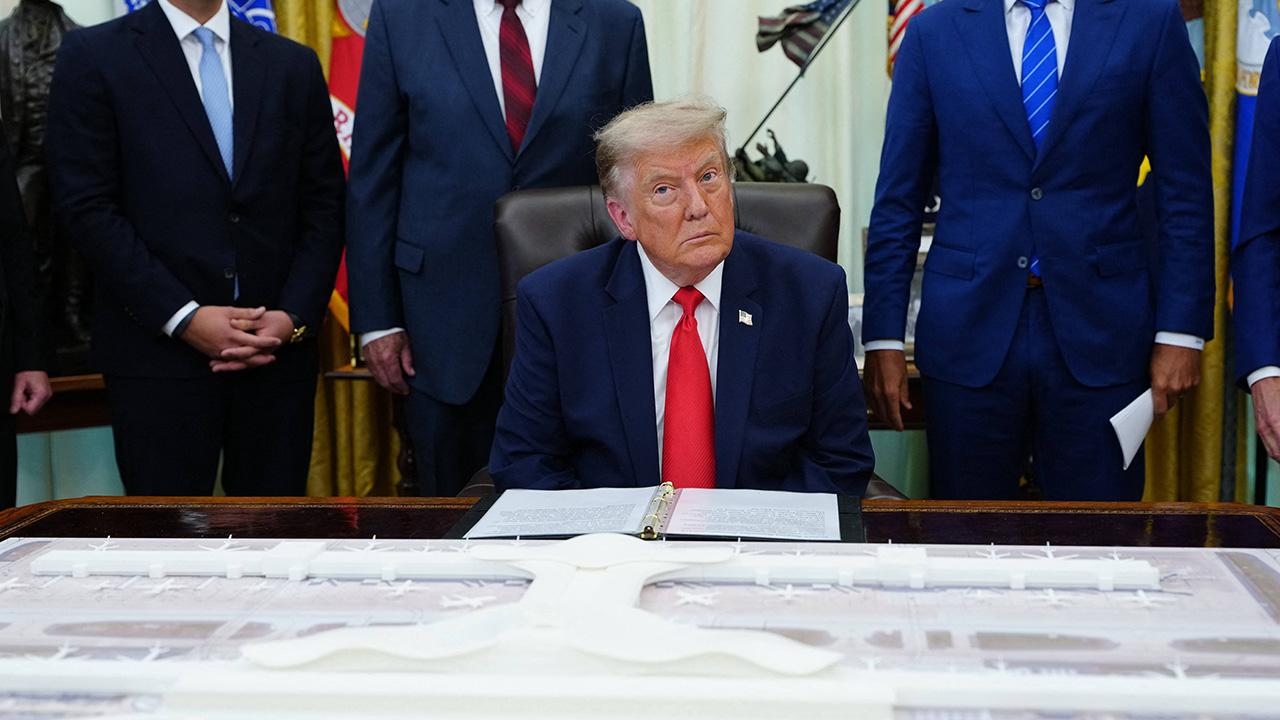
The controversy centers on a massive construction undertaking at the White House complex, spearheaded by President Trump. This ambitious project, with an estimated cost of $400 million, includes a new 90,000-square-foot ballroom, which significantly surpasses the 55,000-square-foot footprint of the historic main residence. Beyond the sheer scale, the planned alterations encompass a "Mar-a-Lago-style patio" replacing the traditional Rose Garden lawn, the demolition of the Jacqueline Kennedy Garden, and the installation of a helipad on the South Lawn. These changes have ignited a fierce debate among preservationists, political observers, and the public about the sanctity of the nation’s most iconic residence.
The Supreme Court’s Pivotal Ruling and Roberts’ Dissent

The path for these controversial renovations was cleared by a narrow 5-4 Supreme Court decision. The high court ruled that the National Trust for Historic Preservation, a leading advocacy group, likely lacked the legal standing necessary to block the project. This procedural victory for the Trump administration effectively removed a significant legal hurdle, allowing construction to proceed despite widespread objections from architectural and historical conservation communities.
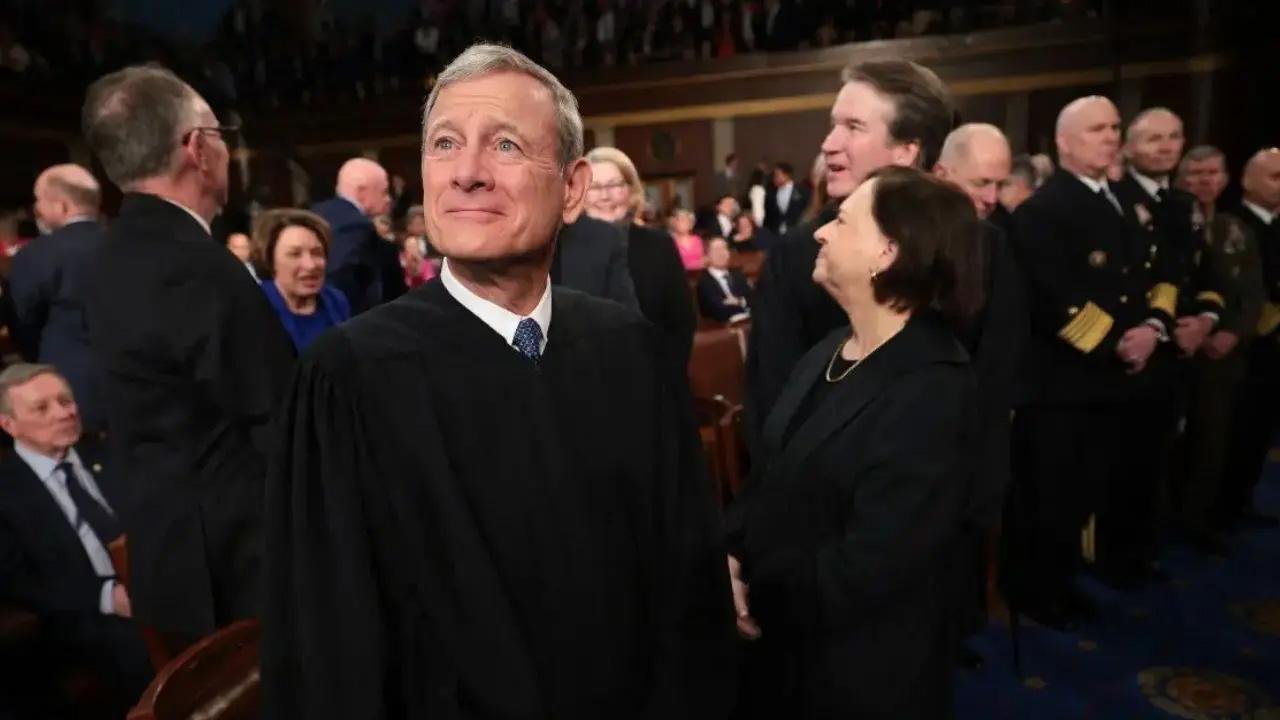
Notably, Chief Justice John Roberts broke ranks with the conservative majority, joining the three liberal justices in dissent. In his written opinion, Roberts emphasized the profound symbolic value of the White House, stating, "The White House is an iconic American building whose symbolism and history are wrapped up in its architecture." This non-legal, yet deeply resonant, statement from the Chief Justice underscored the broader cultural and historical implications of the renovation, suggesting that the building’s physical form is inseparable from its national identity and heritage.
Cobb’s Scathing Critique: "Tragic What’s Going On"
Ty Cobb, who served as a special counsel to President Trump, articulated his dismay during an appearance on CNN’s OutFront with Erin Burnett. Burnett highlighted Chief Justice Roberts’ poignant observation, prompting Cobb to agree wholeheartedly. "Yeah, very much so," Cobb responded. "I mean, it certainly touched me because, as somebody who had spent a lot of time in the White House and in or about the grounds, you know, it was a beautiful setting and a historic setting."

Cobb then delivered his blunt assessment of the ongoing transformation, lamenting the "heavy use of gold and paving" and describing the evolving aesthetic as a blend of a "whorehouse and Las Vegas." He concluded, "So, it’s tragic what’s going on. But sadly, it’s gonna continue, at least for the time being." His comments reflect a profound sense of loss for the traditional character of the White House, which he perceives as being eroded by what he views as an ostentatious and historically insensitive makeover.
The Historical Significance of the White House and Preservation Efforts
The White House, designed by James Hoban and completed in 1800, stands as one of America’s most recognizable symbols. Over two centuries, it has served as both the official residence and principal workplace of the President of the United States. Its architecture, a blend of neoclassical and Palladian styles, has remained largely consistent, with careful renovations and additions always striving to maintain its historical integrity. Presidents have historically approached modifications to the executive mansion with a deep respect for its legacy, often consulting with historical societies and architects to ensure changes are in keeping with its iconic status.
Organizations like the National Trust for Historic Preservation play a critical role in advocating for the protection of such national treasures. Their efforts often involve legal challenges, public awareness campaigns, and collaboration with government agencies to ensure that alterations to historically significant structures are undertaken responsibly. The Supreme Court’s ruling, which dismissed their standing, has raised concerns within the preservation community about the future ability of such groups to safeguard federal historic sites from substantial, potentially irreversible, modifications.
Expanding the White House Footprint: Details of the $400 Million Project
The sheer scale and cost of President Trump’s White House renovation project have drawn particular scrutiny. A $400 million budget for architectural modifications is unprecedented in modern presidential history. The centerpiece, a 90,000-square-foot ballroom, would dramatically alter the functional and aesthetic dynamics of the White House complex. Critics argue that such an expansive addition would overwhelm the existing historic structures and fundamentally change the perception of the executive residence from a symbol of republican modesty to one of opulent grandeur.
Further details of the project have fueled the controversy. The proposed replacement of the iconic Rose Garden lawn with a "Mar-a-Lago-style patio" evokes comparisons to President Trump’s private Florida estate, raising questions about the personalization of a national monument. The Rose Garden, established in its current form by President John F. Kennedy and further refined by subsequent administrations, has been the backdrop for countless historic speeches, press conferences, and diplomatic events. Its alteration is seen by many as disrespecting decades of presidential tradition and aesthetic continuity. Similarly, the demolition of the Jacqueline Kennedy Garden, another historically significant green space, and the installation of a helipad on the South Lawn, raise practical and symbolic concerns about functionality versus preservation.
Ty Cobb’s Shift from Insider to Fiercest Critic
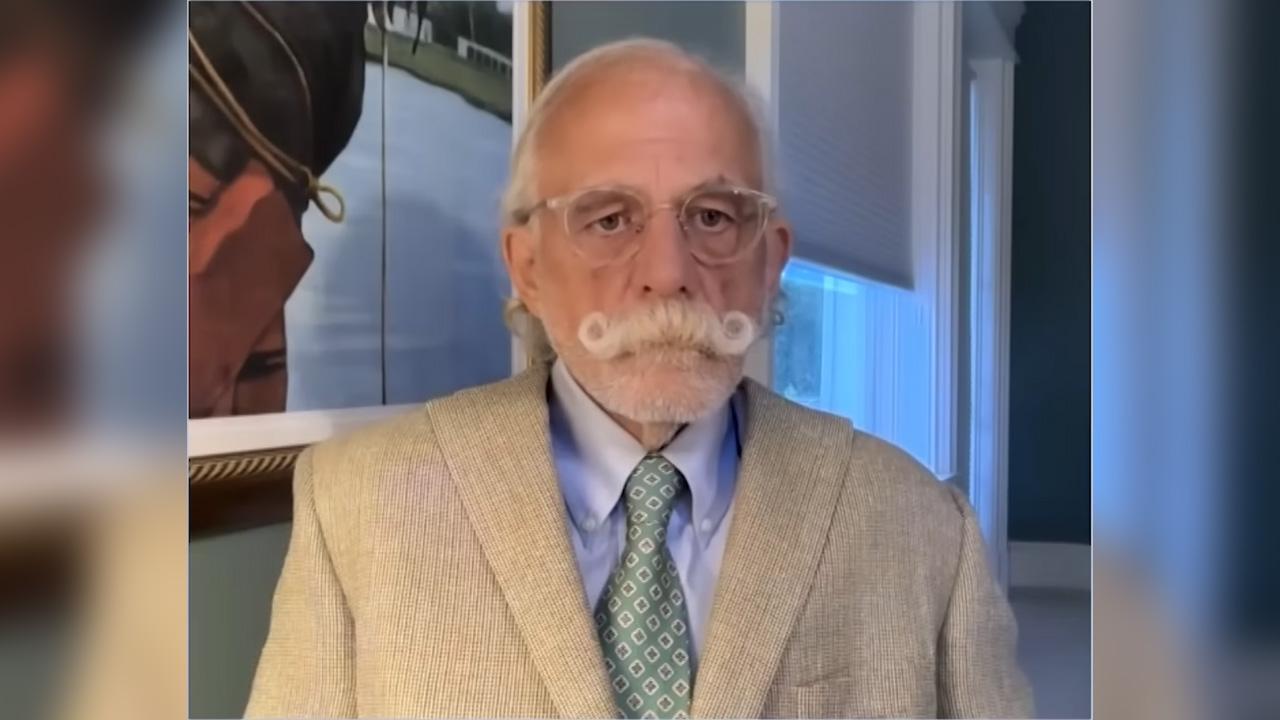
Ty Cobb’s transition from a White House insider to one of President Trump’s most vocal and "fiercest public critics" is a narrative arc that has become increasingly common among former administration officials. During his tenure as special counsel, Cobb was known for his efforts to cooperate with the Mueller investigation and maintain a degree of institutional normalcy. His post-administration commentary, however, reveals a profound disillusionment with the former president’s conduct and character.
Cobb has not shied away from using strong language, publicly branding President Trump as "evil" and "clearly insane." These characterizations are often accompanied by specific observations, such as Trump’s habit of posting "unhinged memes" in the early hours of the morning and reports of him falling asleep in meetings. Cobb has gone further, citing these behaviors as "medical indicators" of "frontal lobe illness," raising serious concerns about the president’s cognitive fitness. His warnings about a potential second term under Trump lacking "guardrails" suggest a fear of unchecked executive power and a disregard for democratic norms and institutions.
Broader Implications for Presidential Legacy and Democratic Stability
The White House renovation project and Cobb’s pointed criticisms converge on broader implications for presidential legacy and the stability of American democracy. President Trump’s approach to the executive mansion, characterized by personal aesthetic preferences and a willingness to override traditional preservation concerns, prompts questions about the limits of presidential authority over national symbols. How much can a president reshape a monument that belongs to all Americans? The debate over the $400 million renovation extends beyond architecture; it touches on the very identity of the presidency and the nation.
Furthermore, Cobb’s stark warnings about Trump’s mental state and the future of American democracy introduce a layer of profound political anxiety. When asked by journalist Mehdi Hasan whether American democracy would "survive" until 2028, Cobb offered an even more dire prediction: "I’m not sure they survive it in 2026." This statement, coming from a former top White House lawyer, underscores a deep concern about the potential for democratic erosion under a leadership he views as increasingly erratic and unconstrained. The juxtaposition of physical alterations to the White House with warnings about the fragility of democratic institutions paints a troubling picture of the current political landscape.
The ongoing construction, now fortified by the Supreme Court’s decision, represents a physical manifestation of a broader ideological struggle. As cranes dominate the White House skyline and gold accents reportedly proliferate, the debate over presidential authority, the preservation of national heritage, and the future of American governance continues to intensify. The "tragedy" Cobb laments is not merely an architectural one but a symbolic battleground over the nation’s identity and its most cherished institutions.