Princess Diana’s final day, August 30, 1997, was a tragic sequence of events marked by relentless media pursuit, shifting plans, and ultimately, a high-speed car crash in Paris that claimed her life and the lives of two others. This detailed account, unfolding minute by agonizing minute, reveals the poignant last hours of the "People’s Princess" as her family and friends prepare to mark what would have been her 65th birthday.
Background to a Fateful Day
Diana, Princess of Wales, had captivated the world with her compassion, grace, and unique ability to connect with ordinary people, earning her the moniker "the People’s Princess." Following her divorce from Prince Charles in 1996, her life remained intensely scrutinized, particularly her burgeoning relationship with Egyptian film producer Dodi Al Fayed. The public and media alike were fascinated by her every move, creating an environment of constant surveillance that would dramatically impact her final moments.
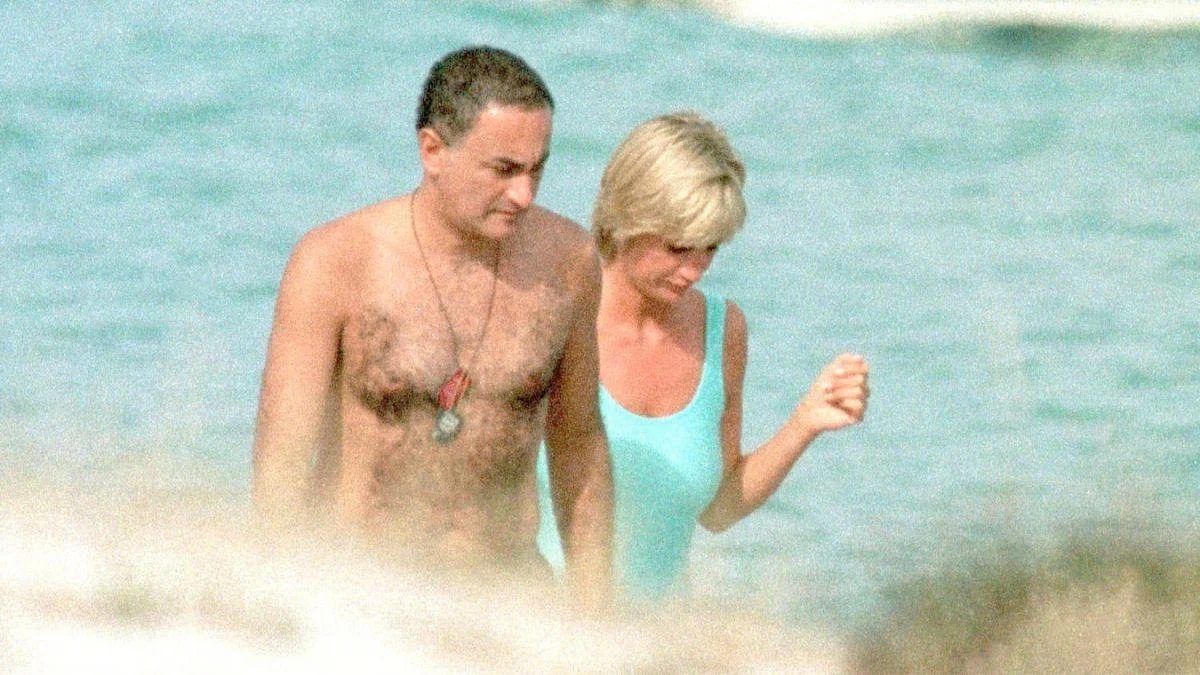
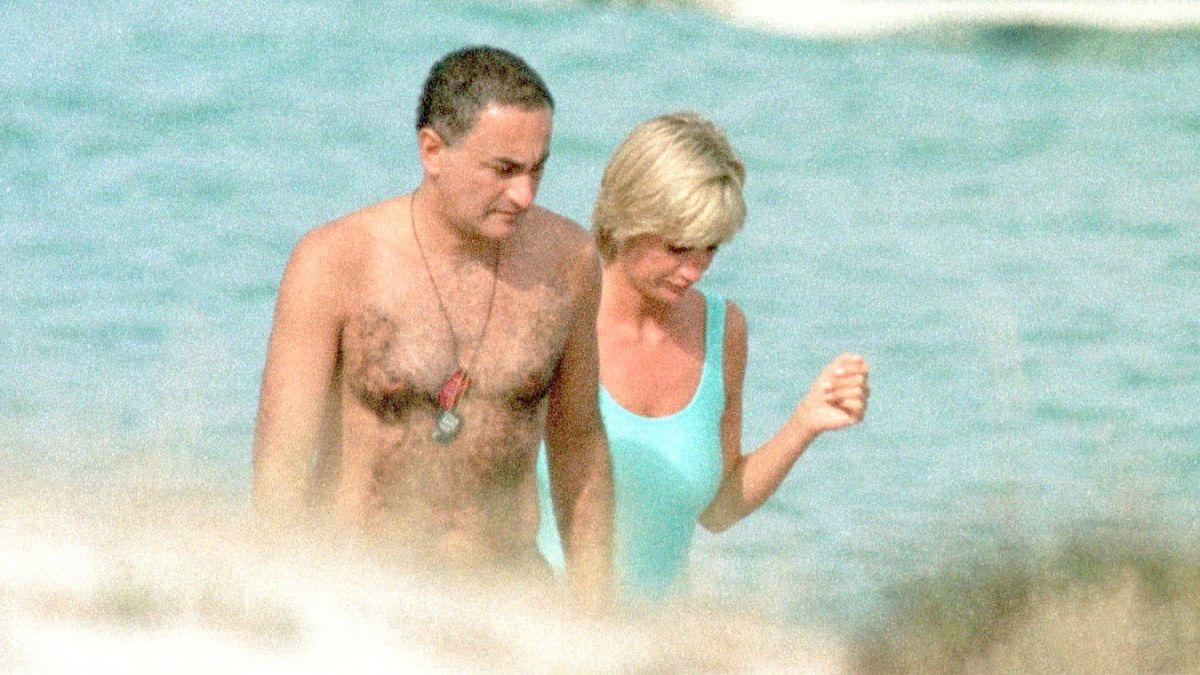
The summer of 1997 saw Diana and Al Fayed enjoying a Mediterranean cruise on his yacht, the Jonikal. This period was heavily documented by paparazzi, whose omnipresence became a defining, and ultimately fatal, characteristic of their time together. Their decision to fly to Paris on August 30 was intended as a brief stop before Diana was to return to London, eager to reunite with her sons, Princes William and Harry.
The Final Day Unfolds: A Minute-by-Minute Account
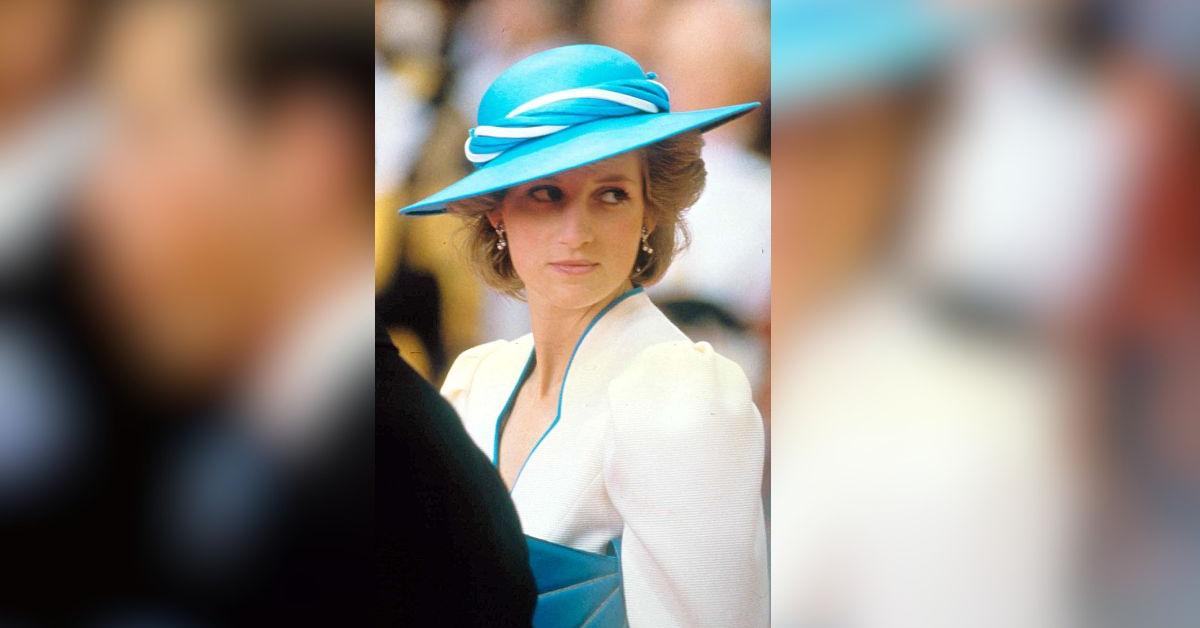
The day began quietly, a stark contrast to its tumultuous end. At 8 a.m. on Saturday, August 30, 1997, Diana, then 36, was aboard the Al Fayed yacht off the coast of Sardinia. She enjoyed a light breakfast of fruit and orange juice, a seemingly serene start to what would become a day of mounting pressure.
Speaking with butler René Delorm, Diana expressed her eagerness to return home to her sons, Prince William, then 15, and Prince Harry, then 12. Her maternal longing underscored her desire for normalcy amidst her extraordinary life. At 11 a.m., she made plans to meet friend Susie Kassem in London on the following Monday, a testament to her hopes for a future she would never see.
Arrival in Paris and Escalating Scrutiny
The journey from Sardinia to Paris commenced at 1:50 p.m. as Diana and Al Fayed departed Olbia aboard his Gulfstream jet. Their arrival at Le Bourget Airport in Paris at 3:20 p.m. immediately signaled an increase in media attention. The British Embassy had not been informed of Diana’s arrival, a detail that later raised questions about security protocols.
Upon landing, their convoy was instantly swarmed by photographers on scooters, a precursor to the relentless pursuit that would characterize the rest of the day. This immediate ambush set a tense tone, forcing Diana and Al Fayed to navigate a city under intense photographic siege.
The Ritz and Abandoned Plans

At 3:47 p.m., Diana and Al Fayed made a brief stop at the Villa Windsor, a historic residence associated with British royalty, before arriving at the iconic Ritz Hotel at 4:30 p.m. Inside the opulent Imperial Suite, Diana’s plans for a relaxed afternoon were quickly dashed. Assistant Claude Roulet approached her, asking how she preferred to be addressed. Her simple reply, "Just call me Diana," highlighted her desire for a more personal connection, a longing for a life beyond rigid royal formality.
The presence of photographers crowding outside the hotel forced Diana to abandon her plans for a shopping excursion. This constant invasion of privacy was a recurring theme in her life and had now confined her within the walls of the Ritz.
Personal Reflections and Urgent Calls
The afternoon offered glimpses into Diana’s emotional state. At 4:50 p.m., she telephoned her medium, Rita Rogers, who later informed police that "There was no talk of marriage or engagement (between her and Dodi)." This detail contradicted swirling public speculation about her relationship with Al Fayed, suggesting a more complex, perhaps less defined, bond than many assumed.
Around 5:45 p.m., Dodi Al Fayed visited the prestigious Repossi jewelry store to examine rings, further fueling engagement rumors, despite Rogers’s account. Meanwhile, Diana placed a call to journalist Richard Kay, a trusted confidant. During their conversation, she expressed a profound weariness with her public life and the constant struggle for acceptance. "But I sometimes wonder, what’s the point? Whatever I do, it’s never good enough for some people," she reportedly lamented, revealing the deep emotional toll of her global fame.
Minutes later, in a call that would become heartbreakingly significant, Diana spoke briefly to her sons, William and Harry, who were at the royal estate in Balmoral, Scotland. This final exchange with her children, whom she adored above all else, was a poignant moment of maternal connection on what would be her last day.
A Desperate Attempt to Evade Pursuit
As evening approached, the pressure intensified. At 7 p.m., Diana and Dodi left the Ritz for Al Fayed’s apartment, hoping for a private dinner at Chez Benoit. However, their convoy was once again pursued by photographers, forcing them to abandon their plans. The relentless chase made a normal, intimate meal impossible, driving them back to the perceived sanctuary of the Ritz.
By 9:45 p.m., they had returned to the hotel, where Al Fayed angrily confronted his security team, exasperated by the persistent paparazzi. The situation was spiraling, and a new strategy was desperately needed. Henri Paul, the hotel’s head of security, was tasked with driving them. Later investigations revealed that Paul had been drinking and had taken prescription medication, a critical detail that would contribute to the impending tragedy.
Near midnight, Al Fayed approved a revised plan: to use a different car and leave through the Ritz’s rear entrance, hoping to evade the photographers gathered at the main entrance. The vehicle would carry Diana, Al Fayed, Paul, and bodyguard Trevor Rees-Jones, then 29.
The Tragic Crash in the Pont de l’Alma Tunnel
At 12:19 a.m. on August 31, the black Mercedes S280 accelerated away from the Ritz. Henri Paul, defiant, reportedly called out to the trailing photographers, "Don’t try to follow, you will never catch us!" His words, intended as a challenge, became a chilling prophecy of the catastrophic events that followed.
Traveling at an estimated 85 mph in a 30 mph zone, the car entered the Pont de l’Alma tunnel. At 12:23 a.m., it struck the tunnel’s 13th pillar. The impact was devastating. Dodi Al Fayed and Henri Paul were killed instantly. Trevor Rees-Jones, the only survivor of the crash, sustained life-changing injuries.
Diana, gravely hurt but still conscious, lay in the wreckage. Her whispered words, "My G—," were among her last, a faint utterance in the chaos.
A Desperate Fight for Life
The scene in the tunnel was one of immediate and frantic activity. At 12:24 a.m., a passing doctor stopped to provide aid, giving Diana oxygen as emergency crews rushed to the site. Firefighters carefully covered her with a blanket while medics worked tirelessly to stabilize her.
At 1 a.m., as Diana was being removed from the twisted wreckage, her heart stopped. Eighteen harrowing minutes of resuscitation efforts managed to restore a more regular rhythm, allowing for the slow and precarious journey to Pitié-Salpêtrière Hospital.
En route, her heart stopped again, was restarted, and then failed for a third time. Upon arrival at the hospital, surgeons discovered a severely torn pulmonary vein, a critical injury. Despite the best efforts of medical professionals, Diana’s injuries were too extensive. At 4 a.m., Princess Diana was pronounced dead, just before the first rays of dawn touched Paris on what became known globally as "the day the world wept."
Global Mourning and Enduring Legacy
The news of Princess Diana’s death sent shockwaves across the globe, plunging millions into profound grief. The outpouring of public sorrow was unprecedented, with floral tributes piling meters high outside Kensington Palace and Buckingham Palace in London. Her passing triggered a period of national mourning and introspection in Britain, challenging the stoic traditions of the monarchy and forcing a reevaluation of the relationship between the royal family, the media, and the public.
The circumstances of her death ignited intense debate about paparazzi ethics and the invasive nature of celebrity journalism, leading to calls for greater privacy protections. Investigations into the crash continued for years, examining everything from Paul’s driving to mechanical failures, but ultimately concluded that the accident was a result of Paul’s impaired driving and excessive speed, exacerbated by the paparazzi pursuit.
Princess Diana’s legacy endures, characterized by her groundbreaking humanitarian work, her championing of marginalized causes, and her transformative impact on the royal family’s public image. Her sons, Princes William and Harry, continue to honor her memory through their charitable endeavors and public advocacy, ensuring that the "People’s Princess" remains a powerful and beloved figure in global consciousness, particularly as her 65th birthday approaches. Her tragic final day remains a stark reminder of the immense pressures she faced and the profound loss felt by countless admirers worldwide.