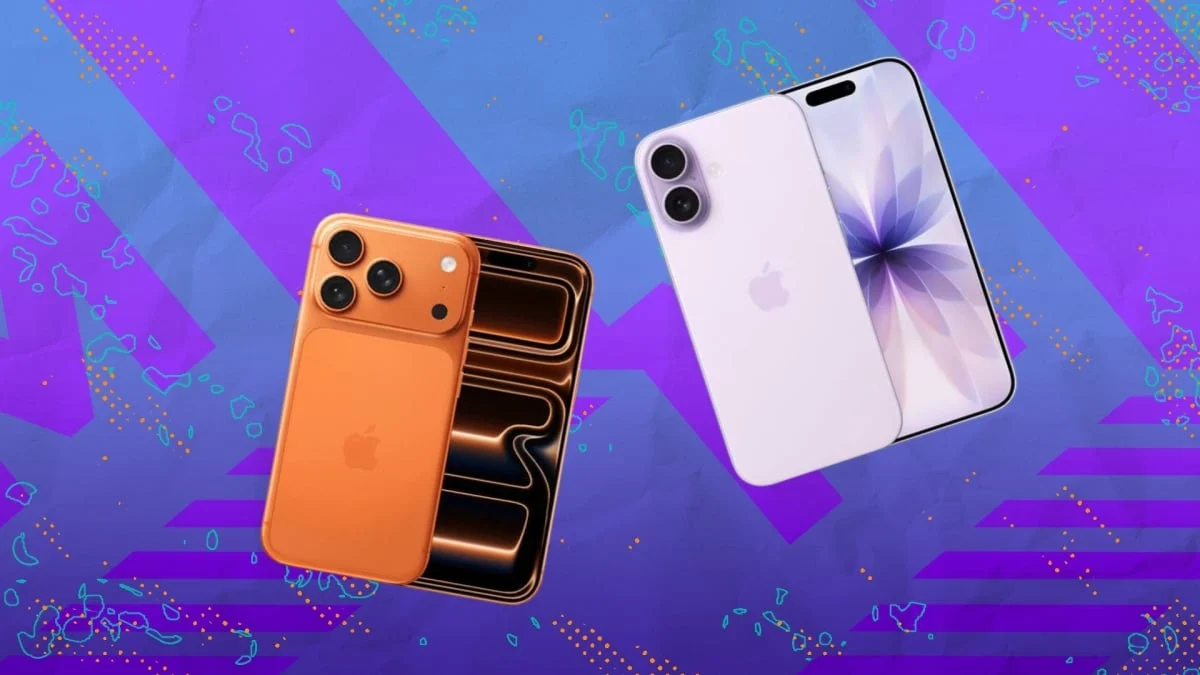
T-Mobile has launched a high-stakes promotional campaign offering the Apple iPhone 17 for free to new and existing customers, a move that comes as the telecommunications industry grapples with rising hardware costs and intensifying competition. The Bellevue-based carrier is providing two primary pathways for consumers to secure the latest flagship device without an upfront purchase price, provided they meet specific service plan and trade-in requirements. This limited-time offer highlights a strategic pivot by mobile service providers to lock in long-term subscribers as the smartphone market faces a period of transition and price volatility.
To qualify for the free iPhone 17 or iPhone 17 Pro, consumers must navigate a set of criteria that prioritize premium service tiers and customer retention. Under the first option, current T-Mobile subscribers can receive the device for free when they trade in an eligible smartphone and maintain a subscription to the carrier’s "Experience More" or "Experience Beyond" plans. For those looking to switch from a competing network, the carrier is offering the same "free" incentive to new customers who port their existing phone number and sign up for the "Experience Beyond" tier, which represents the company’s most comprehensive service offering.
The announcement coincides with a flurry of activity in the mobile sector, most notably Samsung’s recent "Galaxy Unpacked" event. During that showcase, the South Korean electronics giant unveiled three new foldable smartphones, a pair of advanced smartwatches, and a foray into smart eyewear. By launching a free iPhone 17 deal during the same window, T-Mobile is effectively attempting to divert consumer attention back toward the Apple ecosystem. This tactical timing suggests that carriers are increasingly sensitive to the hardware release cycles of major manufacturers and are willing to subsidize expensive hardware to prevent subscriber churn.
Understanding the Mechanics of the Free iPhone Deal
While the headline suggests a cost-free acquisition, the financial structure of the T-Mobile offer relies on a system of monthly bill credits rather than an outright gift. The retail value of the iPhone 17 is distributed over 24 consecutive months of billing. Each month, the customer’s statement reflects a standard financing charge for the handset, which is then neutralized by an equal credit from the carrier. This mechanism ensures that the device remains free only if the customer maintains their service agreement for the full two-year duration.
This 24-month commitment is a critical component of modern carrier strategy. If a subscriber decides to cancel their service, switch to a competitor like Verizon or AT&T, or attempts to upgrade to a future model like the iPhone 18 before the 24-month period concludes, the remaining balance on the phone’s retail price becomes due immediately. For consumers, this turns a "free" phone into a long-term contract that essentially ties their mobile service to the life of the device’s financing plan.
Beyond the monthly service fees, there are immediate out-of-pocket expenses associated with the promotion. Customers are required to pay the standard sales tax on the full retail value of the iPhone 17 at the time of purchase. Additionally, T-Mobile mandates a one-time $35 activation fee for each new line or device upgrade. Despite these secondary costs, the deal represents a significant discount for consumers who were already planning to subscribe to high-tier data plans.
The Impact of Rising Hardware Costs and "RAMageddon"
The timing of this free iPhone 17 deal is particularly notable given the current economic pressures facing the tech industry. Analysts have pointed to a phenomenon dubbed "RAMageddon," a sharp increase in the cost of random-access memory (RAM) driven by the global boom in artificial intelligence. As smartphone manufacturers integrate more sophisticated AI features directly into their hardware, the demand for high-capacity memory has surged, leading to projections of nearly 50% price increases for certain components.
These rising manufacturing costs have placed Apple and other hardware giants in a difficult position. Reports indicate that Apple is likely to adjust its pricing structures to account for more expensive internal components, making the standard retail price of the iPhone 17 higher than its predecessors. By offering the Apple iPhone 17 for free through subsidies, T-Mobile is absorbing a larger financial hit per unit than in previous years, a strategy designed to capture market share in a tightening economy where consumers are becoming more price-sensitive regarding hardware.
The shift toward more expensive internal hardware is not merely a matter of supply chain logistics; it is a fundamental change in how smartphones are built. Modern devices require more robust processing power and memory to handle on-device AI tasks, such as real-time language translation, advanced photo editing, and predictive text algorithms. As these features become standard, the "floor" for smartphone prices is rising, which may make the current T-Mobile promotion one of the last instances where a flagship device is offered with a 100% subsidy.
Strategic Requirements for the Experience Beyond Plan
To access the maximum benefits of the free iPhone deal, T-Mobile requires customers to be on its top-tier service plans, specifically "Experience More" and "Experience Beyond." These plans are designed for high-data users and often include perks such as international roaming, high-definition streaming capabilities, and generous mobile hotspot allowances. By tethering the iPhone 17 promotion to these plans, T-Mobile is increasing its Average Revenue Per User (ARPU), a key metric for investors and market analysts.
The "Experience Beyond" plan, in particular, represents the carrier’s premium ecosystem. It often bundles third-party streaming services and provides the highest priority for data speeds on the 5G network. For the carrier, the cost of giving away a free iPhone 17 is offset by the higher monthly recurring revenue generated by these premium subscriptions. This "razor and blade" business model—selling the platform at a loss to profit from the service—has become the dominant paradigm in the American telecommunications landscape.
For consumers, the decision to qualify for the deal depends on their existing data usage. Those who already pay for premium unlimited plans will find the offer to be an easy upgrade. However, for users currently on budget or "Essentials" plans, the move to a higher tier may result in a higher monthly bill that could, over 24 months, approach the cost of simply buying the phone outright.
Competitive Pressure from Samsung and the Android Ecosystem
The mobile industry is currently witnessing a period of intense rivalry between Apple’s iOS and the Android ecosystem, led by Samsung. The recent Samsung Unpacked event served as a demonstration of hardware innovation, featuring the latest iterations of the Galaxy Z Fold and Z Flip series. These foldable devices represent a different segment of the market, one where Apple has yet to compete.
T-Mobile’s decision to promote the Apple iPhone 17 for free during this period is a defensive maneuver intended to keep its subscriber base within the Apple ecosystem. While foldables are gaining traction, the traditional slab-style smartphone remains the volume leader for carriers. By offering a "free" entry point into the latest Apple hardware, T-Mobile provides a compelling alternative to consumers who might be tempted by Samsung’s new form factors but are hesitant about the higher price points and different operating systems.
The broader implications for the industry suggest a "subsidy war" may be on the horizon. If T-Mobile can successfully use the iPhone 17 to draw in new customers, competitors like Verizon and AT&T may be forced to launch even more aggressive promotions. This competition benefits the consumer in the short term through lower hardware costs, but it also reinforces the trend of long-term carrier lock-ins.
Future Outlook: The iPhone 18 and the Rumored Foldable
As with any technology promotion, the "wait or buy" dilemma looms large for consumers. Rumors within the industry, tracked by various tech outlets, suggest that Apple is already deep into the development of the iPhone 18 lineup. Expectations for the next generation include the "iPhone 18 Pro," "18 Pro Max," and a potentially revolutionary "iPhone Ultra." Most notably, there is growing speculation that Apple may finally release its first foldable device later this year or in early 2026.
This speculation puts the current free iPhone 17 deal in a specific context. For some users, the iPhone 17 represents the pinnacle of refined, traditional smartphone design. For others, the prospect of an "iPhone Ultra" or a foldable Apple device is worth the wait. However, given the rising costs of RAM and other components, there is no guarantee that the iPhone 18 will be subject to the same "free" promotional terms. If prices continue to climb, carriers may transition toward partial subsidies or longer 36-month financing terms to keep monthly payments manageable.
The iPhone 17 remains a powerhouse in the current market, featuring the latest advancements in Apple’s silicon and camera technology. For the average user, the jump from an older model to the iPhone 17 is substantial enough to justify the 24-month commitment, especially when the hardware cost is eliminated.
Conclusion of the Promotional Window
The current T-Mobile offer is marketed as a limited-time opportunity, often tied to specific sales windows such as summer promotions or back-to-school events. As the smartphone market continues to evolve, the window for securing a flagship device like the Apple iPhone 17 for free may be closing. Consumers interested in the deal are encouraged to verify their trade-in eligibility and review the specific requirements of the "Experience Beyond" plans.
As mobile carriers continue to navigate the complexities of global supply chains and high-interest environments, the structure of these deals will likely become more stringent. For now, the T-Mobile promotion stands as a significant incentive for those looking to upgrade their technology while maintaining a consistent mobile service provider. The balance between hardware innovation and service affordability remains the primary driver of the American mobile economy, with the iPhone 17 serving as the central piece in this ongoing corporate chess match.