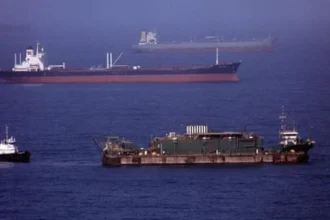
French naval forces intercepted and boarded the oil tanker Deyna in the western Mediterranean early Friday morning, following a coordinated surveillance effort involving several North Atlantic Treaty Organization (NATO) allies. The vessel, which had recently departed from the Russian port of Murmansk, was suspected of operating as part of Russia’s "shadow fleet"—a clandestine network of aging tankers used to transport oil in violation of international price caps and maritime regulations.
French President Emmanuel Macron confirmed the seizure in a strongly worded statement, characterizing the vessel and its operators as "war profiteers." Macron emphasized that while European attention is currently divided by the escalating conflict in Iran, France remains steadfast in its commitment to obstructing the financial streams supporting Russia’s military campaign in Ukraine. The president asserted that France would not allow vessels to circumvent the law of the sea to fund aggressive warfare.

Technical Deception and the Use of False Flags
The boarding operation was initiated after maritime intelligence suggested the Deyna was utilizing a "false flag" to obscure its true origins and ownership. Though the tanker was flying the flag of Mozambique at the time of the interception, French military officials confirmed that an initial inspection on the water validated suspicions regarding the ship’s registration. The vessel is currently being escorted to a secure port for a comprehensive secondary inspection and legal processing.
The French Ministry of the Armed Forces released details indicating that the operation was not a unilateral effort. British maritime surveillance assets played a critical role in tracking the Deyna as it moved through international waters toward the Mediterranean. The involvement of the United Kingdom highlights an intensifying level of cooperation among European naval powers to monitor and interdict the "shadow fleet," which has grown significantly since the imposition of G7-led oil price caps.
Maritime analysts describe the shadow fleet as a collection of hundreds of tankers, often older and underinsured, that utilize complex ownership structures to hide their links to Russian state entities. These vessels frequently engage in ship-to-ship transfers in the middle of the ocean and disable their Automatic Identification System (AIS) transponders to avoid detection. The boarding of the Deyna represents one of the most direct physical interventions by a Western navy against this network to date.

Regional Instability and the Iranian Conflict
The seizure comes at a moment of extreme volatility for European security. The mention of a "war in Iran" by French officials underscores a secondary front that is complicating the geopolitical landscape. President Macron’s insistence that the Middle Eastern crisis will not divert resources from the Ukrainian theater suggests a growing concern within the Élysée Palace that Moscow may be benefiting from the global shift in focus toward Tehran.
Geopolitical experts suggest that Russia has been leveraging regional instability to move its energy products more freely, betting that Western naval assets would be spread too thin to maintain a strict blockade. The interception of the Deyna serves as a strategic signal that the Mediterranean remains a primary zone of enforcement for the European Union and its allies.
Economic Fallout and Emergency Measures in Spain
The ripples of these maritime tensions and the broader conflict in the Middle East are being felt acutely in European domestic markets. In Madrid, the Spanish government moved on Friday to implement a sweeping package of emergency tax cuts intended to shield consumers from skyrocketing energy costs. Prime Minister Pedro Sánchez’s cabinet finalized two major decrees following a period of intense political friction within the ruling coalition.
The Spanish plan includes a significant reduction in the Value Added Tax (VAT) on fuels, dropping the rate from 21% to 10%. Additionally, the government is expected to freeze rent prices in high-demand areas and lower hydrocarbon duties. These measures are projected to reduce the price of petrol and diesel by as much as 0.40 euros per liter almost immediately.
Sánchez has been vocal in his criticism of the economic impact of the Iranian conflict, arguing that Europe’s "strategic autonomy" depends on its ability to decouple from volatile fossil fuel markets. Spain’s heavy investment in renewable energy over the last decade has left it less exposed than some of its neighbors, but the government remains wary of the social unrest that typically follows energy price spikes.
Fractures in European Unity: Belgium and Hungary
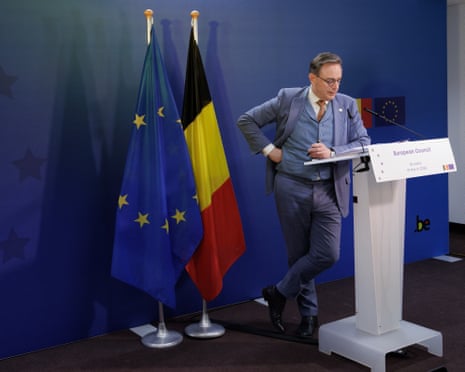
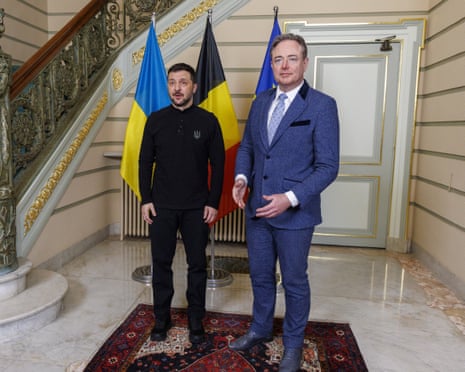
While France and the UK pursue a policy of interdiction and Spain focuses on economic mitigation, other European leaders are beginning to voice dissent regarding the long-term strategy toward Russia. Belgian Prime Minister Bart De Wever sparked controversy this week by calling for a "normalization" of relations with Moscow once the conflict in Ukraine reaches an acceptable peace settlement.

De Wever argued that Europe is "losing on all fronts" and must eventually regain access to cheap Russian energy to remain industrially competitive with the United States and China. Though he insisted his personal history and family background are "fiercely pro-Ukrainian," his comments reflect a growing pragmatism—or fatigue—among some Western European states facing a protracted economic downturn.
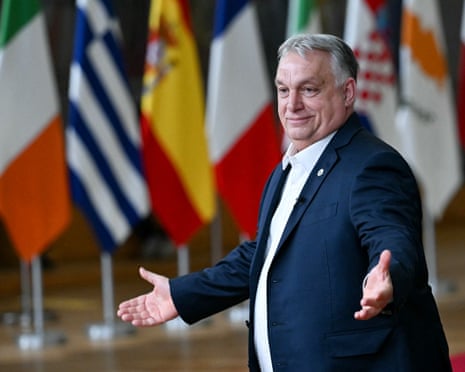
The situation is even more fractured in Central Europe. Hungarian Prime Minister Viktor Orbán remains the primary obstacle to a proposed €90 billion European Union loan for Ukraine. Orbán, who is currently facing a difficult reelection campaign, has used his platform to attack the EU’s energy strategy, calling the blockade of Russian oil "crazy" and "suicidal" for the European economy.
Orbán’s government has maintained regular contact with the Kremlin, and he recently claimed that Europe cannot survive the current energy shortage without reintegrating Russian fuel into the grid. His stance has led to accusations of "betrayal" from fellow EU members, further straining the bloc’s ability to present a unified front against Moscow’s maritime tactics.
Allegations of Human Rights Abuses in Hungary
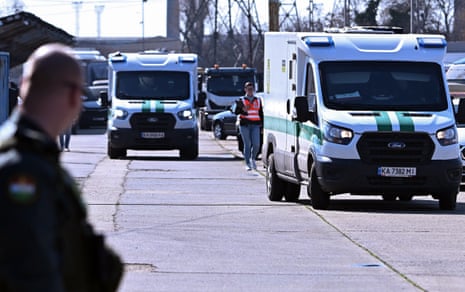
The political tension in Hungary has been further inflamed by reports of a violent encounter between Hungarian security forces and Ukrainian nationals. Sources indicate that earlier this month, Hungarian anti-terrorism police (TEK) detained seven employees of the Ukrainian state savings bank, Oschadbank, during a raid on an armored convoy. The convoy was reportedly transporting gold bars and tens of millions of dollars in cash from Vienna to Kyiv.
New allegations have emerged suggesting that at least one of the detained Ukrainians was subjected to a "forced injection" of an unknown substance during interrogation. Ukrainian security sources believe the drug was a chemical relaxant intended to act as a "truth serum," a method historically associated with Soviet-era KGB tactics. The individual, who is diabetic, reportedly suffered a hypertensive crisis and lost consciousness following the administration of the drug.
While Hungarian officials have claimed the money was destined for a "war mafia," the Ukrainian government maintains the funds were a legitimate state transfer. The incident has caused an international outcry, with legal representatives for the detainees confirming the forced medical intervention took place despite the subjects’ objections. This development adds a dark layer to the already fraught relationship between Budapest and Kyiv, occurring just as Russian-linked "election fixers" are allegedly arriving in Hungary to assist Orbán’s campaign.
Future Implications for Maritime Security
The boarding of the Deyna in the Mediterranean is expected to lead to increased legal and diplomatic friction between Paris and Moscow. Under the United Nations Convention on the Law of the Sea (UNCLOS), the right of visit and search is strictly regulated. France is likely to argue that the confirmation of a false flag provided the necessary legal basis for the seizure, while Russia is expected to denounce the move as an act of piracy.
For the global shipping industry, the incident marks a turning point. The "shadow fleet" has long been viewed as a ticking time bomb for environmental safety, as many of the vessels are not properly maintained and lack adequate spill insurance. By physically intervening, the French navy has signaled that the era of looking the other way may be ending.
As the Deyna is towed toward an undisclosed port for further investigation, the focus of European defense will remain on the intersection of the Mediterranean and the Black Sea. The ability of the West to maintain its sanctions regime depends on its willingness to enforce those rules on the high seas, even as domestic economic pressures and internal political divisions threaten to undermine the consensus.
The coming weeks will determine if this seizure was an isolated event or the beginning of a broader campaign to dismantle the maritime infrastructure that allows Russia to continue funding its operations in Ukraine. With energy prices fluctuating and elections looming across the continent, the stakes for European leaders have never been higher.