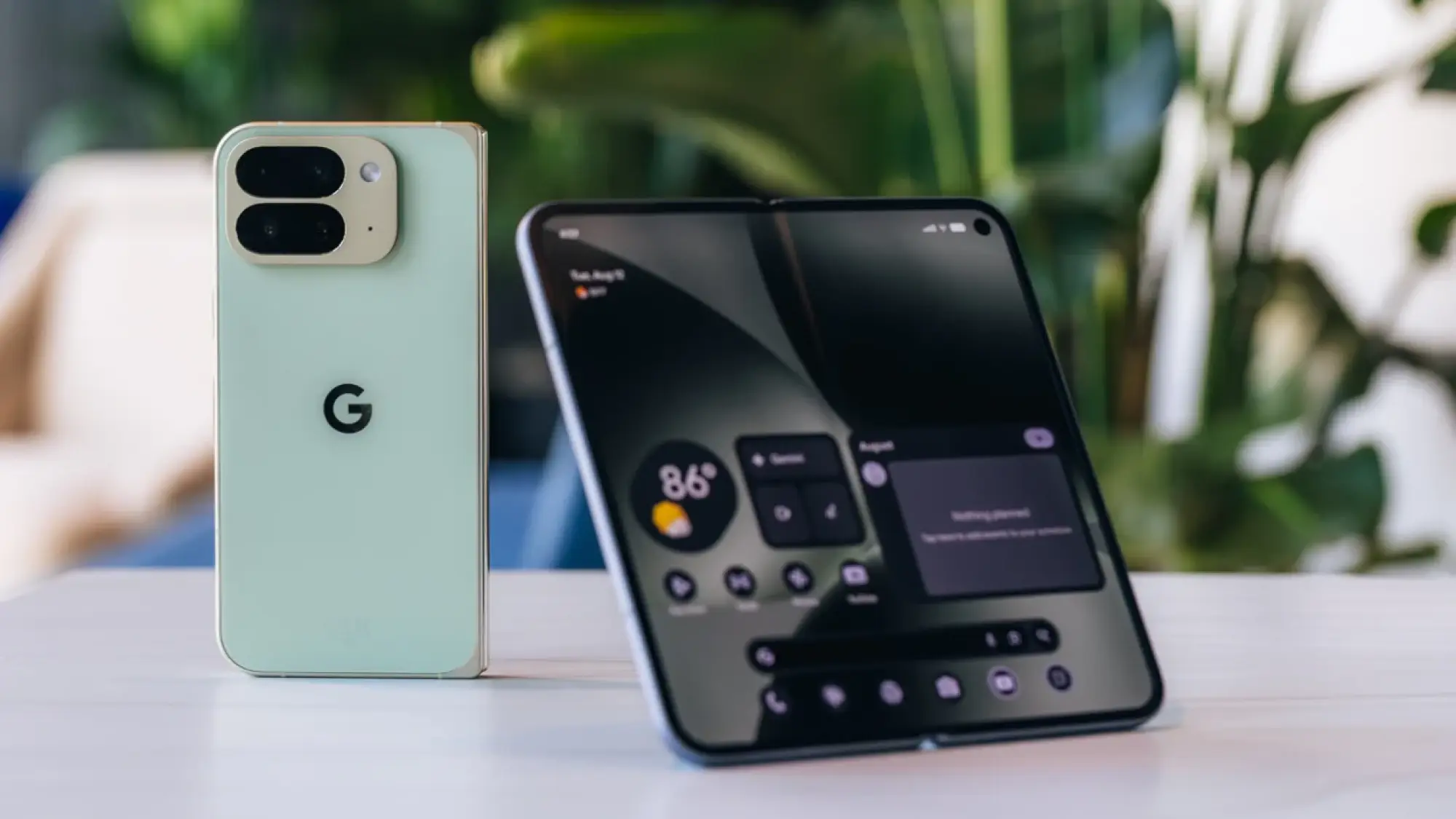
Google is set to unveil its next generation of flagship smartphones at the upcoming Made By Google event on August 12, 2026, marking a significant shift in the company’s hardware release cycle and product strategy. The technology giant confirmed the New York City-based event will serve as the official debut for the Google Pixel 11 series, which is expected to include four distinct handsets: the standard Pixel 11, the Pixel 11 Pro, a larger Pixel 11 Pro XL, and the second-generation foldable, the Pixel 11 Pro Fold. As the launch date approaches, a series of comprehensive leaks and official teasers have painted a detailed picture of what consumers can expect from the 2026 lineup, including a new visual notification system and significant adjustments to pricing structures.
The Made By Google event represents a high-profile production for the company, featuring a celebrity-heavy roster including host Trevor Noah and special guests such as NBA star Stephen Curry and podcast host Alex Cooper. This pivot toward mainstream entertainment-led marketing underscores Google’s intent to position the Google Pixel 11 not just as a tool for enthusiasts, but as a lifestyle device capable of competing with the cultural dominance of the Apple iPhone. While the event will be broadcast live from New York at 6 p.m. ET, the primary focus remains on the hardware innovations that distinguish this generation from its predecessors.
The Evolution of Design: Introducing HiLight
One of the most discussed features of the Google Pixel 11 series is a hardware-based notification system dubbed "HiLight." This feature represents a departure from the static camera bars seen on the Pixel 6 through Pixel 10 series. According to official teasers and leaked marketing materials, the Google Pixel 11 will integrate a multicolored LED module within the horizontal camera housing on the rear of the device. This module is designed to pulse or glow in various shades to alert users of incoming messages, calls, or app notifications without requiring them to view the primary display.
Industry analysts view the HiLight system as Google’s answer to the "Glyph" interface popularized by Nothing, though Google’s implementation appears more integrated into the existing brand aesthetic. By placing the notification light on the rear, Google is encouraging a "face-down" usage pattern, which has become a growing trend in digital well-being circles. The HiLight feature is expected to be customizable, allowing users to assign specific colors or patterns to different contacts or applications, further distinguishing the Google Pixel 11 from its competitors in a crowded Android market.
Google Pixel 11 Pricing and Market Positioning
Perhaps the most controversial aspect of the Google Pixel 11 leaks involves a projected price increase across the entire product family. Reports from retail sources, including a premature listing on Amazon, suggest that Google is moving away from its reputation as the "value-driven" flagship alternative. The standard Google Pixel 11 is rumored to start at a significantly higher price point than previous iterations, with some leaks suggesting a $100 increase for the base, Pro, and Pro XL models.

The most dramatic price adjustment is reportedly reserved for the Google Pixel 11 Pro Fold. Early data suggests the new foldable could see a price hike of up to $400 compared to the previous model. Experts attribute these rising costs to "RAMageddon," a term used to describe the increasing cost of high-capacity memory modules required to power on-device generative artificial intelligence. With Google leaning heavily into its Gemini AI suite, the Google Pixel 11 requires substantial hardware overhead, which appears to be reflecting in the final retail price.
Technical Specifications: Standard and Pro Models
The base Google Pixel 11 is expected to feature a 6.3-inch OLED display, maintaining a compact form factor for users who prefer smaller devices. However, leaks suggest a potential downgrade in the camera array for the standard model. Unlike previous "Pro" and "Non-Pro" splits, the standard Google Pixel 11 may lose its dedicated telephoto lens entirely, relying instead on a high-resolution main sensor and software-based cropping. This move would further widen the gap between the entry-level flagship and the Pro variants.
In contrast, the Google Pixel 11 Pro and Pixel 11 Pro XL are rumored to push the boundaries of mobile photography. Rumors indicate that Google has upgraded its digital zoom capabilities from 100x to 120x, utilizing a combination of periscope lenses and advanced AI upscaling. The Pro models are also expected to debut a new memory configuration. While 16GB of RAM was previously the standard for Pro models, Google may introduce a 12GB variant this year to provide a slightly more accessible entry point into the Pro ecosystem, despite the overall price increases.
The internal architecture of the Google Pixel 11 series will likely be powered by the next iteration of Google’s custom silicon. While the "Tensor G6" name has been circulated, the focus remains on its ability to handle complex AI tasks locally rather than relying on cloud processing. This shift is essential for privacy-conscious consumers and for the speed of Google’s real-time translation and photo editing features.
The Google Pixel 11 Pro Fold and the Foldable Future
Google’s commitment to the foldable market continues with the Google Pixel 11 Pro Fold. This device is rumored to feature a thinner chassis and a more durable hinge mechanism than its predecessor. Leaked specifications suggest the inner display will reach peak brightness levels previously unseen in the foldable category, potentially hitting 3,000 nits. This would make the Google Pixel 11 Pro Fold one of the most legible devices in direct sunlight.
The decision to brand the foldable as a "Pro" device aligns with Google’s strategy to unify its high-end offerings. The Google Pixel 11 Pro Fold is expected to share the same camera sensors as the Pixel 11 Pro, addressing a common complaint among foldable users that they often receive inferior camera hardware compared to traditional slab-style flagships. The inclusion of the HiLight module on the foldable’s exterior also ensures that the new design language is consistent across the entire product family.

Software Integration and the Role of Gemini AI
The Google Pixel 11 will be the premier showcase for the latest version of the Android operating system. Deep integration with Gemini, Google’s multimodal AI, is expected to be the centerpiece of the user experience. This includes enhanced "Circle to Search" capabilities, AI-driven battery management, and a more sophisticated version of "Magic Editor" for photography.
The HiLight LED module is also expected to interface with Gemini. For instance, the light could change color to indicate that the AI assistant is processing a request or has completed a task in the background. This synergy between hardware and software is a hallmark of Google’s recent design philosophy, aiming to make technology feel more intuitive and less intrusive.
Industry Impact and Competitive Landscape
The launch of the Google Pixel 11 comes at a pivotal time for the smartphone industry. With Apple and Samsung also doubling down on AI-integrated hardware, Google must prove that its vertical integration of software and custom chips provides a tangible benefit to the end user. The rumored price increases suggest that Google is confident enough in its brand equity to compete directly in the premium tier, moving away from the "flagship killer" niche it once occupied.
Competitors are watching closely to see if the HiLight feature resonates with consumers. If successful, it could signal a return to hardware-based notification systems, which largely disappeared with the advent of "Always-On" displays. Furthermore, the success of the Google Pixel 11 Pro Fold will be a bellwether for the broader foldable market, which has struggled to move beyond early adopters due to high price points and durability concerns.
Public Reaction and Anticipation
Public sentiment regarding the Google Pixel 11 is currently a mix of anticipation for the new hardware and apprehension regarding the rumored costs. The "Made By Google" event on August 12 will be the ultimate test of whether the added features—such as the 120x zoom and the HiLight module—justify the higher barrier to entry. Early social media reactions suggest that the "Obsidian" and "Olive" colorways are already favorites among enthusiasts, while the "Canyon" and "Fog" options for the Pro models provide a more sophisticated palette.
As the tech world prepares for the official unveiling, the Google Pixel 11 stands as a testament to Google’s long-term vision for mobile computing. By blending celebrity-led marketing with genuine hardware innovation and a heavy emphasis on artificial intelligence, the company is attempting to redefine what a flagship smartphone should be in 2026. Whether the Google Pixel 11 can capture significant market share from its rivals remains to be seen, but the leaked details suggest it will be one of the most significant releases in the history of the Pixel line.