The highly publicized Lindsay Clancy’s murder trial is currently underway, three years after the tragic deaths of her three young children in Duxbury, Massachusetts. Jurors are meticulously examining extensive testimony regarding the mental state of the former labor and delivery nurse and the harrowing events that unfolded on January 24, 2023. Clancy has pleaded not guilty to three counts of first-degree murder, with her defense centering on a claim of lack of criminal responsibility due to severe postpartum psychosis.
The horrific incident involved Clancy’s 5-year-old daughter Cora, 3-year-old son Dawson, and 8-month-old son Callan. Cora and Dawson were pronounced dead at a Plymouth hospital on the day of the incident, while Callan, airlifted to Boston Children’s Hospital, succumbed to his injuries three days later. The Plymouth County District Attorney’s Office recently streamlined the charges, entering a nolle prosequi on three strangulation counts, deeming them redundant given the three murder charges already in place. Jury selection for the emotionally charged trial began on July 20, setting the stage for a legal battle that pits allegations of premeditated murder against a defense of profound mental illness.
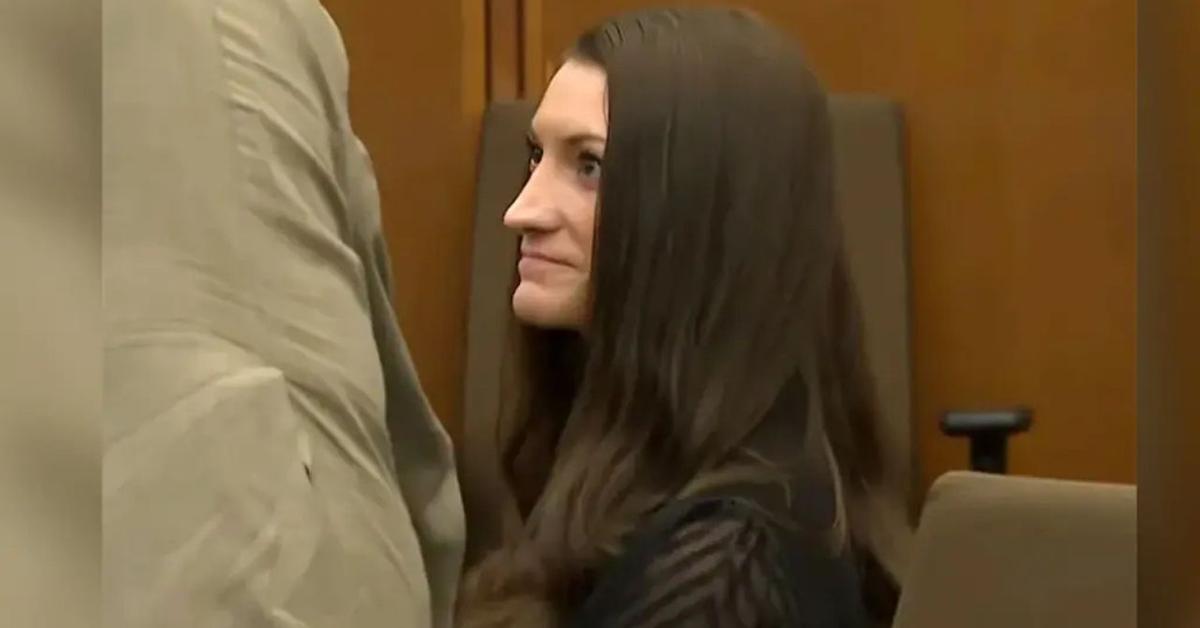
The Tragic Events and Initial Response
On the evening of January 24, 2023, Patrick Clancy, Lindsay’s then-husband, testified as the trial’s first witness. He recounted returning to their Duxbury home after Lindsay asked him to pick up takeout food. What he discovered upon his return was a scene of unimaginable horror. Patrick found Lindsay in the backyard with deep cuts on her wrists and a red line across her neck, while inside the bedroom, he found "blood everywhere." A chilling 911 call captured his anguished cries, "She killed the f—— kids," after he located the children.
Emergency responders arrived to find the children unresponsive. Cora and Dawson were rushed to a local hospital, where they were pronounced dead. Callan, the youngest, was in critical condition and transported via airlift to Boston, where he fought for his life for three days before ultimately passing away. Lindsay Clancy herself was left paralyzed from the neck down following what appeared to be an attempted suicide. The prosecution’s opening statement, delivered by Shanan Buckingham, described the children as "deliberately and meticulously killed," arguing that Lindsay made a "calculated decision" to commit the murders. This narrative paints a picture of intentionality, contrasting sharply with the defense’s portrayal.

Mental Health at the Core of Lindsay Clancy’s Murder Trial
From the outset, Lindsay Clancy’s mental health has been the central focus of the defense. Defense attorney Kevin Reddington, in his opening statement, characterized Lindsay as a "heck of a mother" who deeply loved her children. He asserted that despite her struggles with mental health, she had "no motive" for such an act and that she and her husband had "tried very hard to get the help she needed." Reddington emphasized that Lindsay is now "living in her own h—," fully aware of what transpired. The defense’s strategy aims for a verdict of not guilty by reason of lack of criminal responsibility, which, if successful, would result in her commitment to a psychiatric facility rather than a prison sentence. The trial delves into the complexities of mental illness, particularly postpartum psychosis, and its potential impact on a person’s capacity for criminal intent.
Patrick Clancy’s Testimony: A Glimpse into Declining Health

Patrick Clancy’s emotional testimony provided a detailed account of his wife’s deteriorating mental and physical health following the births of their children. He described Lindsay as experiencing immense stress, insomnia, anxiety, and depression, particularly after the birth of Callan. By the fall of 2022, her condition had worsened, and what he termed her "big spiral" began in December 2022 after a change in her medication. Patrick testified that Lindsay started losing significant weight, became profoundly depressed, and expressed suicidal thoughts. Critically, she also confided in him about experiencing intrusive thoughts related to harming their children.
Despite his concerns, when Patrick explicitly asked if she believed she needed to be kept away from the children, Lindsay reportedly denied it. He found her behavior confusing, noting that she would exhibit troubling symptoms one moment and then appear to be a loving mother, making lunch or putting the children to bed, the next. He affirmed that he "never saw Lindsay harm the kids." Lindsay’s struggles eventually led to a hospitalization on December 31, 2022, from which she was discharged on January 5, 2023. Paradoxically, Patrick described January 24, 2023, the day of the tragedy, as "one of her best days," noting she was playing with the children and seemed in a good mood. This observation was echoed by the family’s nanny, Elaine Rossi, who testified on August 5, describing Lindsay as a "wonderful mom who loved her kids" and was concerned about their well-being.
Diary Entries: A Desperate Cry for Help
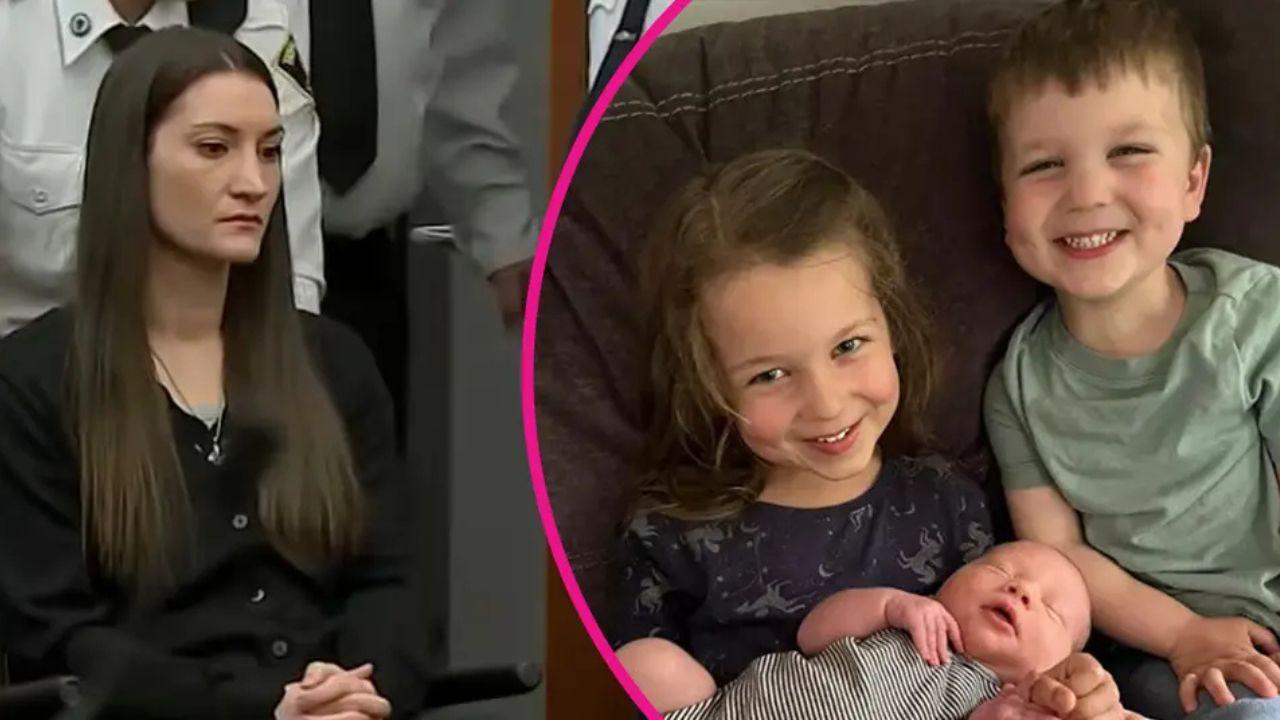
Prosecutors presented compelling evidence in the form of excerpts from Lindsay’s personal diary, read aloud during the questioning of a state police investigator on August 3 and to jurors on August 5. These entries offered a poignant, intimate look into her escalating desperation and mental anguish. In one entry, Lindsay confessed to being "completely overwhelmed" by caring for her children, feeling "like I’m drowning every day." Another passage revealed her "incredibly sad and guilty" feelings about not breastfeeding Callan.
The diary entries documented her fervent desire for relief, stating, "I want help. I want to be well." She described experiencing "crazy brain fog" and an inability to make plans, living "moment to moment waiting for the next nap time." The profound emotional distress was evident in her writing, "Hearing him cry for 1 plus hours and not intervening just about killed me," and a chilling admission to her husband, "I want to die." Further passages detailed her parenting stresses and postpartum issues, including a harrowing thought: "It’s like I’m so desperate to get a mental break from taking care of everyone that my mind is trying to make something physically wrong with me." These diary entries serve as crucial evidence for the defense, aiming to demonstrate the depth of her mental health crisis leading up to the events.
Medical Testimony on the Children’s Injuries
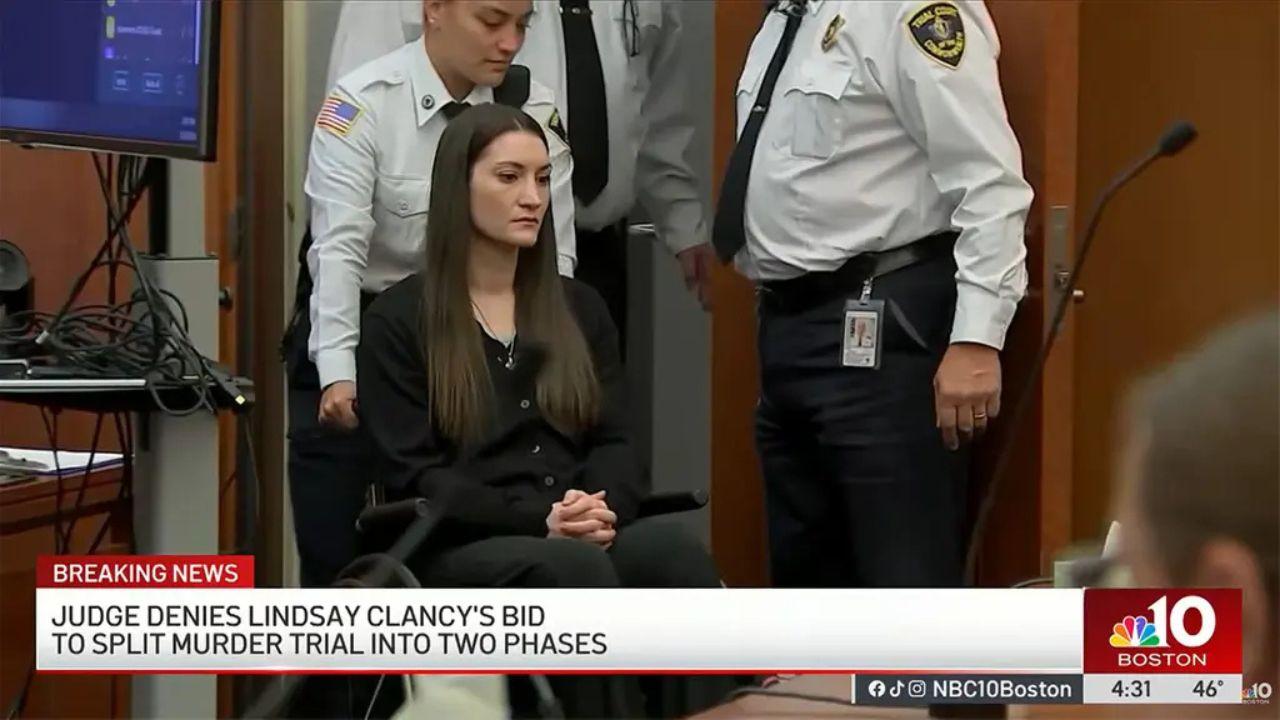
The court also heard distressing testimony from medical experts who detailed the children’s injuries. Dr. Michael Snyder, who treated Cora, testified that the 5-year-old arrived at the hospital not breathing and without a heartbeat. Despite resuscitation efforts, Cora was tragically pronounced dead. Dr. Andrew Capraro, who treated baby Callan, described his arrival as cold, with ligature marks and swelling around his neck, and showing clear signs of severe brain damage. Callan was subsequently transferred to the Intensive Care Unit under the care of Dr. David Casavant. After extensive consultations with the medical team, doctors determined Callan was brain dead. Following this devastating prognosis, Patrick Clancy made the agonizing decision to withdraw life support, and Callan was declared dead on January 27, 2023. Another physician testified that Dawson, too, arrived at the hospital without breath or pulse and was pronounced dead.
Toxicology Results and Their Implications
On August 5, Justin Brower, a forensic toxicologist from NMS Labs, presented findings from Lindsay Clancy’s toxicology report. He testified that while several drugs were detected in her system, they were generally "below therapeutic levels." Brower notably stated that these levels were "not consistent with levels that would have contributed to a suicide attempt" via overdose, suggesting that a large, intentional ingestion of pills did not occur. However, under cross-examination from the defense, Brower acknowledged that toxicology results provide only a partial picture and "don’t tell the entire story" of a person’s mental or physical state. This nuance is critical for both prosecution and defense, as it raises questions about the direct impact of medication on her actions versus the underlying mental illness.

Broader Implications and Ongoing Discussions
The Lindsay Clancy’s murder trial has transcended the courtroom, igniting vital public discourse on the complexities of maternal mental health, particularly the severe and often misunderstood condition of postpartum psychosis. This case forces a challenging examination of how the legal system grapples with heinous crimes committed by individuals potentially suffering from profound mental illness. It highlights the critical need for increased awareness, destigmatization, and accessible support systems for new mothers experiencing mental health crises. The tragic loss of three young lives underscores the devastating consequences when such conditions go untreated or inadequately managed.
The trial continues to draw national attention, prompting reflections on the societal responsibility to identify and intervene in cases of severe mental distress, especially within families. The emotional toll on Patrick Clancy, who has since remarried, and the Duxbury community remains immense. As the trial is expected to last between four and six weeks, the outcome will not only determine Lindsay Clancy’s future but also contribute to the evolving legal and medical understanding of postpartum mental health and criminal responsibility. The profound questions raised by this case will undoubtedly resonate for years to come, influencing discussions around compassion, justice, and mental health support for vulnerable parents.