As his tenure as Prime Minister of the United Kingdom draws to a close, the central question occupying the minds of political analysts and allies alike is: what will Keir Starmer do next? The outgoing leader has spent the final weeks of his administration balancing high-stakes international diplomacy with the domestic realities of a changing political landscape. While he has maintained a public focus on his remaining duties, those within his inner circle have begun to catch glimpses of a man preparing for a life beyond the gates of Downing Street.
The transition from the highest office in the land to private citizenship is rarely a simple affair for a former Prime Minister. For Starmer, the shift comes after a period defined by significant institutional reform within the Labour Party and a governance style often characterized by its pragmatic, if sometimes criticized, focus on international stability. Allies suggest that while the Prime Minister has joked about mundane domestic tasks and hobbyist pursuits, his professional future likely remains tied to the global stage where he has recently garnered significant accolades.
The International Stage: What Will Keir Starmer Do Next?
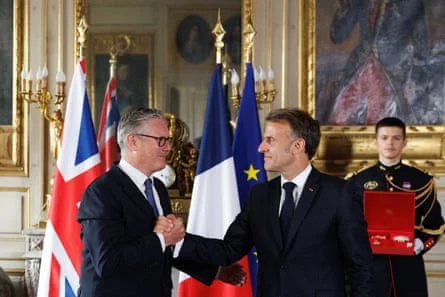
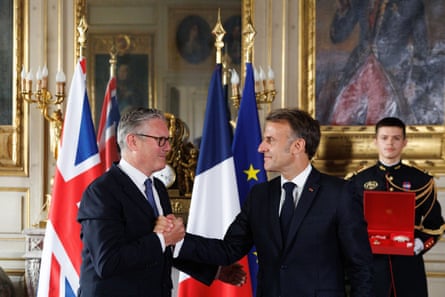
Many observers believe that Starmer’s most probable future lies in international diplomacy. Throughout his time in office, he has built a reputation as a steady hand in European and transatlantic relations. This was underscored recently in Paris, where French President Emmanuel Macron awarded him the Légion d’honneur, a gesture signaling deep respect from one of the UK’s most critical neighbors. This international standing has led to persistent rumors that Starmer may be eyeing a high-level role in a multilateral organization.
Specifically, reports have surfaced indicating Starmer’s interest in the position of NATO Secretary General. Such a role would align with his recent focus on global security and his efforts to integrate British domestic policy with international interests. During his final months, Starmer frequently argued that international and domestic affairs are “one and the same thing,” citing the impact of global supply chains, energy markets, and security alliances on the daily lives of British citizens.

However, this focus on the world stage was not without its political costs at home. Throughout his premiership, critics frequently labeled him “Never Here Keir,” a moniker intended to highlight his frequent travels abroad while domestic issues simmered. If he chooses to pursue an international career, he will have to navigate the perception that his interests were always aimed toward a global audience rather than a local one. His allies, however, maintain that his experience makes him uniquely qualified for a major diplomatic post.
Domestic Duties: What Will Keir Starmer Do Next on the Backbenches?
Despite the allure of international roles, Downing Street has indicated that Starmer intends to return to the House of Commons as a backbench Member of Parliament. He is expected to represent his central London constituency of Holborn and St Pancras until the next general election. This move is seen by many as a fulfillment of his sense of duty toward his local constituents and his party. Local Labour members have been vocal in their support, urging him to remain in the seat to avoid a potentially difficult by-election.
The political climate in London has shifted significantly during Starmer’s time in power. In his own seat, the Green Party has made notable gains, and some party insiders fear that a vacancy could provide an opening for an upset. By staying on the backbenches, Starmer would provide stability to the local party organization. Yet, some of his friends remain skeptical about how long he will find the role of a backbencher fulfilling after years of wielding executive power.
The transition to the backbenches also raises questions about his relationship with his successor. Every former Prime Minister must decide how much influence to exert over the new administration. While some, like Tony Blair, have remained highly vocal and sometimes critical of their successors, others have chosen a more reserved path. Allies suggest Starmer is likely to follow the "Gordon Brown model," focusing on specific charitable or policy causes while offering private counsel to the new leadership, including figures like Andy Burnham, if requested.
Defining a Post-Downing Street Legacy: What Will Keir Starmer Do Next for the Labour Party?
Starmer’s legacy is inextricably linked to his role in transforming the Labour Party. In recent interviews, he has pointed to the stabilization of the party following the Jeremy Corbyn era as one of his primary achievements. He has often recounted how he was told that winning a general election and moving the party toward the center was an impossible task. His victory and subsequent governance are, in his view, a testament to his persistence and vision.
As he prepares to depart, Starmer has expressed a sense of pride in his administration’s accomplishments. He has frequently listed a long series of government achievements, from economic stabilization to legislative reforms, as evidence of a successful term. However, the Labour government under his leadership was also frequently accused of lacking a clear ideological direction or a grand "vision" for the country. This critique is something his supporters hope he will address through his future work, perhaps by championing specific policy areas like legal reform or social justice.
Unlike some of his predecessors, Starmer does not appear driven by the pursuit of personal wealth in the private sector. Friends emphasize that he is more likely to "pick a cause he cares about and stick with it" rather than joining the international lecture circuit or taking on numerous corporate directorships. This commitment to public service remains a defining characteristic of his political identity, and it will likely dictate his choices in the coming years.
The Personal Transition and Family Focus
Beyond the political and professional speculation, there is a significant personal dimension to Starmer’s departure. He has been open about the toll that the premiership has taken on his family life. With a wife, Victoria, and two teenage children, the Prime Minister has expressed a desire to return to a more normal existence. He recently remarked that he is leaving the "most high-profile job in the country" for what he considers his most important role: being a husband and a father.
The Starmer family has planned a holiday following his departure, a rare opportunity for uninterrupted time together. During his years in office, almost every attempt at a vacation was disrupted by international crises or urgent domestic matters. The prospect of a "quiet" life, where he is no longer the primary subject of every news cycle, is said to be something he is looking forward to, even if his friends worry the sudden change in pace might be jarring.
The contrast between Starmer and other recent occupants of 10 Downing Street is stark. While Boris Johnson famously signed off with a hint at a future comeback, Starmer’s exit appears more final and grounded in a sense of completion. His final appearance in Parliament was marked by a rare display of public emotion, as he addressed his family directly from the dispatch box. This focus on personal integrity and family stability suggests that his post-premiership will be handled with the same methodical approach that characterized his rise to power.
Long-Term Impact and Public Perception
The ultimate measure of Starmer’s success will be determined by how the British public remembers his time in office. Currently, he is viewed by many voters as a successful international leader, even if his domestic popularity was more volatile. His ability to navigate the complexities of Brexit, the aftermath of a global pandemic, and the shifts in European security has earned him a place as a significant figure in modern British history.
As the political dust settles, the question of "what will Keir Starmer do next?" will remain a topic of interest for those who followed his career from Director of Public Prosecutions to Prime Minister. Whether he ends up leading a global alliance, serving his constituents from the backbenches, or championing a new social cause, his influence on British politics is unlikely to fade quickly.
The coming weeks will provide the first real indication of his direction. For now, the man who was once told he could never save his party or lead his country is preparing to walk out of Downing Street with what he describes as a sense of pride. The "metaphorical mountains" he climbed in his political career may soon be replaced by actual ones, as he finally finds the time to pursue the personal interests that were sidelined by the demands of the state.