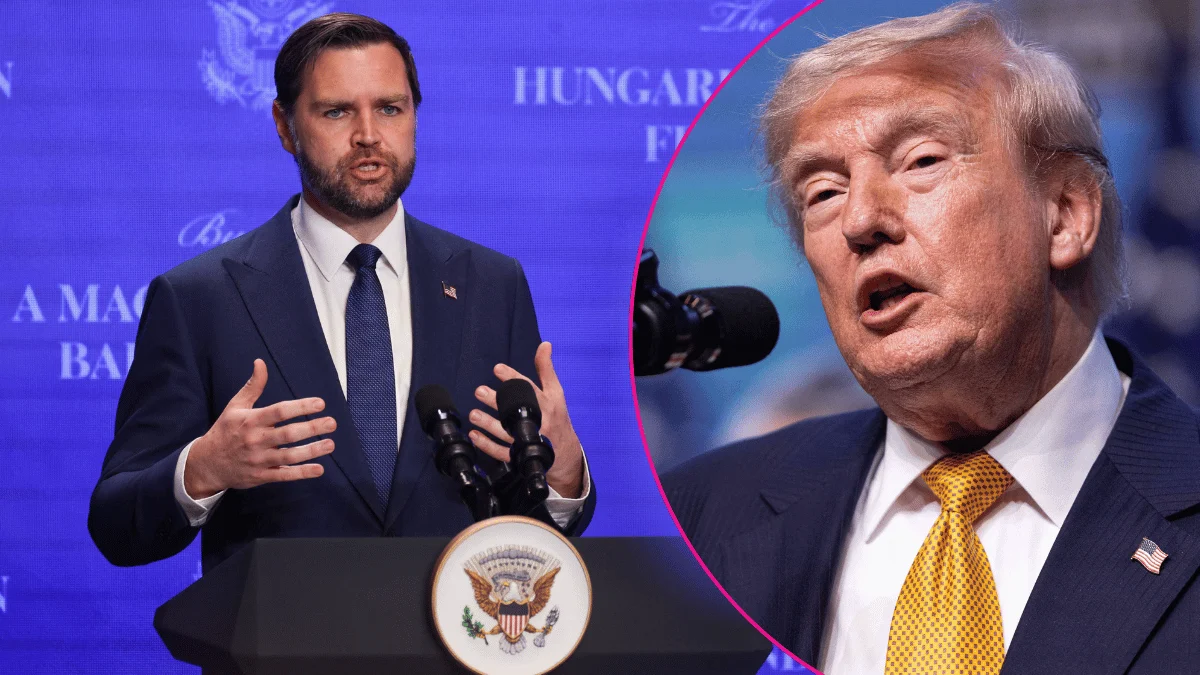
Vice President J.D. Vance recently conceded that the Trump administration was "guilty" of "mishandling" the release of the Jeffrey Epstein files, stating that the government should have expedited the process from the outset. Speaking on a popular podcast, Vance acknowledged communication failures surrounding the highly anticipated documents, which have fueled public scrutiny and conspiracy theories since Epstein’s death. His remarks highlight persistent questions about transparency and accountability within federal government operations.
The Unfolding Controversy: Vance’s Admission
Vance made his candid admission during the Wednesday, July 15, episode of "The Joe Rogan Experience," a widely listened-to podcast known for its extensive interviews. When questioned about the administration’s handling of the sensitive Epstein files, Vance responded directly, "If people want to say we mishandled the Epstein release, guilty. We did mishandle it, especially the communications of it." This direct acknowledgement marks a significant concession from a high-ranking official regarding the Trump administration’s procedural missteps in a case of intense public interest.
Despite admitting to operational flaws, Vance firmly denied any deliberate attempt by the administration to conceal information from the public. He emphasized that the intention was always to release the documents, but the process became bogged down by internal complexities and external pressures. His comments aim to draw a distinction between bureaucratic inefficiencies and malicious intent, a critical point for an administration often accused of lacking transparency.
The Demand for Transparency: A Complex Release
Podcast host Joe Rogan pressed Vance on the internal dynamics, noting that "there was a tremendous amount of resistance to those files being released" within the administration. This observation aligns with widespread reports of infighting and differing opinions on how to approach the unprecedented demand for information related to the notorious s– offender. The public outcry for the release of these documents stemmed from a desire to understand the full scope of Epstein’s network and hold any accomplices accountable.
Vance outlined what he believed should have been the administration’s strategy from the start. "I think that we should have just dropped everything at the very beginning," he asserted, suggesting a swift, comprehensive release. He acknowledged the necessity for a period of review and redaction, particularly to protect victims and sensitive information, but stressed the importance of speed. "We should have just done it as quickly as possible," he reiterated, indicating a belief that protracted delays only served to erode public trust.
Pam Bondi and the Public Expectation
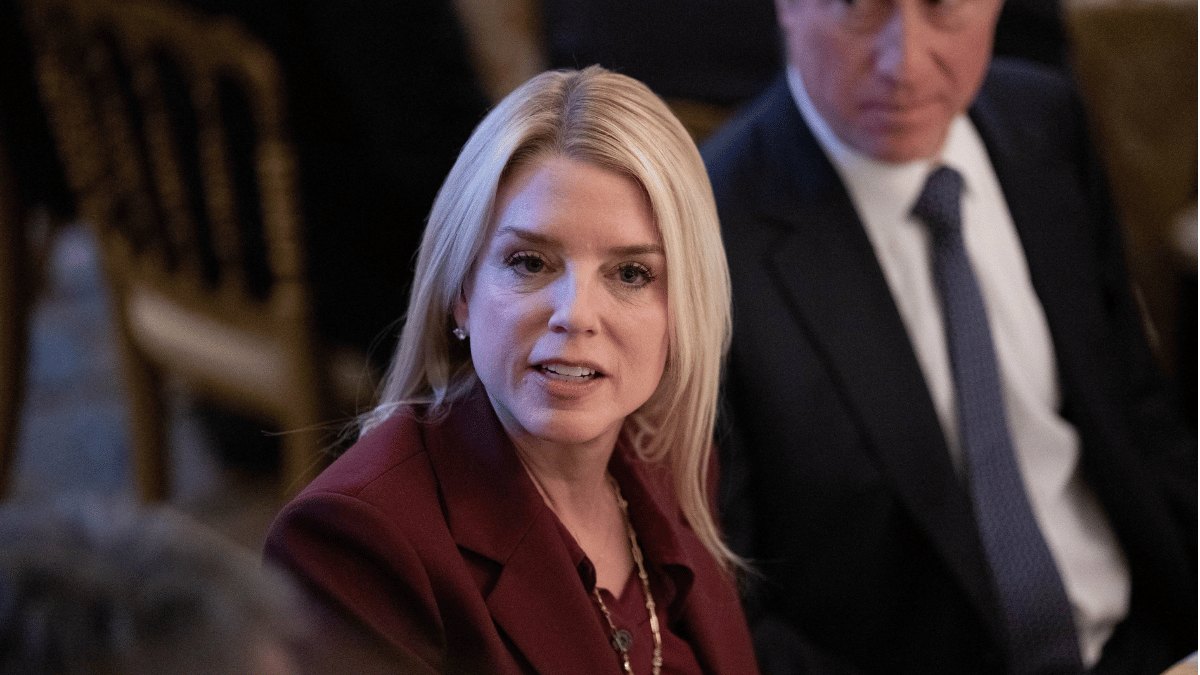
A central figure in Vance’s critique was former Attorney General Pam Bondi, whom he largely blamed for escalating public expectations prematurely. President Donald Trump had fired Bondi in April, citing her poor handling of the Epstein files. Her tenure was marked by a particularly controversial claim that an alleged Epstein "client list" was "sitting directly on her desk," a statement that dramatically intensified public anticipation for bombshell revelations.
However, Bondi later retracted this claim, stating that no such definitive list existed. This reversal caused a significant backlash, leading to widespread public roasting and deepening mistrust in the administration’s transparency efforts regarding the Epstein investigation. Vance explained that Bondi "overstated what we had and what we didn’t have," thereby creating an unrealistic narrative that the administration subsequently struggled to manage, fostering an environment ripe for suspicion and criticism.
Navigating the Redaction Maze
Despite his criticism of her public statements, Vance expressed personal admiration for Bondi, suggesting that her actions were driven by a desire to "respond to the political moment" rather than any malicious intent. He painted a picture of internal discord, confessing, "Was there some, you know, b——- and moaning, and was there some back and forth? Yes." This candid glimpse into the administration’s inner workings suggests a struggle to balance legal obligations, public demands, and political realities.
Vance further elaborated on the complex reasons behind the delays, particularly the arduous process of reviewing and redacting millions of documents. He highlighted the unique difficulty of the Epstein case, where distinguishing between victims and co-conspirators was often incredibly challenging. Some individuals who were victims were also allegedly coerced or leveraged into facilitating s– trafficking, making it difficult for the Department of Justice (DOJ) to draw clear lines and ensure appropriate redactions. This nuance, he argued, necessitated a thorough, albeit time-consuming, review.
Lingering Secrets: Millions of Documents Unseen
While acknowledging the extended timeline, Vance affirmed that the administration ultimately did release "all these files," albeit later than ideal. "Did it take longer than it should have taken? Yes," he admitted, echoing his initial concession. However, the scope of the remaining unreleased material remains a significant point of contention. Approximately 2.5 to 3 million documents within the Justice Department’s investigative files on Epstein have yet to be made public, according to various reports.
The existence of such a vast trove of unsealed documents continues to fuel public speculation and demands for full disclosure. The delay in releasing these additional files, coupled with the previous communication missteps, contributes to a perception that important information might still be withheld. This ongoing opacity further complicates efforts to provide a definitive account of Epstein’s activities and his extensive network of associates, maintaining a cloud of suspicion over the entire affair.
Defending Trump Amidst the Storm
The release of the Epstein files has also drawn renewed attention to former President Donald Trump, whose name is alleged to appear frequently within the documents. Democratic Rep. Jamie Raskin claimed that Trump’s name appeared "more than a million times" in unredacted portions of the files, a statement that has added another layer of political complexity to the narrative. The sheer volume of alleged mentions, whether substantive or tangential, has prompted intense scrutiny from political opponents and the public alike.
In response to these claims and broader insinuations, Vance staunchly defended Trump, stating, "I’ve never seen a single piece of credible evidence that the president of the United States engaged in wrongdoing with minors. Ever." This defense aims to counter the narrative that Trump had any involvement in Epstein’s s– trafficking ring, a charge that could have severe political ramifications. Vance’s unequivocal stance underscores the loyalty he holds for the former president and his belief in Trump’s innocence regarding these specific allegations.

Adding a personal anecdote, Vance recounted how Susie Wiles, Trump’s Chief of Staff, had reportedly labeled him an "Epstein conspiracy theorist" according to The New York Times. Rather than rejecting the moniker, Vance embraced it, stating, "But where Susie Wiles, the White House chief of staff, says, ‘Well, we know J.D.’s a conspiracy theorist on this.’ Like, I am actually." This self-identification suggests Vance’s deep conviction that the full truth about Epstein’s network and the circumstances surrounding his death has yet to emerge, aligning him with a segment of the public that remains skeptical of official narratives.
The Enduring Quest for Accountability
The Jeffrey Epstein case continues to cast a long shadow over American politics and society, serving as a stark reminder of the corrosive potential of power, wealth, and systemic failures. Vance’s admission, while providing a degree of transparency regarding the administration’s internal struggles, also underscores the profound public demand for accountability that has yet to be fully satisfied. The mishandling of the Epstein files, particularly the communication surrounding their release, has undeniably eroded public trust in governmental institutions and their capacity to manage sensitive information effectively.
The ongoing existence of millions of unreleased documents ensures that the story of Jeffrey Epstein and his network remains incomplete. The public, legal watchdogs, and political figures continue to press for the full disclosure of these records, believing that true justice and a complete understanding of the illicit activities can only be achieved through total transparency. The challenges of redaction and victim protection, while legitimate, must ultimately yield to the imperative of public disclosure, as the nation grapples with the lingering questions and the profound implications of this unprecedented scandal.