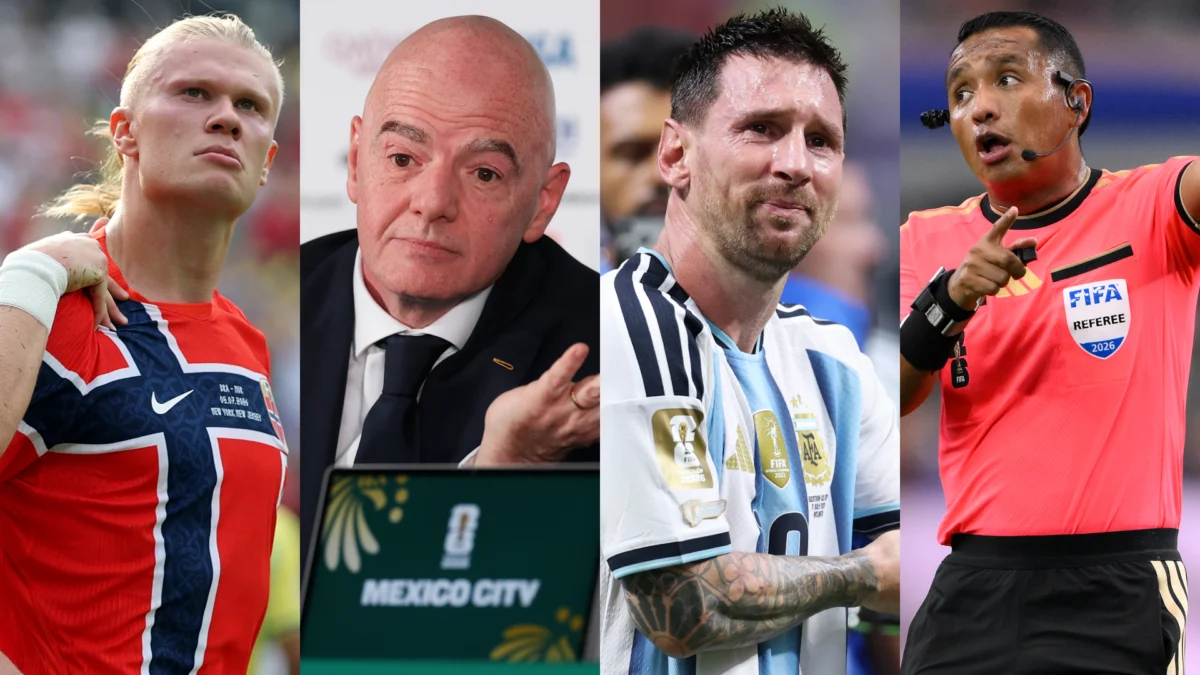
As Spain and Argentina prepare to clash for the coveted trophy at New York New Jersey Stadium, the true measure of success and failure for the 2026 World Cup has already unfolded across the vast digital landscape and in the volatile arena of international public opinion, revealing an unexpected array of victors and casualties far removed from the football pitch. This tournament, co-hosted by the United States, Canada, and Mexico, has transcended traditional sporting narratives, carving out a unique legacy defined by viral sensations, unprecedented media reach, and several high-profile controversies that reshaped national perceptions and corporate reputations.
A New Era for Global Football Engagement

The 2026 World Cup, the first to feature an expanded 48-team format, was billed as a landmark event designed to maximize global participation and audience engagement. From the outset, organizers emphasized the tournament’s potential to break new ground in terms of viewership, digital interaction, and commercial partnerships. The sprawling logistical challenge of hosting matches across three nations underscored the ambition behind the event, aiming to deliver a truly continental spectacle. However, beyond the meticulously planned fixtures and grand stadium openings, an emergent "vibe-o-sphere" took hold, where online narratives, influencer campaigns, and spontaneous viral content often dictated the prevailing mood and cultural impact, sometimes eclipsing the on-field heroics.
The Rise of Digital Superstars and Unexpected Cultural Icons

While football purists focused on tactical masterclasses and dramatic upsets, a new breed of celebrity emerged, demonstrating the evolving dynamics of sports media. A relatively unknown Belgian YouTuber, specializing in innovative fan reaction videos and behind-the-scenes glimpses, astonishingly surpassed the digital engagement metrics of established online giants like MrBeast. This content creator’s raw, authentic style, coupled with a knack for capturing the emotional highs and lows of the tournament, resonated deeply with a global audience, proving that genuine fan-driven content could rival, and even outperform, traditional media and highly produced influencer campaigns. Their success highlighted a pivotal shift in how audiences consume and participate in major sporting events, favoring grassroots authenticity over polished corporate messaging.
Beyond individual creators, the tournament also witnessed a remarkable cultural phenomenon: the "Viking rebrand." Fueled by the unexpectedly tenacious performance of the Icelandic national team, whose gritty play and fervent fan base captivated millions, ancient Nordic symbolism experienced a modern resurgence. The team’s iconic "Viking Clap" chant became a global sensation, adopted by fans worldwide and spawning countless memes. What began as a spirited show of national pride quickly transformed into a broader cultural moment, associating the "Viking spirit" not with historical conquest, but with underdog resilience, unwavering camaraderie, and passionate support. This spontaneous reinterpretation of a centuries-old cultural identity demonstrated the immense power of sport to reshape narratives and foster global cultural exchange, offering Iceland an invaluable, unscripted public relations triumph.

FIFA’s Persistent Challenges and Logistical Hurdles
Despite the digital successes and cultural breakthroughs, the 2026 World Cup was not without its organizational stumbles, adding to a long history of FIFA-related controversies. Throughout the six-week tournament, a series of logistical challenges and contentious officiating decisions plagued the event, drawing sharp criticism from fans, media, and participating nations. Issues ranged from significant transportation delays in several host cities, particularly impacting international spectators navigating cross-border travel, to widespread complaints about inflated ticket and concession prices, which many argued alienated a significant portion of the fan base.

However, the most pronounced "FIFA fiascos" centered on refereeing. The implementation of new Video Assistant Referee (VAR) protocols, intended to ensure fairness, instead led to prolonged stoppages and inconsistent application, frustrating players and spectators alike. Several high-profile matches were marred by controversial calls, including multiple instances of overturned goals and disputed penalty decisions that directly influenced game outcomes. These incidents reignited long-standing debates about transparency in officiating and the technological integration into football, casting a shadow over FIFA’s efforts to modernize the game’s governance.
America’s Controversial Exit: A Geopolitical Own Goal

Perhaps the most talked-about "loser" in the broader narrative of the 2026 World Cup was the host nation, the United States, whose promising journey ended in a spectacular "own goal" that quickly escalated into a geopolitical incident. The U.S. Men’s National Team had enjoyed an inspiring run, exceeding many expectations and fostering a renewed sense of national pride in soccer. Their energetic, underdog spirit garnered significant fan support both domestically and internationally.
However, their quarter-final match against a formidable European opponent became the flashpoint for widespread outrage. In a critical moment late in the game, with the score tied, a U.S. defender was initially shown a red card for a contentious challenge. Following a lengthy VAR review, the decision was overturned, only for the referee to issue a yellow card instead, and then inexplicably award a free-kick to the opposing team in a dangerous position. From this free-kick, the European team scored the winning goal in the dying minutes, eliminating the U.S. from the tournament.

The immediate aftermath saw an explosion of online protests, with millions of fans and pundits debating the fairness and consistency of the officiating. What started as a sporting grievance quickly spiraled. High-profile figures from the opposing nation accused FIFA and the U.S. of bias, suggesting that the initial red card overturn was a politically motivated decision to keep a host nation in the tournament, despite it ultimately backfiring. Diplomatic tensions briefly flared, with official protests lodged by the European football federation, demanding clarity and accountability from FIFA. While the incident did not derail international relations, it left a sour taste, undermining the "feel-good" narrative surrounding the U.S. team’s performance and highlighting the delicate intersection of sport, nationalism, and global politics.
Broader Implications for Sports, Media, and Diplomacy

The 2026 World Cup served as a profound case study in the evolving landscape of global sporting events. It underscored that cultural impact and reputational outcomes are increasingly shaped by digital virality and the swift, often unforgiving, judgment of the online sphere. For brands and media outlets, the tournament emphasized the critical need to understand and engage with grassroots content creators and emergent digital trends, rather than relying solely on traditional advertising and established personalities. The success of the Belgian YouTuber and the Icelandic "Viking" phenomenon demonstrated that authenticity and fan-driven narratives hold immense power in shaping public perception.
Conversely, FIFA’s struggles with officiating and logistical coordination highlighted persistent governance challenges within international sports bodies. The public’s demand for transparency and accountability intensified, putting pressure on FIFA to re-evaluate its VAR implementation and address concerns about event management for future tournaments. The "America’s own goal" incident, while rooted in a controversial sporting decision, offered a stark reminder of how quickly athletic competition can bleed into geopolitical discourse, forcing national governments and diplomatic entities to address the fallout from events on the global stage.

Looking Ahead: The Legacy of the 2026 Tournament
As the final whistle blows and a champion is crowned, the lasting legacy of the 2026 World Cup will extend far beyond the record books. It will be remembered as the tournament where digital engagement truly came of age, where unexpected cultural rebrands captivated the world, and where the delicate balance between sporting integrity and global political sensitivities was profoundly tested. The lessons learned from the "vibe-o-sphere’s" victors and FIFA’s missteps will undoubtedly influence how future mega-events are organized, marketed, and consumed. The tournament has irrevocably altered the definition of winning and losing, proving that in the modern era, the narrative created off the pitch can be just as impactful as the drama unfolding on it.