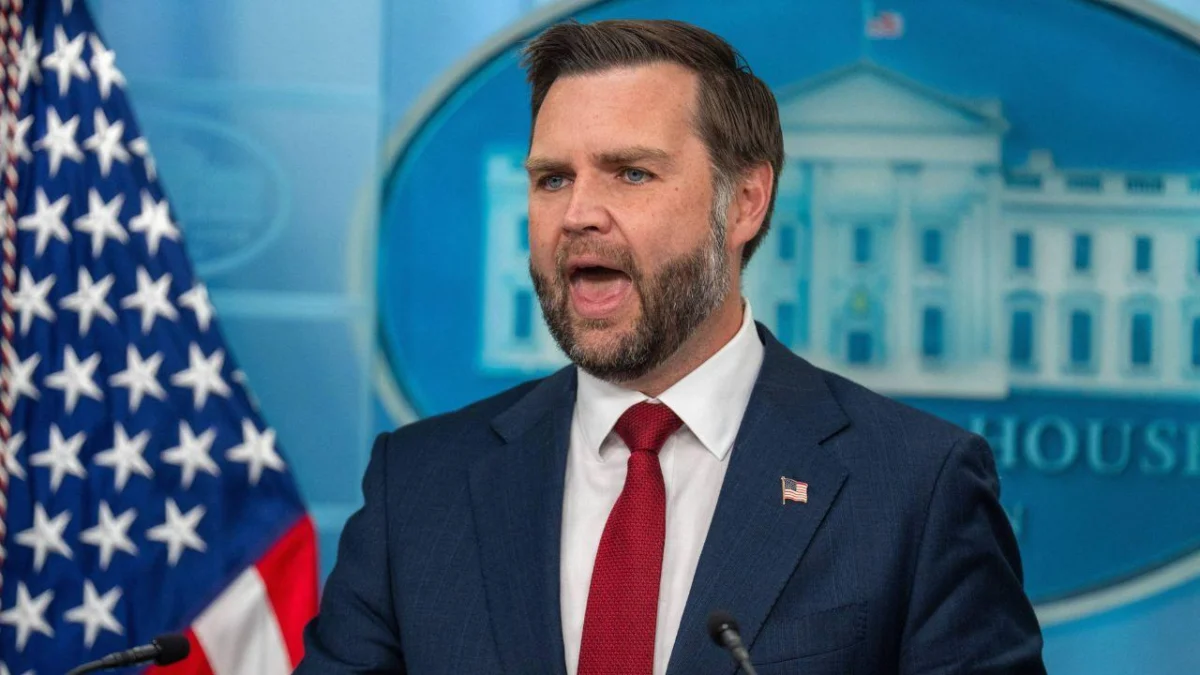
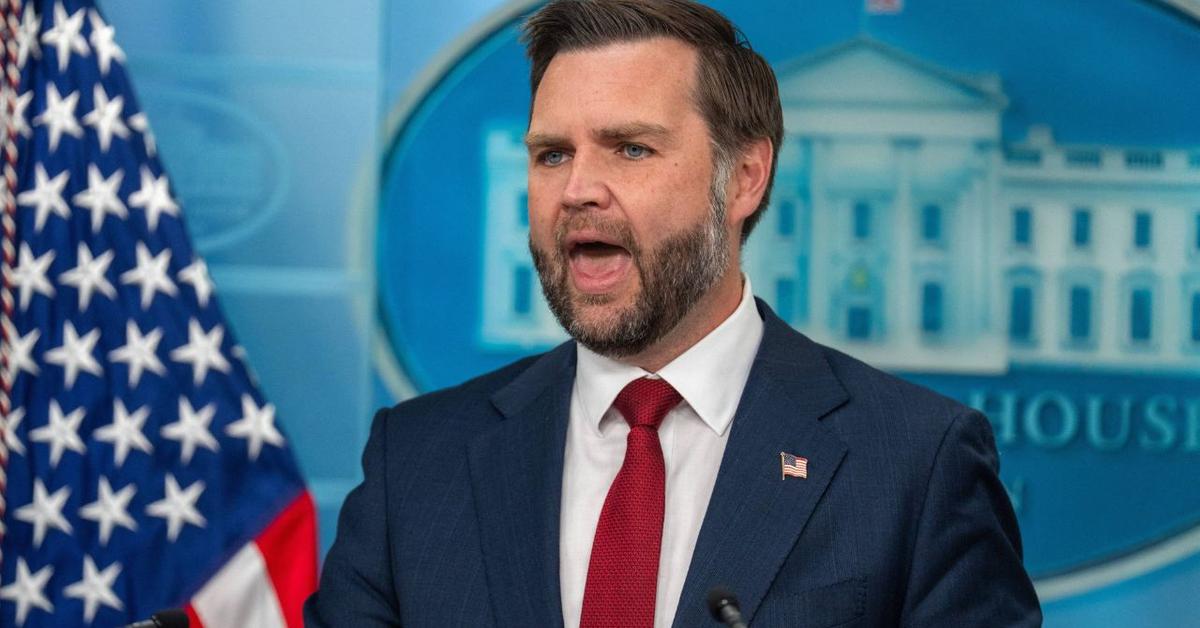
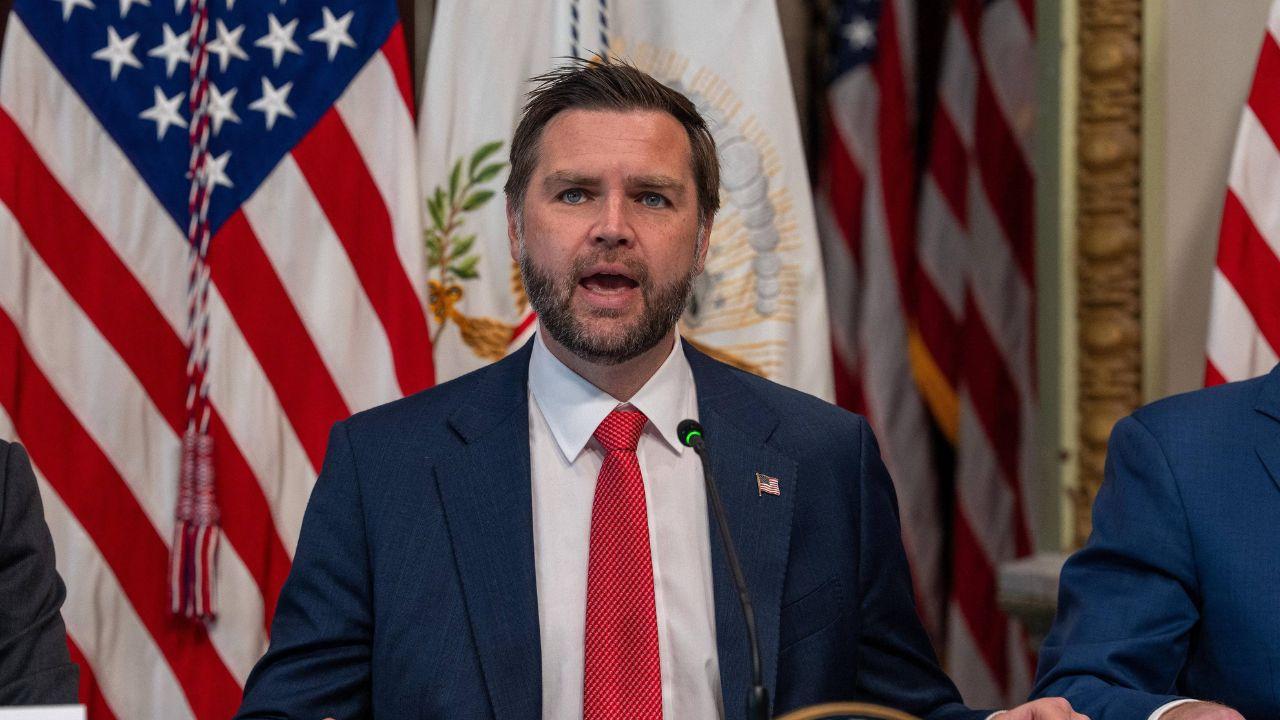
Vice President J.D. Vance has issued a direct appeal to Republican voters, urging them to "give us another chance" as the nation approaches critical midterm elections. His remarks, delivered after two years of complete Republican control over all three branches of government, came during an appearance on the "All In" podcast on September 15, sparking immediate public and political discussion.
Vance’s candid plea underscored the Republican Party’s precarious position, facing significant headwinds as voters prepare to cast ballots for congressional seats. The 42-year-old Vice President’s message was intended to rally the party’s base and persuade wavering voters, despite an electoral landscape showing a marked decline in public approval for the current administration and its policies.
The Vice President’s Midterm Appeal
During the September 15 podcast, Vance articulated a two-pronged strategy: highlight what he presented as the administration’s achievements and sharply criticize the Democratic opposition. He stated, "Don’t give power back to the people who caused the problems we’re fixing. Give us another chance! Give us a couple more years to work on the amazing things we’ve been doing for the past two years." This direct request for an extended mandate reflects the perceived urgency within the Republican leadership to maintain their congressional majorities.
The Vice President cited specific policy areas as evidence of the administration’s success. He pointed to "tax cuts on Social Security and tips," a policy he claimed had been secured by the Trump administration. Additionally, Vance lauded "amazing success with the border and immigration," asserting that these efforts demonstrated the party’s effective governance. These claims form the core of the administration’s argument for continued power.
Context of Republican Governance
Vance’s remarks gain particular significance given the political backdrop. For the preceding two years, the Republican Party has held an unprecedented trifecta, controlling the White House, the Senate, and the House of Representatives. This consolidation of power provided the administration with a clear path to enact its legislative agenda without significant bipartisan compromise. The upcoming midterms are therefore seen as a referendum on this period of unified Republican rule.
Historically, midterm elections often serve as a corrective mechanism for the electorate, frequently resulting in losses for the party holding the presidency. Voters often use these elections to express dissatisfaction with the incumbent administration or to rebalance power in Washington. For the Republican Party, holding all three branches intensifies this scrutiny, as they cannot readily deflect blame to an opposing party for legislative roadblocks or policy outcomes.
The Challenges Facing J.D. Vance and the GOP
Despite the administration’s stated achievements, the Republican Party faces a challenging electoral environment. Public opinion polls suggest a significant voter backlash, particularly concerning economic issues and foreign policy. Americans are reportedly expressing dissatisfaction with the Republican handling of the economy, the ongoing war in Iran, and the overall leadership of President Donald Trump.
The economic anxieties are particularly acute, with polling data indicating widespread concern over the cost of living and inflation. While the administration has championed tax cuts, their perceived impact on daily household budgets remains a contentious issue for many voters. The "war in Iran," a new development in the political landscape, has also reportedly contributed to the administration’s declining approval ratings, mirroring historical trends where prolonged military engagements often erode public support.
Social Media Reactions and Political Gaffes
Vance’s "give us another chance" comment quickly became fodder for critics across social media platforms. The remark, particularly coming after two years of complete governmental control, was interpreted by many as an inadvertent admission of policy shortcomings rather than a confident assertion of success. Online commentators seized upon the phrasing, questioning why a party with unchallenged authority would need "another chance" to implement its agenda.
Comedian Mike Drucker quipped, "No greater pitch than having complete governmental power for two years and then going ‘Okay, yes, we’ve f—– everything up, but give us more time!’" Other users echoed this sentiment, highlighting the irony of requesting a second opportunity after a period of unfettered legislative and executive power. The rapid amplification of such comments underscores the immediate and often unforgiving nature of political discourse in the digital age, where verbal missteps can quickly become viral campaign fodder.
The "Crazy Democrats" Rhetoric
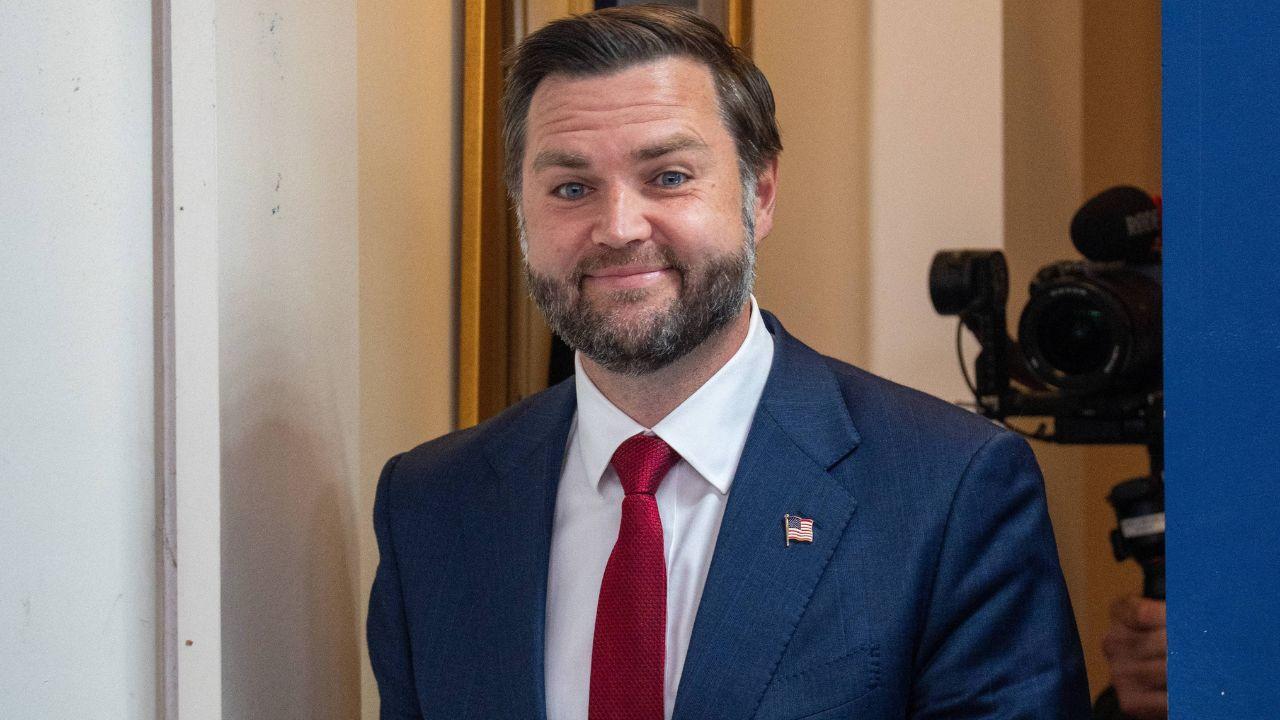
Beyond his plea for a second chance, Vance also launched into a sharp attack on the Democratic Party, portraying them as unfit to govern. This aggressive rhetoric forms the second pillar of his midterm appeal. "Even if you don’t agree with us on every issue, the other party is consumed by craziness!" he asserted, escalating his criticism significantly.
Vance continued, accusing Democrats of wanting "to steal everything, who want to give the country over to illegal aliens and criminals, they actively brag about it!" He concluded his broadside with a stark warning: "Put them in the mental hospital! Do not put them in Congress." This highly charged language reflects a growing trend in contemporary politics of demonizing political opponents rather than focusing solely on policy debates. Such rhetoric aims to energize the base by painting the opposition as an existential threat, thereby making the choice in the upcoming elections appear stark and critical.
Diving Deeper into Polling Data
The Vice President’s campaign rhetoric comes against a backdrop of unfavorable public opinion data for Republicans. A Reuters/Ipsos poll, published on September 14, just days before Vance’s podcast appearance, painted a grim picture for the party’s electoral prospects. President Trump’s approval rating stood at a stark -27, indicating widespread disapproval.
The poll further revealed significant voter dissatisfaction across key policy areas. President Trump scored an "atrocious -38 on the economy," a critical metric often influencing midterm outcomes. His ratings were also negative on immigration (-15), cost of living (-50), crime (-14), foreign policy (-31), inflation (-48), and the war in Iran (-34). These figures suggest a deep-seated discontent among the electorate regarding the administration’s performance on issues directly impacting daily life and national security.
While the same poll indicated that Democrats were more favored on overall economic issues, Republicans retained a slight advantage in voter trust regarding immigration and crime. However, the comprehensive negative scores on critical economic and foreign policy fronts present a formidable challenge. Notably, Vice President Vance himself registered a -19 approval rating in the poll, reflecting the broader dissatisfaction extending to the administration’s leadership team.
Looking Ahead to the Midterms
As the midterm elections draw nearer, the Republican Party faces the daunting task of overcoming these negative trends. Vance’s appeal for "another chance" and his sharp criticisms of Democrats highlight the high stakes involved. The elections will determine control of both the House and Senate, directly influencing the legislative capacity of the sitting administration for the remaining two years of its term.
The outcome will serve as a crucial indicator of public sentiment regarding unified Republican governance and the effectiveness of the policies enacted over the past two years. For J.D. Vance and the Republican leadership, the coming weeks will be a test of their ability to shift public perception and persuade voters that their administration deserves continued trust and authority in Washington.