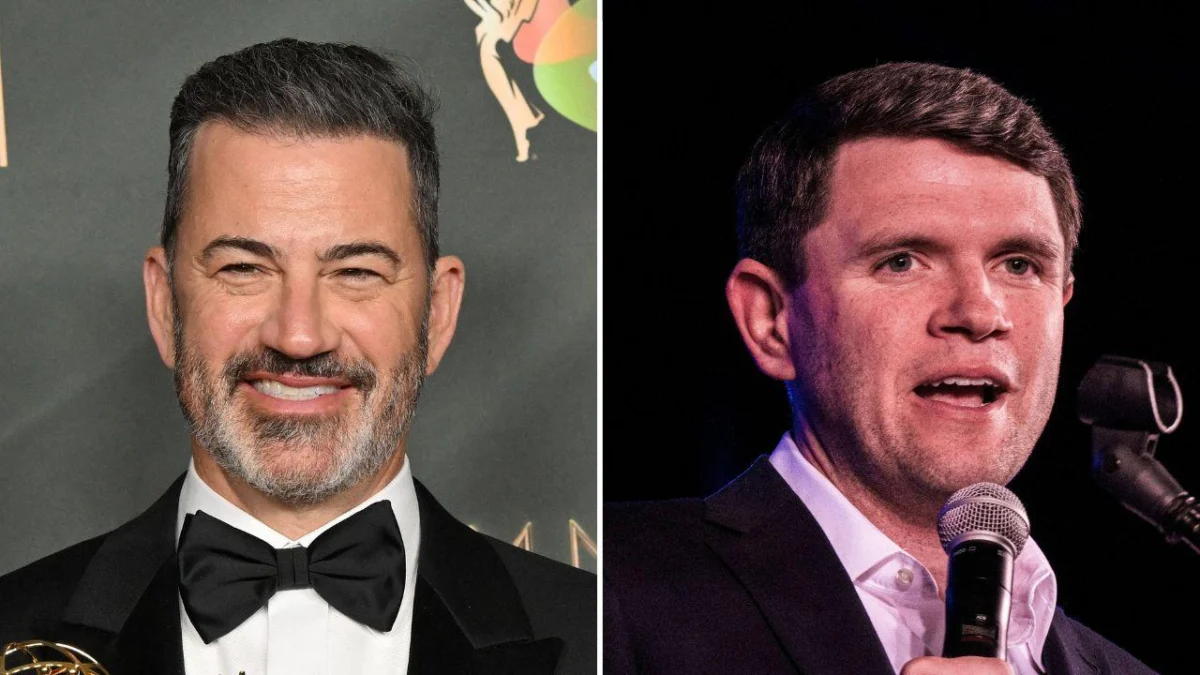
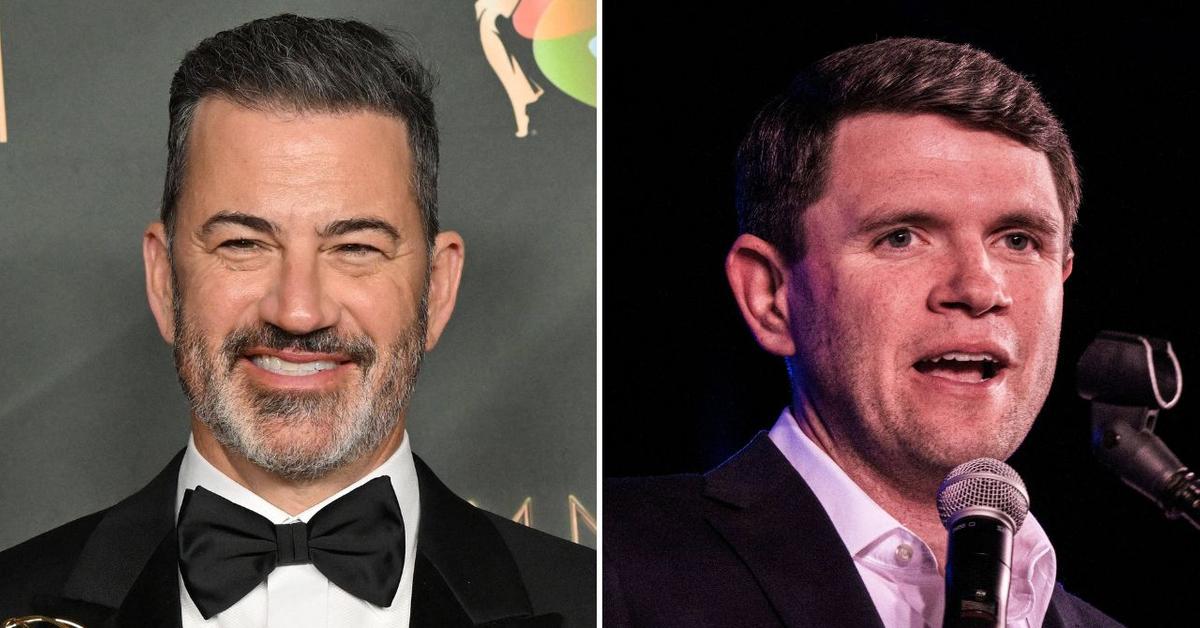
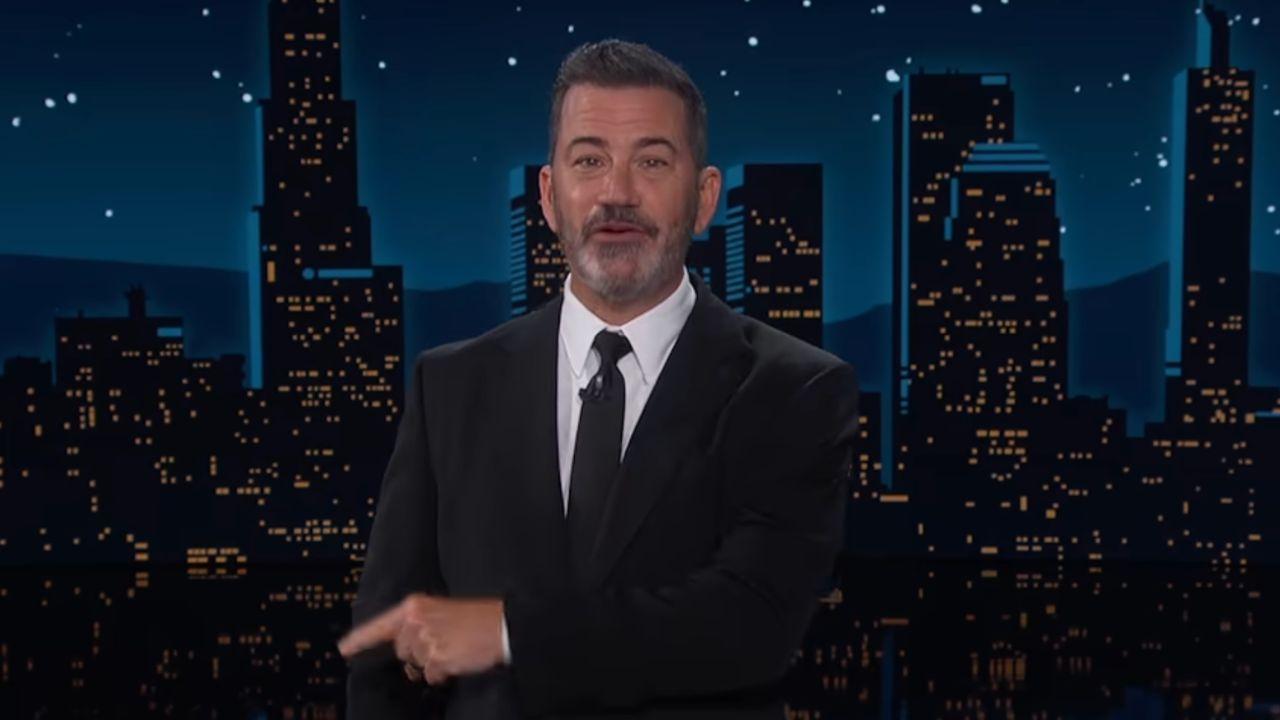
Late-night host Jimmy Kimmel announced on September 9 that a scheduled interview with Democratic U.S. Senate candidate James Talarico, originally slated to air on ABC’s Jimmy Kimmel Live!, would instead be published exclusively on the show’s YouTube channel. Kimmel attributed the move to alleged pressure from the Federal Communications Commission (FCC) on ABC, citing concerns for local affiliates, particularly those in Texas, amidst an ongoing dispute between the network and the regulatory body.
The decision casts a spotlight on the increasingly fraught relationship between broadcast networks and federal regulators, especially concerning political content in a highly polarized media landscape. Kimmel’s candid remarks about the FCC’s purported influence on editorial decisions underscore broader anxieties within the television industry regarding freedom of speech and the potential for regulatory overreach. The interview’s relocation to a digital platform highlights a growing trend of political discourse migrating away from traditional broadcast channels.
Background on FCC and Broadcast Regulations
The Federal Communications Commission is an independent agency of the United States government established by the Communications Act of 1934, tasked with regulating interstate and international communications by radio, television, wire, satellite, and cable. Its mandate includes ensuring that broadcasters operate in the public interest, a broad and often contentious directive that gives the FCC considerable power over content and licensing.
One of the most significant regulations impacting political content on broadcast television is Section 315 of the Communications Act, commonly known as the "equal time rule." This rule generally requires broadcasters to provide equal opportunities for all legally qualified political candidates seeking the same office if they allow one candidate to use their facilities. While news interviews and bona fide news events are often exempt, the interpretation and application of these rules can be complex and subject to varying interpretations by networks and regulators alike, particularly during election cycles.
ABC’s Ongoing Legal Battle with the FCC
Kimmel’s assertions about the FCC’s threats are not isolated incidents but rather part of a larger, public conflict between ABC (and its parent company, Disney) and the regulatory agency. In September 2025, Kimmel himself faced a suspension following comments he made regarding conservative commentator Charlie Kirk, which FCC Chair Brendan Carr reportedly objected to. This incident sparked a broader review of ABC’s broadcast licenses.
Subsequently, ABC faced additional scrutiny over content aired on The View, another flagship program. These events culminated in ABC filing a lawsuit against the FCC, challenging the agency’s efforts to review and potentially revoke or deny the renewal of its broadcast licenses. The network argues that the FCC’s actions amount to politically motivated intimidation and an infringement on editorial independence, setting a dangerous precedent for media freedom. The lawsuit contends that the FCC is overstepping its bounds by scrutinizing content decisions that fall within standard journalistic and entertainment practices.
The Texas Senate Race and Political Implications
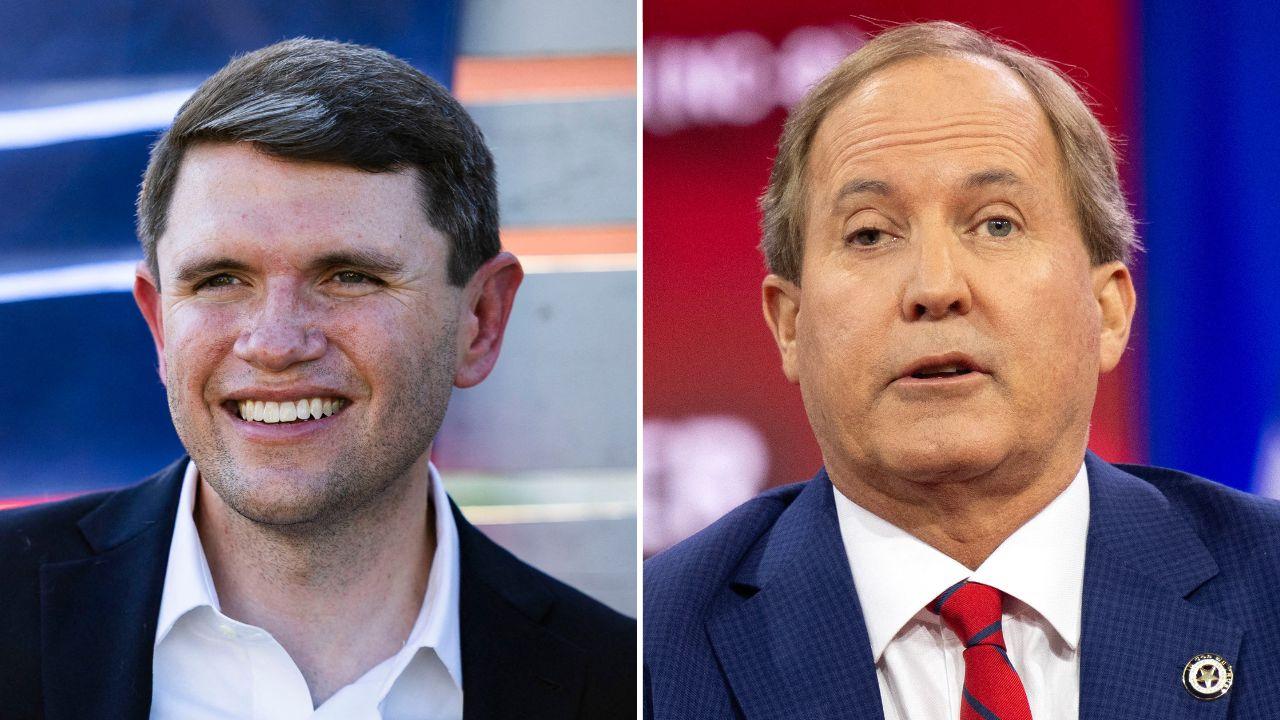
The candidate at the center of this controversy, James Talarico, is a Democratic challenger in the U.S. Senate race in Texas, running against incumbent Republican Texas Attorney General Ken Paxton. Texas is a politically significant state, and Senate races there often draw national attention and substantial campaign funding. The stakes are high for both parties, making any perceived advantage or disadvantage in media coverage a contentious issue.
Kimmel highlighted the unusual circumstances surrounding the interview, noting his long history of interviewing political figures from across the spectrum, including Hillary Clinton, Ted Cruz, and even then-candidate Donald Trump. He quipped about Trump’s apparent change of heart regarding talk show hosts interviewing candidates, suggesting that the current administration’s FCC might be operating under different directives. This veiled critique points to concerns that regulatory actions might be influenced by political agendas rather than solely by public interest mandates.

A Precedent Set: Stephen Colbert and the Digital Shift
This is not the first instance where James Talarico’s broadcast appearance has been shifted to a digital platform due to regulatory concerns. Stephen Colbert, host of CBS’s The Late Show, faced a similar predicament earlier in the election cycle. CBS lawyers reportedly blocked Talarico’s interview from airing on their broadcast, citing FCC guidance on political candidates appearing on talk shows.
Colbert subsequently posted that full interview on The Late Show‘s YouTube channel, where it amassed an impressive 9.5 million views. This prior incident established a precedent, demonstrating that digital platforms could serve as an alternative conduit for political content when traditional broadcast avenues become encumbered by regulatory hurdles. Kimmel explicitly referenced Colbert’s experience, framing his own decision as a necessary step to ensure Talarico’s voice could still be heard without jeopardizing ABC’s local affiliates.
Analysis of Broader Implications
The repeated shifting of political interviews from traditional broadcast television to platforms like YouTube carries significant implications for media, politics, and the public. For media organizations, it represents a continued erosion of broadcast television’s traditional role as a primary forum for political discourse. While digital platforms offer wider reach and fewer regulatory constraints, they also decentralize information, making it harder for a broad, undifferentiated audience to encounter diverse political viewpoints.
For political candidates, the shift necessitates adapting campaign strategies to leverage digital spaces, which may favor candidates with stronger online presences or those who can generate viral content. It also raises questions about the "equal time rule" in the digital age: if broadcast networks are compelled to move interviews online, does that truly satisfy the spirit of equal opportunity, or does it effectively diminish a candidate’s reach to a mainstream audience?
Impact on Public Discourse and Editorial Independence
The public impact of such moves is multifaceted. On one hand, it allows for uninterrupted, uncensored political interviews, free from the time constraints and regulatory anxieties of network television. Viewers who seek out this content can engage with candidates more deeply. On the other hand, it potentially limits incidental exposure for viewers who might not actively seek out political content on YouTube, thereby narrowing the funnel through which information flows to the general populace.
Perhaps the most concerning aspect for media watchdogs and First Amendment advocates is the perceived "chilling effect" on editorial independence. If networks feel compelled to self-censor or alter their programming decisions due to regulatory pressure, it could stifle critical political commentary and limit the range of voices heard on major broadcast channels. Kimmel’s direct accusation of the FCC "threatening" ABC signals a deep-seated fear within the industry that content decisions are increasingly subject to political interference.
Consequences and Next Steps
The immediate consequence of Kimmel’s decision is that James Talarico’s interview reached a digital audience, bypassing the traditional broadcast viewership. The long-term consequences, however, are still unfolding. The lawsuit between ABC and the FCC will be a pivotal case, potentially clarifying the boundaries of the FCC’s authority over content and the extent of broadcasters’ editorial freedom. The outcome could significantly reshape the regulatory landscape for political content on television.
Meanwhile, the increasing reliance on digital platforms for political engagement will likely continue, forcing both campaigns and media outlets to adapt. The ongoing saga between late-night hosts, political candidates, and federal regulators highlights the complex interplay of technology, law, and politics in shaping public discourse in the 21st century. As the 2026 election cycle progresses, the precedent set by Kimmel and Colbert may become a more common workaround for networks navigating an ever-changing and politically charged regulatory environment.