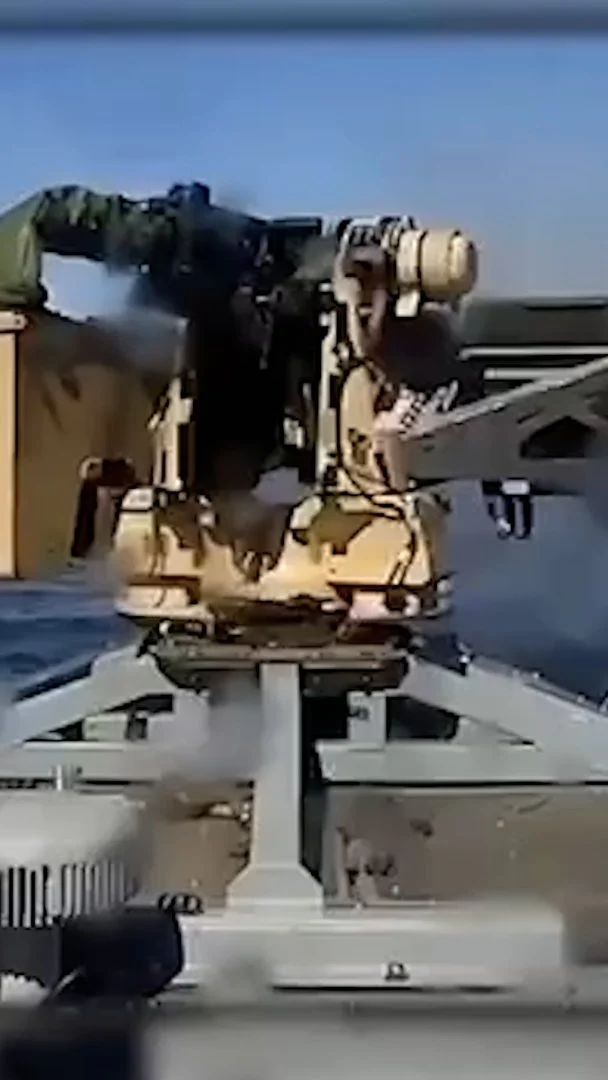
The Black Sea has become the crucible for a groundbreaking military development, as Ukrainian naval forces announced Saturday that they had successfully sunk a Russian vessel using one of their Unmanned Surface Vessels (USVs), marking the first documented instance of a naval engagement fought entirely by autonomous drones. This pivotal event, confirmed by Ukrainian military sources, signifies a dramatic escalation in the utilization of unmanned technology in modern warfare, particularly in the protracted conflict with Russia. The incident underscores a significant shift in naval tactics, moving beyond traditional surface combat to embrace the capabilities of remotely operated and autonomous platforms.
The engagement, reportedly occurring in the strategic waters of the Black Sea, saw a Ukrainian naval drone engage and ultimately destroy a Russian ship. While details regarding the specific type of Russian vessel and the exact circumstances of the attack remain under review, the confirmation from Ukrainian officials points to a deliberate and successful operation. This development is not merely a tactical victory for Ukraine; it represents a watershed moment in naval history, showcasing the growing prowess of drone warfare and its potential to reshape the balance of power in maritime theaters.
The Dawn of Autonomous Naval Warfare
The deployment of Unmanned Surface Vessels (USVs) in combat roles has been a growing trend, but this reported engagement elevates their status from reconnaissance and support assets to potent offensive weapons. USVs, essentially remotely piloted or autonomous boats, offer several advantages in naval operations. They can be equipped with various payloads, including surveillance equipment, mines, or weaponry, and can operate in high-risk environments without endangering human crews.
For Ukraine, which has faced a numerically superior Russian Black Sea Fleet, developing and deploying innovative solutions like naval drones has been crucial. These unmanned systems allow for asymmetric warfare, enabling Ukraine to challenge Russian naval dominance through unconventional means. The sinking of a Russian vessel with a drone represents a significant blow to Russia’s naval capabilities and its ability to project power in the region.
A Shifting Maritime Landscape
The Black Sea has been a focal point of military activity since Russia’s full-scale invasion of Ukraine in February 2022. Control of these waters is vital for Ukraine’s economy, particularly its grain exports, and for projecting power and defending its coastline. Russia has sought to establish naval supremacy, using its fleet to blockade Ukrainian ports and launch missile strikes.
Ukraine’s response has increasingly involved the use of drones, both aerial and maritime, to disrupt Russian operations. Previous attacks have targeted Russian warships and naval infrastructure, but this reported naval battle signifies a new level of sophistication and direct engagement. The success of this operation could embolden Ukraine to further integrate USVs into its naval strategy, potentially leading to a sustained campaign of drone-led maritime attacks.
Technological Evolution and Strategic Implications
The development and successful deployment of naval drones in combat raise profound questions about the future of naval warfare. This incident highlights the rapid pace of technological advancement in military applications and the increasing reliance on artificial intelligence and autonomous systems. The ability of drones to operate independently, identify targets, and execute attacks with minimal human intervention is a game-changer.
For nations around the world, this event serves as a stark reminder of the evolving nature of conflict. It underscores the need for continuous investment in drone technology and counter-drone measures. The implications extend beyond the immediate conflict, influencing naval doctrine, shipbuilding strategies, and international arms control discussions. The proliferation of such technology could lead to a new arms race in unmanned maritime systems.
Ukraine’s Drone Offensive: A Growing Threat
Ukraine has been a pioneer in the innovative use of drones during the ongoing conflict. From small, commercially available quadcopters used for reconnaissance and artillery spotting to more sophisticated, custom-built strike drones, Ukrainian forces have consistently demonstrated agility and ingenuity in leveraging unmanned aerial vehicles. The expansion of this capability to naval drones marks a logical progression.
The Ukrainian Ministry of Defense has been relatively transparent about its drone development programs, often showcasing new prototypes and successful operations. This latest announcement about the naval drone battle is consistent with their strategy of highlighting technological advancements that offset Russia’s conventional military advantages. The effectiveness of these drones in the Black Sea has already forced Russia to adapt its naval posture and defensive measures.
The Role of Unmanned Surface Vessels
Unmanned Surface Vessels, or USVs, are a diverse category of watercraft that operate without a human crew onboard. They can be remotely controlled by operators from a shore station or another vessel, or they can be programmed to navigate and execute missions autonomously using onboard sensors and artificial intelligence. Their applications are broad, ranging from hydrographic surveying and mine countermeasures to patrol, surveillance, and, as demonstrated, offensive combat.
The USVs used by Ukraine are believed to be relatively small but highly effective, designed for operations in coastal and littoral environments. Their success in this engagement suggests a sophisticated level of guidance and weaponization. The ability to operate in challenging maritime conditions and to successfully engage and neutralize a larger, crewed vessel is a testament to the technological sophistication and tactical planning involved.
Historical Context and Future Projections
While this is the first confirmed naval battle between drones, the concept of unmanned naval warfare has been explored for decades. Early iterations included remotely piloted target drones and experimental unmanned submersibles. However, recent advancements in battery technology, sensor fusion, artificial intelligence, and secure communication systems have made autonomous naval operations a reality.
The implications of this event are far-reaching. It signals a potential future where naval fleets are composed of a mix of crewed and uncrewed vessels, with drones performing dangerous missions and augmenting the capabilities of traditional warships. This could lead to a significant reduction in human casualties in future conflicts, but it also introduces new ethical and legal considerations regarding the use of autonomous weapons systems.
The Black Sea as a Testing Ground
The Black Sea, with its strategic importance and the ongoing conflict, has become an unintended but highly effective testing ground for advanced military technologies. Both Russia and Ukraine have been pushing the boundaries of what is possible in drone warfare, and this naval engagement is a direct result of that intense innovation.
The effectiveness of Ukrainian naval drones has already forced Russia to re-evaluate its naval deployments and defensive strategies in the region. There are reports of Russian vessels increasing their vigilance and employing countermeasures against drone attacks. This dynamic battlefield environment continues to drive rapid evolution in both offensive and defensive drone capabilities.
International Response and Arms Control
The international community is closely watching developments in the Black Sea. The successful use of naval drones in combat raises questions about international law, rules of engagement, and the potential for escalation. There are ongoing discussions within international forums regarding the regulation of autonomous weapons systems, and this incident will undoubtedly add urgency to those debates.
For military analysts and defense strategists worldwide, this event provides invaluable data on the practical application and effectiveness of drone warfare. It will influence procurement decisions, research and development priorities, and military doctrines across numerous navies. The era of fully autonomous naval combat has, it appears, begun.
The confirmation of this historic naval engagement underscores the transformative impact of unmanned systems on modern warfare. As Ukraine continues to leverage these technologies, the Black Sea remains a critical theater where the future of naval conflict is being actively shaped, marking a significant turning point in military history. The strategic implications are vast, suggesting a future where autonomous platforms play an increasingly central role in maritime security and power projection.