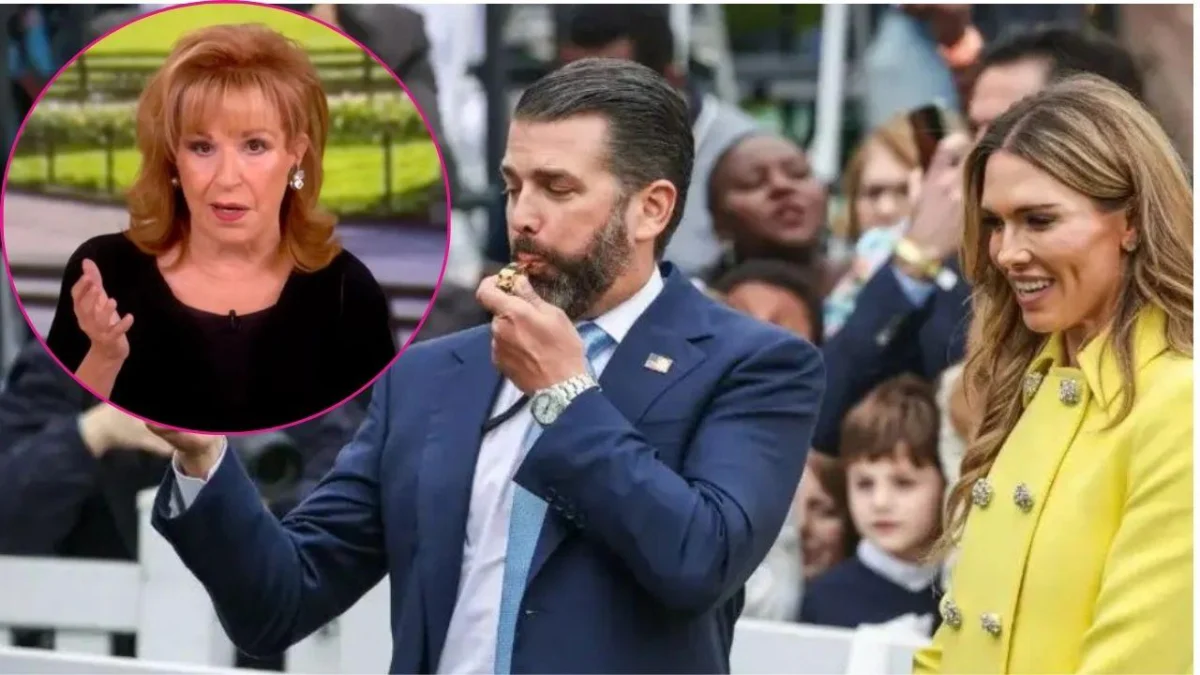
Veteran television host Joy Behar publicly lampooned Donald Trump Jr. following revelations that a Russian oligarch with close ties to Vladimir Putin allegedly financed significant portions of his recent wedding festivities in the Bahamas. The controversy centers on the perceived hypocrisy of the Trump family, who often criticize others for seeking assistance while accepting substantial financial support from foreign entities deemed adversaries by the U.S. government. Behar, a co-host on ABC’s The View, delivered a biting commentary, transforming the couple’s description of the payment as a "generous gift from a friend" into a pointed "generous grift from a friend, maybe."
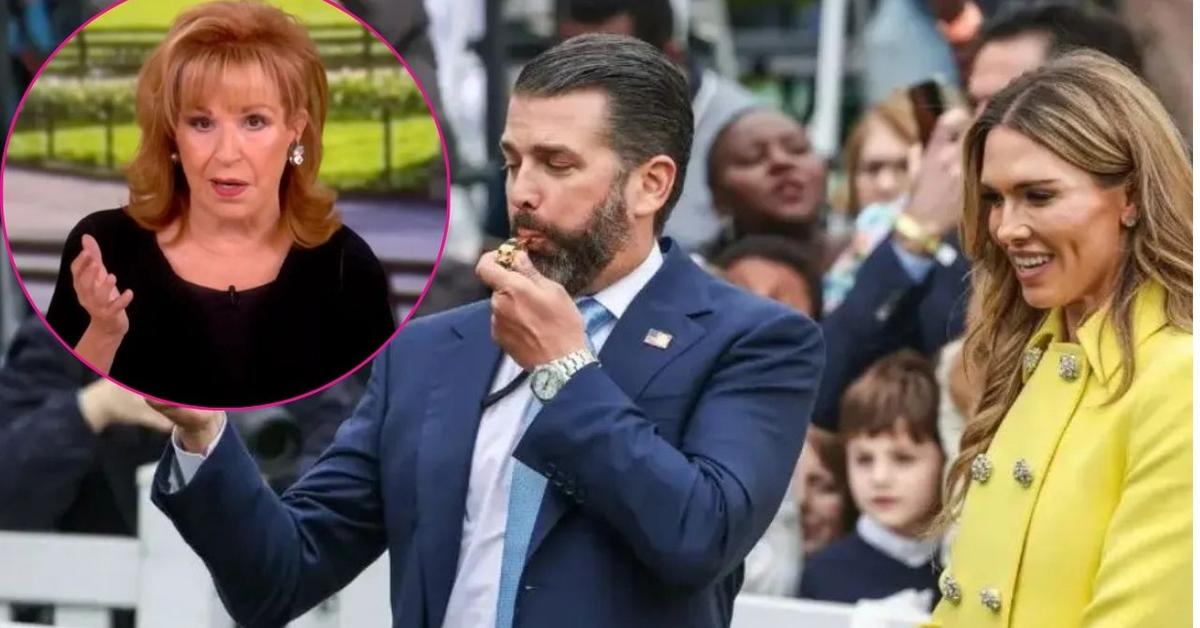
The initial report, published by ProPublica, detailed how Umar Kremlev, a Russian businessman, reportedly covered various expenses for Donald Trump Jr.’s May wedding weekend. Kremlev, identified as a figure deeply entrenched within Russian President Vladimir Putin’s inner circle, is also known for a history that includes allegations of criminal extortion and bribery. This financial arrangement has ignited a fresh round of scrutiny over the Trump family’s long-standing connections to Russian interests, prompting widespread debate among political commentators and the public alike.
The Unveiling of Controversial Wedding Sponsorship
According to the ProPublica investigation, which was subsequently confirmed by sources close to the couple, Umar Kremlev’s involvement in Donald Trump Jr.’s wedding in the Bahamas was extensive. The report indicated that Kremlev allegedly paid $100,000 to rent the exclusive island where the nuptials took place. Furthermore, he reportedly footed a $70,000 bill for a lavish fireworks display, an extravagant gesture made even more curious by the fact that Kremlev himself did not attend the wedding. These figures, amounting to hundreds of thousands of dollars, highlight the significant scale of the Russian oligarch’s alleged contribution to the high-profile event.
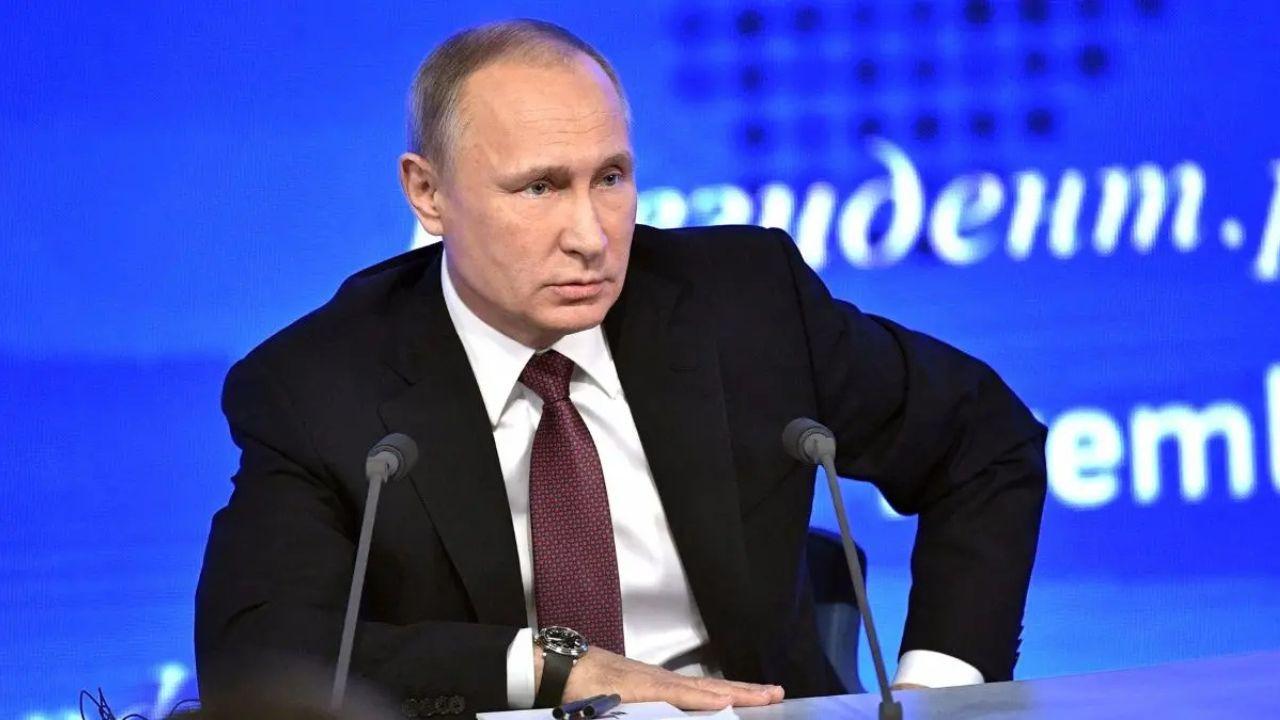
Kremlev’s profile adds a layer of geopolitical tension to the financial transaction. He is not merely a wealthy individual but a figure with documented links to the Kremlin. Just a month prior to the wedding, Kremlev had reportedly received an "Order of Friendship Award" directly from President Putin, underscoring his proximity to the Russian state apparatus. He had also recently returned from a trip to China with Putin, further cementing his status as a key player in Moscow’s international engagements. Moreover, the Ukrainian government has sanctioned Kremlev, identifying him as part of a network supporting a regime currently engaged in an aggressive war against Ukraine. ProPublica also noted his past legal troubles, including a "rap sheet" for criminal extortion and bribery, casting a shadow over the nature of his "friendship" with Donald Trump Jr.
Joy Behar’s Sharp Critique and the Panel’s Reaction
During the segment on The View, Joy Behar did not mince words, using humor to underscore the gravity of the situation. Her quip about a "generous grift" immediately resonated, framing the transaction not as an act of kindness but as potentially illicit or at least ethically questionable. Behar then pivoted to a more serious point, criticizing what she characterized as the Trump family’s consistent solicitation of funds, particularly from foreign sources, while simultaneously condemning welfare recipients or those in need of public assistance. "What really breaks me," Behar stated, "is that…this particular group we’re talking about is outraged when a single mother on welfare is asking for assistance, or some needy person needs some money to help them get through life; they are outraged by that. And yet, this family has their hand out 24/7." She concluded this line of argument with a direct challenge to Donald Trump Jr.: "You know what, Junior? Pick yourself up by your bootstraps."

Behar’s co-hosts on The View echoed her sentiments, offering their own perspectives on the controversy surrounding Donald Trump Jr. Sara Haines highlighted the glaring double standard: "It’s absolutely a bad look." She drew a parallel to the recent U.S. Open, where elite Russian tennis players were prohibited from displaying their national flag to avoid legitimizing the Putin regime. Haines found it incongruous that "the president’s son can accept hundreds of thousands of dollars from a Russian businessman who is close to Putin." This discrepancy, she argued, "just doesn’t track for me."
Alyssa Farah Griffin, a former White House Director of Strategic Communications under Donald Trump, provided additional context regarding the severity of the Russian regime’s actions. "And keep in mind, as we are speaking, Putin and his regime are literally bombing civilians in Ukraine. They are slaughtering innocent civilians," Griffin emphasized, calling it an "incredibly evil and rogue regime." She further detailed Kremlev’s recent accolades from Putin and his sanctioned status by Ukraine, reinforcing the problematic nature of his involvement. Griffin lightened the tone momentarily with a relatable anecdote: "I remember, I didn’t invite a girlfriend to my wedding because I was worried she was going to drink too much and embarrass me. You don’t have to invite everyone to your wedding," implicitly suggesting Trump Jr. could have avoided this donor.
Broader Implications and Historical Context of Foreign Ties
Sunny Hostin, another co-host, meticulously outlined the precise financial contributions by Kremlev, including the island rental and fireworks display. She then invoked Hillary Clinton, remarking, "It’s like everything she said came true," referencing past warnings about potential Russian influence in American politics. Hostin expanded on the pattern of the Trump family’s financial dealings with foreign entities, citing Jared Kushner’s $2 billion deal with Saudi Arabia and Ivanka Trump’s acquisition of numerous Chinese patents.
Hostin’s remarks underscored a recurring theme in the Trump era: the extensive financial ties between the family and various foreign governments or influential individuals. She drew a direct comparison to the intense Republican scrutiny faced by Hunter Biden for his involvement with the Ukrainian company Burisma. "They’ve made hundreds upon hundreds of millions of dollars off the backs of the American people," Hostin asserted, adding, "and every Republican was so upset that Hunter Biden was on that Ukrainian company board [Burisma]. Where are the Republican voices that are upset about this? I don’t hear any." This pointed question highlighted what critics perceive as a partisan double standard in evaluating ethical conduct and foreign influence.

The public reaction to the news has been mixed, largely falling along existing political divides. Supporters of Donald Trump Jr. and the broader Trump family often dismiss such reports as politically motivated attacks or sensationalized media narratives, emphasizing personal relationships or business dealings unrelated to state influence. Conversely, critics view these revelations as further evidence of a troubling pattern, suggesting a willingness to engage with figures connected to adversarial governments, potentially compromising American interests for personal gain.
The controversy surrounding Donald Trump Jr.’s wedding funding serves as another flashpoint in the ongoing national conversation about the ethics of political figures accepting financial benefits from foreign nationals, especially those with questionable backgrounds or ties to hostile regimes. It reignites debates about transparency, accountability, and the potential for undue influence in American politics. As the 2024 election cycle continues, the financial dealings of prominent political families, and their connections to international actors, are likely to remain under intense scrutiny, shaping public perception and fueling political discourse.