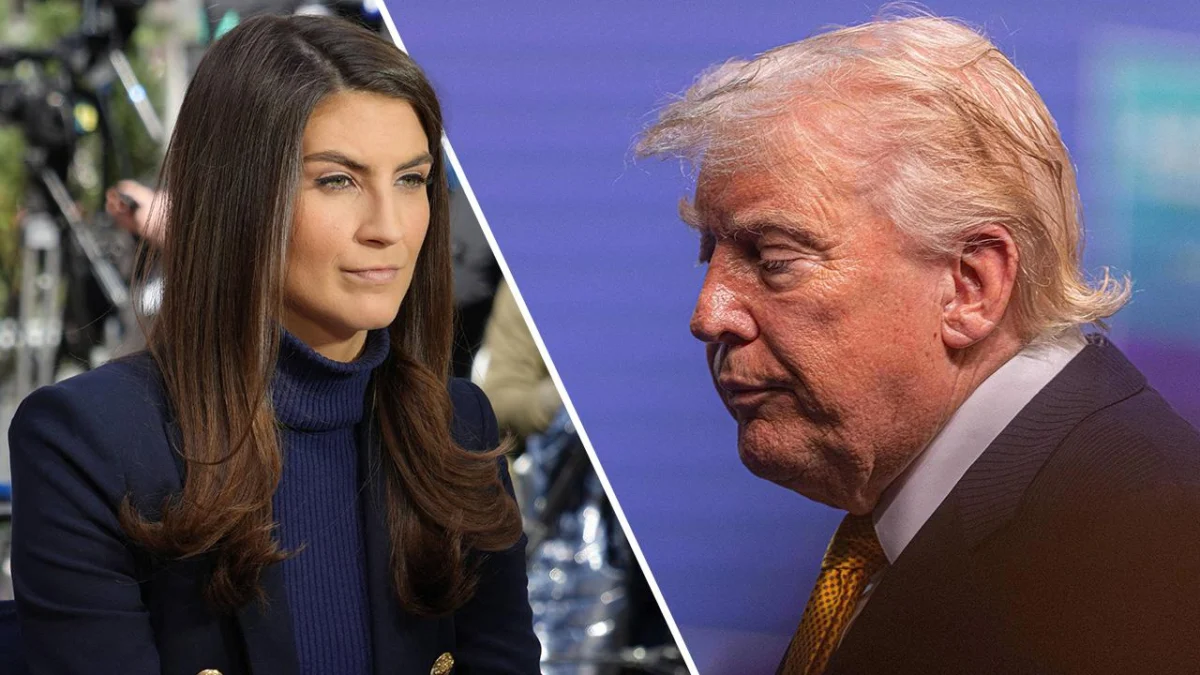
CNN anchor Kaitlan Collins directly challenged former President Donald Trump’s assertion that the network had declared it would not cover him, emphatically stating, "We’ve never said that," following a tense exchange at the United Nations General Assembly in New York City on Tuesday, September 22, 2026. The high-profile confrontation underscored the escalating tensions between the former president and news organizations, particularly in the wake of his administration’s recent revocation of White House press credentials for several major outlets.
A Public Confrontation at the UN
The contentious encounter unfolded as Trump made an appearance at the UN global summit. Spotting Collins amidst the press corps, the former president pointedly addressed her, declaring, "I’m surprised that CNN is here covering me. You should not be here covering me. You said you weren’t going to cover me." This public rebuke came despite the fact that the United Nations independently credentials reporters, thereby circumventing any restrictions imposed by the White House on specific media organizations. Collins, a seasoned White House correspondent at the time, continued her journalistic duties, questioning the former president as he engaged with the press.
The Core of the Discrepancy: CNN’s Stance
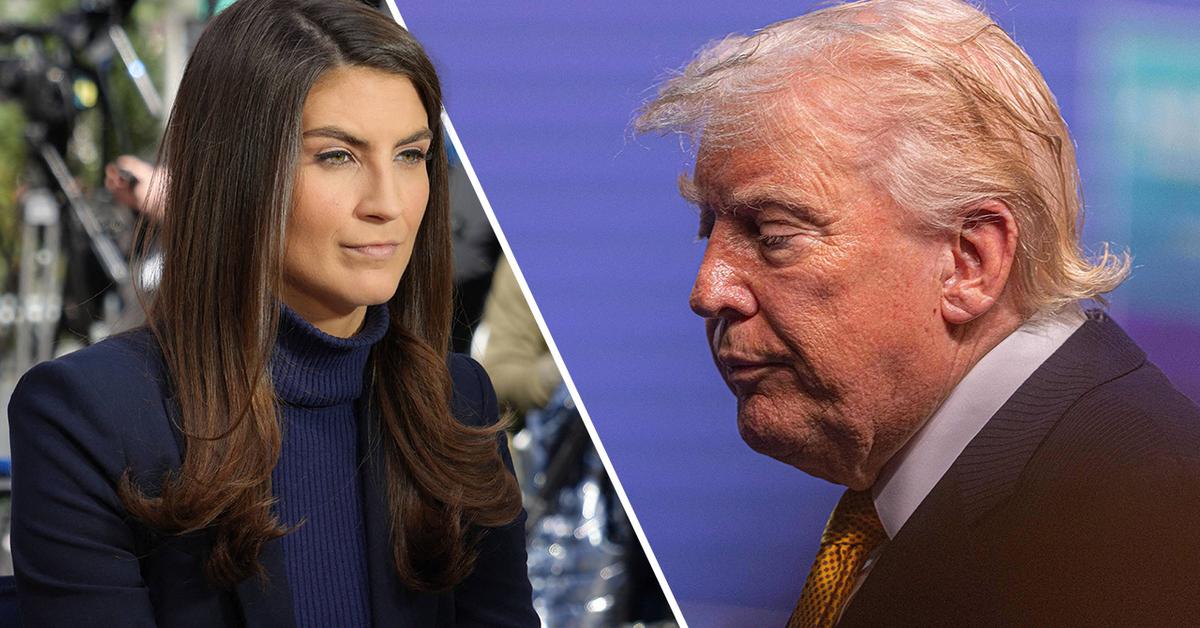
Later that evening, appearing on Anderson Cooper’s program, Collins set the record straight regarding Trump’s claims. She clarified that CNN had never issued any statement indicating a refusal to cover the former president. "The president himself was saying something that CNN has never asserted about not covering him. We’ve never said that," Collins explained. She further elaborated on the network’s editorial independence, noting, "The president is the one who’s trying to dictate how we cover him. And of course, it is still our job to do so." Her remarks highlighted the fundamental principle of journalistic autonomy, asserting that media outlets determine their coverage based on newsworthiness, not at the behest of political figures.
Escalating Tensions: The White House Media Ban
The incident at the UN General Assembly was the latest flashpoint in a prolonged and often hostile relationship between Donald Trump and a segment of the American press, particularly CNN. Throughout his presidency and beyond, Trump consistently labeled news organizations critical of his administration as "fake news" and "enemies of the people," frequently singling out CNN for criticism. This rhetoric culminated in a formal action on Friday, September 18, 2026, when the Trump administration announced an "effective immediately" ban, revoking the White House press credentials for CNN, MS NOW, and Politico.
White House press credentials are vital for journalists to access daily briefings, press conferences, and key officials within the executive branch. The revocation of these credentials effectively bars reporters from covering the president and his administration from inside the White House, a move widely condemned by press freedom advocates as an unprecedented attack on the First Amendment. This ban was not merely symbolic; it sought to restrict the physical access of journalists to the epicenter of American political power, fundamentally altering their ability to report on presidential activities.

Bypassing Restrictions at the UN
The ability of Kaitlan Collins to question Donald Trump at the UN General Assembly highlighted a critical distinction in media access. Unlike White House events, which fall under the jurisdiction of the executive branch’s credentialing process, the United Nations operates under its own independent system for accrediting journalists. This international body, dedicated to global diplomacy and cooperation, maintains a policy of open access for legitimate news organizations covering its proceedings. Consequently, the White House ban, while impacting access to domestic presidential events, held no sway over media presence at the UN global summit, allowing Collins and other reporters from barred outlets to continue their coverage of Trump on foreign soil. This independent credentialing underscored the limitations of the White House’s ability to fully control the narrative, particularly when a president engages with international forums.
Legal Battle for Press Freedom
In response to the White House’s ban, the three affected news organizations — CNN, MS NOW, and Politico — swiftly united to challenge the administration’s actions. On Monday, September 21, 2026, they filed a joint federal lawsuit, arguing that the revocation of their press credentials unconstitutionally violates the First Amendment. The lawsuit contended that denying access based on perceived unfavorable coverage constitutes viewpoint discrimination, an infringement on freedom of the press and the public’s right to receive information from a diverse range of sources. A federal hearing regarding an emergency temporary restraining order was scheduled for Wednesday afternoon, September 23, 2026, a day after the UN confrontation. This legal challenge aimed to compel the administration to reinstate the credentials, setting the stage for a significant judicial test of executive power versus constitutional press freedoms. The outcome of this hearing was keenly anticipated by media organizations and legal experts alike, as it carried implications for the future of journalistic access and accountability.
Industry Solidarity and Impact on Coverage
The Trump administration’s ban did not only provoke a legal challenge but also spurred a rare display of solidarity within the media industry. In a powerful collective protest, major television networks, including ABC, CBS, NBC, and even the often Trump-friendly Fox News, announced they would suspend their pooled White House coverage of the president. Pooled coverage is a system where a small group of reporters covers an event on behalf of all news organizations, sharing their reports, photos, and video. By withdrawing from this arrangement, these networks signaled their condemnation of the administration’s restrictions, effectively reducing the president’s desired broadcast visibility.
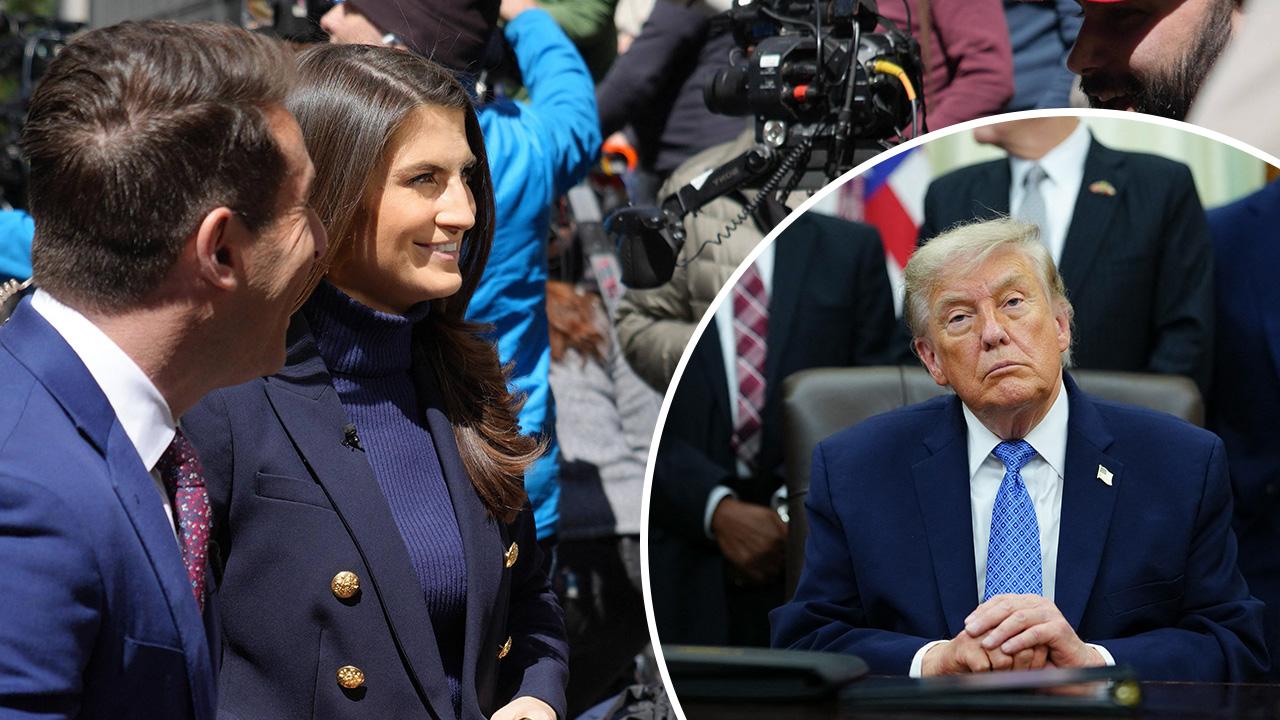
Kaitlan Collins herself noted the strategic impact of this unity. "So it is affecting the coverage of the president and the way that he likes to see it, which is broadcast on television, and in these key moments where he’s speaking with world leaders and answering questions from reporters," she observed. The collective action underscored a shared understanding among diverse news outlets that an attack on one’s press freedom could ultimately undermine the entire journalistic enterprise. This unprecedented display of unity demonstrated the industry’s commitment to protecting fundamental access, even if it meant sacrificing certain immediate coverage opportunities.
Political Backlash and Constitutional Concerns
The White House’s actions and Donald Trump’s direct confrontation with Kaitlan Collins drew sharp criticism from political figures and civil liberties advocates. Senator Cory Booker, a Democrat from New Jersey, expressed outrage over the former president’s treatment of the CNN star during an interview on Collins’ own show. "The way the president disrespected you should outrage all Americans," Booker stated emphatically. He framed the issue as a broader assault on foundational democratic principles: "In a war against the First Amendment and the press, consider this a unifying thing for our country in defending CNN and, frankly, the kind of treatment that you endured today."
Collins acknowledged the importance of this support, particularly in the face of executive attempts to curtail media access. "Well, obviously, we do appreciate the solidarity from our colleagues because I think the point that we’ve made during this is that if it can happen to CNN, it can happen to any other outlet," she responded. Her remarks highlighted the chilling precedent such bans could set, potentially enabling future administrations to selectively punish or exclude news organizations based on their reporting, thereby undermining the critical role of a free and independent press in holding power accountable. The unified front from both media outlets and political figures underscored the gravity of the challenge to constitutional guarantees.
Trump’s Continued Attacks on the Press
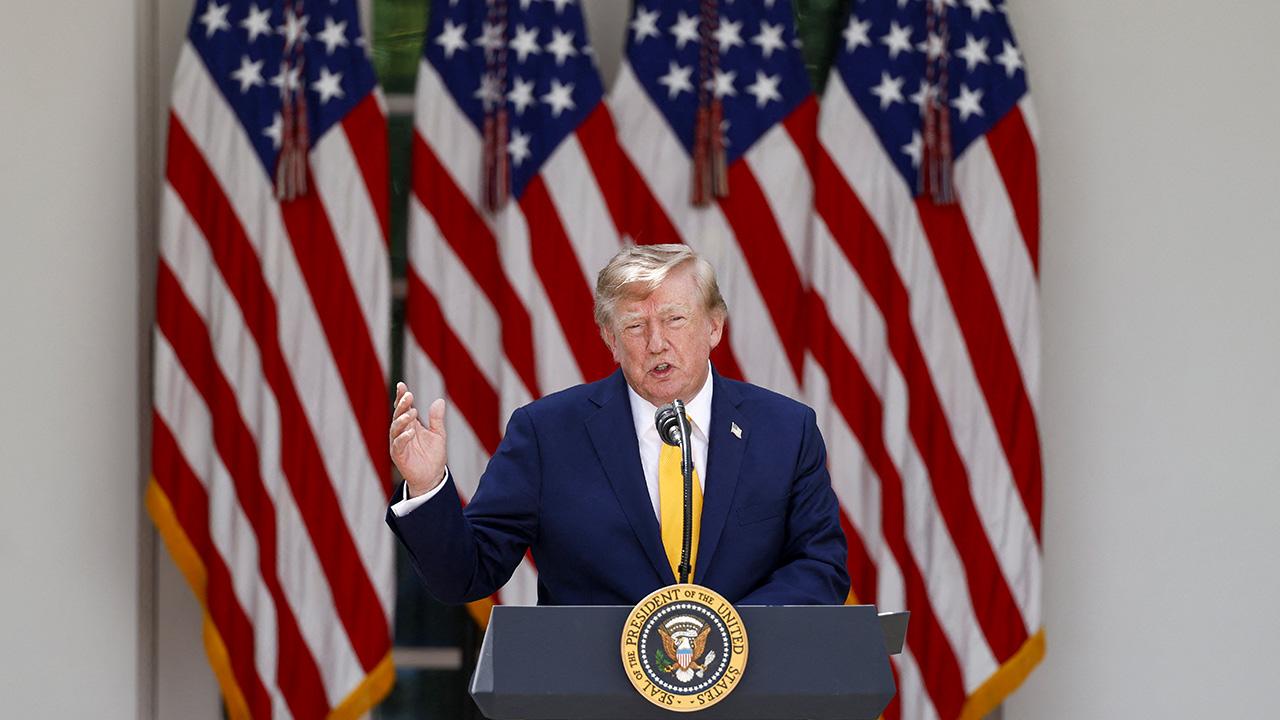
Despite the widespread condemnation and the pending legal challenge, Donald Trump continued his pattern of disparaging critical media. Following Kaitlan Collins’ on-air rebuttal and the subsequent political commentary, the former president took to Truth Social, his social media platform, late that night. In a characteristic post, he launched another attack, accusing Collins of having a "TRUMP addiction." This response was consistent with his long-standing strategy of delegitimizing news reports he deemed unfavorable by framing them as personal attacks or obsessions, rather than legitimate journalistic inquiry. Such rhetoric often resonates with his base, further deepening the partisan divide in public trust in media institutions. The repeated personal nature of these attacks underscores the former president’s deep-seated animosity towards perceived critics in the press, positioning the conflict as a battle of wills rather than a matter of journalistic integrity or constitutional rights.
The Enduring Fight for Transparency
The unfolding drama surrounding the White House media ban and the direct confrontation between Donald Trump and Kaitlan Collins represents a significant chapter in the ongoing struggle over press freedom in the United States. It underscores the fundamental tension between a government that seeks to control its narrative and a free press constitutionally mandated to inform the public without fear or favor. The legal battle in federal court, coupled with the unified stand of major news organizations, highlights the critical importance of maintaining access and resisting attempts to silence or selectively exclude journalists.
As the federal hearing for the temporary restraining order approached, the broader implications for democratic discourse remained at the forefront. The ability of journalists to report on the activities of the executive branch, to question leaders, and to provide comprehensive coverage is a cornerstone of a healthy democracy. Attempts to restrict this access, whether through official bans or public intimidation, challenge the very principles of transparency and accountability that underpin a free society. The events of September 2026 served as a potent reminder of the vigilance required to protect these essential freedoms, ensuring that the public remains informed and that power remains subject to scrutiny.