A formidable Nor’easter storm, bearing down on the Mid-Atlantic coast, has forced the cancellation of the opening day of the Oceans Calling Festival in Ocean City, Maryland, wiping out performances by a star-studded lineup of musicians. The decision, announced Thursday, September 24, cites insurmountable weather-related challenges that have rendered the festival site unsafe and incomplete for the planned September 25 launch of the three-day event.
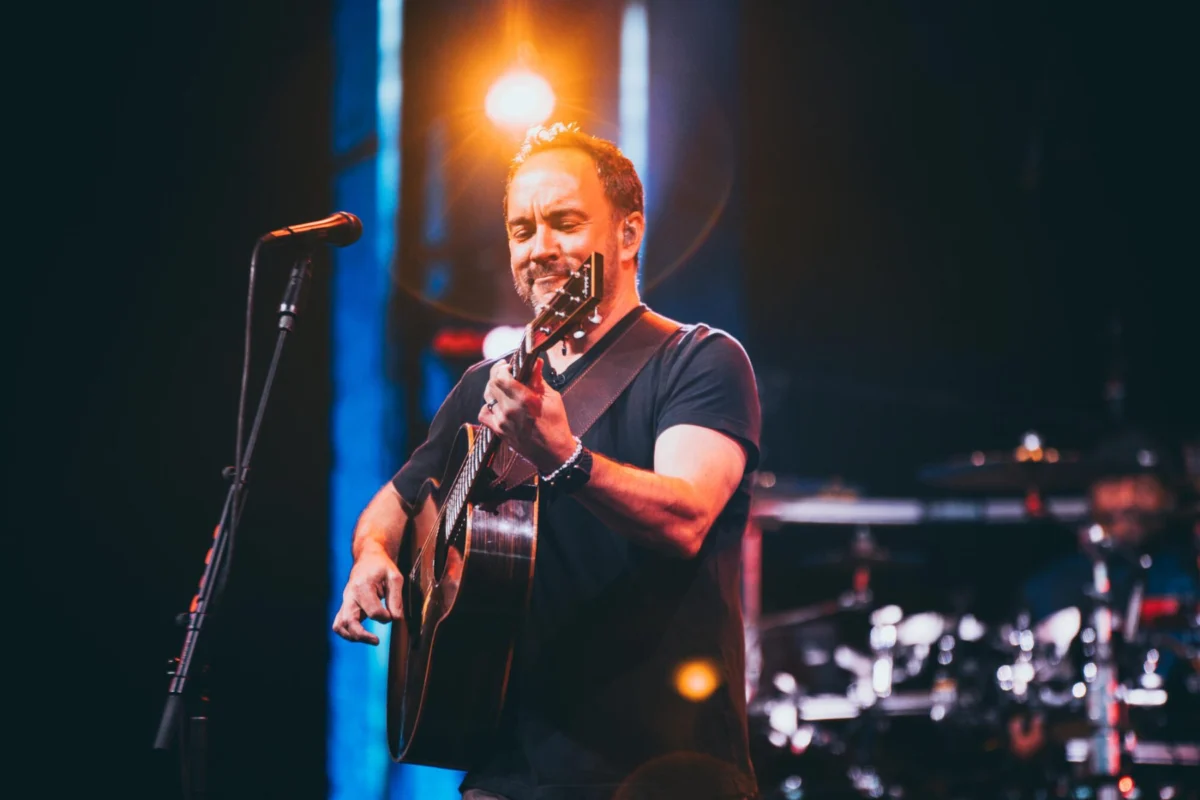
The festival organizers cited significant impacts from the week’s ongoing weather, including severe beach erosion that directly affected the festival grounds. This erosion, coupled with the forecast for sustained high winds and heavy rain, made it impossible for production, site, and safety teams to complete the necessary construction and preparations in time for the scheduled opening. Consequently, the entire Friday lineup, featuring prominent artists such as the Dave Matthews Band, Ludacris, O.A.R., Yellowcard, Shaggy, and Liz Phair, has been officially canceled.
Nor’easter Unleashes Fury, Disrupts Coastal Events
The powerful Nor’easter, a recurring weather phenomenon along the East Coast, is expected to bring substantial challenges to the region. Meteorologists predict coastal flooding, significant beach erosion, and powerful wind gusts that could exceed 55 miles per hour along the shoreline. Ocean City Emergency Services Director Joe Theobald highlighted the prolonged nature of the storm as a critical factor in the decision-making process.
"This is a typical nor’easter for the coastline. It’s nothing new for Ocean City," Theobald stated. "So it’s a sustained period of time, and that’s really what’s played into this." He further elaborated that the existing beach erosion near the inlet, a key area for festival infrastructure, combined with the anticipated worsening weather, led to the difficult decision to cancel Friday’s festivities.
Artist Lineup and Ticket Holder Repercussions
The cancellation means that ticketholders will not have the opportunity to witness the performances of a diverse array of musical talent. Beyond the previously mentioned headliners, the canceled Friday schedule also included Hootie & the Blowfish, Everlast, Gavin DeGraw, Better Than Ezra, and numerous other scheduled acts. Organizers emphasized that the paramount concern is the safety of festival attendees, artists, crew members, and the local community.
In response to the cancellation, festival organizers confirmed that one-day Friday tickets will be automatically refunded. Additionally, 33% of all 3-Day tickets purchased through Front Gate Tickets will also be subject to automatic refunds within a 30-day period. Further details regarding refunds and potential adjustments for the remainder of the weekend are expected to be communicated as the situation evolves.
Climate Change’s Growing Impact on Outdoor Events
The cancellation of the Oceans Calling Festival’s opening day serves as a stark reminder of the increasing vulnerability of outdoor events to extreme weather patterns, a trend often linked to the broader impacts of climate change. This summer and early fall have seen a notable increase in severe weather events disrupting music festivals and other large-scale gatherings across the country.
The Oceans Calling incident follows closely on the heels of other notable weather-related cancellations. Earlier this month, the inaugural Ocean Way Festival in Santa Monica, California, was called off two weeks prior to its debut due to dangerous high surf and flooding attributed to Hurricane Marie. This disruption underscores the growing unpredictability of coastal weather systems and their potential to derail meticulously planned events.
Precedents of Festival Disruptions
The phenomenon of weather-induced cancellations is not isolated to coastal events. The renowned Bonnaroo Music and Arts Festival faced significant challenges during its 2027 edition, with the grounds sustaining damage from severe storms that pounded the area throughout the event. This ultimately led organizers to cancel the subsequent year’s festival, citing the need for the grounds to rest and recover.
These disruptions highlight a broader trend where the traditional festival season, typically spanning the warmer months, is increasingly being impacted by unseasonable and severe weather. The increased frequency and intensity of storms, amplified by climate change, are forcing event organizers to contend with greater risks and implement more robust contingency plans.
Broader Implications for the Festival Industry
The cumulative effect of these cancellations poses significant financial and logistical challenges for the festival industry. Beyond the direct costs of canceled events, there are substantial losses in revenue for artists, vendors, local businesses, and tourism sectors that rely on these gatherings. The uncertainty introduced by increasingly volatile weather patterns also complicates long-term planning and investment in outdoor entertainment.
Moreover, the environmental context of these events is becoming increasingly important. Wildfires, for instance, have also played a role in festival disruptions. In a separate incident earlier this summer, a raft of concerts were postponed or canceled due to poor air quality stemming from widespread wildfires in the northeastern United States and southern Canada. This impacted performances by notable artists such as The Black Keys, John Mellencamp, and Mavis Staples, demonstrating the far-reaching consequences of environmental events on the music industry.
The Path Forward for Oceans Calling and Future Events
As of press time, organizers of the Oceans Calling Festival had not released updated information regarding the potential impact of the Nor’easter on Saturday and Sunday’s scheduled performances. The festival, which is primarily situated along the Ocean City boardwalk, has a robust lineup planned for the remaining days, including major acts like Twenty One Pilots, Gwen Stefani, Goo Goo Dolls, Third Eye Blind, Mumford & Sons, Matchbox Twenty, Caamp, and My Morning Jacket.
The industry is watching closely to see how Oceans Calling navigates the remainder of its planned schedule. The event’s response, along with the ongoing recovery and planning for other affected festivals, will provide valuable insights into the adaptive strategies required for the future of large-scale outdoor events in an era of heightened climate volatility. The focus remains on prioritizing safety while attempting to salvage as much of the intended festival experience as possible for attendees and artists alike.