Prominent media personality Megyn Kelly has sharply criticized the jurors in the high-profile Lindsay Clancy murder trial, asserting that they were "too clueless to understand" their role after several members publicly labeled the lone holdout juror as "arrogant" following the declaration of a mistrial. Kelly, known for her incisive legal commentary, took to her show to sarcastically lambaste the majority jurors for their perceived lack of humility and open-mindedness regarding the dissenting opinion that ultimately prevented a unanimous verdict. Her remarks ignited further debate surrounding the emotionally charged case and the complexities of jury deliberation in cases involving mental health defenses.
Background of the Lindsay Clancy Case

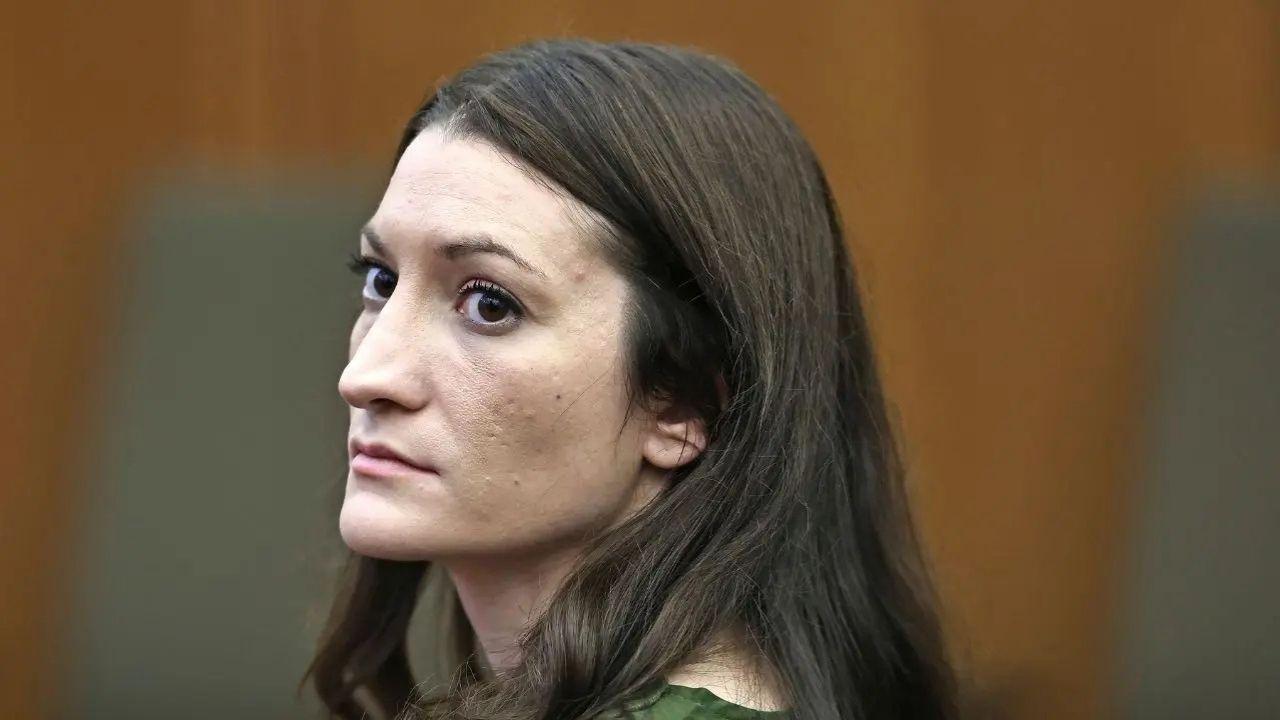
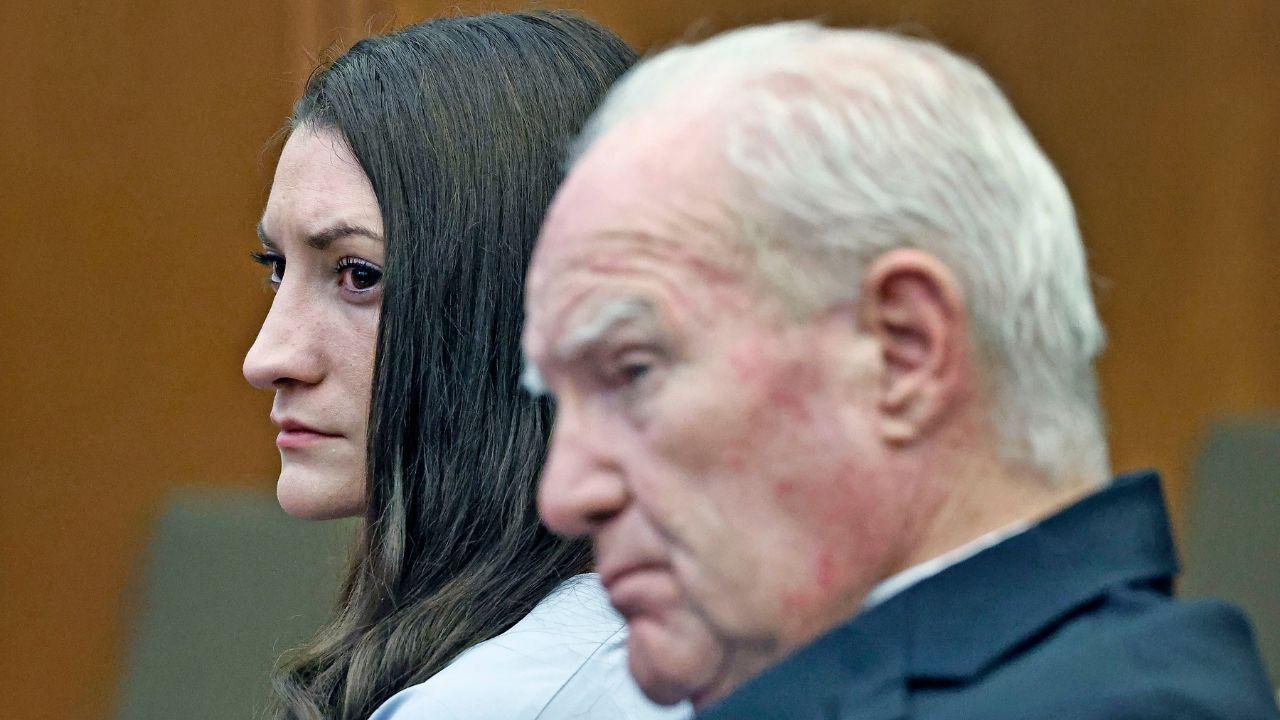
The case against Lindsay Clancy garnered national attention due to its tragic and disturbing nature. Clancy, a former labor and delivery nurse from Duxbury, Massachusetts, was charged with three counts of first-degree murder, two counts of strangulation, and three counts of assault and battery with a dangerous weapon. The charges stemmed from the horrific events of January 24, 2023, when she was accused of fatally strangling her three young children—Cora, 5, Dawson, 3, and Callan, 7 months—at their family home. Following the alleged murders, Clancy attempted suicide by jumping from a second-story window, an act that left her paralyzed.
Clancy’s legal team mounted a defense of "lack of criminal responsibility," essentially an insanity defense, arguing that she was suffering from a severe postpartum psychiatric episode at the time of the killings. This defense hinged on extensive medical records presented during the trial, which indicated Clancy had been prescribed a potent "cocktail" of up to 13 different medications, including antidepressants and anti-anxiety drugs, in the four months leading up to the tragedy. The defense contended that these medications, coupled with a deteriorating mental state, rendered her incapable of understanding the criminality of her actions. Prosecutors, conversely, argued that Clancy had planned the murders and was criminally responsible despite her mental health struggles.
The Lindsay Clancy Trial and Its Unforeseen Conclusion

The trial itself was a grueling six-week proceeding marked by harrowing testimony, detailed medical evidence, and impassioned arguments from both sides. Jurors were tasked with sifting through complex psychiatric evaluations, conflicting expert opinions, and the sheer emotional weight of the case. After the presentation of evidence and closing arguments, the jury commenced deliberations, a process that extended over several days, highlighting the deep divisions within the panel.
On September 4, after extensive and apparently contentious discussions, the presiding judge declared a mistrial. The jury announced it was hopelessly deadlocked, unable to reach the unanimous decision required for a verdict. Reports later emerged, notably from The New York Times, indicating that the jury was split 11-1, with a single juror holding out against convicting Clancy. This outcome left the victim’s family, the prosecution, and the public grappling with profound disappointment and uncertainty regarding the future of the case.
Jurors Speak Out and Criticize the Holdout

The days following the mistrial saw an unusual public airing of grievances from some of the jurors. Speaking to NBC10 Boston on Tuesday, September 8, jury member Paula Devlin expressed her frustration, explicitly labeling the lone holdout juror as "very arrogant." Devlin recounted how the holdout had "completely disregarded the information" provided by other jurors, particularly those with nursing backgrounds who had attempted to offer insights into medical aspects of the case, including the impact of the medications Clancy was prescribed.
Roni Carlson, the jury foreperson, echoed Devlin’s sentiments, providing further detail on the breakdown of deliberations. Carlson told the outlet that the holdout juror "admitted he had reasonable doubt" regarding Clancy’s criminal responsibility. Despite this acknowledgment, which would typically align with a "not guilty" verdict in an insanity defense context, the juror reportedly stated, "But I’m still not gonna say that she’s not guilty by reason of insanity." This apparent contradiction and steadfast refusal to align with the majority, even after acknowledging doubt, became a central point of contention and the basis for the other jurors’ criticisms regarding his demeanor and decision-making.
Megyn Kelly’s Vehement Defense of the Holdout Juror
Megyn Kelly, during her Wednesday, September 9, broadcast of "The Megyn Kelly Show," wasted no time in responding to these public statements from the Lindsay Clancy jurors. Her commentary was steeped in sarcasm and direct condemnation of the jurors who spoke out. "They’re mad because he was arrogant, unlike you ladies who seem very humble and open-minded to differences of opinion," Kelly quipped, directly challenging the narrative put forth by Devlin and Carlson.
Kelly’s defense of the lone holdout juror was unequivocal. She argued that it was "not appropriate" for the nurses on the jury to attempt to "interpret the toxicology" reports as "little mini experts." Her point underscored a fundamental principle of jury service: jurors are meant to be impartial arbiters of fact, relying on evidence presented in court and their common sense, not personal professional expertise unless formally qualified as expert witnesses. "Then to get p—– off that he’s not listening — that’s really what that was," Kelly asserted, implying that the other jurors were offended by the holdout’s refusal to defer to their perceived specialized knowledge.
Kelly emphasized that the holdout juror’s decision to "reject that as not the expertise he was going to base a life-or-death decision on was entirely appropriate." She went further, suggesting that the complaining jurors were "too clueless to understand that they’re actually openly b——- about it, saying like he was arrogant because he didn’t accept our expertise. No one called you as experts. You were there as laypeople, citizen jurors." This statement encapsulated her core argument: the jurors had overstepped their bounds by attempting to act as experts and then unfairly criticizing a fellow juror for adhering to his role as a layperson.
Broader Implications and Public Discourse
The Lindsay Clancy trial and the subsequent public comments from its jurors, followed by Megyn Kelly’s strong reaction, have ignited a significant public discourse on several critical aspects of the American justice system. One key area is the function and integrity of jury deliberations, particularly in high-stakes cases where complex scientific or medical evidence is central to the defense. Kelly’s remarks highlight the tension between jurors bringing their diverse life experiences into the deliberation room and the imperative to base decisions solely on evidence presented and legal instructions provided by the court.
The case also continues to fuel conversations about mental health, specifically postpartum psychiatric conditions, within the criminal justice context. The "insanity defense" remains one of the most challenging and controversial legal arguments, often polarizing public opinion. Many struggle to reconcile the horrific nature of the crime with the legal concept of diminished capacity due to severe mental illness. Kelly acknowledged this difficulty, stating, "We also had a really difficult time getting past the fact that she viciously killed her children. Yes, that’s a normal human reaction to what she did." This sentiment reflects a widespread public struggle to empathize with a defendant facing such grave accusations, even when mental health is a factor.
Consequences and Future Steps for Lindsay Clancy
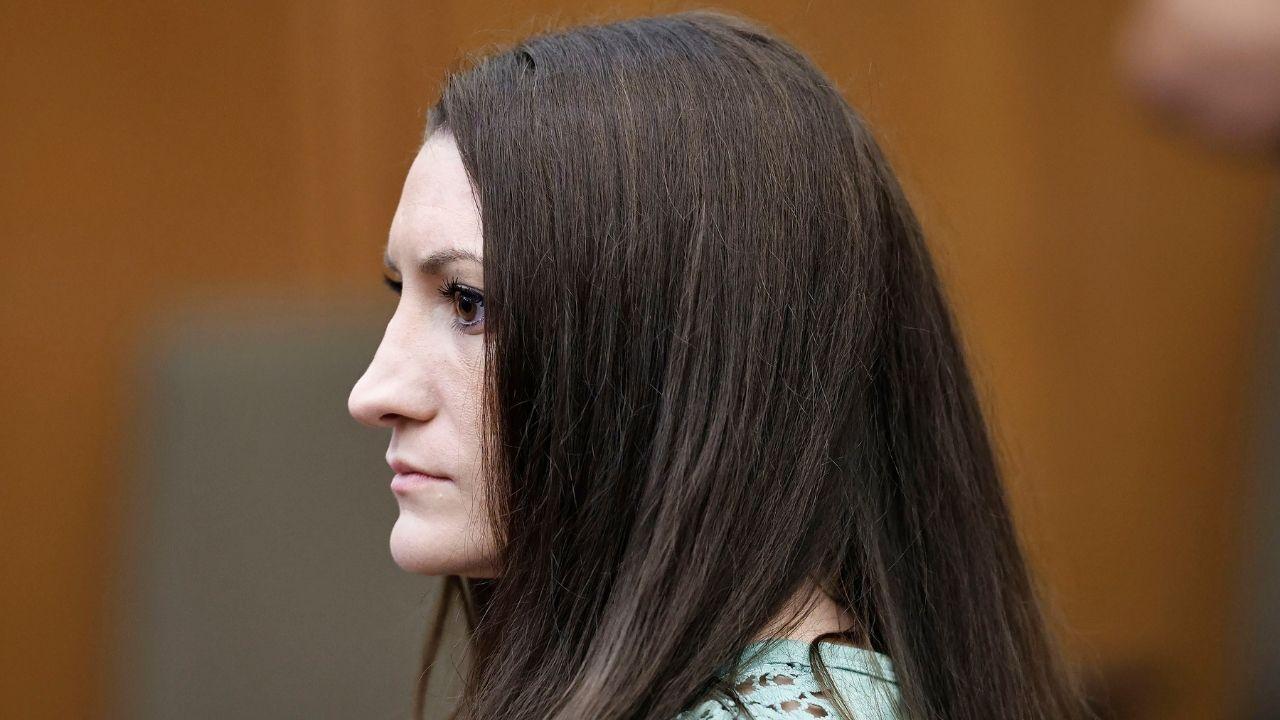
The mistrial leaves Lindsay Clancy in a precarious legal limbo. While she avoided a conviction in the first trial, the prosecution now faces the decision of whether to pursue a retrial. A retrial would mean another lengthy and emotionally draining court process for all parties involved, particularly Clancy, who remains paralyzed, and the surviving members of the family who lost three children. The outcome of a second trial would be equally uncertain, given the previous jury’s inability to reach a unanimous verdict.
Megyn Kelly’s pointed commentary, aligning with the "vast majority" she believes would "side with the man," underscores the deep divisions in public opinion surrounding the case. It also serves as a potent reminder of the powerful role media personalities play in shaping narratives and influencing public perception of legal proceedings. The Clancy case continues to be a tragic example of the intersection of mental health crises, legal complexities, and the often-unpredictable nature of jury decisions, leaving a lasting impact on discussions about justice and compassion.