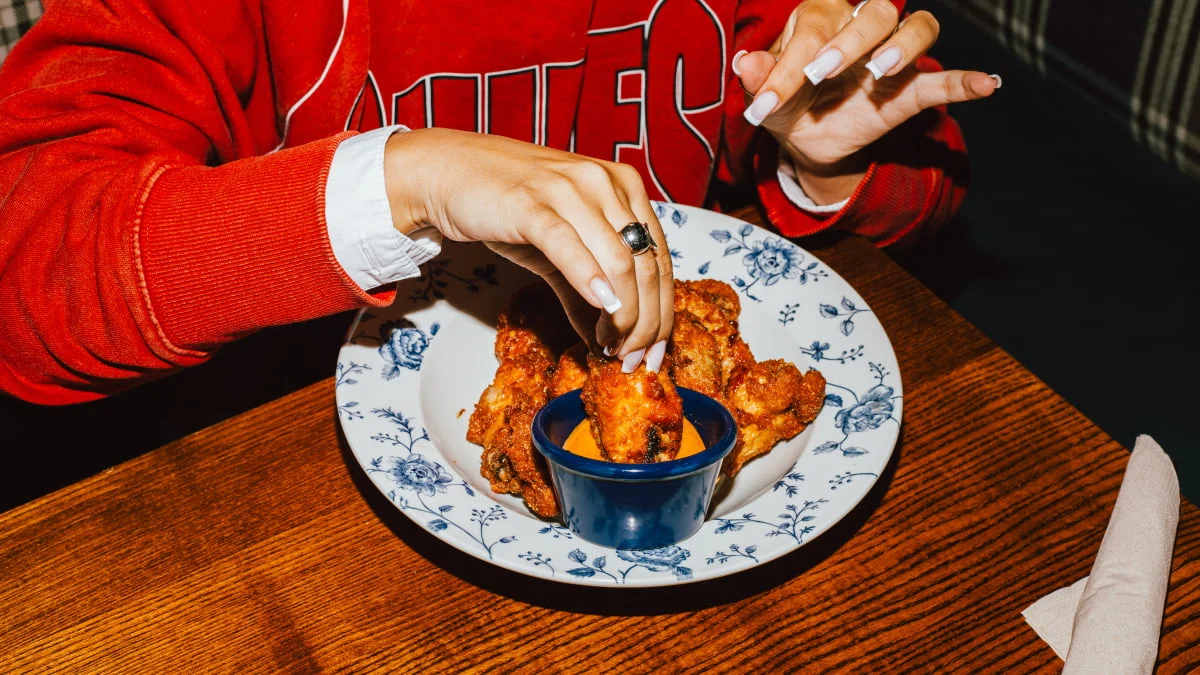
The American restaurant industry is preparing for a massive surge in foot traffic and digital orders as National Chicken Wing Day 2026 approaches on July 29. Major national franchises and regional favorites are rolling out a sophisticated array of promotional offers ranging from buy-one-get-one deals to deep discounts on bulk orders, aiming to capture a share of the multi-billion dollar poultry market. This annual event has evolved from a local Buffalo, New York tradition into a significant fiscal milestone for the casual dining and quick-service sectors.
As inflation continues to influence consumer spending habits, these value-oriented promotions serve as a strategic tool for brands to maintain customer loyalty and drive app downloads. Industry analysts suggest that the 2026 holiday will see a record number of "app-exclusive" offers, as corporations prioritize first-party data collection over traditional walk-in sales. The variety of deals reflects a competitive landscape where bone-in and boneless varieties vie for dominance in the American palate.
Strategic Promotional Campaigns for National Chicken Wing Day 2026 Deals
Buffalo Wild Wings, a cornerstone of the sports-bar segment, is anchoring its strategy on driving dine-in traffic. On July 29, the chain is offering a free order of wings, available in both bone-in and boneless formats, to any guest who makes a minimum purchase of $15. This move is designed to increase the average check size by encouraging patrons to stay for full meals and beverages while utilizing the "free" incentive as a primary draw.
Wingstop has taken a different approach, focusing on long-term engagement through its digital ecosystem. Rather than a single-day discount, the company is leveraging "Club Wingstop" to offer daily sweepstakes through the end of July. Members have the opportunity to win high-value prizes, including $500 Ticketmaster gift cards and VIP festival packages. This gamified approach to National Chicken Wing Day 2026 deals highlights the industry’s shift toward experiential rewards rather than just price reductions.
Hooters is also targeting the dine-in demographic with a targeted price point of $7.29 for 10 wings. To qualify for this rate, guests must purchase a beverage, a common tactic in the industry to offset the lower margins on discounted proteins. The promotion covers both traditional and boneless wings, ensuring broad appeal across different consumer preferences.
Expansion of National Chicken Wing Day 2026 Deals into Convenience and Retail
The reach of the holiday has expanded well beyond traditional sit-down restaurants. Convenience store giants like 7-Eleven and gas station chains like Pilot are aggressively entering the space. 7-Eleven is offering 10 wings for $8 via its delivery app through August 25, signaling a desire to extend the promotional period beyond the single-day holiday. This strategy aims to establish the convenience store as a viable dinner-time destination for families seeking value.
Pilot, a leader in the travel center industry, is catering to the mobile workforce and summer travelers. By using the Pilot app on July 29, customers can secure five jumbo wings for $5. This focus on "jumbo" sizing is a direct response to consumer demand for higher-quality, meatier portions in the quick-service segment. Similarly, Speedy Cafe is utilizing its rewards program to offer tiered pricing on 5-piece and 8-piece boneless orders through late August.
Pizza Hut, which operates the WingStreet brand, is leaning into its digital infrastructure to facilitate its National Chicken Wing Day 2026 deals. By using the promotional code "BOGOWINGS" on their website or mobile app, customers can access a buy-one-get-one-free offer. This digital-first strategy allows the company to manage kitchen flow more efficiently while rewarding its most tech-savvy customer base.
Regional Favorites and All-You-Can-Eat Incentives
Several regional chains are doubling down on the "all-you-can-eat" model, a format that regained popularity in 2025 as consumers sought maximum value. Buffalo’s Cafe and The Greene Turtle are both offering unlimited wings for $19.99 on July 29. While Buffalo’s Cafe focuses solely on the wings, The Greene Turtle’s deal includes fries, creating a comprehensive meal package that appeals to high-volume diners.
Smaller, specialized chains are opting for aggressive per-wing pricing to undercut national competitors. Native Grill & Wings has announced a $0.49 per-wing price point for bone-in orders, provided a drink is purchased. This deal is notable for its flexibility, as it applies to dine-in, takeout, and direct digital orders. Bad Daddy’s and Hurricane Grill & Wings are both hovering around the $0.99 mark, with Bad Daddy’s implementing a 18-wing limit per person to prevent inventory depletion.
In the mid-Atlantic and Southeast, Raise the Roost is extending the celebration from July 27 through July 30. Their $1 pricing for single chicken tenders or traditional wings allows for a multi-day window of engagement, reducing the operational strain of a single-day rush while maintaining a competitive edge in the "chicken wars."
Celebrity Collaborations and The Intersection of Sports Culture
A unique development in the 2026 promotional cycle is the collaboration between Red Robin and retired NFL star Jason Kelce. Consumers who purchase a limited-edition collaboration T-shirt through GarageBeer.com will receive a gift card for an 8-count order of bone-in wings at Red Robin. This partnership underscores the deep connection between chicken wing consumption and sports culture in the United States.
Zaxbys is also leaning into its reputation for value by offering 10 wings for $10 on the holiday. By simplifying the price point to a flat rate, the brand avoids the complexity of tiered discounts or "buy-this-get-that" requirements, which often appeal to customers looking for a straightforward transaction. TGI Fridays is taking a similar approach with its "Matchday" themed platters, starting at $8.99 for wing bites and fries, positioning the food as an essential accompaniment to televised sports.
Economic Impact and Poultry Market Trends
The aggressive nature of National Chicken Wing Day 2026 deals is a reflection of the broader poultry market’s stabilization. After several years of fluctuating prices due to supply chain disruptions and avian flu outbreaks, the USDA reports that broiler production has reached a level of consistency that allows restaurants to offer these deep discounts without compromising their annual margins.
Economists note that these promotions are essential for the casual dining sector, which has faced stiff competition from grocery store rotisserie programs and home-cooking trends. By turning July 29 into a high-volume sales day, restaurants can boost their third-quarter revenue and increase brand awareness. The "halo effect" of these deals often results in increased sales of high-margin items like appetizers, desserts, and alcoholic beverages.
Furthermore, the data collected during these promotions is invaluable. When a customer uses an app to claim a deal at Wings and Rings—which is offering 40% off all wings—the company gains insights into geographic preferences, flavor trends, and ordering frequency. This information allows for more targeted marketing throughout the remainder of the year, particularly during the high-demand football season.
Consumer Behavior and the Bone-In vs. Boneless Debate
National Chicken Wing Day 2026 deals also highlight the ongoing evolution of consumer preferences. While traditionalists advocate for bone-in wings, the "boneless" category—essentially breaded breast meat—continues to grow in popularity due to its lower price point and ease of consumption. Brands like Dave & Buster’s are catering to both sides of the debate by offering $0.50 boneless wings alongside $1 bone-in wings.
Flavor innovation remains a key driver of traffic. While Buffalo and Lemon Pepper remain the top-selling sauces nationwide, many chains are using the July 29 holiday to test limited-time flavors. The use of "sweet-and-spicy Thai chili" at Bad Daddy’s and "Sauced & Tossed" varieties at Sonny’s BBQ demonstrates a shift toward more complex, global flavor profiles that appeal to younger, more adventurous diners.
The social aspect of wing consumption cannot be overstated. Unlike many other fast-food items, wings are inherently communal. The structure of these deals, often requiring a minimum order or a dine-in visit, reinforces the idea of the restaurant as a social hub. This is particularly evident in the "all-you-can-eat" offers, which encourage long-duration visits and group dining.
Operational Challenges and Future Outlook
Despite the excitement surrounding National Chicken Wing Day 2026 deals, the event presents significant operational challenges for restaurant staff. The sheer volume of orders can lead to increased wait times and kitchen bottlenecks. To mitigate this, many chains have moved toward "app-only" or "dine-in only" restrictions to better manage the flow of traffic and ensure food quality remains high during peak hours.
As the industry looks toward 2027, the success of this year’s promotions will likely dictate future marketing budgets. If the data shows that the "Kelce Factor" or the "AYCE" models provided the highest return on investment, consumers can expect to see more celebrity-backed and volume-based offers in the future. The integration of artificial intelligence in kitchen management and delivery logistics is also expected to play a larger role in how these deals are executed in the coming years.
The celebration of National Chicken Wing Day has moved far beyond its humble beginnings, becoming a sophisticated exercise in retail psychology and supply chain management. For the American consumer, the holiday remains a rare opportunity to access high-quality protein at prices that hark back to a previous economic era. As the fryers heat up on July 29, the competition between brands promises to deliver a windfall for wing enthusiasts across the country.