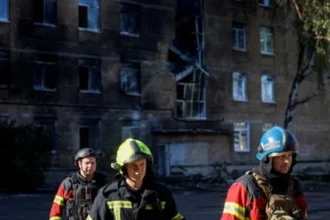
Emergency services in the United Kingdom confirmed that 19 people were taken to hospital after a West Midlands fire, highlighting the severe human toll of a series of wildfires that have also triggered mass evacuations in Croatia and across much of Southern Europe. The West Midlands Ambulance Service reported on Friday that a total of 54 patients required medical treatment as a result of the regional blazes, which have decimated residential areas and left local infrastructure in ruins. The surge in fire activity coincides with a period of record-breaking temperatures and prolonged drought conditions that have placed European emergency response teams under unprecedented strain.
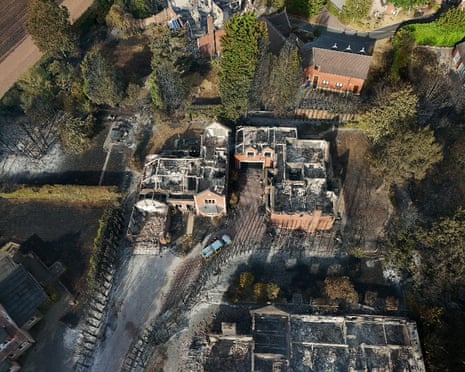
In the West Midlands, the most devastating activity centered on the Stourbridge area, where a massive grass fire rapidly transitioned into a residential "inferno." Witnesses described a scene of total destruction as flames leaped from parched vegetation to terraced housing. Among those hospitalized were three firefighters who sustained injuries while attempting to contain the perimeter and a young child who required urgent medical attention. Local fire chiefs categorized the event as one of the most significant incidents in the history of the regional service, noting that crews were forced to manage thousands of emergency calls within a single 24-hour window.
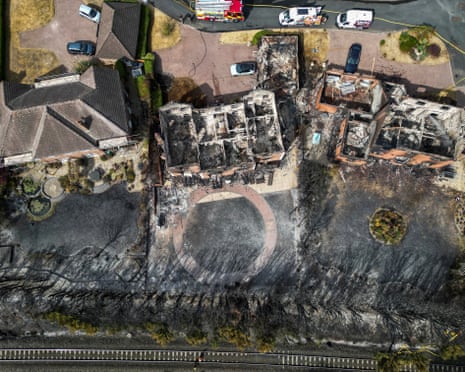
The Aftermath of the West Midlands Fire and Hospitalizations
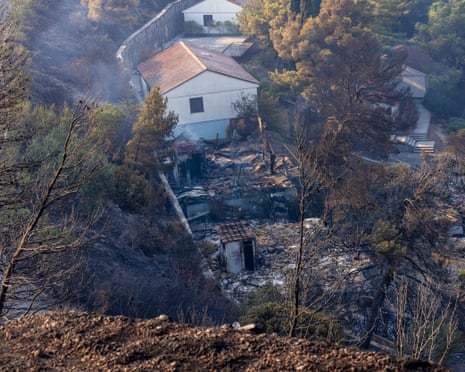
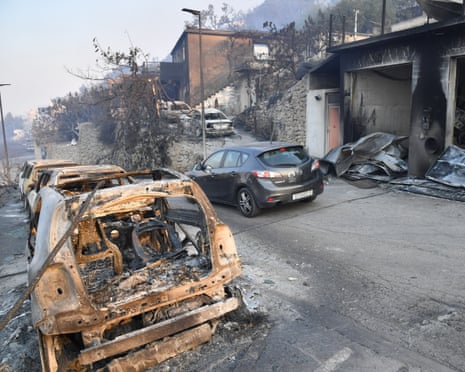
The human impact of the West Midlands fire has been profound, with residents returning to charred remains where homes once stood. Andrew Reynolds, 42, a resident of the Highers Heath area, shared a harrowing account of the speed at which the fire consumed his mother’s residence of 34 years. He described the event as an unstoppable wall of flame that left "nothing saveable," destroying a century’s worth of family photographs and irreplaceable heirlooms stored in the attic. The emotional weight of these losses has resonated across the community, as dozens of families find themselves displaced by the sudden environmental catastrophe.

Tony Aldhouse, 62, another resident of the affected Gorleston Road, likened the aftermath to a military strike, stating that his garden looked as if "a bomb had hit it." The West Midlands Fire Service confirmed that the intensity of the heat caused the fire to "rip through" terraced houses with such velocity that a full evacuation of approximately 50 residents was required almost immediately. While fire crews have begun making progress in dampening down hotspots, the "extensive" devastation has prompted calls for a major review of urban-wildland interface safety protocols in the face of rising global temperatures.
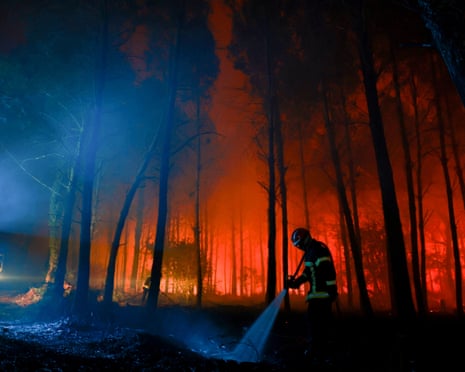
Croatian Wildfires Force Thousands to Evacuate
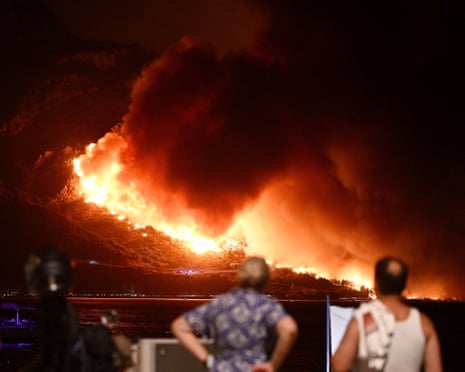
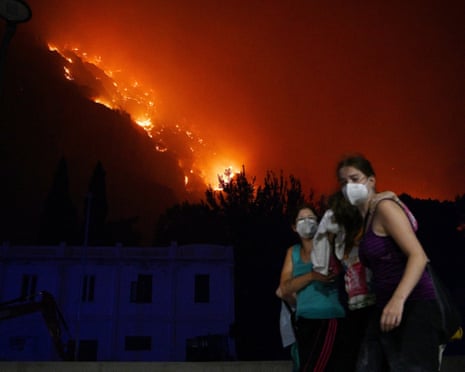
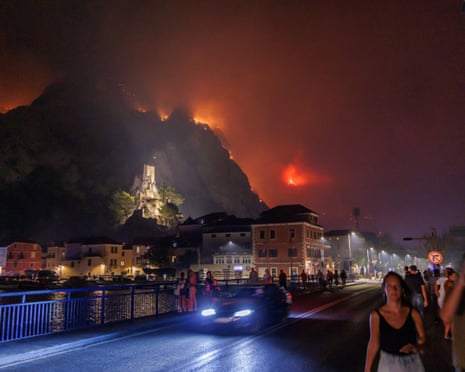
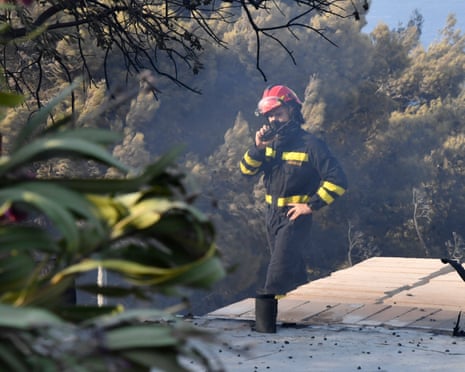
While the United Kingdom struggled with regional blazes, the situation in Croatia reached a critical flashpoint as a major wildfire near the seaside town of Omiš necessitated the evacuation of over 1,000 people. Croatian Prime Minister Andrej Plenković, who traveled to the region to coordinate emergency efforts, described the blaze as "one of the worst fires in recent years." The fire, which reportedly flared up in a matter of seconds near Lokva Rogoznica, quickly spread through dense forest towards tourist-heavy coastal zones.
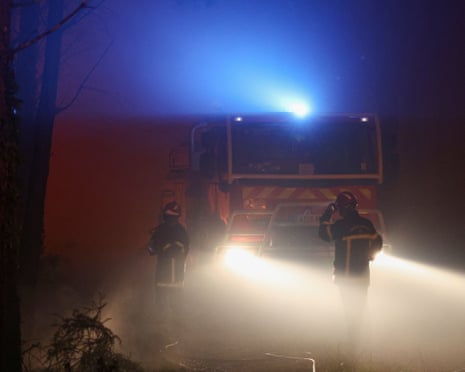
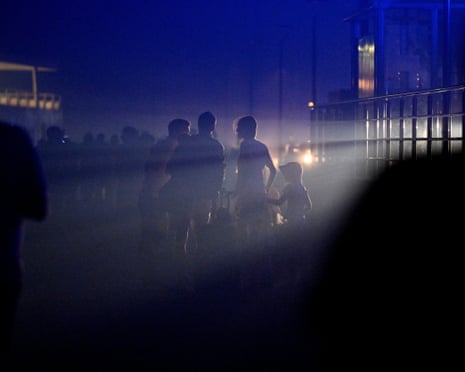
The Croatian Red Cross and local health officials confirmed that 36 people were injured in the Omiš fire, with 14 requiring hospitalization. Of those admitted, seven are reported to be in life-threatening condition, with injuries so severe that authorities are arranging for their transfer to specialized trauma units in the capital, Zagreb. The evacuation effort was complicated by the high density of foreign visitors; among the 1,000 people forced to flee were some 300 Czech tourists. Many evacuees reportedly fled with only the clothes on their backs, leaving behind vital documentation and passports as the flames closed in on their accommodations.
Atmospheric Records and the Impact of 38.1C Temperatures
The meteorological data underpinning this week’s disasters paints a grim picture of the environmental conditions currently prevailing over Europe. The Met Office confirmed that a temperature of 38.1C (100.6F) was recorded in west London on Thursday, marking the hottest day of the year for the United Kingdom. Although a marginal cooling was observed on Friday, the heat remains in the low-to-mid 30s across much of England, providing little relief for the parched landscape.
The lack of precipitation has exacerbated the fire risk to historic levels. England has received just 4mm of rain so far in August, representing a mere 6% of the long-term average for the month. This follows the driest July on record since 1836, where the country saw only 10% of its typical rainfall. This sustained period of aridity has turned grasslands and forests into tinderboxes, allowing small sparks to escalate into uncontrollable wildfires within minutes. Across the English Channel, France faced similar extremes, with temperatures peaking at 41C on Thursday, leading to the evacuation of more than 500 people in the southwestern Landes region.
Emergency Responses in France, Germany, and Greece
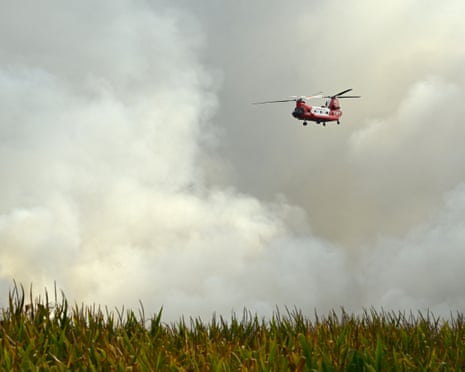
The scale of the fires has forced European nations to employ advanced technology and international cooperation. In France, the emergency response in the Landes forest featured the first deployment of a Chinook CH-47D water-bombing helicopter, on loan from the New South Wales Rural Fire Service in Australia. This heavy-lift aircraft is capable of dropping 11,300 liters of water in a single pass—double the capacity of standard Canadair planes—and can refill its tanks in under 90 seconds. Such assets have become essential as traditional firefighting methods prove insufficient against the speed and intensity of modern "mega-fires."
In western Germany, approximately 1,800 people were forced to evacuate their homes overnight as a wildfire expanded from 25 hectares to over 300 hectares near the Belgian and Dutch borders. The town of Hürtgenwald saw the deployment of military equipment and helicopters as officials struggled to establish a containment line. Similarly, in Greece, hundreds of tourists were evacuated from the popular Siviri resort on the Halkidiki peninsula. Firefighters there faced the dual challenge of extreme heat and gale-force winds, which fanned the flames through dry pine forests, threatening major vacation hotspots.
Aviation and Infrastructure Disruption in Sicily
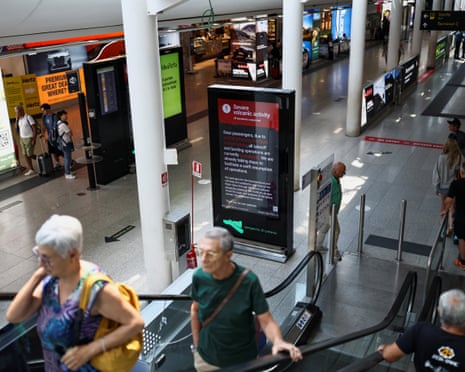
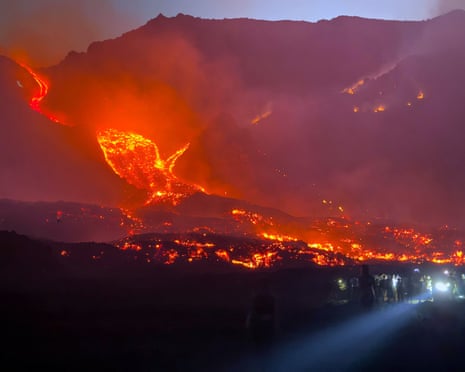
The environmental crisis extended beyond fire to volcanic activity, as Mount Etna in Sicily experienced a period of heightened eruption. The resulting ash cloud forced the total suspension of flights at Catania airport, Italy’s fifth-busiest aviation hub. Airport operator SAC announced that all arrivals and departures would remain halted until at least Saturday morning to ensure passenger safety.
The disruption at Catania is considered the most severe to affect the airport in over two decades. Sources from the Italian news agency ANSA reported that 630 flights were diverted to other regional airports, while more than a third of the nearly 2,000 scheduled flights were outright canceled. This has left thousands of travelers stranded during the height of the summer holiday season, further straining the Mediterranean tourism industry which is already grappling with the logistical challenges of the ongoing heatwave.
The Escalating Climate Crisis and Political Reactions
The frequency and intensity of these fires have ignited a fierce political debate regarding the "climate breakdown" and the adequacy of national security measures. UK Foreign Secretary Ed Miliband issued a stark warning on social media, characterizing climate change as a direct national security threat to the British people. Miliband pledged that the government would listen to the "warning signals" sent by the planet and vowed to work with international partners to accelerate the transition away from fossil fuels.
However, the UK government faces internal pressure and public scrutiny. Activists and climate scientists have questioned Prime Minister Andy Burnham’s perceived reluctance to center the climate crisis in his public addresses. While Burnham expressed his gratitude to the firefighters in the West Midlands and promised financial support to the affected communities, critics argue that the focus remains too heavily on disaster management rather than addressing the root causes of the extreme weather. Sandra Laville, a leading environment correspondent, noted that the sight of "terrified horses galloping over cindering heathland" has moved the public to demand more transparent and aggressive climate policies.
Broader Implications for European Policy
As approximately 150 million people across Europe continue to experience temperatures above 35C, the long-term implications for public health, agriculture, and urban planning are becoming clear. An analysis by AFP suggests that three out of every five European residents are currently living through temperatures exceeding 30C. This persistent heat not only fuels wildfires but also threatens the stability of the electrical grid, reduces crop yields, and increases the mortality rate among vulnerable populations.
The events of this week—ranging from the 19 people taken to hospital after the West Midlands fire to the thousands displaced in Croatia—serve as a reminder of the continent’s vulnerability. National governments are now facing a dual mandate: they must provide immediate relief to those who have lost their homes and livelihoods, while simultaneously investing in the long-term resilience required to survive an increasingly volatile climate. As the smoke clears in the West Midlands and Omiš, the focus shifts to recovery and the daunting task of rebuilding in a world where "historic" weather events are becoming the seasonal norm.