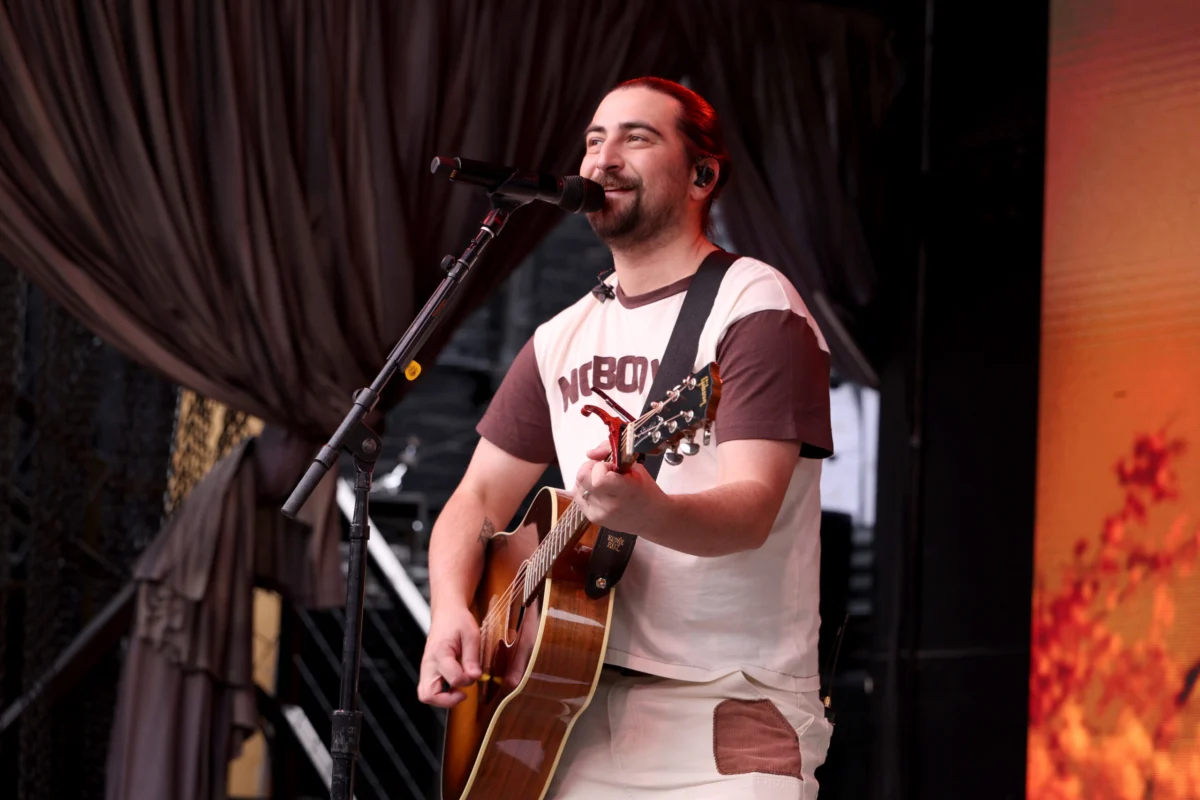
A powerful coalition of prominent New England recording artists, including Noah Kahan, Aimee Mann, The Pixies, Goose, and Dropkick Murphys, has intensified its advocacy for consumer protection in the live music industry, urging Massachusetts lawmakers to approve legislation that would impose strict ticket price caps on resale transactions. This collective effort seeks to curb predatory scalping practices that have long plagued concertgoers, ensuring live performances remain accessible to a broader audience rather than becoming exclusive commodities for speculative profit.
The Growing Battle Against Predatory Ticketing
The push for legislative intervention stems from widespread frustration over a secondary ticket market often characterized by exorbitant markups and deceptive practices. For years, fans have faced the dilemma of either paying significantly above face value for popular events or missing out entirely, leading to a sense of exploitation and eroding trust between artists and their audiences. This environment has allowed professional ticket brokers, often utilizing sophisticated bots, to acquire large blocks of tickets and resell them at inflated prices, siphoning profits away from the artists, venues, and crews who create the live experience. The artists’ collective letter articulates this sentiment succinctly: "Live performance should not be a luxury. Our art is not a commodity to be bought and resold at extreme markups against our wishes." This statement underscores a fundamental belief among many in the music industry that cultural experiences should not be subject to unchecked market speculation.
"The Great Divide Act" and Its Provisions
The artists’ plea arrived just a week after Massachusetts Governor Maura Healey unveiled "The Great Divide Act," a landmark piece of legislation specifically designed to address these ticketing abuses. Notably, the act is named after Noah Kahan’s critically acclaimed latest album, signaling the artist’s significant influence and engagement in the reform movement. The proposed bill introduces several key measures aimed at reining in the secondary market. Central to the legislation is a provision that would cap resale prices at 110 percent of the original face value. This means a ticket initially sold for $100 could only be resold for a maximum of $110, drastically limiting the profit margins for scalpers. Beyond this direct price cap, the bill also targets excessive fees imposed by secondary ticketing websites, aiming to make transaction costs more transparent and reasonable for consumers. Furthermore, "The Great Divide Act" explicitly outlaws speculative ticketing, a particularly insidious practice where brokers list tickets for sale that they do not yet possess, creating artificial demand and often misleading buyers. This comprehensive approach reflects a growing understanding among policymakers of the multifaceted nature of ticket market exploitation.
Artists’ United Front for Fair Access
The collective voice of the 16 artist-signatories resonates with a shared sentiment of betrayal when fans are exploited. Their letter poignantly states, "Few things hurt an artist more than seeing a fan exploited by a ticket reseller. It’s heartbreaking to read comments from fans who paid outrageous resale prices, knowing there’s little we can do to help." This emotional appeal highlights the deep connection artists feel with their fan base and their commitment to protecting that relationship. The frustration articulated is not merely financial; it speaks to a broader concern about the integrity of the live music ecosystem. When fans are priced out or defrauded, it not only impacts their ability to attend shows but also undermines the community and shared experience that define live performance. The artists collectively assert that "Predatory resale, scalping, ticket touting, whatever you choose to call it, does more than exploit fans financially. It erodes the trust between artists and the people who support us." This unified stance from diverse artists across genres demonstrates the widespread nature of the problem and the industry’s increasing resolve to address it.
Noah Kahan’s Persistent Advocacy for Ticket Price Caps on Resale
Among the many voices championing ticketing reform, Noah Kahan has emerged as a particularly vocal and influential figure. His personal experiences with fan frustration and the impact of scalping on his own tours have fueled his dedication to the cause. Kahan’s advocacy extends beyond Massachusetts; he has also lent significant support to similar legislative efforts in his home state of Vermont, where a ticketing law recently passed. His consistent engagement in these legislative battles underscores the artists’ growing recognition that systemic change requires direct political action. Kahan’s visibility and direct appeal to his fanbase have helped to raise public awareness about the issue, turning what was once a niche industry concern into a mainstream conversation about consumer rights and fair market practices. His willingness to attach his name and album title to the Massachusetts bill demonstrates a profound commitment to driving meaningful change.
Broader Industry Support and Economic Implications
The movement for ticketing reform in Massachusetts is not confined to artists alone. It has garnered robust support from influential industry organizations, including the Music Artist Coalition, the National Independent Talent Organization (NITO), and the Future of Music Coalition. These groups represent a wide spectrum of stakeholders in the music ecosystem, from independent artists to talent agencies, all united by a common goal: a fairer, more transparent ticketing landscape. Ron Gubitz, Executive Director of the Music Artists Coalition, articulated the industry’s perspective, stating, "Artists and fans want the same thing: a fair shot at getting into the room where the music happens. Speculative tickets and runaway resale fees break that deal for everyone except the industrial-scale ticket flippers. The Great Divide Act draws that line clearly."
The economic implications of unchecked scalping are substantial. While secondary markets argue for a "free market" approach, critics contend that these markets are often manipulated, creating artificial scarcity and driving up prices to levels that far exceed the value artists and venues receive. By capping resale prices, legislation like "The Great Divide Act" aims to redirect a portion of these profits back into the legitimate music economy, potentially benefiting artists, venues, and event workers. It also seeks to ensure that the initial ticket price set by the artist and promoter reflects a fair value proposition for the fan, rather than merely serving as a baseline for future speculative gains. This shift could stabilize ticket prices, make live events more predictable for consumers, and foster a healthier, more equitable market.
A National Trend Toward Ticketing Reform
Massachusetts’s legislative initiative is part of a burgeoning national trend as states across the U.S. grapple with the pervasive issue of ticket scalping. The momentum for reform has been building, with several states taking concrete steps to protect consumers. Last year, Maine introduced its own ticket price caps on resale, demonstrating an early commitment to addressing the problem. This year, both California and New York, two of the largest entertainment markets in the country, have introduced similar bills, signaling a widespread recognition of the need for legislative action. Furthermore, Washington, D.C., recently approved its own price cap on resale tickets, adding to the growing list of jurisdictions implementing stricter regulations. This wave of state-level legislation suggests a growing political will to confront the secondary ticketing market and its impact on consumers. The fragmented nature of these state-by-state efforts also highlights the need for a more unified, perhaps federal, approach to ensure consistent consumer protections across the nation.
The Path Forward for Ticket Price Caps on Resale in Massachusetts
As "The Great Divide Act" moves through the Massachusetts legislature, it faces the typical process of debate, amendments, and votes. The broad support from a diverse array of artists and industry groups provides significant political capital, but the bill may still encounter opposition from secondary ticketing platforms and brokers who stand to lose substantial profits under the proposed regulations. However, the compelling narratives of fan exploitation and artist frustration, coupled with the growing national trend, position Massachusetts to potentially set a strong precedent.
The ultimate goal, as articulated by the artists and advocates, is to restore fairness and accessibility to the live performance experience. By capping resale prices, banning speculative tickets, and cracking down on deceptive websites, Massachusetts aims to empower fans, protect artists, and ensure that the magic of live music remains within reach for everyone, not just those able to navigate and afford an often-rigged secondary market. The outcome of this legislative push will be closely watched by fans, artists, and policymakers nationwide, potentially influencing the future of ticketing reform far beyond the Bay State’s borders.