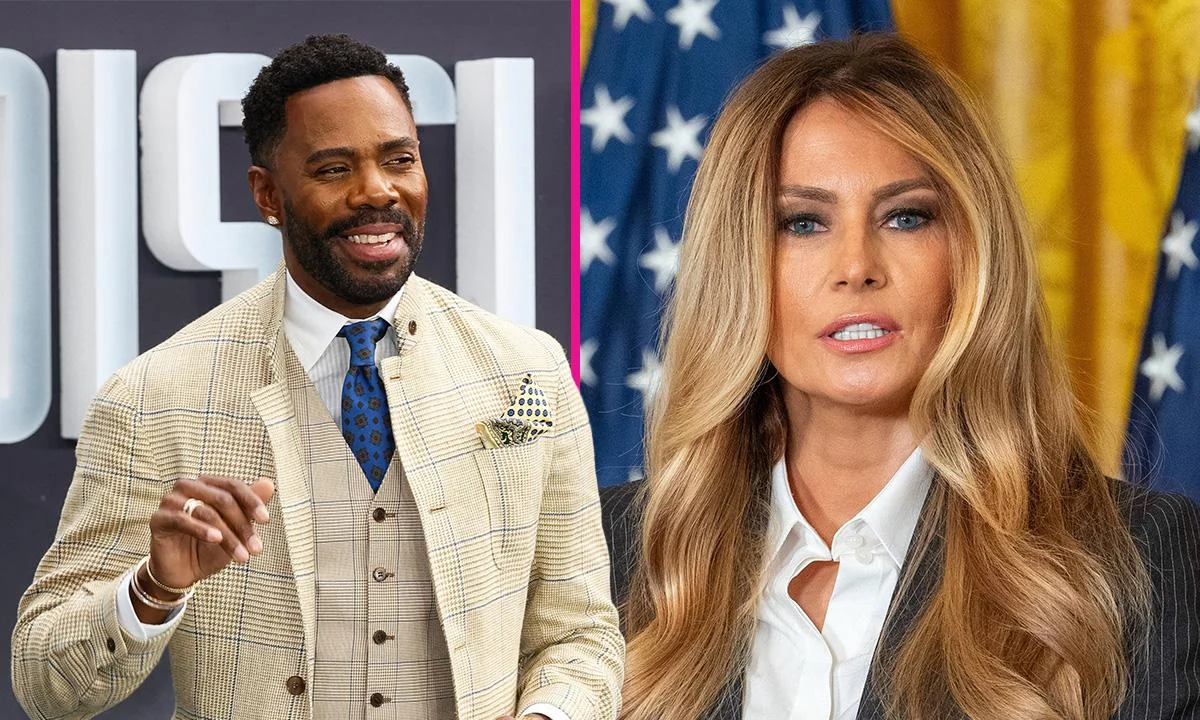
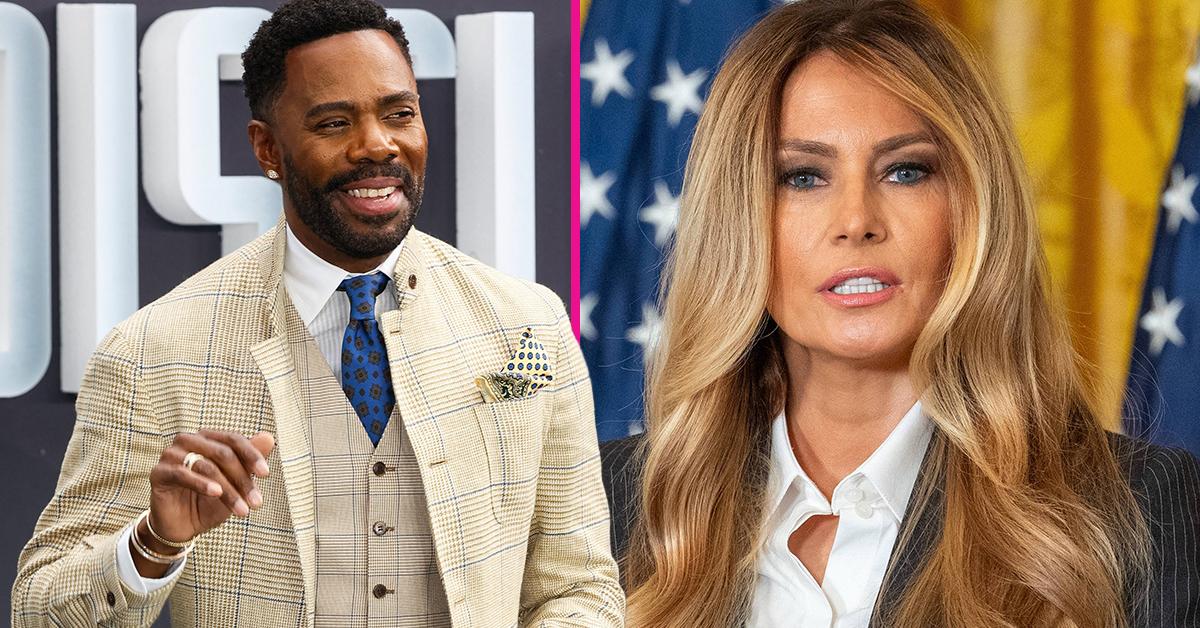
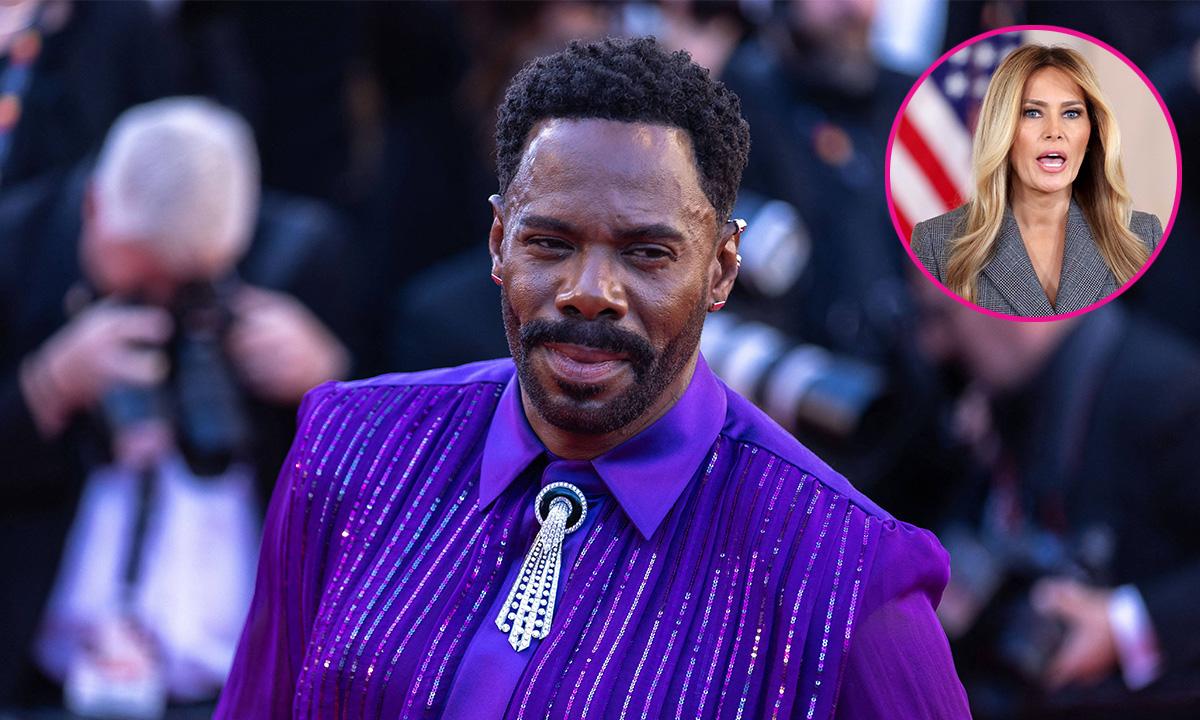
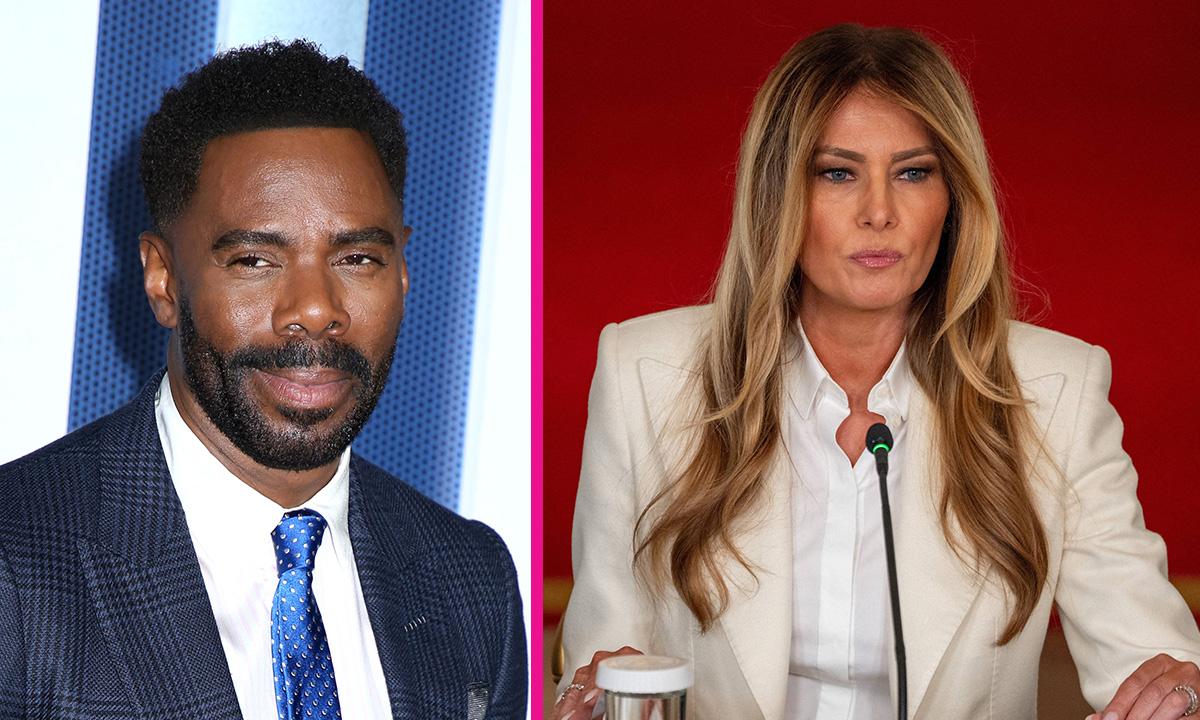
Actor Colman Domingo, guest-hosting Jimmy Kimmel Live!, offered a comedic take on reports that White House staffers were intimidated by former First Lady Melania Trump’s perceived "unpredictability," humorously attributing their apprehension to her distinct and often surprising fashion choices. Domingo’s segment, aired on Tuesday, July 21, came in response to a column by author Michael Wolff, who asserted that Melania Trump’s influence created a climate of alarm within the White House, even for then-President Donald Trump.
Wolff’s column, published on his Substack platform, HOWL, described Melania Trump as a "wild card" whose actions and decisions were a constant source of concern for insiders. He wrote, "Everybody in the White House is afraid of Melania Trump and her power — that is, if she chooses to use it." This statement ignited a blend of serious political analysis and late-night satire, highlighting the complex public perception of the former First Lady.
Background on the "Unpredictability" Narrative
The narrative of Melania Trump’s "unpredictability" is not new. Throughout her tenure as First Lady, her public appearances, demeanor, and especially her wardrobe choices often sparked considerable media attention and public debate. Unlike many of her predecessors, Melania Trump maintained a relatively private persona, rarely granting extensive interviews or offering personal insights into her political views or daily life. This guarded public image, coupled with her occasional bold or unconventional fashion statements, contributed to an aura of mystery and, for some, an impression of calculated independence.
Michael Wolff, a controversial but prolific author known for his insider accounts of the Trump administration, including Fire and Fury: Inside the Trump White House, has consistently portrayed Melania Trump as a significant, albeit understated, force within her husband’s orbit. His writings frequently suggest a strategic detachment from the daily political fray, which he argues gave her a unique, almost unfettered, power base. This perceived autonomy, according to Wolff, made her an enigma to many within the administration, who struggled to anticipate her moves or understand her motivations.
Colman Domingo’s Comedic Analysis of Melania Trump’s Fashion
Colman Domingo, an Emmy-winning actor celebrated for his roles in Euphoria and Fear the Walking Dead, brought his characteristic wit to the Jimmy Kimmel Live! stage. Stepping in for the usual host, Domingo delved into Wolff’s claims, acknowledging the seriousness of the underlying political report but quickly shifting to a lighter, more observational tone. He posited that the true source of Melania Trump’s terrifying "unpredictability" lay not in grand political maneuvering, but in her wardrobe.
Domingo humorously compared Melania Trump to "Dracula," suggesting she was the first person since the iconic vampire to be "wealthy, ageless European who was that cold and emotionless." This quip played on the public perception of her often stoic and composed demeanor. He then honed in on her sartorial choices, joking about the constant uncertainty regarding whether she would opt for "black, beige, a crazy hat, or an even crazier hat." He concluded that "the possibilities are endless," implying that her diverse and sometimes audacious ensembles were the real wild card that kept White House staff on edge.
The actor’s comedic routine resonated with a segment of the public familiar with the intense scrutiny placed on First Ladies’ fashion. From Jackie Kennedy’s elegant simplicity to Michelle Obama’s accessible chic, a First Lady’s clothing choices are frequently analyzed as reflections of their personality, political message, or even their mood. Melania Trump’s wardrobe, which included items ranging from high-fashion European designers to more controversial pieces like the "I Really Don’t Care. Do U?" jacket worn on a visit to a migrant child detention center, often became a focal point for commentary, both positive and negative.

Wolff’s Broader Claims and White House Reaction
Beyond the comedic interpretations, Wolff’s column for HOWL also delved into more serious allegations concerning "self-dealing among Trump family members." He specifically highlighted Melania Trump’s actions, noting that her moves, "not just about money, but about calling attention to herself," were viewed as "most disturbing to the White House" and risked putting her on a "collision course with the president." This suggested a deeper level of internal conflict and strategic maneuvering within the Trump family, potentially impacting the administration’s stability.
The White House’s response to Wolff’s latest assertions was swift and unusually aggressive. Davis Ingle, a spokesperson for the former First Lady, issued a scathing statement directly targeting the journalist, unequivocally labeling him "a lying piece of s—." This unvarnished and highly personal attack underscored the contentious relationship between the Trump family and Wolff, whose previous works had already drawn severe criticism and denials from the former President and his allies. The intensity of Ingle’s language highlighted the sensitivity of the issues Wolff raised and the deep animosity that had developed over years of reporting.
Ongoing Legal Battle: Melania Trump vs. Michael Wolff
The exchange between Wolff’s column and the White House spokesperson was not an isolated incident but rather the latest skirmish in an escalating legal battle between Melania Trump and Michael Wolff. On the very same day Domingo’s segment aired, July 21, 2026, Melania Trump’s legal team filed a motion seeking court sanctions against Wolff and his attorney. This move indicated a significant escalation in their long-running dispute.
The legal action stems from earlier comments made by Wolff that allegedly linked Melania Trump to Jeffrey Epstein, the financier convicted of s*x trafficking. Melania Trump’s representatives had previously threatened to sue Wolff for defamation over these remarks, asserting that they were false and damaging to her reputation. In a strategic maneuver, Wolff preemptively sued Melania Trump, seeking to protect himself from potential litigation and to challenge the validity of her defamation claims.
However, Wolff’s preemptive lawsuit was dismissed by a federal judge in May 2026. The judge cited "tactical gamesmanship" as the reason for the dismissal, implying that Wolff’s suit was an attempt to manipulate legal proceedings rather than a genuine pursuit of justice. The dismissal paved the way for Melania Trump’s legal team to pursue their original grievances, leading to the current motion for sanctions. This motion could potentially result in financial penalties or other legal repercussions for Wolff and his counsel, adding another layer of complexity to the already strained relationship.
Analysis and Broader Implications
The confluence of political commentary, late-night comedy, and high-stakes legal disputes surrounding Melania Trump underscores several broader implications for contemporary American media and politics. Colman Domingo’s humorous take on Melania Trump’s fashion choices highlights the role of satire in processing and critiquing political figures and narratives. Late-night hosts frequently use humor to dissect serious news, making it more accessible and often providing a cathartic outlet for public sentiment. Domingo’s segment effectively shifted the focus from potential internal White House power dynamics to the lighter, yet still scrutinized, aspect of a First Lady’s public image.
The persistent scrutiny of First Ladies’ public personas, especially their fashion, reflects a long-standing cultural fascination with these influential women. Their choices are often interpreted as statements, whether intentional or not, about their values, their role, and their husband’s administration. For Melania Trump, whose background as a model already placed her firmly in the public eye for her appearance, this scrutiny was particularly intense, leading to a unique blend of admiration and criticism for her distinctive style.
Furthermore, the ongoing legal battle between Melania Trump and Michael Wolff exemplifies the increasingly litigious nature of political discourse, particularly concerning public figures and journalists. Defamation lawsuits and threats have become common tools in attempts to control narratives and challenge reporting. The aggressive response from the White House spokesperson and the pursuit of court sanctions against Wolff indicate a determined effort by Melania Trump to push back against what she perceives as false or injurious reporting, potentially setting precedents for how public figures interact with critical journalists.
Impact on Public Discourse and Next Steps
The episode, from Wolff’s initial column to Domingo’s comedic segment and the escalating legal actions, collectively contributes to shaping the public perception of Melania Trump. While the jokes may offer a temporary lighthearted diversion, the underlying claims about her influence and the serious legal challenges against Wolff suggest a figure who continues to command attention and, at times, controversy. The "wild card" image, whether tied to her political maneuvers or her unpredictable fashion choices, reinforces her enigmatic public persona.
Looking ahead, the legal proceedings against Michael Wolff are expected to continue. The motion for sanctions will be reviewed by the court, potentially leading to hearings and further legal arguments. The outcome could range from a dismissal of the motion to significant penalties, impacting Wolff’s journalistic practices and potentially setting a precedent for similar cases involving high-profile individuals. These developments will be closely watched by legal experts, journalists, and the public, as they touch upon issues of journalistic freedom, public figure privacy, and the boundaries of political commentary.
Ultimately, this multifaceted story serves as a vivid illustration of the intersection of politics, celebrity, and media in contemporary American culture. It highlights how serious allegations can become fodder for comedic relief, while simultaneously underscoring the real-world consequences, including legal battles, for those involved in shaping and consuming political narratives. Melania Trump remains a figure of intense interest, her public image continuously sculpted by a complex interplay of her own actions, media interpretation, and the reactions of those around her.