Massachusetts is taking a significant step towards curbing exorbitant ticket resale prices with the introduction of "An Act Relative to Closing the Great Divide between Ticket Prices and Affordability," a legislative proposal championed by Governor Maura Healey and publicly backed by Grammy-nominated artist Noah Kahan. The bill, aptly named "The Great Divide Act" after Kahan’s chart-topping album, aims to bring down the cost of concert and event tickets for consumers by setting limits on how much resellers can charge above face value and capping excessive service fees imposed by secondary ticketing platforms.
Governor Healey announced the proposed legislation on Thursday, July 16, framing it as a crucial measure to protect Massachusetts residents from the financial strain often associated with attending live events. The proposed law seeks to create a more equitable marketplace, ensuring that fans can access tickets to see their favorite artists and teams without facing prohibitive markups. The initiative directly addresses widespread frustration over ticket scalping and the opaque fee structures that have plagued the live entertainment industry for years.
The core of The Great Divide Act proposes a strict cap on ticket resale prices, limiting them to no more than 110% of the original face value. This means that for every $100 ticket purchased at face value, resellers would be legally prohibited from selling it for more than $110. In addition to this resale cap, the bill also targets the ancillary charges that often inflate the final cost of tickets. It seeks to limit service fees and other charges levied by secondary ticketing platforms to a maximum of 10% of the total resale price for both sporting and non-sporting events.
Governor Healey articulated the rationale behind the bill during a press conference, highlighting the common experiences of Massachusetts citizens. "Far too many Massachusetts residents have experienced the pain of being excited to buy tickets to see their favorite singer or sports team, only to realize that resale prices and fees have driven up the cost to outrageous levels," she stated. The governor also touched upon the issue of fraudulent ticket transfers, adding, "Or how about when you do purchase tickets from a reseller, only to get to the venue to realize the seller never actually transfers them to you? Enough is enough. We are taking action to lower ticket resale prices so Massachusetts fans can better afford to see their favorite performer or team."
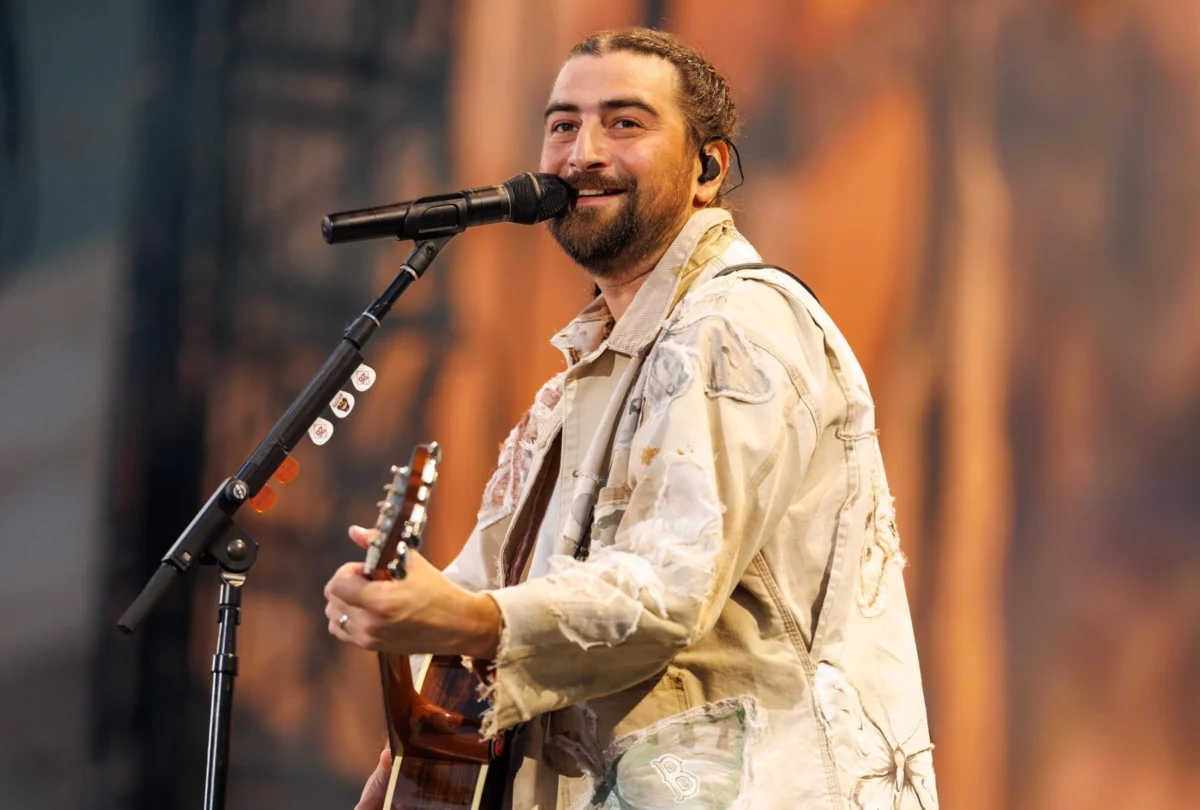
Noah Kahan, a Vermont native who has achieved significant success with his folk-pop music, including headlining four consecutive sold-out shows at Boston’s iconic Fenway Park, provided virtual testimony in support of the bill. His involvement underscores a growing trend of artists actively engaging in legislative efforts to reform the ticketing industry. Kahan’s participation lent considerable weight to the announcement, emphasizing the artist’s commitment to their fanbase.

"I heard about what you’re announcing today, and I just wanted to let you know how excited I am about it," Kahan conveyed via video message. "The artist community and fans will greatly benefit from limiting ticket scalping and the sales of speculative tickets. I love my fans and want to protect them however I can. Artists alone could not tackle the market manipulation of secondary resellers. So, thank you so much for making this a priority in Massachusetts." His statement directly addresses the power imbalance between artists, fans, and the secondary market, calling for legislative intervention to protect consumers.
Kahan’s advocacy is not new. He was a prominent voice in the successful push for similar legislation in his home state of Vermont. Governor Phil Scott signed a ticket resale cap bill into law in late May, making Vermont the second state, following Maine, to enact such consumer protections. This legislative momentum is part of a broader national conversation about ticketing reform. More than 20 other states have introduced bills aimed at consumer protection in the ticketing market this year alone.
The timing of the Massachusetts announcement also coincides with other significant developments in the ticketing regulation landscape. Just this week, the Washington, D.C. Council passed the RESALE Act, a bill designed to regulate the ticketing market within the nation’s capital and combat issues of scalping and inflated prices. These parallel efforts highlight a growing consensus among lawmakers and artists alike that the current ticketing system requires substantial reform.
Under the framework of Governor Healey’s proposal, the resale cap would apply universally to all events. However, the bill includes a provision allowing artists or venues to explicitly authorize a higher resale cap through a formal written agreement. This flexibility acknowledges the diverse needs and business models within the live entertainment sector while maintaining a baseline of consumer protection.
Beyond resale price caps, The Great Divide Act also aims to tackle deceptive practices within the secondary market. The bill explicitly bans the practice of selling "speculative tickets"—tickets that resellers list for sale before they have actually acquired them. Furthermore, it seeks to prohibit the creation and operation of deceptive resale websites that falsely imply an affiliation with artists, venues, or primary ticket sellers, thereby misleading consumers about the legitimacy of their transactions.
The proposed legislation will now proceed through the Massachusetts state legislative process. It will be subject to review and debate in both the Massachusetts House of Representatives and the Massachusetts Senate before it can be sent to the governor’s desk for final approval and enactment into law. The path through the legislature will involve committee hearings, potential amendments, and votes, reflecting the deliberative nature of lawmaking.

The implications of The Great Divide Act, if passed, could extend beyond Massachusetts. The state’s action could serve as a model for other jurisdictions grappling with similar ticketing challenges. By setting a precedent for enforceable resale caps and stricter regulations on secondary platforms, Massachusetts could influence national discourse and encourage further legislative action across the United States.
The fan experience has been a central theme in the debate surrounding ticket prices. For many years, dedicated fans have expressed frustration over their inability to secure tickets at reasonable prices, often being outbid by bots and professional resellers. The rise of the "fan-first" movement, amplified by artists like Kahan, highlights a growing demand for transparency and fairness in the ticketing ecosystem.
The economic impact of ticket scalping is also a significant consideration. While resellers profit from inflated prices, artists and venues may miss out on potential revenue if tickets are primarily resold at marked-up rates on secondary markets. Moreover, excessively high ticket prices can deter attendance, potentially impacting the overall vibrancy of the live entertainment economy. The proposed legislation seeks to strike a balance, ensuring profitability for stakeholders while making events more accessible to the general public.
The technological landscape of ticket sales has also evolved, with sophisticated bots and automated systems often exacerbating the problem of scalping. The Great Divide Act’s provisions against speculative ticket sales and deceptive websites are designed to counter these digital challenges, bringing a level of oversight to online ticketing transactions. The success of such legislation will depend on effective enforcement and the ability of regulatory bodies to adapt to the ever-changing tactics of the secondary market.
As The Great Divide Act moves through the legislative process, stakeholders from various sectors, including artists, venues, ticketing companies, and consumer advocacy groups, will likely engage in discussions and potentially lobby for or against specific provisions. The bill represents a significant effort to recalibrate the relationship between consumers, artists, and the complex ecosystem of ticket sales, aiming to foster a more sustainable and fan-friendly future for live events in Massachusetts.