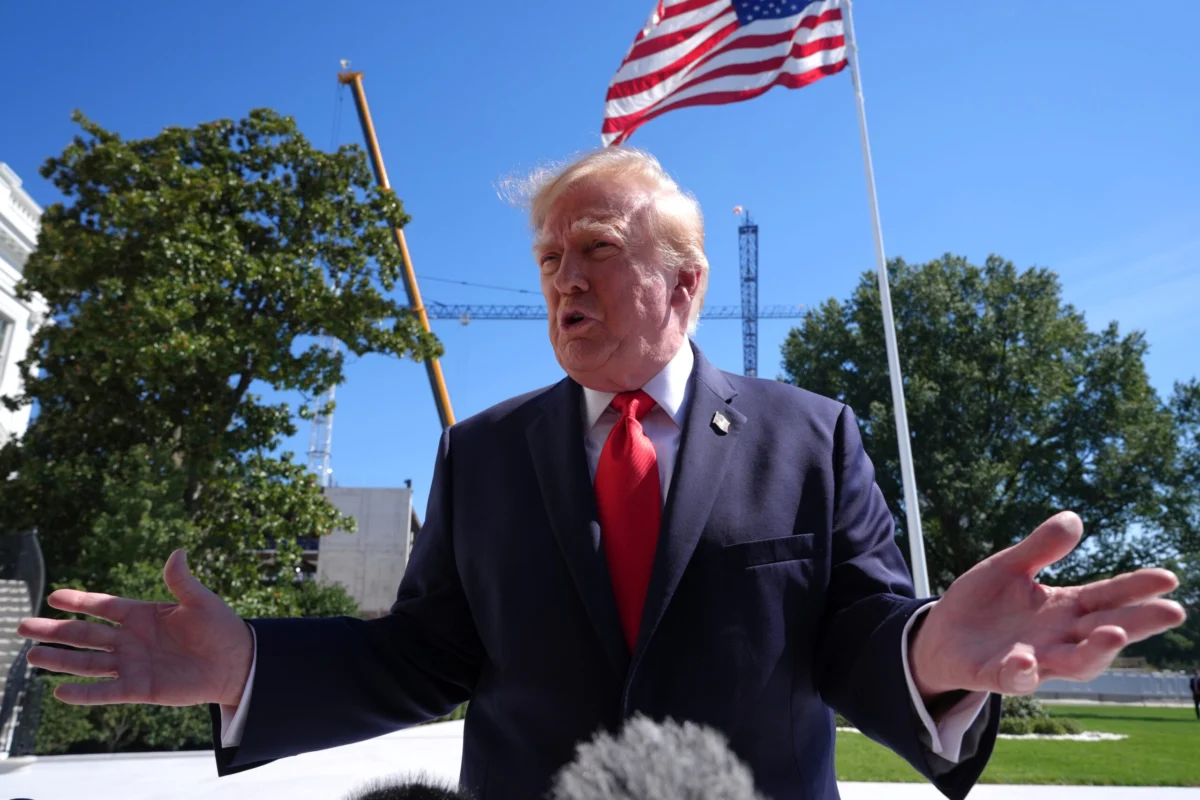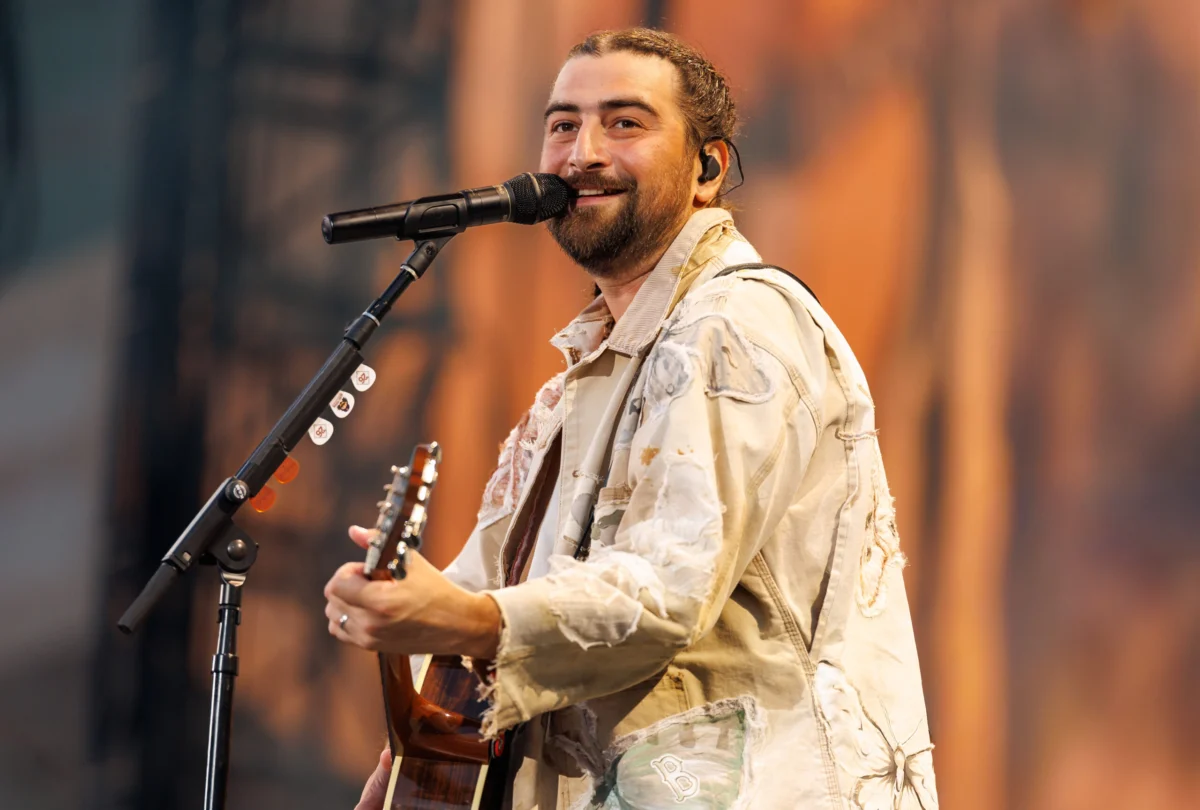
Singer-songwriter Noah Kahan has publicly denounced former President Donald Trump’s campaign for its unauthorized use of his song, “American Cars,” on social media. The popular folk-pop artist explicitly stated he would “never approve” his music for use by Trump or his administration, marking another high-profile clash between a musical artist and a political campaign over intellectual property rights.
The Intersection of Music and Political Campaigns
This incident underscores a persistent tension in American politics: the use of popular music by campaigns without the explicit consent, and often against the expressed wishes, of the artists. Political campaigns frequently leverage well-known songs to evoke specific moods, connect with audiences, or amplify their message at rallies and in online content. However, this practice often runs afoul of copyright holders, who may object to their art being associated with political figures or ideologies they do not support.
Copyright law grants creators exclusive rights to reproduce, distribute, perform, and display their works. While public performance licenses, typically obtained by venues or broadcasters, generally cover live events, the use of music in political advertisements or campaign videos often requires specific synchronization licenses, particularly if the song is integrated into a visual work. The implication of endorsement, even if unintentional, can be a major point of contention for artists and their legal teams.
A Growing List of Disapproving Artists
Kahan’s firm stance places him among a significant and growing cohort of musicians who have pushed back against the Trump campaign specifically for perceived unauthorized usage. Over the years, numerous high-profile artists and their estates have issued cease and desist letters or publicly condemned the former president’s use of their tracks. These include icons such as Celine Dion, whose “My Heart Will Go On” was reportedly played at a rally, and Katy Perry, who objected to the use of “Firework.”
Other notable examples include Kesha, regarding the use of “Tik Tok,” and the estate of legendary rocker Tom Petty, which vehemently opposed the use of “I Won’t Back Down.” The common thread in these objections is often the artists’ desire to prevent their work from being interpreted as an endorsement of a political candidate or their platform, particularly when their personal views diverge sharply from the campaign’s. This ongoing pattern highlights a fundamental disagreement over intellectual property and artistic integrity in the political sphere.
Timeline of the Incident: "American Cars" in the Spotlight
The controversy erupted when the official White House and Donald Trump campaign social media accounts featured Kahan’s song, “American Cars,” in a post related to an event for autoworkers in Michigan. The specific content of the post appeared to align the song with a narrative supporting the former president’s economic agenda and his appeal to blue-collar workers, particularly in a key swing state. The choice of “American Cars,” a song that could be broadly interpreted as reflecting on national identity or industrial themes, illustrates how political campaigns attempt to co-opt cultural touchstones.
Upon discovering the unauthorized use, Kahan, a 29-year-old singer-songwriter known for his introspective lyrics and earnest folk-pop sound, took swift action. He directly commented on the social media post, unequivocally stating, “Would never approve of my music being used in support of you or this administration.” This direct and public rebuke quickly gained traction, with Kahan’s comment accumulating thousands of likes and shares, signaling broad support from his fanbase and the wider online community. His immediate and public response served to clarify his position and prevent any misinterpretation of his artistic alignment.
Noah Kahan’s Ascendant Star: Amplifying His Voice
The timing of this incident is particularly noteworthy given Kahan’s meteoric rise in the music industry. The Vermont native is currently enjoying a record-breaking year, which significantly amplifies the impact of his political statement. Just last month, Kahan achieved his first No. 1 album on the prestigious Billboard 200 chart with his latest release, The Great Divide. The album’s debut was a commercial powerhouse, securing the third-biggest week for an album release this year, underscoring his burgeoning mainstream appeal and critical acclaim.
The Great Divide serves as the highly anticipated follow-up to Kahan’s breakthrough album, Stick Season, which dramatically transformed his career trajectory. Stick Season, with its raw emotionality and relatable narratives, propelled Kahan from performing in intimate club venues to headlining sold-out stadium tours across the country. The success of Stick Season established Kahan as a distinctive voice in contemporary folk and pop music, solidifying a loyal and expansive fanbase that now keenly observes his public actions and statements. His growing influence means that his public denunciation of Trump’s campaign carries considerable weight.
The rollout for The Great Divide was meticulously planned and executed, further cementing Kahan’s status as a major artist. The album was initially announced in late January, with the music video for its titular first single making a high-profile debut during a commercial break at the 2026 Grammy Awards. This strategic placement ensured maximum visibility for the new project. Less than 24 hours after the initial 17-track album release, Kahan surprised fans by dropping an extended version, The Great Divide: The Last of the Bugs, which included four additional tracks: “Lighthouse,” “Staying Still,” “A Few of Our Own,” and “Orbiter,” bringing the total track count to 21. This rapid-fire release strategy showcased Kahan’s prolific output and his commitment to engaging his audience with fresh material.
Currently, Kahan is in the midst of his massively successful, sold-out Great Divide tour, playing to legions of devoted fans. Earlier this month, he completed an impressive four-night residency at Boston’s iconic Fenway Park, a testament to his immense popularity and ability to command large venues. During this historic run, Kahan was also inducted into Fenway Park’s artist hall of fame, a rare honor that underscores his significant cultural impact and connection with his New England roots. His current stature means that his public denunciation of Trump’s campaign resonates far beyond a simple social media comment, reaching millions of fans and media outlets.
Analysis and Broader Implications: The Battle for Artistic Control
This incident is more than a one-off skirmish; it represents a recurring battle for artistic control and the integrity of creative works in the political arena. For artists, the unauthorized use of their music by political campaigns can be deeply problematic. It can lead to perceptions of endorsement that conflict with their personal values, alienate portions of their fanbase, and potentially undermine their artistic brand. Many artists feel a moral obligation to prevent their work from being co-opted for political purposes they do not endorse, viewing their music as an extension of their identity and beliefs.
From a campaign perspective, the temptation to use popular music is clear: it can energize crowds, create memorable moments, and tap into existing cultural narratives. However, the risks, as demonstrated by Kahan and many others, are equally evident. A public rebuke from a beloved artist can generate negative press, alienate younger voters or specific demographics, and even trigger legal challenges. While campaigns sometimes argue that they operate under blanket public performance licenses, these licenses typically do not cover uses that imply endorsement or are incorporated into campaign advertisements, which fall under synchronization rights.
The legal landscape surrounding this issue is complex and often requires artists to pursue cease and desist orders or even litigation to protect their intellectual property. Such legal actions, while sometimes effective, can be costly and time-consuming, forcing artists to divert resources from their creative endeavors. The public nature of Kahan’s protest, therefore, serves as a powerful and immediate form of recourse, leveraging his significant social media presence to exert pressure and clarify his position without necessarily initiating formal legal proceedings immediately.
Impact on Public Discourse and Cultural Significance
The public outcry and widespread support for Kahan’s statement highlight a broader cultural sensitivity to the intersection of art and politics. Fans often feel a strong connection to artists and their music, and they tend to be protective of how that art is used. When a political campaign uses a song against the artist’s wishes, it can be perceived as disrespectful not only to the artist but also to the emotional and cultural resonance the music holds for its audience. This can lead to increased engagement among fans who rally behind the artist’s stance.
Moreover, these incidents contribute to the ongoing national conversation about intellectual property rights in the digital age, especially in the context of political communication. They raise questions about accountability for social media content and the responsibilities of political entities to respect copyright. As the 2024 election cycle intensifies, such disputes are likely to become more frequent, underscoring the critical role artists play not just as entertainers but as voices who can shape public opinion and stand firm on their principles. The cultural impact extends to how younger generations, heavily influenced by music and social media, perceive the integrity of political campaigns.
Reactions, Consequences, and Next Steps for Noah Kahan and Campaigns
Following Kahan’s definitive statement, there was no immediate official response or retraction from the Trump campaign or the White House social media accounts. This pattern of non-response or slow response is not uncommon in similar situations involving the campaign, which often chooses to ignore artists’ demands or remove content without public acknowledgment. For Kahan, the immediate consequence of his action is the clear communication of his non-endorsement to his vast fanbase and the public, safeguarding his artistic integrity and brand.
While Kahan has not indicated any further legal action, his public comment serves as a de facto cease and desist, putting the campaign on notice. Should the campaign continue to use “American Cars” or other Kahan tracks, the artist would have grounds for more formal legal measures, including a copyright infringement lawsuit seeking damages and an injunction to prevent future use. The broader consequence for political campaigns is a reinforced understanding that leveraging popular music carries inherent risks, particularly when artists hold strong, divergent political views. The incident reinforces the importance of securing proper licensing and consent, or facing potential public relations setbacks and legal challenges that can divert campaign resources and attention.
A Clear Message from a Cultural Force
Noah Kahan’s unequivocal rejection of his music being used by the Trump campaign sends a clear and potent message from an artist at the peak of his powers. It reaffirms the principle that creators maintain ultimate control over their artistic output and its association with political endorsements. As Kahan continues his triumphant tour and builds upon his immense success, his willingness to use his platform to defend his artistic autonomy highlights the enduring power of musicians to influence cultural discourse and stand up for their convictions in an increasingly politicized world. The incident serves as a stark reminder that while music can unite, its misappropriation can just as easily divide, particularly when an artist’s voice is explicitly silenced or misrepresented.