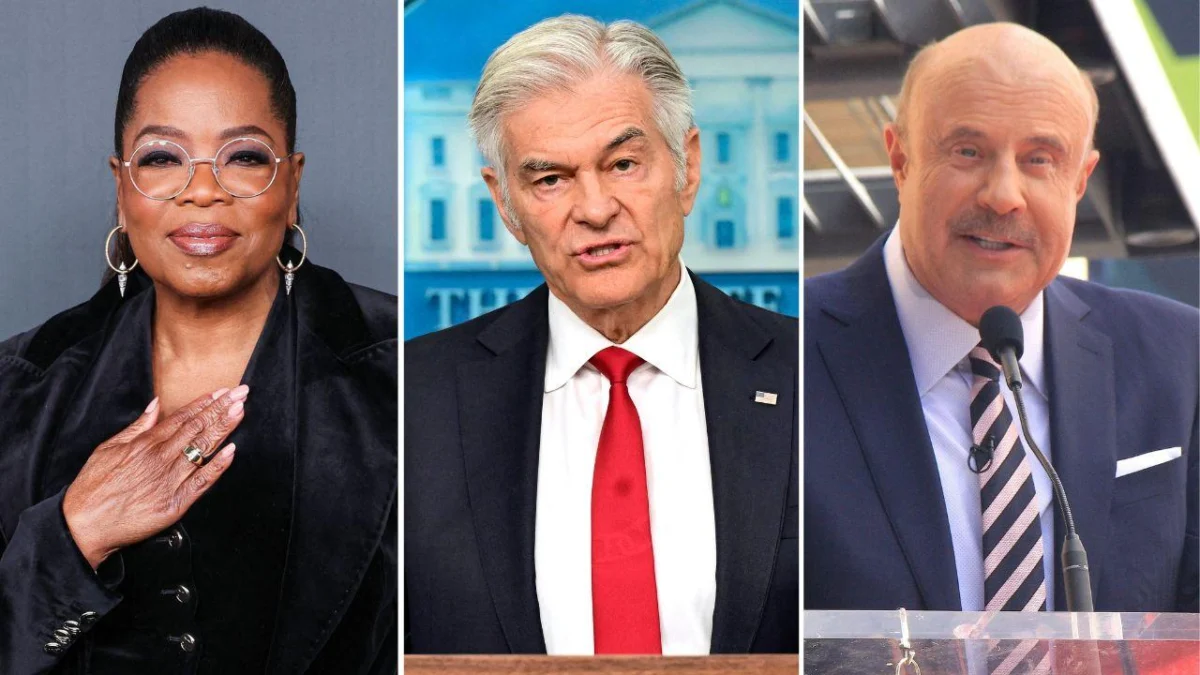
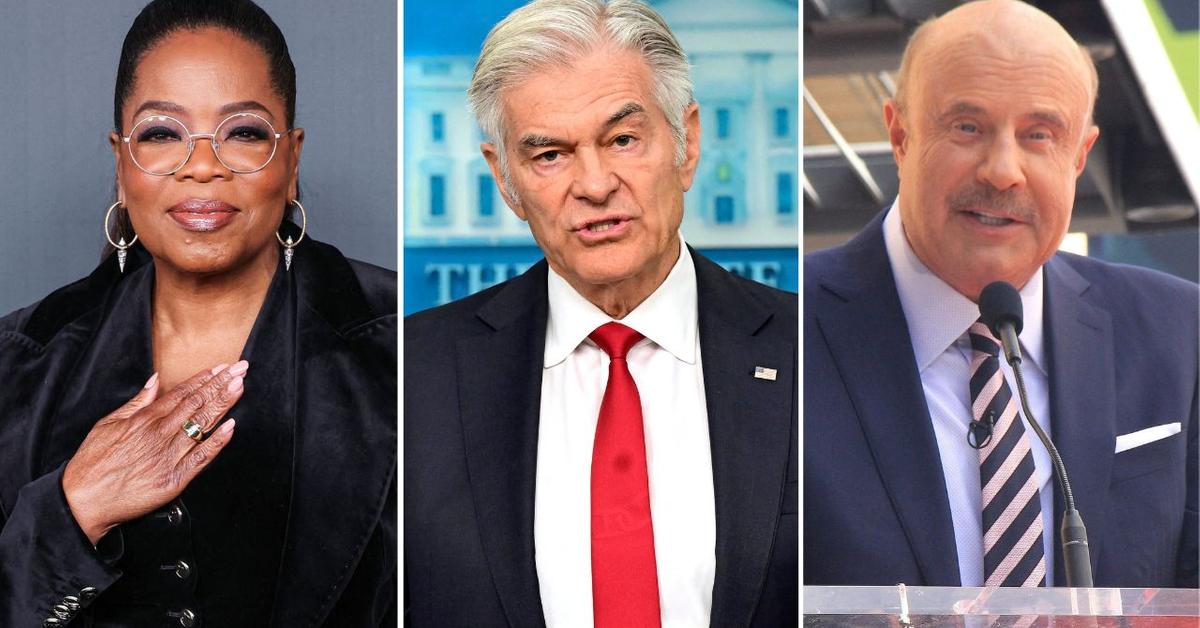
Media mogul Oprah Winfrey has publicly affirmed her decision to launch the television careers of Dr. Mehmet Oz and Dr. Phil McGraw, asserting that her original intention was to share what she believed was "valuable information" with her audience. Winfrey, 72, addressed the ongoing criticism regarding the two doctors’ later political views and endeavors in a recent interview, emphasizing that their current paths are entirely separate from her. Her remarks come years after both personalities leveraged their Oprah Winfrey Show appearances into their own highly successful, yet often controversial, syndicated programs.
Winfrey’s unparalleled influence in media made her talk show a coveted launchpad for many aspiring experts and celebrities. For decades, The Oprah Winfrey Show was a cultural touchstone, shaping public discourse and launching products, books, and careers with what became known as the "Oprah Effect." It was within this powerful ecosystem that Dr. Phil and Dr. Oz first gained national prominence, initially introduced to millions of viewers as trusted voices offering practical advice on psychology and health.
The Genesis of Their Television Careers
Dr. Phil McGraw, a clinical psychologist from Texas, first entered Winfrey’s orbit in 1998 during a period of significant personal challenge for the talk show host. Winfrey faced a high-profile lawsuit from a group of Texas cattle ranchers who alleged her comments about mad cow disease on her show had disparaged their industry. During this intense legal battle, Winfrey enlisted McGraw’s legal consulting team. She found his straightforward, no-nonsense approach to problem-solving to be profoundly helpful and relatable.
Winfrey recounted how McGraw’s "practical, down-to-earth, and real" demeanor during the six-week trial left a lasting impression. His ability to distill complex issues into digestible advice convinced her of his potential to assist a broader audience. This led to his frequent guest appearances on The Oprah Winfrey Show, where he offered psychological insights and life coaching, quickly becoming a fan favorite. His segment’s popularity ultimately paved the way for the launch of Dr. Phil in 2002, a show that would run for over two decades, focusing on relationships, mental health, and social issues.
Dr. Mehmet Oz, a cardiothoracic surgeon, was introduced to Winfrey through her close friend, Gayle King. Winfrey was particularly impressed by Dr. Oz’s knack for simplifying intricate medical concepts for a lay audience. She recalled his ability to explain fundamental health topics, such as colon cancer and bowel movements, using everyday language that demystified often intimidating medical jargon. This accessibility resonated with Winfrey, who saw an opportunity to empower her viewers with understandable health knowledge.
Dr. Oz began appearing on The Oprah Winfrey Show in 2004, where he quickly became a resident health expert. His segments often featured discussions on preventative health, diet, and common ailments. His engaging presentation style and medical authority made him another breakout star from Winfrey’s platform. His own syndicated program, The Dr. Oz Show, debuted in 2009, initially focusing on general health and wellness, providing medical advice, and featuring various diet and lifestyle recommendations.
Shifting Public Perception and Growing Criticism

While both Dr. Phil and Dr. Oz enjoyed immense popularity and critical acclaim in their early years, their respective careers eventually faced increasing scrutiny and controversy. The nature of their advice, their endorsements, and later, their political affiliations, began to draw significant public and professional criticism. Winfrey acknowledged that she is "often criticized" for her role in elevating these figures, particularly in light of their subsequent trajectories.
For Dr. Oz, the criticism intensified significantly as his show progressed. He was frequently accused by medical professionals and scientists of promoting unproven remedies, fads, and pseudoscience on his program. In 2014, a British Medical Journal study found that more than half of the recommendations on The Dr. Oz Show lacked scientific evidence or contradicted medical research. This erosion of his medical credibility set the stage for a more dramatic shift in his public persona.
The most significant turn for Dr. Oz came with his entry into the political arena. In 2021, he announced his candidacy for the U.S. Senate in Pennsylvania as a Republican. His campaign heavily aligned with former President Donald Trump, who endorsed him. Following his unsuccessful Senate bid, Dr. Oz accepted a role within the Trump Administration as the Administrator of the Centers for Medicare & Medicaid Services, a position that solidified his political identity and further distanced him from his initial image as a neutral health expert.
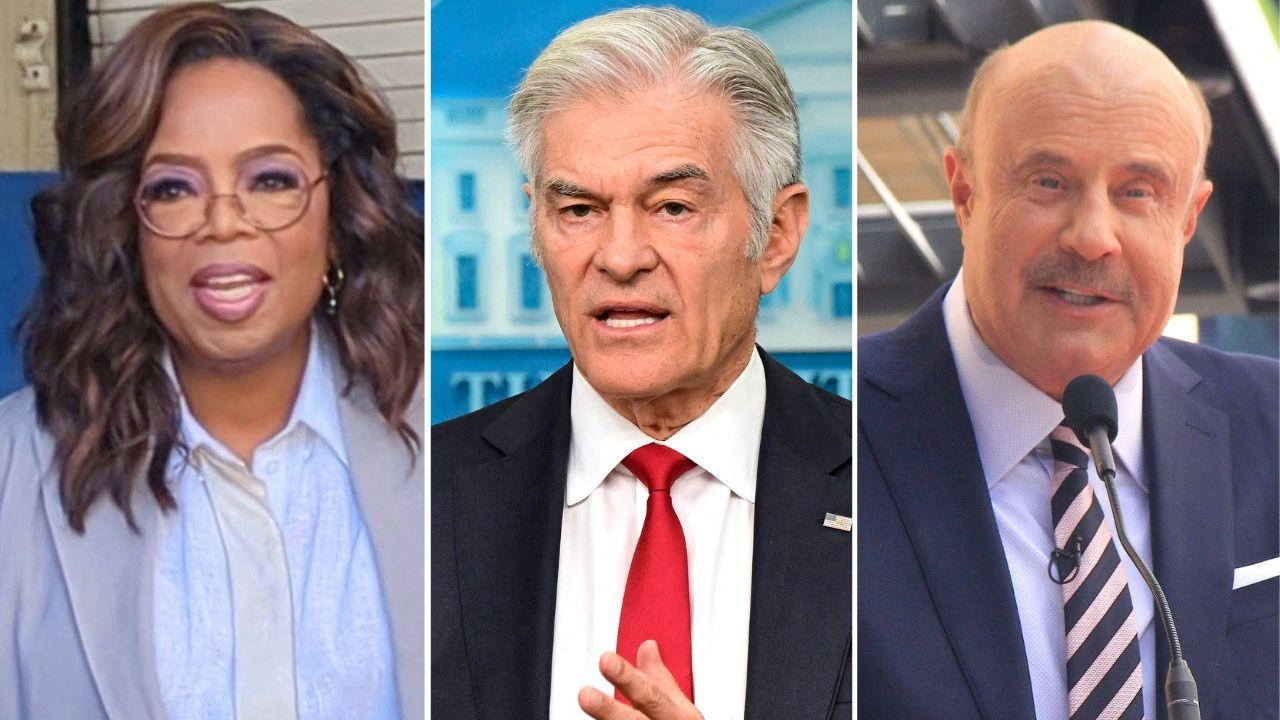
Dr. Phil McGraw also faced his share of controversies. His show was often criticized for its sensationalist approach to mental health, with some accusing him of exploiting guests for entertainment value rather than providing genuine therapeutic help. Professional ethics concerns were raised regarding his advice and the boundaries of his psychological practice, especially since he relinquished his license to practice psychology in 2006. While he did not explicitly declare political affiliation, his appearance at a Donald Trump rally in October 2024, where he spoke to the crowd, linked him more overtly to a specific political movement, drawing criticism from those who felt it compromised his perceived impartiality as a television psychologist.
Oprah’s Stance and Broader Implications
In her recent comments, Oprah Winfrey drew a clear line between her initial support and the subsequent paths taken by Dr. Oz and Dr. Phil. She stated emphatically, "Everybody has their own path in life, and it has not one thing to do with me, and I don’t have one thing to do with them." This statement underscores a common dilemma faced by influential media figures: the extent of their responsibility for the long-term actions and reputations of those they help elevate.
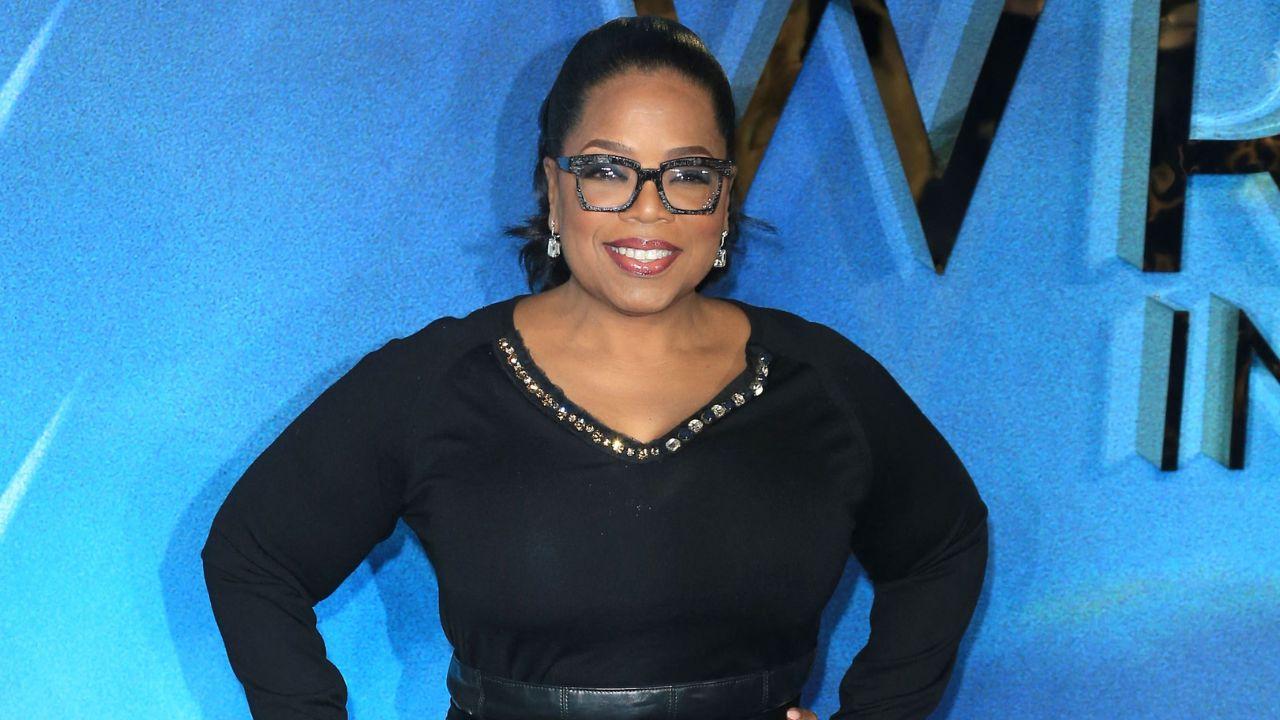
The "Oprah Effect" historically carried immense weight, capable of turning products into bestsellers and individuals into household names. This power inherently came with a degree of implicit endorsement and trust from her vast audience. Her defense highlights the complex interplay between media influence, personal responsibility, and evolving public figures. The initial premise for giving Dr. Oz and Dr. Phil platforms was rooted in providing accessible, valuable information to viewers seeking guidance on health and well-being. At the time, their advice was perceived as beneficial and aligned with the show’s mission of empowerment.
However, the subsequent professional and political choices made by both doctors have ignited a broader conversation about the ethical responsibilities of media personalities and the blurring lines between expert advice, entertainment, and political advocacy. The public’s trust in media figures, particularly those positioned as experts, is fragile and can be significantly impacted when those figures diverge from their original roles into contentious areas like partisan politics or the promotion of unsubstantiated claims.
Winfrey’s remarks serve as a reflection on her own legacy and the unintended consequences that can arise from powerful endorsements. Her clarification seeks to disentangle her current standing from the ongoing controversies surrounding Dr. Oz and Dr. Phil, suggesting that while she provided the initial opportunity, their individual trajectories are ultimately their own. The debate over the responsibility of media gatekeepers and the accountability of public figures continues to resonate, particularly in an era where information, entertainment, and political messaging are increasingly intertwined.