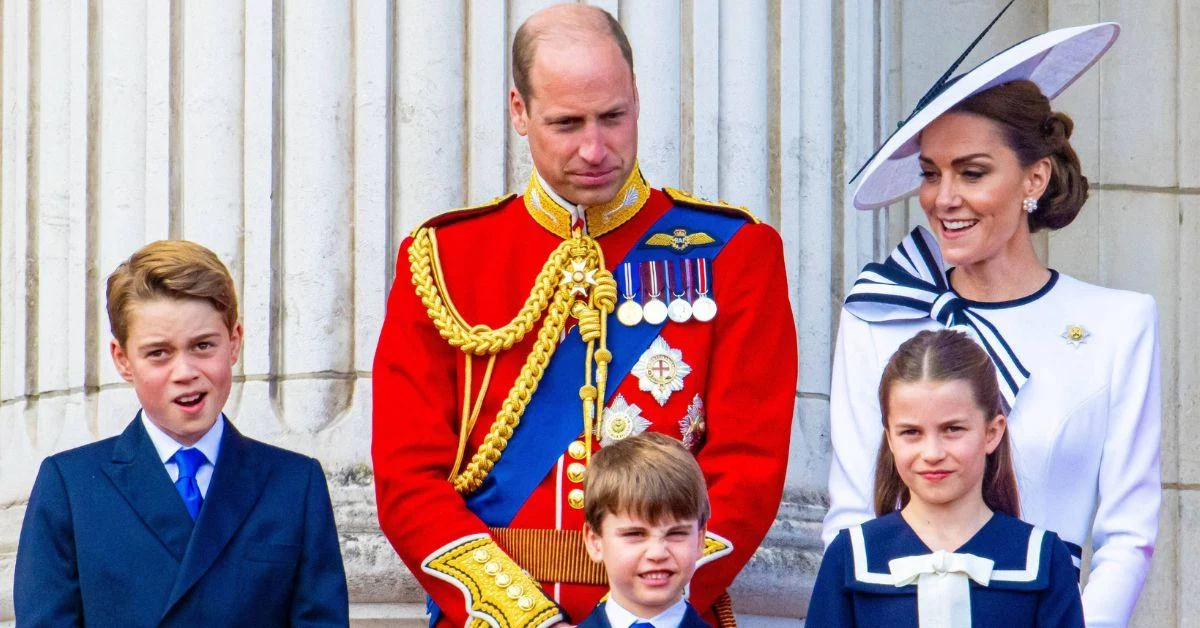
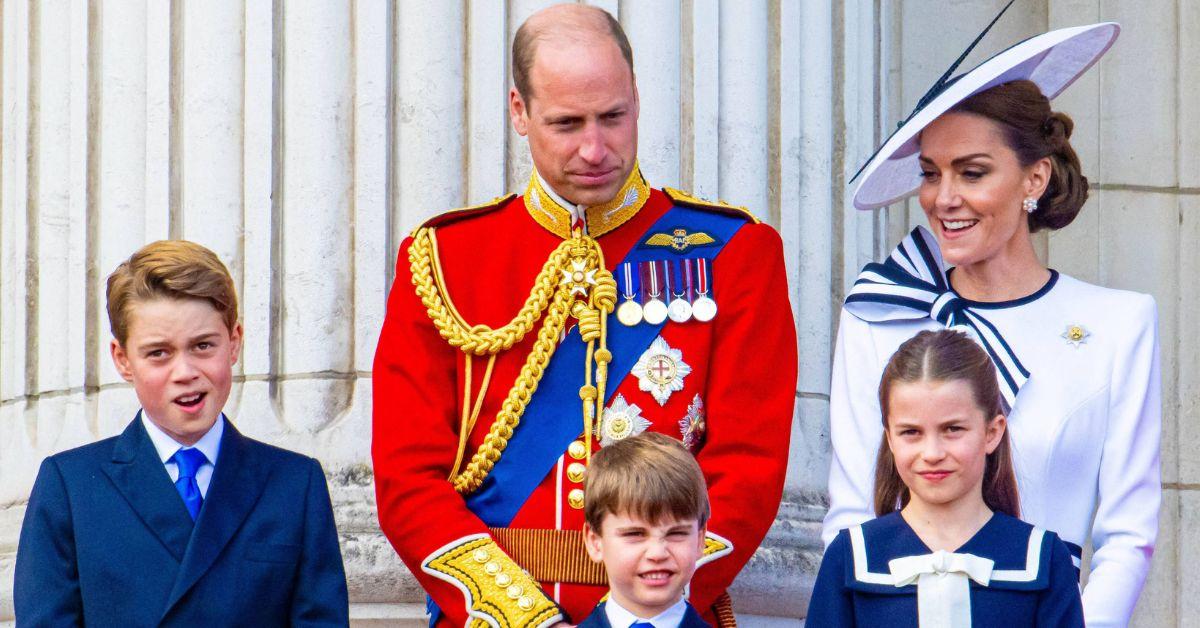
Prince George, the eldest son of Prince William and Catherine, Princess of Wales, has been officially confirmed to attend Eton College starting this September, continuing a long-standing royal tradition. Kensington Palace verified the significant development to People on Tuesday, June 16, marking a pivotal moment in the young prince’s educational trajectory and his preparation for future royal duties. This decision sees the 13-year-old heir mirroring his father, Prince William, who also attended the prestigious all-boys boarding school.
A Royal Educational Legacy at Eton
Eton College, an institution steeped in centuries of history, has long been the preferred choice for educating members of the British royal family and the nation’s elite. Founded by King Henry VI in 1440, the school is situated in Berkshire, England, and is widely recognized for its rigorous academic standards and distinctive traditions. Its sprawling campus and historic buildings have nurtured countless influential figures.
The Enduring Prestige of Eton College
As the largest boarding school in England, Eton boasts an unparalleled reputation for academic excellence and character development. Its alumni, known as "Old Etonians," include 20 British Prime Ministers, numerous Nobel laureates, and prominent figures in arts, sciences, and public service. The school’s unique blend of tradition and modern pedagogy aims to cultivate leadership, critical thinking, and a strong sense of public duty among its students.
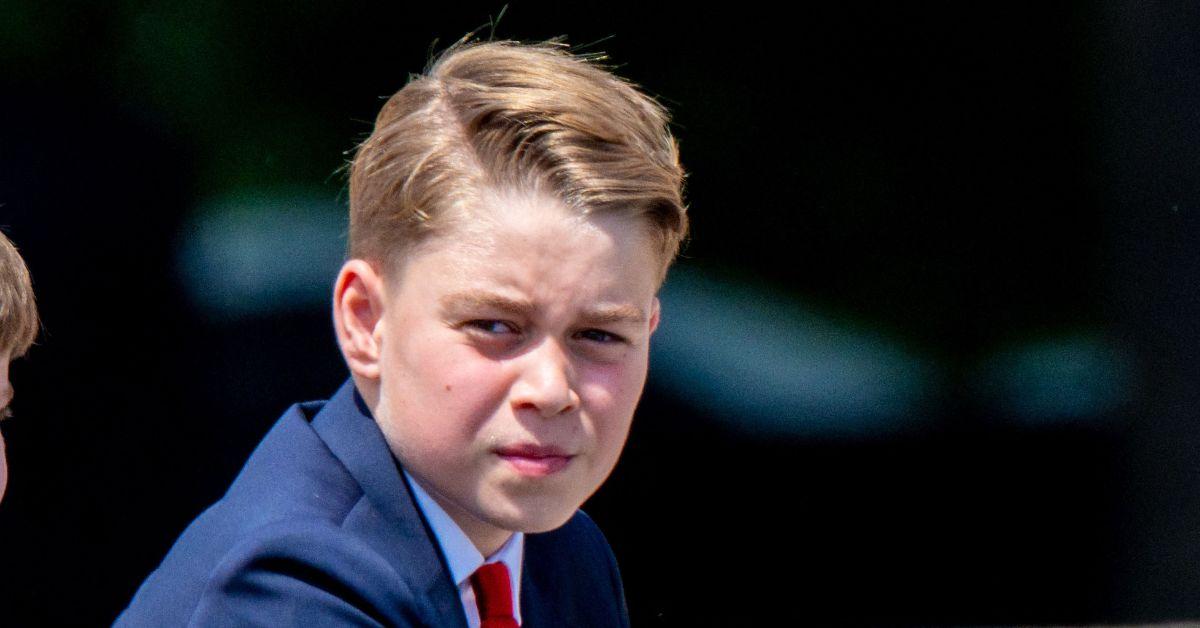
The choice of Eton for Prince George underscores the Royal Family’s commitment to maintaining an educational lineage that has historically prepared future monarchs for their roles. While the world has changed dramatically since its founding, the core values and rigorous environment of Eton are seen as instrumental in shaping individuals destined for positions of significant responsibility. This move is not merely an educational decision but a strategic step in George’s journey towards kingship.
Prince William and Prince Harry’s Eton Years
Prince William attended Eton College from 1995 to 2000, navigating the demanding curriculum and unique boarding school experience. His younger brother, Prince Harry, followed suit, enrolling in 1998 and graduating in 2003. Their time at Eton was closely documented, offering rare glimpses into their formative years within the highly structured, yet deeply enriching, environment of the institution.
Both princes emerged from Eton with a blend of academic achievement and personal growth, attributes considered essential for their public roles. The decision for Prince George to attend the same school suggests a belief within Kensington Palace that Eton provides the optimal foundation for a future King, fostering resilience, intellectual curiosity, and a network of influential peers. This continuity reinforces a pattern of royal education that spans generations.
Prince George’s Educational Journey So Far
Prince George’s enrollment at Eton College represents a significant departure from his previous educational settings, which were notably more integrated with his younger siblings. His early schooling reflects a carefully planned approach by his parents, balancing royal tradition with a desire for a more conventional childhood experience where possible. Each transition has marked a new phase in his development.

Transition from Lambrook and Thomas’s Battersea
Prior to this move, Prince George attended Lambrook School in Ascot, where he was joined by his younger sister, Princess Charlotte, 12, and younger brother, Prince Louis, 8. This period allowed the royal siblings to experience a co-educational environment together, fostering a sense of normalcy and shared experience. The move to Lambrook from London in 2022 was a notable shift for the Wales family, providing them with a quieter life in Windsor.
Before Lambrook, George and Charlotte were educated at Thomas’s Battersea in London. This urban day school provided another co-educational setting for the young royals, highlighting their parents’ initial preference for a more inclusive educational model. The transition to Eton, an all-boys boarding school, signifies a strategic shift, aligning George’s education more directly with that of previous male heirs to the throne.
The Significance of Prince George’s Eton Enrollment
The confirmation of Prince George’s enrollment at Eton College is more than just a school admission; it is a profound statement about his future and the enduring values of the British monarchy. This decision places him firmly within a lineage of leaders and public servants, setting a precedent for his public life and reign. The choice reflects a deliberate strategy by the Prince and Princess of Wales.
Shaping a Future Monarch
For Prince George, attending Eton is a critical step in his preparation for the ultimate role of King. The school’s curriculum extends beyond traditional academics, emphasizing leadership skills, critical thinking, and a strong sense of social responsibility. These attributes are invaluable for a monarch who must navigate complex national and international affairs, embodying stability and continuity for the Commonwealth.
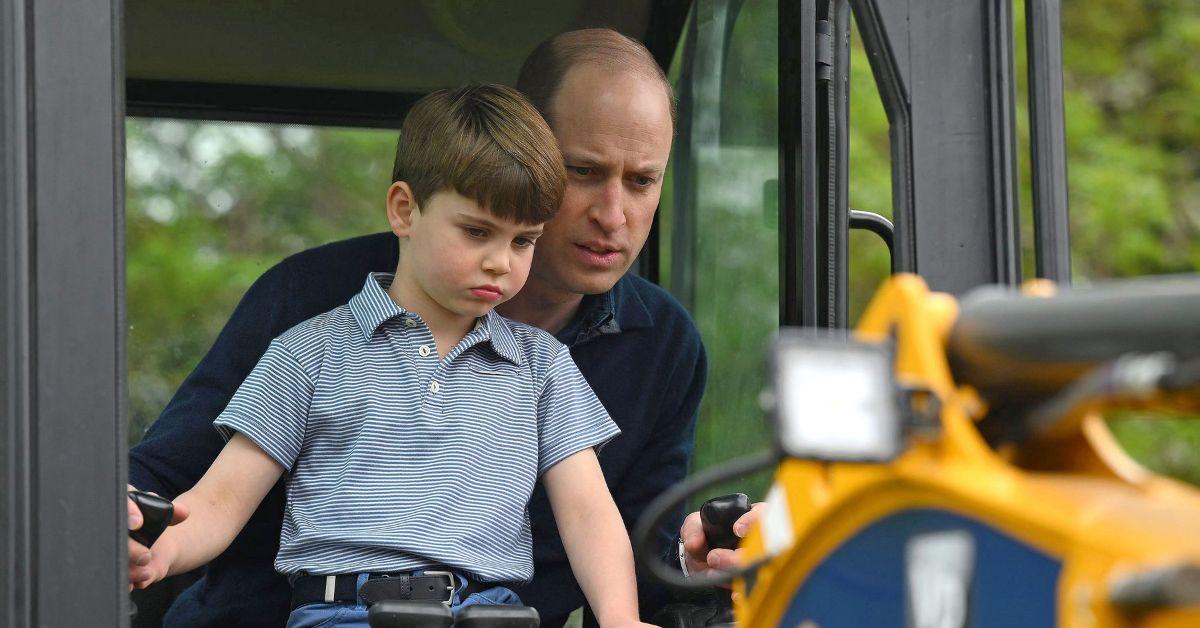
Eton’s environment, known for its intellectual rigor and emphasis on character, is designed to cultivate well-rounded individuals capable of profound impact. For George, this means developing not only a robust intellect but also the resilience and poise necessary to withstand intense public scrutiny and lead a nation. His time there will undoubtedly be formative, shaping the man he becomes and, by extension, the monarch.
Balancing Tradition and Modernity
The choice of Eton for Prince George also highlights the delicate balance the modern Royal Family seeks to strike between honoring centuries-old traditions and adapting to contemporary expectations. While Eton represents the pinnacle of traditional British elite education, the Waleses have also ensured George experienced co-educational schooling earlier in his life, reflecting a more modern approach to childhood. This duality showcases a thoughtful approach to royal upbringing.
The decision for Prince George to follow Prince William’s footsteps at Eton College ensures a continuation of a royal custom, reinforcing the stability and historical depth of the monarchy. Yet, it is also a choice made in a new era, with different public expectations and media landscapes. The challenge for George, and the institution, will be to embrace tradition while fostering an individual prepared for the unique demands of 21st-century royalty.
Public Reaction and Broader Implications
The announcement of Prince George’s enrollment at Eton College has elicited a wide range of reactions from the public and royal commentators alike. The news reignites perennial discussions about royal upbringing, elite education, and the role of tradition in a modern society. It also places a renewed spotlight on the educational paths chosen for the future generation of the monarchy.
Scrutiny and Expectations for Prince George
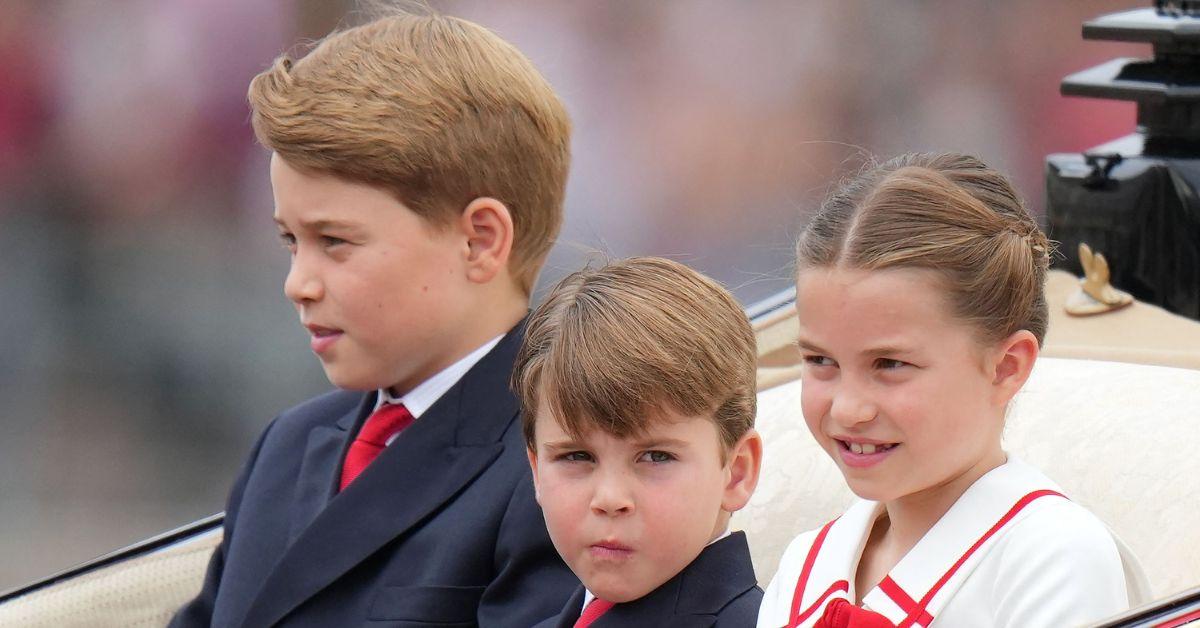
Prince George’s time at Eton will undoubtedly be subject to intense public and media scrutiny, perhaps even more so than his father’s. As a future King, every aspect of his life, including his education, is viewed through the lens of his eventual responsibilities. The pressures of attending such a high-profile institution, combined with his royal status, will present unique challenges for the young prince.
Observers will be keen to see how George adapts to boarding school life, balances academic demands with his public profile, and forms relationships within the highly competitive environment of Eton. The experience will test his resilience and character, offering both opportunities for growth and potential pitfalls under the ever-present gaze of the world. His parents are likely to play a crucial role in supporting him through this transition.
The Role of Elite Education in British Society
The discussion surrounding Prince George’s enrollment also touches upon broader societal debates concerning elite independent schools in the United Kingdom. Critics often highlight the perceived exclusivity and privilege associated with institutions like Eton, while proponents emphasize the quality of education and the opportunities they provide. The Royal Family’s choice invariably brings these discussions to the forefront.
For some, Prince George’s attendance at Eton College is a natural continuation of royal custom, ensuring he receives the best possible preparation for his unique destiny. For others, it symbolizes a reinforcement of class divides and a missed opportunity for the monarchy to embrace more inclusive educational models. These differing perspectives underscore the complex relationship between the Royal Family and the diverse segments of British society.
Looking Ahead: Prince George’s Path to Kingship
Prince George’s entry into Eton College marks a significant milestone in his life, symbolizing another deliberate step on his path toward assuming the throne. This educational choice is not merely about academic attainment but about the holistic development required for a life of unparalleled public service and leadership. It represents a long-term investment in his future and, by extension, the future of the British monarchy.
Preparing for a Life of Service
The experiences and lessons learned at Eton will be foundational for Prince George as he continues to grow into his role. The school’s emphasis on discipline, critical thinking, and a broad understanding of the world will be invaluable as he navigates the complexities of modern statesmanship. His education is being meticulously crafted to equip him with the skills and mindset necessary to lead a constitutional monarchy in a rapidly changing global landscape.
As Prince George embarks on this new chapter, the world will watch with keen interest, observing how this traditional education shapes a future king for a contemporary era. His time at Eton College is more than a personal journey; it is a continuation of a legacy, designed to prepare him for the immense responsibilities that await him as the future head of the British Royal Family.