Prince Harry reportedly exhibits a more reserved approach to public displays of affection (PDAs) compared to his wife, Meghan Markle, who is described by sources as naturally "touchy-feely." Observations from recent public appearances suggest a distinct difference in how the Duke and Duchess of Sussex present their affection when under the intense scrutiny of cameras and media. This alleged divergence in their public demeanor has sparked renewed interest in the couple’s carefully curated image and the underlying dynamics of their relationship.
The Sussexes’ Public Persona: A History of Scrutiny
Since their engagement and subsequent marriage, Prince Harry and Meghan Markle have been subjects of relentless global attention. Their relationship, which broke traditional royal molds, has consistently been analyzed through the lens of public perception. From their early days as a couple, their public interactions have been scrutinized for signs of connection, tension, and their adaptation to royal life. The couple’s eventual decision to step back as senior royals in 2020, dubbed "Megxit," and their relocation to California, further amplified interest in their personal and professional brand, which often centers on authenticity and personal expression.
The British royal family has historically maintained a more restrained approach to public displays of affection. While some couples, like Prince William and Catherine, Princess of Wales, occasionally share subtle gestures of warmth, overt PDAs are generally uncommon during official engagements. This protocol often stems from a desire to maintain a professional and dignified front, ensuring the focus remains on their royal duties rather than personal interactions. Prince Harry, having grown up within this system, would have been deeply ingrained with these unwritten rules governing royal conduct.
Observations on Recent Appearances
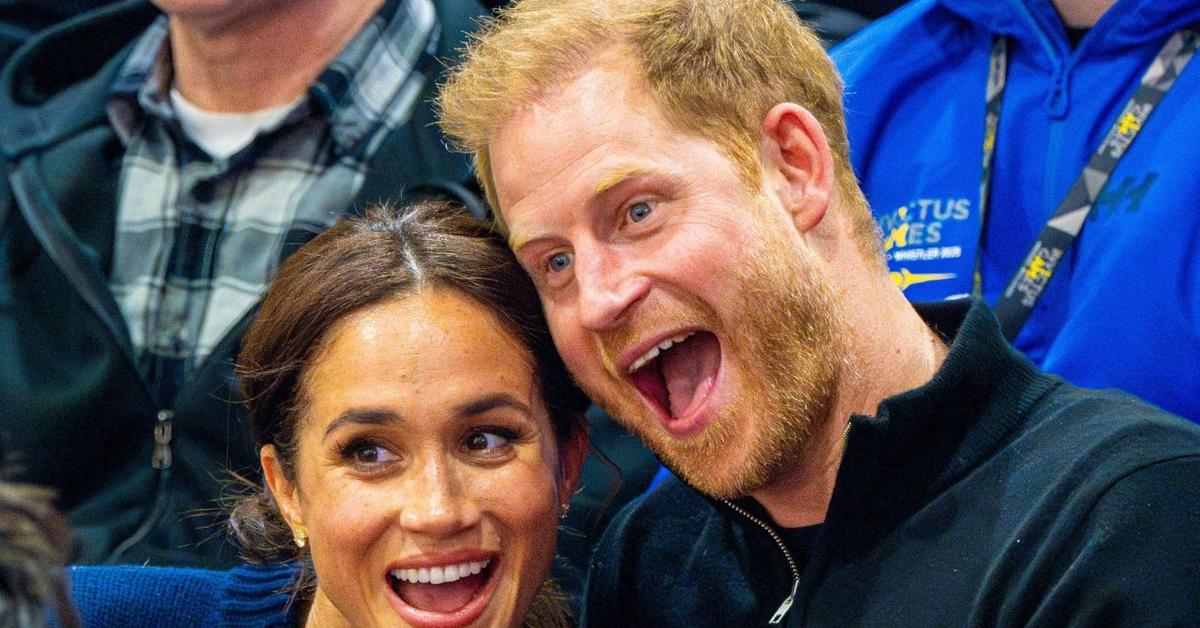
Recent photographs and video footage of the Duke and Duchess of Sussex at various events have drawn particular attention to their differing comfort levels with public affection. In several instances, Meghan Markle has been observed leaning into her husband, her hand often resting on his arm or chest, signifying a clear and open gesture of intimacy. Her body language frequently projects a sense of warmth and connection, directly engaging with the cameras and appearing at ease with the public display of their bond.
In contrast, Prince Harry has reportedly adopted a more restrained posture. While he is undoubtedly affectionate in private, sources suggest he is "less interested in making a big display of it when cameras are around." This manifests in a more formal stance, with less reciprocal physical contact compared to his wife’s overt gestures. His expressions might be more composed, and his physical boundaries slightly more defined, creating a noticeable contrast with Meghan’s seemingly spontaneous displays.
Dissecting the Body Language: Meghan’s Tactile Nature
Body language experts have weighed in on these observations, providing further context to the couple’s public interactions. Judi James, a prominent body language expert, noted that Meghan typically initiates and leads the projection of affection. James described Meghan’s "togetherness pose" as a clear signal of "ongoing affection," often involving pressing into Harry and placing a hand on his chest. This, according to James, serves as a "gesture of ownership" and is often accompanied by a direct gaze at the camera and a wide, "teeth-baring smile of relationship bliss," a "My man" style of celebrity pose.
This consistently "touchy-feely" demeanor from Meghan aligns with her background as an actress and her comfort in public-facing roles. Her expressive nature and readiness to demonstrate affection are often interpreted as signs of genuine connection and openness, contributing to a relatable and approachable public image for the couple. This inherent comfort with showing emotion openly contrasts with the more traditional British royal etiquette.

Prince Harry’s Reserved Demeanor
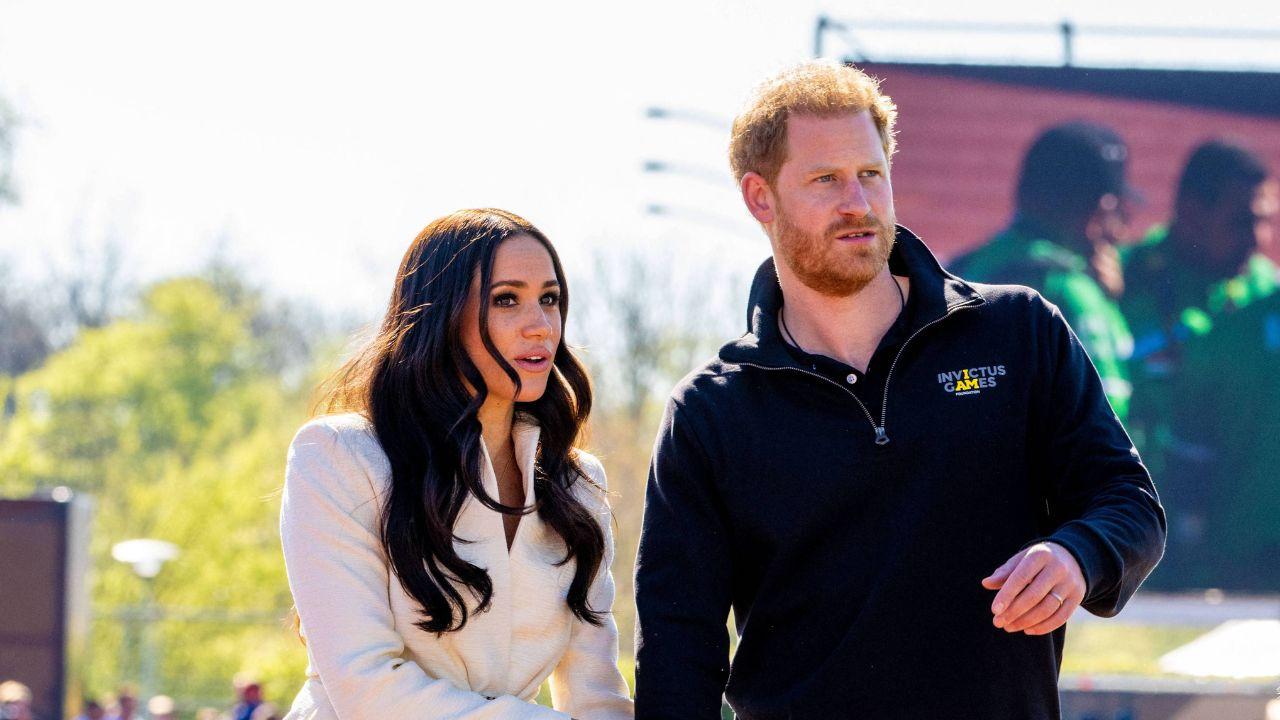
Prince Harry’s public presentation, particularly his apparent disinterest in PDAs, has been described as "less reciprocal" and "more subtle" in its emotional expression. James specifically pointed to Harry’s "hard stare into the camera, his closed lips and the very light placement of his fingers on her back," suggesting a less overtly demonstrative approach. This observation indicates that while affection is present, it is often not showcased with the same intensity or openness as Meghan’s.
Further analysis by James suggested that Harry’s stance might appear "deliberate," almost "coached how to create a complimentary red carpet pose." She noted his "effortful-looking foot placements" and a "Zoolander-style intense stare into the camera," with a "smile" performed with "closed lips rather than the usual friendly and fun Harry-style grin." This calculated presentation hints at a conscious effort to adhere to a certain public image, possibly influenced by his royal upbringing and the perceived expectations of a formal public figure, even post-royal exit.
Expert Analysis: A Deeper Look at Public Displays of Affection
The differing approaches to public displays of affection between Prince Harry and Meghan Markle offer a fascinating case study in celebrity and royal behavior. While the couple has consciously stepped away from the strictures of the monarchy, the influence of Harry’s upbringing and the inherent pressures of global fame continue to shape their public presentation. The distinction between their individual styles highlights the complex interplay of personal inclination, past experiences, and the strategic management of a public image.
Sources close to the couple emphasize that these observed differences in public conduct should not be misinterpreted as a lack of private affection. "Harry is affectionate too, but he’s generally less interested in making a big display of it when cameras are around," a source stated. The presence of cameras, the red carpet environment, and the knowledge of being constantly photographed often compel public figures to adopt a more formal or composed demeanor. For Harry, this might be a deeply ingrained habit from years of royal engagements, where personal emotions were often kept private.
The Role of Cameras and Media Pressure
The constant presence of photographers and videographers undoubtedly plays a significant role in how public figures interact. For many, the knowledge of being under constant surveillance leads to a more guarded presentation. Prince Harry’s history of intense media scrutiny, particularly surrounding his mother, Princess Diana, has likely instilled a cautious approach to public displays of emotion. His more "conscious of posing" attitude at formal events, and being "far less interested in PDAs than Meghan," could be a coping mechanism developed over decades in the public eye.
Meghan, while also a public figure from her acting career, did not experience the same level of intense, lifelong royal media training. Her innate comfort with expressing emotion openly may stem from her professional background, where conveying emotion is often key. This difference in experience could explain why she appears more at ease with being "touchy-feely" in public settings, while Harry defaults to a more structured, formal presentation.
Broader Implications: Shaping Public Perception
The nuanced observations of Prince Harry and Meghan Markle’s public displays of affection contribute to the ongoing narrative surrounding their relationship and public brand. For some, Meghan’s overt affection is seen as a refreshing departure from traditional royal stoicism, a sign of her authenticity and warmth. For others, Harry’s more reserved stance might be interpreted as a subtle nod to his royal roots or even a sign of discomfort with the constant public eye.
The "Sussex Brand" and Authenticity
The Duke and Duchess of Sussex have actively cultivated a brand rooted in authenticity, vulnerability, and a commitment to personal causes through their Archewell Foundation. Their public appearances are often viewed through this lens, with followers and critics alike looking for consistency in their messaging and their personal presentation. The perceived difference in their PDA styles, therefore, becomes another element in the broader discussion about how genuine or performative their public image truly is.
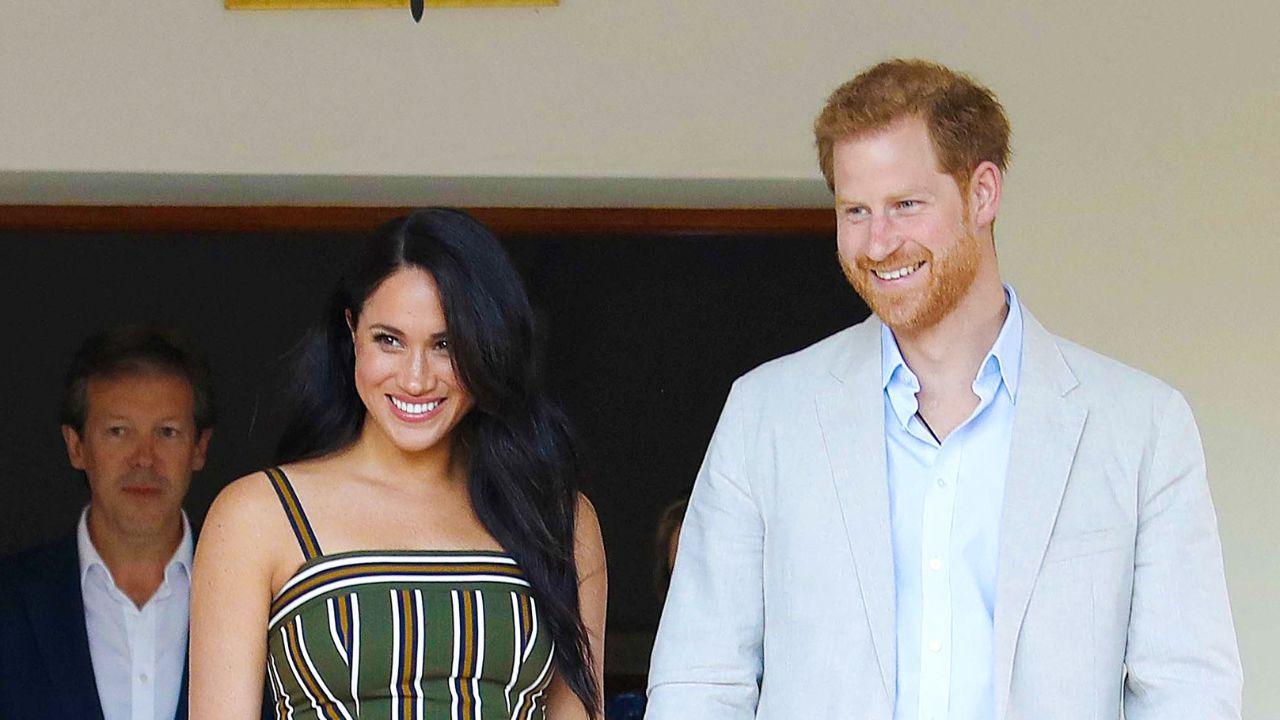
Navigating the intersection of Hollywood celebrity and former royal status presents unique challenges. In Hollywood, public displays of affection are often a common element of celebrity relationships, embraced as a way to project romance and connection. For Harry, balancing his personal inclination with his ingrained royal reserve, while also fitting into Meghan’s more open style, creates a fascinating dynamic. This balancing act inevitably fuels public discussion and analysis, as people attempt to decipher the true nature of their partnership amidst the glare of publicity.
Reactions and Future Outlook
The public and media reactions to these observations are varied. Some interpret the differing PDA styles as a normal aspect of any couple’s individual personalities, while others see it as a potential indicator of deeper dynamics within their relationship. The ongoing fascination with the Duke and Duchess of Sussex means that every public gesture, every glance, and every physical interaction will continue to be meticulously analyzed.
The consistent attention on Prince Harry and Meghan Markle underscores the intense public interest in their lives, both individually and as a couple. Their journey from senior royals to independent media figures in California has been marked by a constant negotiation of privacy and public visibility. How they choose to express their affection in public, whether through Meghan’s "touchy-feely" gestures or Prince Harry’s more formal restraint, will continue to be a subject of discussion, shaping the evolving public perception of one of the world’s most high-profile couples. Ultimately, these observations offer a glimpse into the complex pressures and personal adaptations required to maintain a relationship under the intense spotlight of global fame.