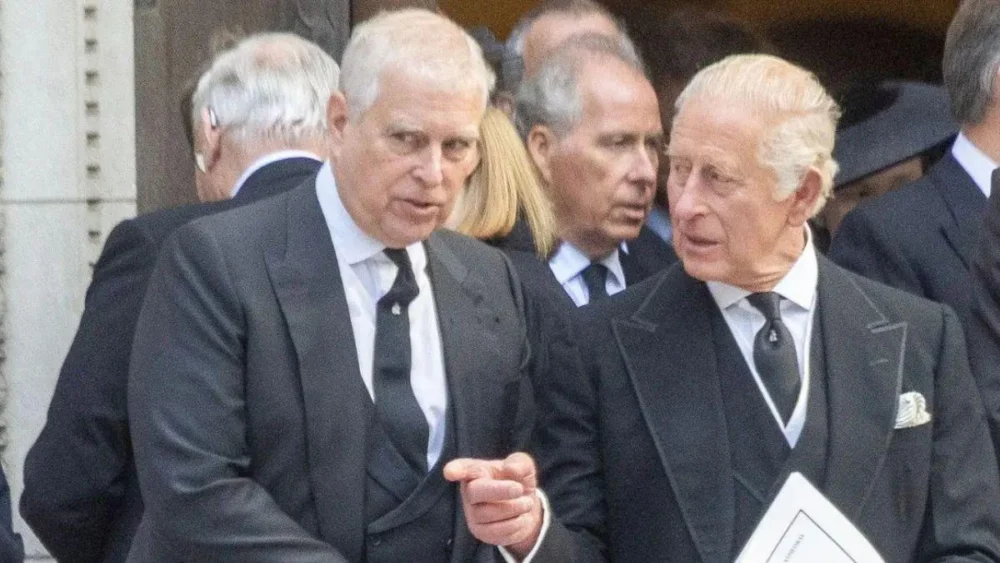
Tensions have escalated within the British Royal Family, with Prince William reportedly engaging in heated disputes with King Charles III regarding the future and status of Prince Andrew following renewed scrutiny over his connections to convicted sex offender Jeffrey Epstein. The Prince of Wales, 43, is said to be demanding decisive and swift action to fully sever Andrew’s remaining ties to the monarchy, including his removal from the line of succession, a stance that appears to clash with King Charles’s more cautious approach.
The Lingering Shadow of Scandal
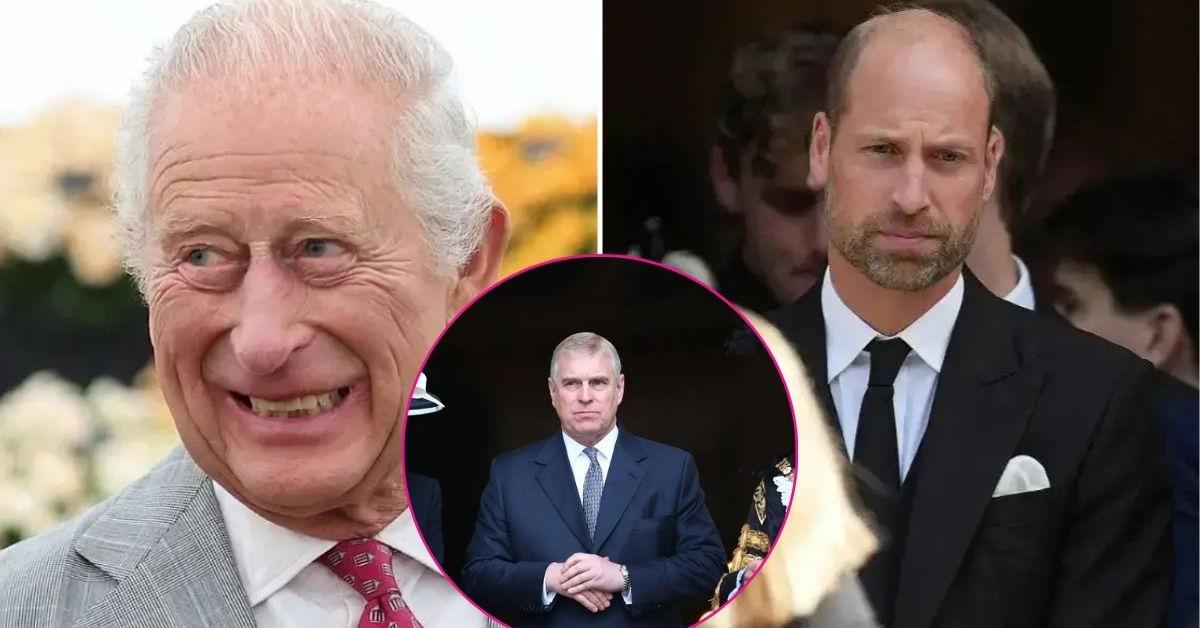
The Duke of York, Prince Andrew, has been a central figure in a series of scandals that have profoundly impacted the public image of the British monarchy. His association with Jeffrey Epstein, a financier convicted of sex trafficking, first drew widespread criticism and eventually led to his withdrawal from public life. Despite stepping back from royal duties in 2019 and being stripped of his military titles and royal patronages in January 2022, the issue of his formal status within the royal lineage has remained a point of contention.
According to royal insiders, Prince William maintains that his disgraced uncle should have been immediately removed from the line of succession and completely excised from royal life years ago. He reportedly views the ongoing uncertainty surrounding Andrew as a "stain" on the institution, one that his father, King Charles, is "dragging his feet" in addressing. William, as the future monarch, is said to be acutely aware of the need to protect the monarchy’s integrity and public trust, especially in an era of heightened scrutiny and declining deference.
A History of Disgrace: Andrew’s Downfall

Prince Andrew’s troubles intensified dramatically after his car-crash interview with BBC’s Newsnight in November 2019, where his attempts to defend his friendship with Epstein and deny allegations made by Virginia Giuffre were widely criticized as lacking empathy and judgment. The public backlash was immediate and severe, forcing Queen Elizabeth II to sanction his withdrawal from public duties. Further legal challenges, including a civil lawsuit filed by Giuffre in the United States, resulted in Andrew settling out of court for an undisclosed sum in February 2022, without admitting guilt.
Even after these significant steps, Andrew retained his place in the line of succession, currently ranking sixteenth. While his practical chances of ascending to the throne are virtually nil, the symbolic presence of a figure so deeply embroiled in scandal within the official line of inheritance is perceived by many, including Prince William, as untenable. The recent arrest of Andrew by British authorities on February 19, for allegedly sending secret travel documents to Epstein during his tenure as a U.K. trade envoy in the early 2010s, has reignited calls for more definitive action. This development has prompted the English government to reportedly consider formally removing him from the line of succession, adding a layer of parliamentary involvement to the already complex royal dilemma.
The Generational Divide: William’s Impatience vs. Charles’s Deliberation

The reported "explosive fights" between King Charles and Prince William highlight a fundamental divergence in their approaches to managing the monarchy’s challenges. William, representing a younger generation, is believed to advocate for a streamlined, modern, and transparent monarchy that is quick to distance itself from any perceived impropriety. His insistence on Andrew facing "serious consequences" stems from a desire to safeguard the institution’s long-term viability and public appeal. He views any delay as prolonging the damage and risking further reputational harm.
King Charles, 77, while having previously taken steps to curtail Andrew’s privileges—such as stripping him of his Duke of York titles and his residence at Royal Lodge in October 2025—is said to be resistant to being "pushed" into further decisions. His approach might be influenced by a more traditional view of family loyalty, a desire to avoid further public spectacle, or a strategic calculation about the timing and method of such a significant constitutional change. Some speculate that the King, who has been battling cancer since 2024, may also be prioritizing his health and the stability of the monarchy during a period of personal vulnerability.
The Constitutional Implications of Succession
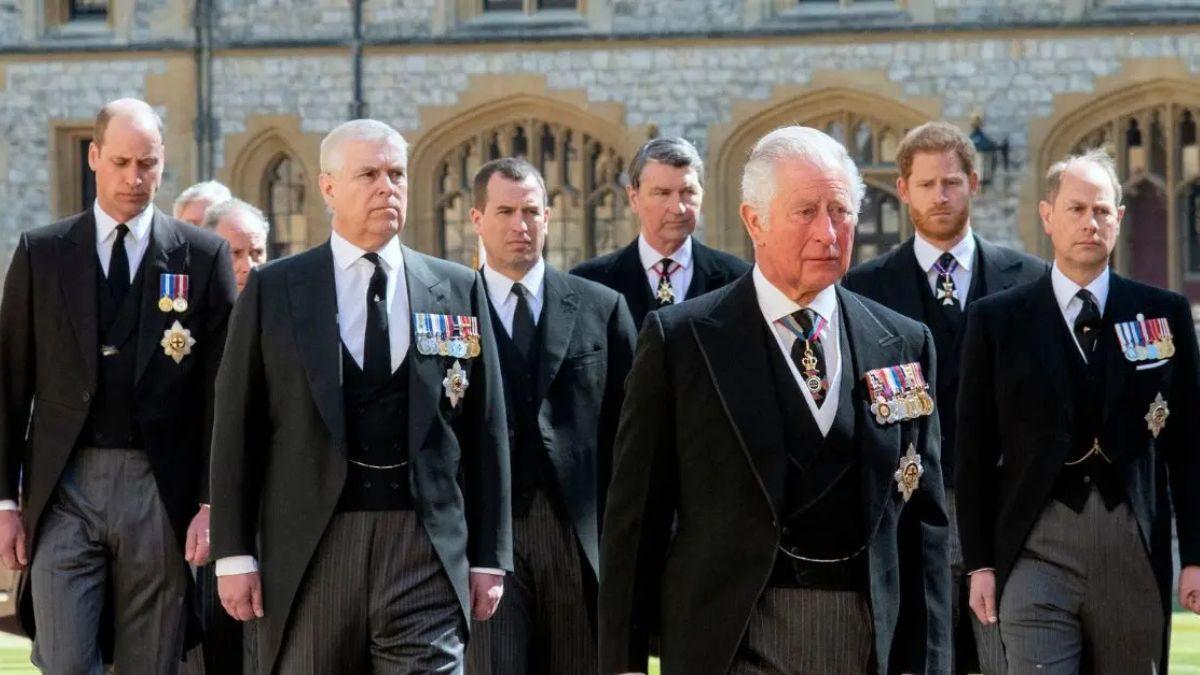
Removing a royal from the line of succession is not a simple matter. While the monarch holds significant power, altering the line of succession typically requires an Act of Parliament. The Succession to the Crown Act 2013, for instance, modernized succession laws to end male primogeniture and allow royals to marry Catholics without losing their place. A new parliamentary act would likely be needed to formally exclude Andrew, a process that could draw further unwanted attention and debate.
William’s frustration is also compounded by a feeling of being "frozen out" of important family discussions, despite King Charles having "promised him more responsibility and power." This perceived lack of delegation and inclusion could exacerbate the internal friction, particularly as William prepares to eventually assume the throne. The Prince of Wales’s belief that "The Firm can’t let Andrew’s threats of retaliation derail them" suggests that there might be concerns about Andrew’s potential reactions if he feels completely abandoned, possibly hinting at further disclosures or public statements that could embarrass the family.
Monarchy in Transition: Health, Succession, and Public Trust
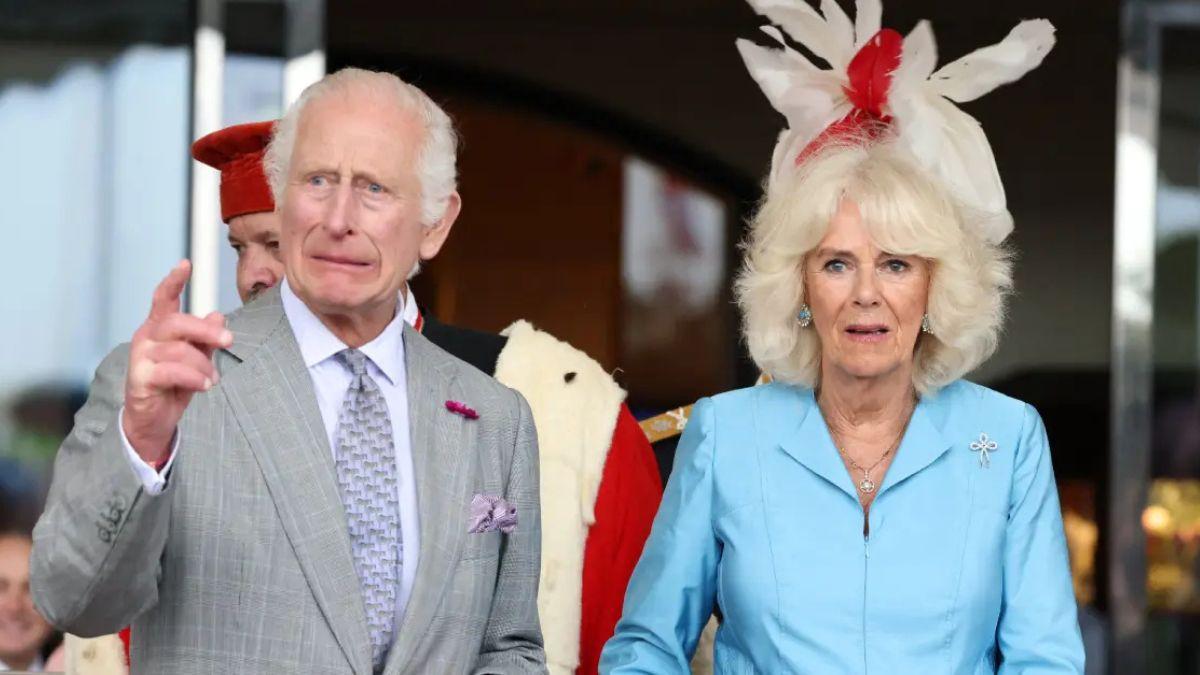
The ongoing health challenges faced by King Charles, coupled with Princess Catherine’s recent cancer diagnosis, have inadvertently brought the question of succession and the roles of senior royals into sharper focus. Reports that King Charles might consider stepping aside and giving William the throne within the next year, though speculative, underscore the transitional period the monarchy is currently experiencing.
King Charles was formally crowned at Westminster Abbey in May 2023, following the death of his mother, Queen Elizabeth II, at the age of 96 after an unprecedented 70-year reign. His vision for a "slimmed-down monarchy" has been a guiding principle, but the implementation of this vision has proven complex, particularly when it involves family members. The continued presence of Prince Andrew within the formal line of succession directly contradicts the ethos of a smaller, more efficient, and irreproachable institution.
The Path Forward
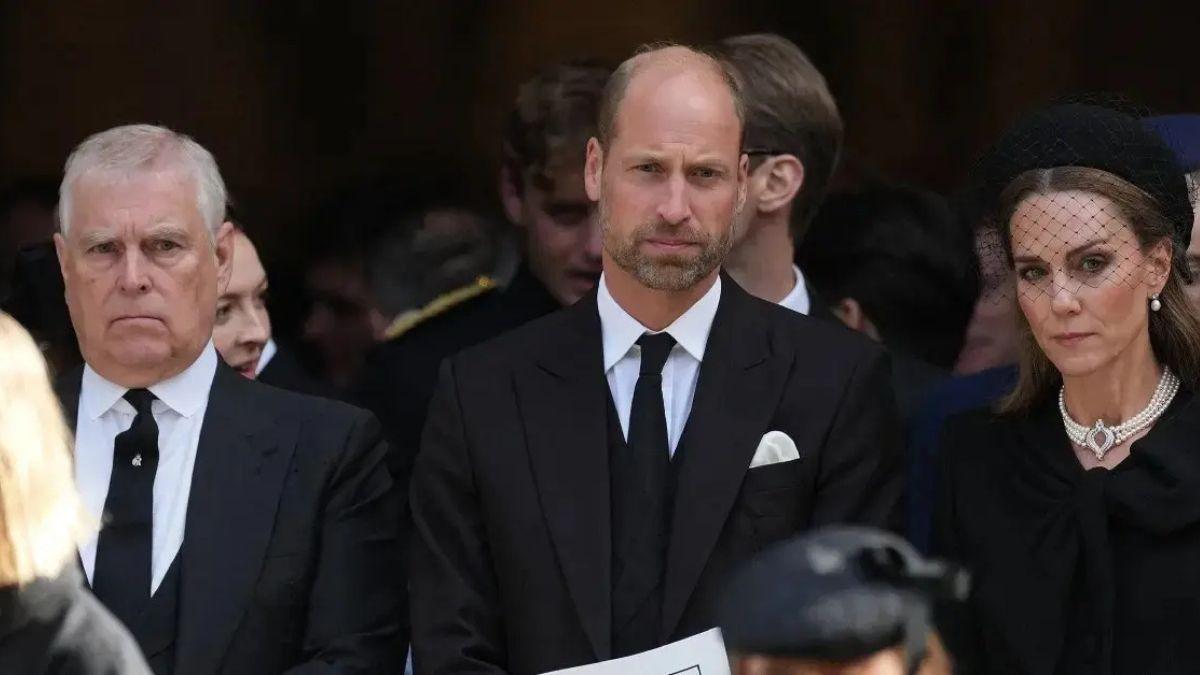
The "tension between them is obvious to everyone, and it’s only getting worse," a source divulged, painting a picture of a deeply divided royal household grappling with one of its most persistent crises. The outcome of these internal disputes will not only determine Prince Andrew’s ultimate fate but also signal the direction of the monarchy under King Charles and the future reign of Prince William.
For Prince William, decisive action on Andrew is not merely a personal preference but a strategic imperative for the monarchy’s survival and relevance in the 21st century. For King Charles, the decision may involve a delicate balance between family loyalties, constitutional precedent, and the urgent need to protect the institution’s public standing. As the British government weighs its options and the internal royal debates continue behind closed doors, the shadow of Prince Andrew’s past remains a significant challenge to the stability and credibility of the Royal Family. The resolution of this ongoing saga will be a defining moment for the future of the British Crown.