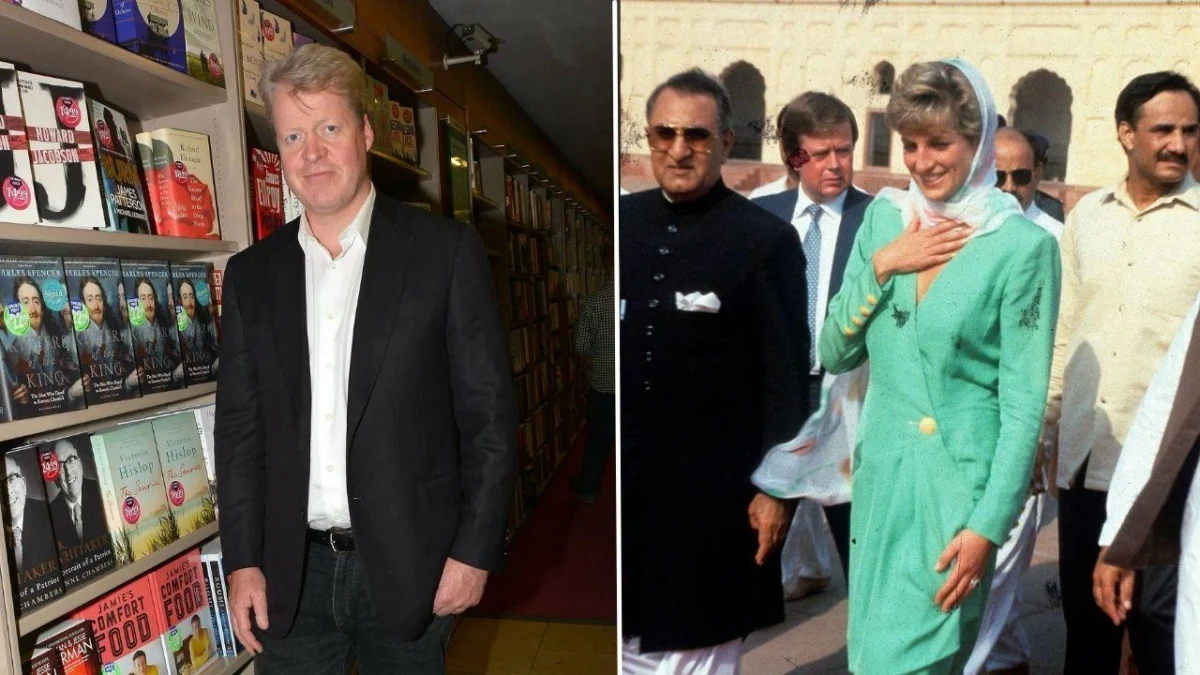
London, UK – In a startling revelation from his recently published memoir, Charles Spencer, the 9th Earl Spencer, claims his late sister, Princess Diana, considered the extraordinary prospect of becoming America’s First Lady. Following her divorce from King Charles, Diana was reportedly courted by an influential American politician who believed her immense global popularity would guarantee his path to the presidency, with the Princess of Wales as his "ultimate trophy wife." This intriguing possibility, detailed in Spencer’s new book, sheds light on Diana’s post-royal aspirations and her desire for reinvention on an international stage.
Background and Context: The Post-Divorce Landscape
Princess Diana’s life after her 1996 divorce from King Charles (then Prince Charles) was a period of intense transition and public fascination. Having shed her official "Her Royal Highness" title but retaining the designation of Princess of Wales, Diana sought to redefine her public role and personal identity away from the strictures of the British monarchy. Her global humanitarian efforts intensified during this time, solidifying her image as a compassionate advocate for vulnerable populations worldwide.
This era also saw Diana navigating a complex personal life, including high-profile romantic relationships that captivated global media. Her enduring appeal transcended national borders, making her arguably the most famous woman in the world. The idea of a new chapter, particularly one involving a move to the United States, was a recurring subject of public speculation and private consideration, hinting at her desire for a fresh start.
The Allure of the White House: A New Frontier for Princess Diana
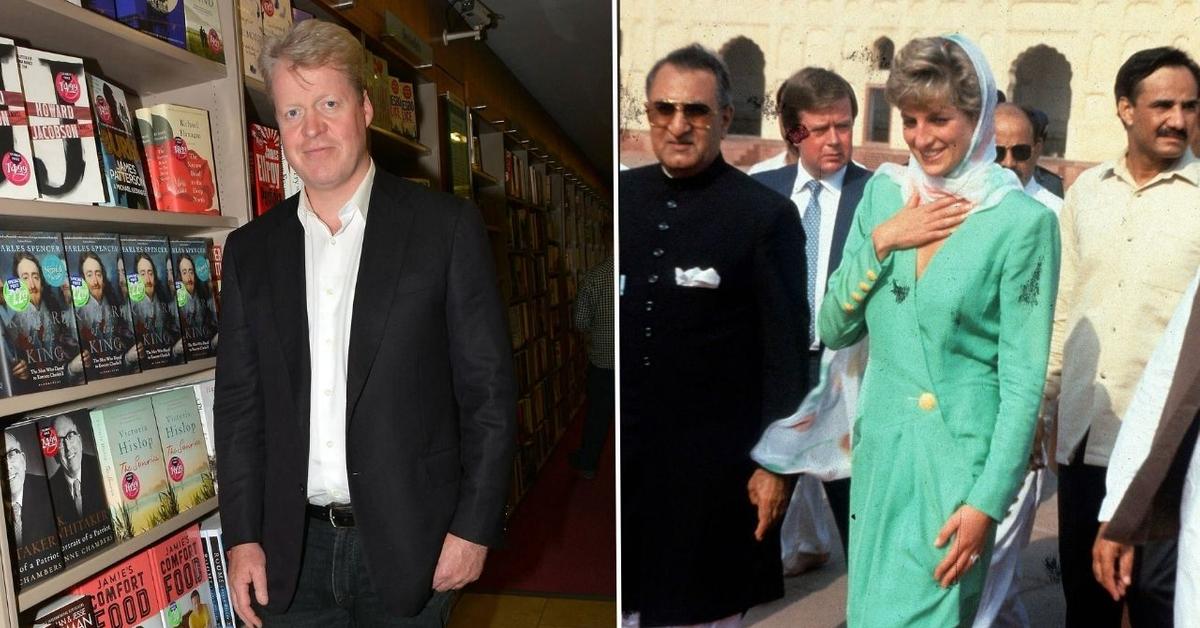
Earl Spencer, 62, details in his memoir that his sister was "titillated" not so much by the prospect of marrying an "elderly husband" but by the "idea of living in the White House." This suggests a strategic and imaginative side to Diana, one keen on leveraging her unparalleled fame for a role of significant influence. The anonymous American politician, described as one of "many powerful aging American suitors," reportedly assured Diana that her presence would be a decisive factor in securing the nation’s highest office.
For Diana, who had often expressed a desire to be more than just a figurehead, the position of America’s First Lady would have offered a unique and powerful platform. It would have provided a new stage for her advocacy, potentially free from the historical constraints and intense public scrutiny that characterized her relationship with the British Royal Family. The prospect of profound impact on American and global affairs, coupled with a completely fresh start, likely held considerable appeal for the Princess.
A Mischievous Ambition: Outshining Jackie Kennedy
Spencer further elaborates on Diana’s motivations, citing her "mischievous attraction to reinventing herself in a role that would make her enemies in the British Royal Family sick with jealousy." This particular insight paints a picture of a Diana still keenly aware of her past struggles within the monarchy and perhaps eager to demonstrate her continued power and relevance on an international stage. A highly visible public role, especially one in the United States, would have been a stark contrast to her previous life in the UK.

The memoir explicitly states that Diana envisioned an "era of glamour in the White House that would surely have surpassed even that of the Jackie Kennedy years." Jacqueline Kennedy Onassis, an icon of style, grace, and public service, set a high bar for First Ladies. Diana’s perceived ambition to eclipse such a legendary figure underscores her understanding of her own unique charisma and her potential to captivate the American public, much as she had the world. This comparison highlights a desire not just for influence, but for an unparalleled legacy of her own making.
"A Very Private Person": The Unnamed American Politician
While Earl Spencer chose not to disclose the identity of the American politician who pursued his sister, this anonymity adds to the mystique of the claim. The lack of a specific name leaves room for public speculation and further emphasizes the private nature of these discussions. It also suggests that Diana’s interactions with such figures were not necessarily public knowledge during her lifetime, highlighting the protective circle she maintained around her personal considerations and ambitions.
The politician’s strategy of offering the presidency as an incentive speaks volumes about Diana’s perceived value as a public figure. Her ability to draw immense media attention and public adoration was unmatched, making her an attractive asset for any political campaign. The prospect of Princess Diana becoming America’s First Lady, though ultimately unfulfilled, represents a fascinating hypothetical in both royal and American political history.
Charles Spencer’s Memoir: Unveiling Royal Secrets

Earl Spencer’s memoir, released on September 22, has quickly garnered significant attention for its intimate and often controversial insights into his sister’s life and her relationship with the British monarchy. The book delves into various aspects of Diana’s journey, offering a brother’s perspective on her challenges and triumphs. Such personal accounts from close family members often provide a unique, albeit subjective, lens through which to view historical figures, shaping public perception for years to come.
The memoir has been marketed as a comprehensive look at Diana’s time within the Windsor clan, promising to leave "no royal tea cup unturned." Its publication contributes to the ongoing public discourse surrounding the British Royal Family, a topic that consistently generates widespread interest and debate globally.
Other "Bombshell Claims" Against King Charles
Beyond the "First Lady" revelation, Spencer’s book contains several other allegations that have stirred considerable discussion, particularly concerning King Charles III. One notable claim suggests that the then-Prince Charles was "in love with his valet," an assertion that has been widely reported and debated by royal commentators and historians. This type of personal revelation touches on deeply private aspects of the monarch’s life and adds another layer of complexity to the public’s understanding of his character and relationships.
Another passage in the memoir depicts King Charles as being "resentful" of his position as Queen Elizabeth’s heir. This claim challenges the traditional narrative of royal duty and succession, suggesting internal struggles and frustrations within the heir apparent’s role. Such insights provide a more humanized, and at times critical, portrayal of the royal family members. These claims collectively contribute to the book’s status as a "tell-all" and its significant impact on royal history interpretation.
Reactions from Royal Insiders: Paul Burrell’s Rebuttal
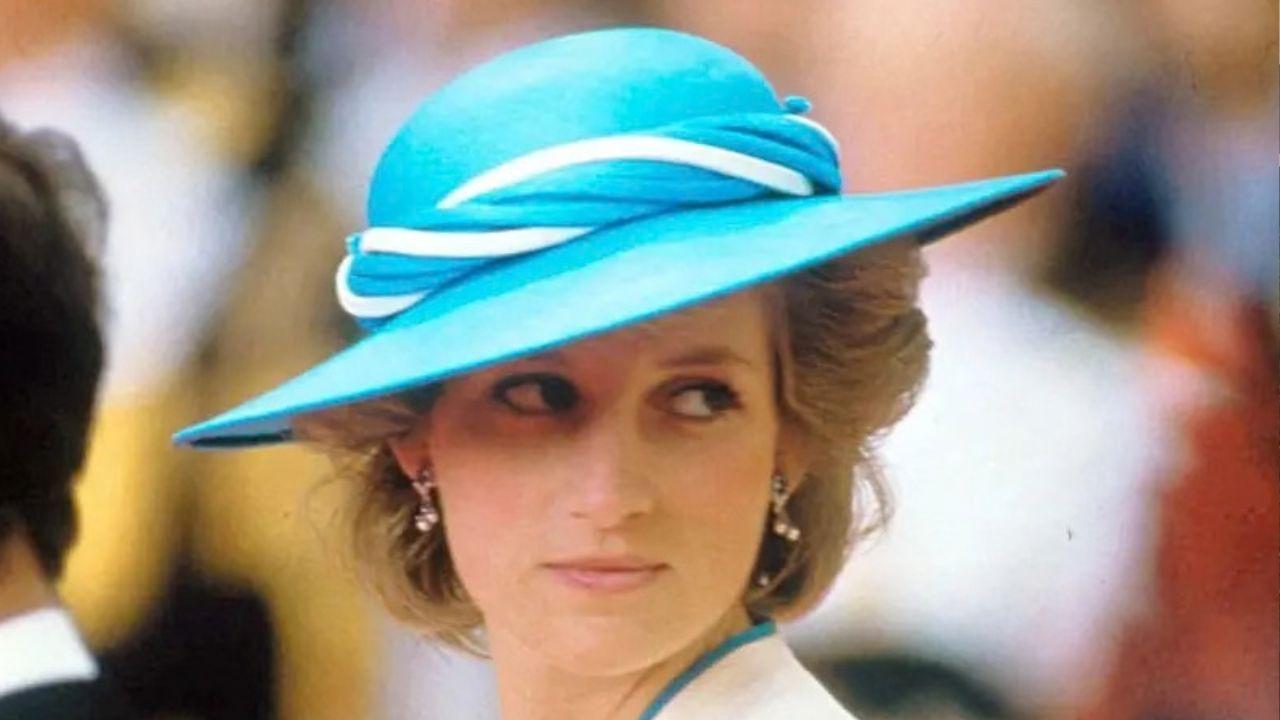
The revelations within Earl Spencer’s memoir have not gone unchallenged, particularly by those who were also intimately connected with Princess Diana. Paul Burrell, Diana’s former butler, emerged as a prominent critic, publicly disputing several of Spencer’s portrayals. During an appearance on Piers Morgan Uncensored, Burrell expressed strong disapproval of the memoir, labeling it "rather spiteful, revengeful, aristocratic point of view." He contended that he "didn’t recognize some of it," suggesting a divergence between Spencer’s narrative and his own experiences with the Princess.
Burrell’s criticism extended to the overall focus of the book, arguing it was "more about Earl Spencer than it is about his sister Diana." This assessment implies that Spencer may have used the memoir more to settle personal scores or elevate his own narrative rather than to provide an objective or faithful account of Diana’s life. Such disputes between individuals close to Diana highlight the complexities of her legacy and the varying interpretations of her private world.
Debunking the "Giddily Elated" Claim
One of the most contentious claims made by Spencer in his memoir was that King Charles sounded "giddily elated" during a phone conversation following Diana’s tragic death in August 1997. This assertion painted a highly unflattering picture of the then-Prince of Wales, suggesting a lack of grief or even satisfaction at the news. Paul Burrell, who was in Paris at the time of Diana’s passing and observed Charles directly, vehemently refuted this claim with his own eyewitness account.
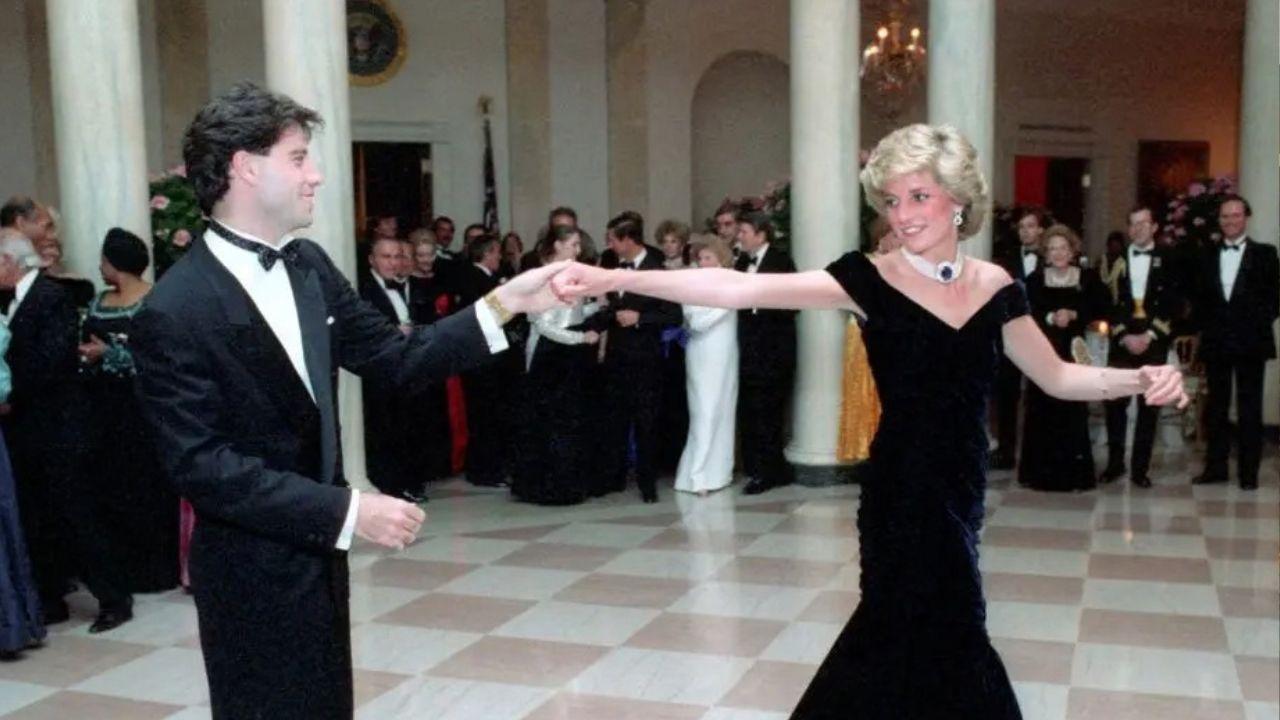
Burrell recollected his experience, stating, "I was in Paris, I saw the king. He was a broken man. He was devastated. He was pale and he was scared." This direct eyewitness account from Burrell stands in stark contrast to Spencer’s recollection, offering a counter-narrative of deep sorrow and shock from the future monarch. The conflicting accounts underscore the challenge of historical interpretation, especially when dealing with emotionally charged events and the subjective memories of those involved.
The Enduring Legacy of Princess Diana
Princess Diana’s untimely death at the age of 36 in a Parisian car crash in August 1997 sent shockwaves across the globe. Her passing cemented her status as an enduring cultural icon, transforming her into a figure of historical significance whose life continues to be examined, celebrated, and debated decades later. Her marriage to Charles, which lasted from 1981 until their divorce in 1996, was a defining period that placed her firmly in the global spotlight and set the stage for her subsequent independent endeavors.
The speculative claims from her brother’s memoir, particularly the idea of her becoming America’s First Lady, serve to further illustrate the vast potential and diverse paths her life might have taken had she lived. Her ability to capture public imagination, whether through her humanitarian work, her personal struggles, or even hypothetical political ambitions, remains unparalleled. Biographies and personal accounts, like Spencer’s, continue to shape the collective memory of a woman who, despite her royal connections, always seemed to operate on her own terms.
Public Fascination and Royal Biographies

The continuous stream of books, documentaries, and fictionalized accounts about Princess Diana underscores an insatiable public appetite for her story. Each new revelation, whether from a family member, a former staffer, or a journalist, adds another layer to the complex tapestry of her life. These narratives often offer conflicting perspectives, reflecting the multifaceted nature of Diana herself and the intensely scrutinized environment in which she lived and worked.
Earl Spencer’s memoir is the latest entry in a long line of publications attempting to define or redefine the Princess of Wales. While such books often generate controversy and debate over accuracy, they undeniably keep Diana’s memory alive and continue to influence how she is perceived by new generations. The possibility of Princess Diana as America’s First Lady adds a dramatic and unexpected twist to an already compelling narrative, further fueling the legend of the "People’s Princess" and ensuring her story remains a subject of widespread interest.