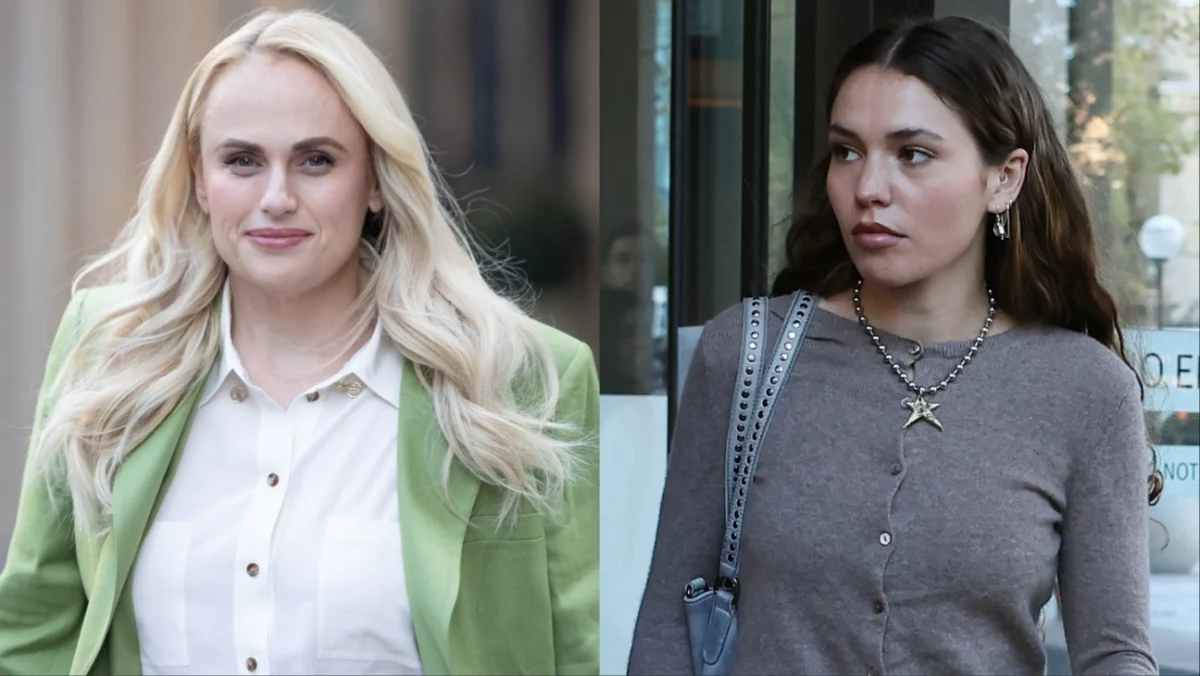
Australian actress and filmmaker Rebel Wilson has been cleared of defamation claims brought against her by fellow Australian actress Charlotte MacInnes, stemming from a contentious period surrounding their 2024 film, The Deb. A Sydney court ruled in Wilson’s favor, dismissing the lawsuit that alleged Wilson’s social media posts had defamed MacInnes. The decision marks a significant development in the complex legal entanglements plaguing the production of the musical comedy.
The core of MacInnes’s lawsuit centered on a series of Instagram posts made by the Pitch Perfect star in 2024 and 2025. In these posts, Wilson publicly accused MacInnes of retracting a complaint of sexual harassment against a film producer to advance her career. MacInnes vehemently denied these allegations, asserting that Wilson’s claims were false and damaging to her reputation and professional standing within the entertainment industry. The ensuing legal battle cast a spotlight on the often-fraught dynamics behind the scenes of film productions and the increasing role of social media in public disputes.
Court Finds No Serious Harm in Defamation Claims
On Wednesday, Australian federal court Justice Elizabeth Raper delivered a decisive ruling, dismissing MacInnes’s case against Wilson. Justice Raper concluded that the specific claim — that MacInnes had altered her account of an incident involving a sexual harassment complaint — was not, in the eyes of the law, defamatory. Crucially, the court found that MacInnes had failed to demonstrate that Wilson’s posts had caused, or were likely to cause, serious harm to her reputation, a key threshold in Australian defamation law. As a further consequence of the judgment, MacInnes was ordered to cover Rebel Wilson’s substantial legal costs incurred during the proceedings.
The background to Wilson’s Instagram accusations and the subsequent defamation suit traces back to a September 2023 incident. Charlotte MacInnes, who was the lead actress in The Deb, went for a swim at Sydney’s iconic Bondi Beach with Amanda Ghost, a British entertainment executive, former president of Epic Records, and one of the film’s producers. Following an allergic reaction suffered by Ghost, both women returned to Ghost’s apartment, where they reportedly ended up in a bath together while still wearing their swimsuits.
This unusual "bath incident" was specifically cited by Justice Raper in her decision, underscoring its relevance to the wider dispute. The judge remarked in court, "To say that the circumstance surrounding how they came to be in the bath are unusual would be an understatement." While not directly the subject of the defamation claim, the incident served as a critical piece of contextual evidence in the broader narrative of acrimony surrounding the film’s production.
A Web of Legal Battles Surrounding The Deb
The Sydney defamation case is but one thread in a larger tapestry of legal disputes and public accusations that have plagued The Deb, an Australian musical film comedy in which Rebel Wilson served as producer, director, and held a supporting role. The film’s troubled journey into production and release has been marked by significant behind-the-scenes turmoil, culminating in multiple lawsuits and public statements from key figures involved.
In July 2024, Wilson herself publicly revealed the extent of the discord, levying serious accusations against the film’s producers, Gregor Cameron, Vince Holden, and Amanda Ghost. Among her claims were allegations that the producers had actively obstructed The Deb‘s premiere at the prestigious Toronto International Film Festival. More gravely, Wilson accused the trio of embezzling approximately $900,000 from the film’s budget, and she also brought forward claims of inappropriate behavior by Ghost directed towards the film’s lead actress, MacInnes. These allegations painted a picture of a production rife with financial irregularities and misconduct.
In response to Wilson’s explosive public statements, producers Cameron, Holden, and Ghost swiftly filed their own defamation lawsuit against the actress. This counter-suit further complicated the legal landscape surrounding The Deb, expanding the scope of the disputes to involve all major parties in a tangle of accusations and denials. The legal battles transcended Australian borders, with proceedings unfolding in the United States as well. In January of the current year, a Los Angeles judge dismissed the majority of Wilson’s lawsuit against The Deb producers, describing many of her allegations as "conclusory without specific facts" and even "abusive." This earlier ruling highlighted the challenges of substantiating claims of financial malfeasance and inappropriate conduct in court without concrete evidence.
Implications for Public Figures and Social Media
The outcome of this particular defamation case holds significant implications for public figures like Rebel Wilson and the way they navigate disputes in the age of social media. The ruling reinforces the high bar for proving defamation, particularly the requirement to demonstrate "serious harm" in Australian law. For celebrities, who often use platforms like Instagram to communicate directly with their audience, the line between expressing an opinion and making a legally actionable defamatory statement remains a complex one. This case serves as a reminder that while social media offers an immediate avenue for communication, it also carries substantial legal risks if allegations cannot be substantiated or are deemed to fall short of the serious harm threshold.
The legal standard applied in this case underscores the judiciary’s approach to balancing freedom of expression with the protection of individual reputation. It suggests that merely making an accusation, even a serious one regarding professional conduct, may not always cross the threshold of defamation if the plaintiff cannot prove that the statement caused significant, quantifiable damage. This can be particularly challenging in the entertainment industry, where public perception and reputation are paramount but proving direct financial or professional harm from specific social media posts can be elusive.
The Broader Impact on the Entertainment Industry
This series of legal confrontations surrounding The Deb also casts a harsh light on the operational realities of independent film production. Disputes over funding, creative control, and professional conduct are not uncommon in the film industry, but the public nature and sheer number of lawsuits associated with The Deb are striking. The case highlights the potential for personality clashes and financial disagreements to derail projects, even those involving high-profile talent like Rebel Wilson. It underscores the critical importance of clear contracts, robust oversight, and effective conflict resolution mechanisms in film production to prevent such disputes from escalating into costly and reputation-damaging legal battles.
Furthermore, the allegations of sexual harassment and inappropriate behavior, even if unsubstantiated in specific court rulings, resonate deeply within the contemporary entertainment landscape. In an era marked by heightened awareness and scrutiny of workplace conduct, particularly in Hollywood and related creative industries, any such claims generate significant public and industry attention. While the specific defamation claim against Wilson was dismissed, the underlying events and accusations contribute to a broader conversation about power dynamics, accountability, and the safety of individuals working in entertainment.
Looking Ahead for All Parties
With Rebel Wilson now cleared in the The Deb defamation case brought by Charlotte MacInnes, one significant legal hurdle has been overcome. For Wilson, the ruling offers a measure of vindication and a clear legal victory amidst a period of considerable professional and personal contention. It may allow her to refocus on her creative endeavors, potentially providing closure on this particular aspect of the The Deb saga. However, the broader legal landscape surrounding the film remains complex, with the producers’ defamation lawsuit against Wilson still a factor, and the future of The Deb itself uncertain.
For Charlotte MacInnes, the court’s decision is a setback, not only legally but also in terms of the financial burden of legal costs. The judgment does not necessarily resolve the underlying issues or the personal impact of the accusations, but it legally closes this chapter of her claims against Wilson. The implications for her career and public image following this high-profile case will likely unfold over time.
The fate of The Deb as a film remains overshadowed by these ongoing legal and public disputes. What began as a promising musical comedy project has become a cautionary tale of behind-the-scenes turmoil, demonstrating how swiftly creative collaborations can unravel when personal and professional conflicts collide in the public eye. The entertainment industry, and indeed the public, will watch closely to see how the remaining legal battles conclude and what lasting impact this complex series of events will have on all involved.