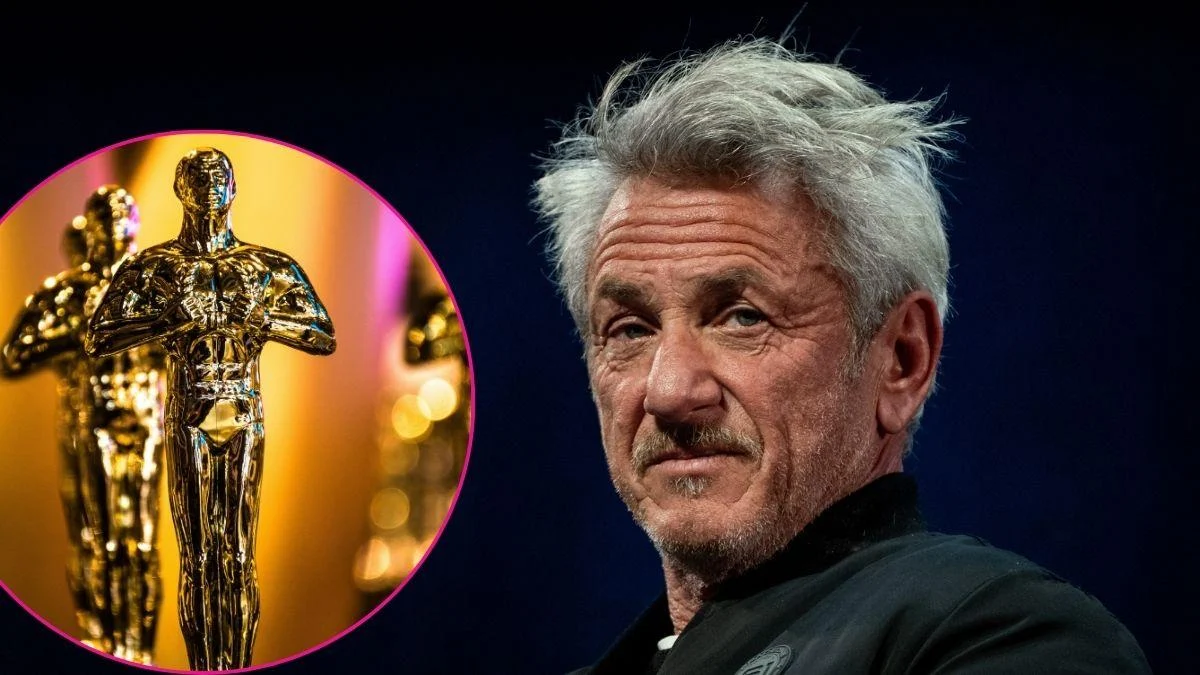
Veteran actor and humanitarian Sean Penn has announced a permanent cessation of his attendance at awards ceremonies, citing significant "social discomfort" and anxiety as the primary drivers behind his decision. The 65-year-old, a two-time Academy Award winner, made the definitive declaration during a recent interview, emphasizing a profound shift in his priorities towards personal well-being over the traditional demands of the entertainment industry.
The candid revelation came during Penn’s appearance at the Tribeca Film Festival, where he spoke with CNN’s Kaitlan Collins. Penn explained that his choice to skip the 2026 Oscars was not an isolated incident but part of a long-term commitment. He characterized these high-profile events as causing him intense "social discomfort," a feeling that has evidently weighed on him for years. This public statement from such an established figure adds a powerful voice to the growing conversation surrounding mental health within Hollywood.
A Candid Revelation from a Hollywood Veteran
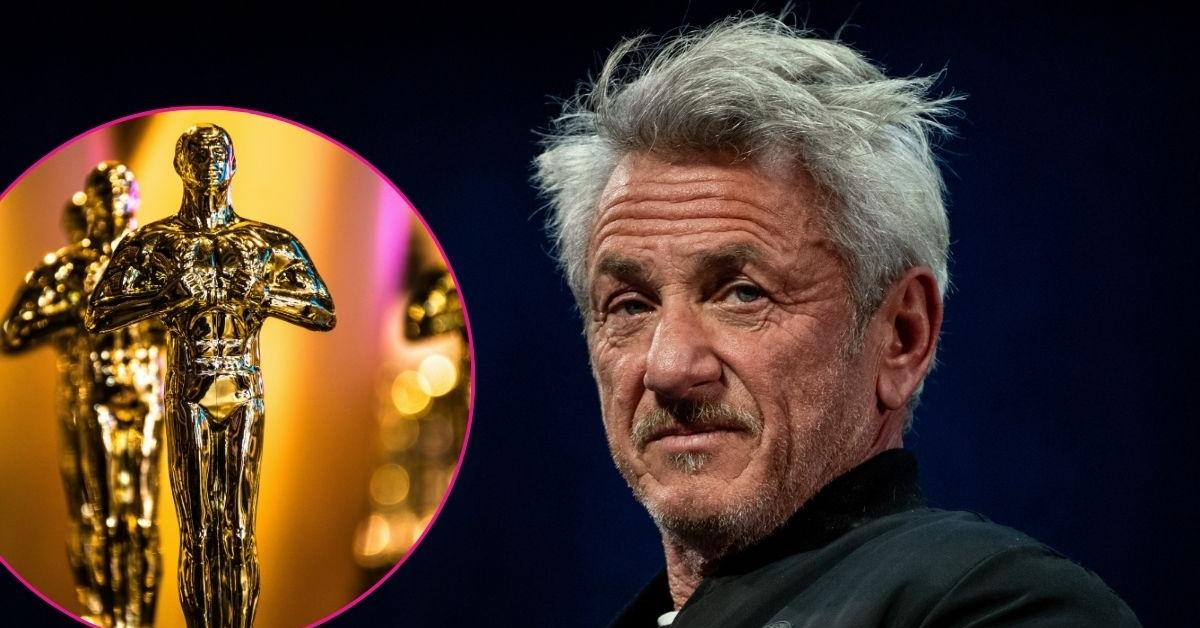
During his discussion, Penn articulated the specific nature of his aversion, stating, "It’s not just [that it’s] an awards show." He elaborated that the ceremonies force him into a social environment he finds profoundly challenging, describing a pressure to interact with numerous individuals within a condensed timeframe. This experience, he noted, generates considerable anxiety. His resolution is firm: "I’m now down, committed for life, that I won’t go anywhere to be in a designated group beyond eight people." This boundary highlights a fundamental desire for more intimate, manageable social interactions, away from the overwhelming scale of red-carpet events and industry galas.
Penn’s decision reflects a deeper introspection into what truly sustains his well-being. For an actor whose craft often involves intense focus and immersion into complex characters, the forced conviviality and performative aspects of awards shows may present a stark contradiction to his natural inclinations. His declaration underscores a personal reckoning with the often-unseen emotional toll that public life, even for a celebrated artist, can exact.
The Stature of Sean Penn: A Storied Career and Public Persona
Sean Penn’s career spans decades, marked by a reputation for intense, transformative performances and an often-outspoken public persona. Born into a show business family, Penn rose to prominence in the 1980s with roles in films like Fast Times at Ridgemont High before cementing his status as a serious dramatic actor in productions such as Bad Boys and Colors. His dedication to his craft earned him widespread critical acclaim, culminating in two Best Actor Academy Awards.

He first won the coveted Oscar for his powerful portrayal of a grieving father in Clint Eastwood’s 2003 neo-noir mystery Mystic River. His second win came in 2008 for his transformative role as gay rights activist Harvey Milk in the biographical drama Milk. Other notable films in his extensive filmography include Dead Man Walking, 21 Grams, and I Am Sam, each showcasing his formidable range and commitment to character. Beyond acting, Penn has also ventured into directing, helming critically respected films such as Into the Wild. His artistic achievements have firmly established him as one of the most respected and enigmatic figures in contemporary cinema.
Navigating the Glare: The Pressures of Awards Season
The annual awards season is a whirlwind of glamour, anticipation, and intense media scrutiny, a period that can be both exhilarating and exhausting for those involved. For many celebrities, it represents a necessary, albeit often draining, part of their professional lives. From the moment nominees are announced, the pressure mounts, culminating in high-stakes ceremonies like the Oscars, Golden Globes, and SAG Awards.
Actors are expected to navigate crowded red carpets, undergo rapid-fire interviews, and engage in extensive networking, all while maintaining a polished public image. The sheer volume of social interaction, coupled with the competitive atmosphere and the weight of public expectation, can be overwhelming. For individuals prone to anxiety or social discomfort, these events transform from celebrations of art into formidable personal challenges. The demands extend beyond the night itself, with weeks of campaigning, press junkets, and promotional appearances leading up to the main event, creating a sustained period of high-stress engagement.

"Relief" Over Joy: Penn’s Past Oscar Experiences
Penn’s past experiences at the Academy Awards offer a telling insight into his current stance. He openly admitted that his two Oscar wins, rather than being moments of unbridled joy, were primarily characterized by a sense of "relief." He explained, "The two times I had gone, I felt relief that I’d won because so many people out there had worked really hard for that." This statement suggests that the burden of expectation, both from his collaborators and the wider industry, overshadowed any personal triumph.
The pressure to validate the collective effort of a film’s production team, coupled with the intense public spotlight, transformed what should have been a celebratory occasion into an ordeal from which he sought release. This sentiment underscores a disconnect between the public perception of awards as ultimate validation and the often-complex emotional reality experienced by the recipients. His words highlight the externalized nature of his awards show experience, where personal satisfaction was secondary to fulfilling a perceived obligation to others.
From Hollywood Glamour to Global Conflict: A Stark Contrast
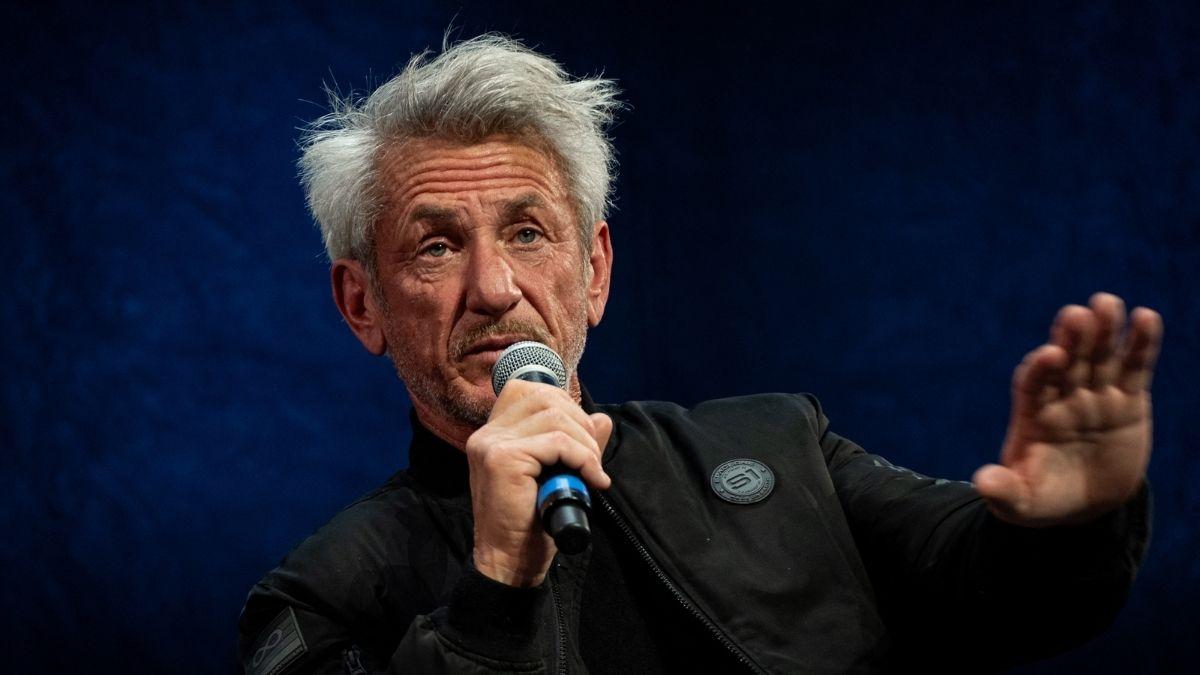
Sean Penn’s decision to skip the 2026 Oscars was not merely an act of withdrawal but a conscious choice to redirect his energy towards a cause he deemed far more significant. Instead of attending the glittering ceremony in Los Angeles, Penn traveled to Ukraine to demonstrate his solidarity amid the ongoing conflict with Russia. This act is consistent with his long history of humanitarian work and political activism, which has seen him engage in various global crises, from the aftermath of Hurricane Katrina in New Orleans to the earthquake in Haiti.
In Ukraine, Penn met with President Volodymyr Zelensky, offering support and documenting the humanitarian crisis. During his visit, he received a unique and profoundly symbolic award: an "IronOscar." Presented by Ukrainian Railways CEO Oleksandr Pertsovskyi, the handmade statuette was crafted from war-related materials, a poignant testament to the nation’s resilience and a stark contrast to the polished trophies of Hollywood. Pertsovskyi remarked, "You’re missing the Oscars," as he presented the meaningful gift, to which Penn, visibly moved, expressed his gratitude.
This powerful juxtaposition – choosing the front lines of a global conflict over the world’s most prestigious film awards – speaks volumes about Penn’s evolving priorities. Reflecting on this profound shift, Penn stated, "I really got to enjoy the Academy Awards for the first time," implying that his absence from the traditional ceremony, and his presence in Ukraine, offered him a newfound perspective and a sense of peace that the event itself rarely provided. His engagement with real-world issues, rather than industry pageantry, appears to have brought him a deeper sense of purpose and contentment.
Mental Health in the Spotlight: A Growing Conversation in Hollywood
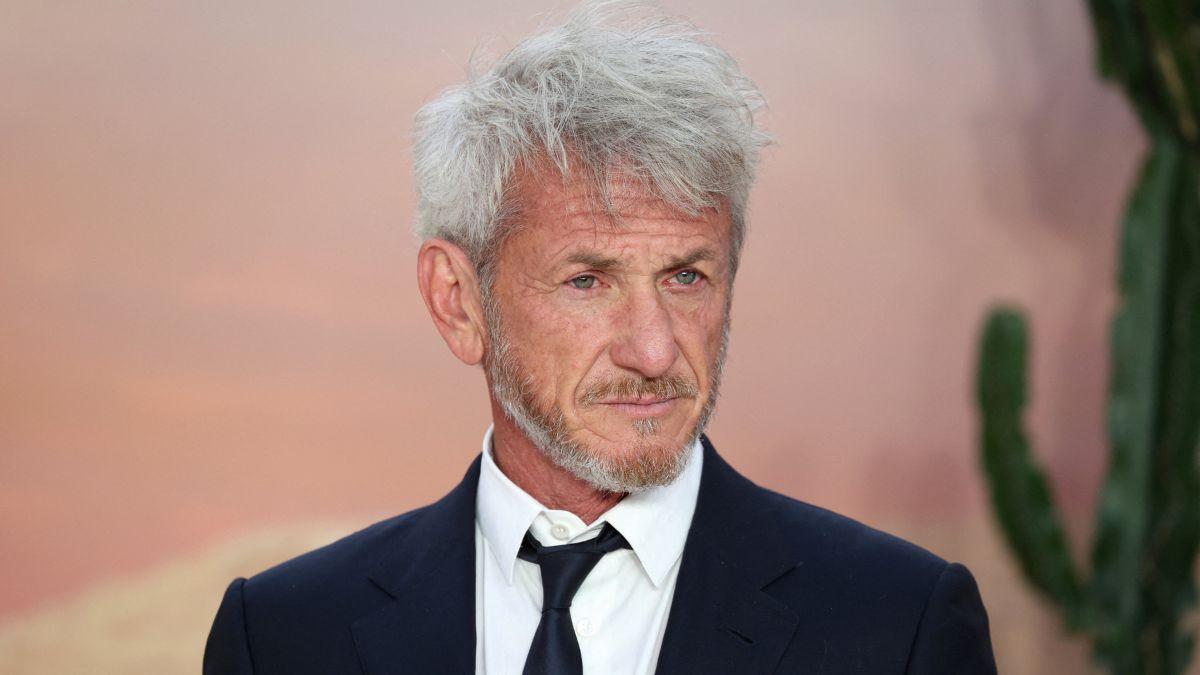
Sean Penn’s public disclosure about his anxiety and social discomfort at awards shows resonates deeply within a Hollywood landscape increasingly open about mental health struggles. For years, the entertainment industry projected an image of effortless glamour and unwavering confidence. However, in recent times, a growing number of celebrities have bravely stepped forward to share their personal battles with mental health issues, from anxiety and depression to burnout and social phobias.
Stars like Lady Gaga, Kylie Jenner, and many others have spoken candidly about the intense pressures of fame, the constant public scrutiny, and the emotional toll of maintaining a public persona. This collective transparency is slowly destigmatizing mental health conversations, challenging the long-held expectation for public figures to appear perpetually composed and untroubled. Penn’s statement, coming from an actor of his stature and gravitas, further validates these experiences, reinforcing the message that mental well-being is a universal concern, irrespective of professional success or public acclaim. His choice to prioritize his health over traditional industry obligations serves as a powerful example, encouraging others, both within and outside Hollywood, to re-evaluate their own boundaries and seek environments that foster inner peace.
Repercussions and Reflections: What Penn’s Stance Means for the Industry
Sean Penn’s definitive withdrawal from awards shows raises pertinent questions about the future of celebrity engagement with these high-profile events and the broader culture of Hollywood. While Penn is a unique figure with a long history of independent thought and action, his decision could signal a potential shift in how major stars perceive and interact with industry traditions.
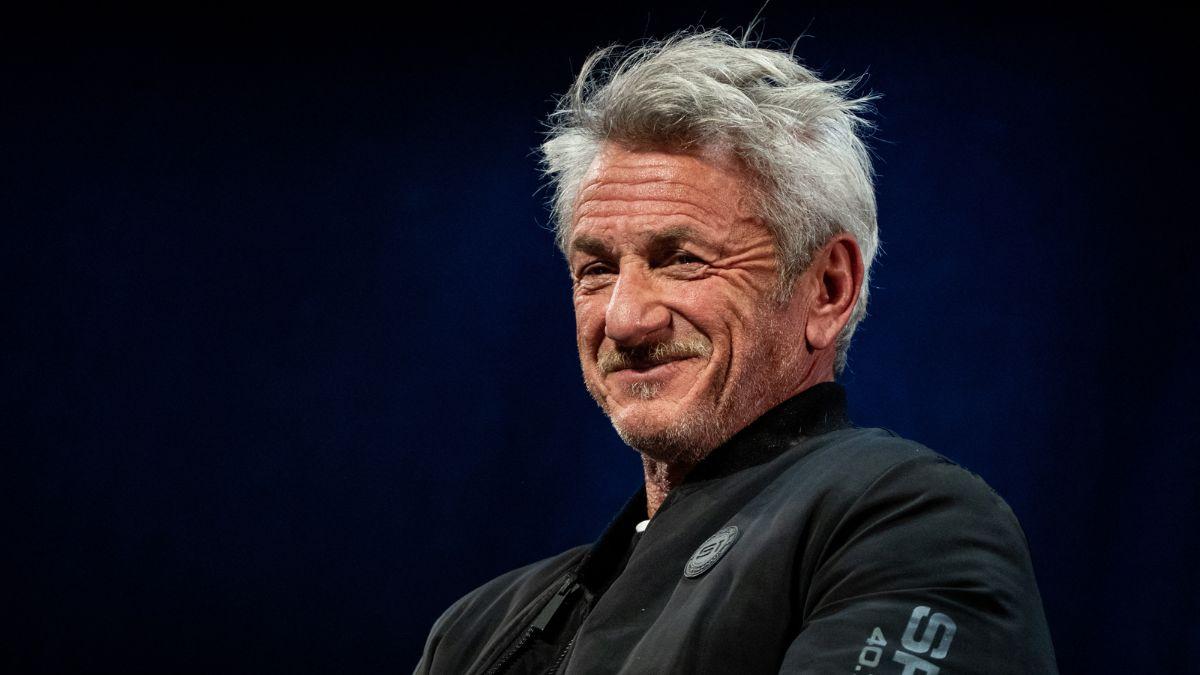
Will other actors, particularly those who share similar feelings of anxiety or social discomfort, be emboldened to follow suit? A collective move away from mandatory attendance by even a few prominent figures could force awards organizers to re-evaluate the format and pressures associated with these ceremonies. It could prompt a broader discussion within the industry about the expectations placed upon artists, particularly regarding promotional duties and public appearances that might infringe upon their personal well-being. For an industry that thrives on celebrity presence and media spectacle, a widespread boycott, however unlikely, could significantly alter the perceived importance and allure of these events.
Furthermore, Penn’s choice highlights the evolving definition of "success" and "fulfillment" for artists. His prioritization of humanitarian work over industry accolades suggests a move beyond the traditional metrics of Hollywood achievement. It challenges the notion that career success must come at the expense of personal peace or engagement with global issues. While it is unlikely to fundamentally dismantle the awards system overnight, Penn’s stance undeniably adds a powerful voice to the chorus advocating for a more humane and sustainable approach to life in the public eye.
Sean Penn’s declaration marks a significant moment, intertwining personal well-being with professional conduct in the public eye. His decision to permanently step away from the dazzling, yet often draining, spectacle of awards ceremonies in favor of environments that foster his mental peace, and indeed, global humanitarian efforts, raises profound questions for Hollywood. It challenges the long-held expectations placed upon its stars and invites a broader reflection on the true cost of fame and the evolving landscape of celebrity engagement.