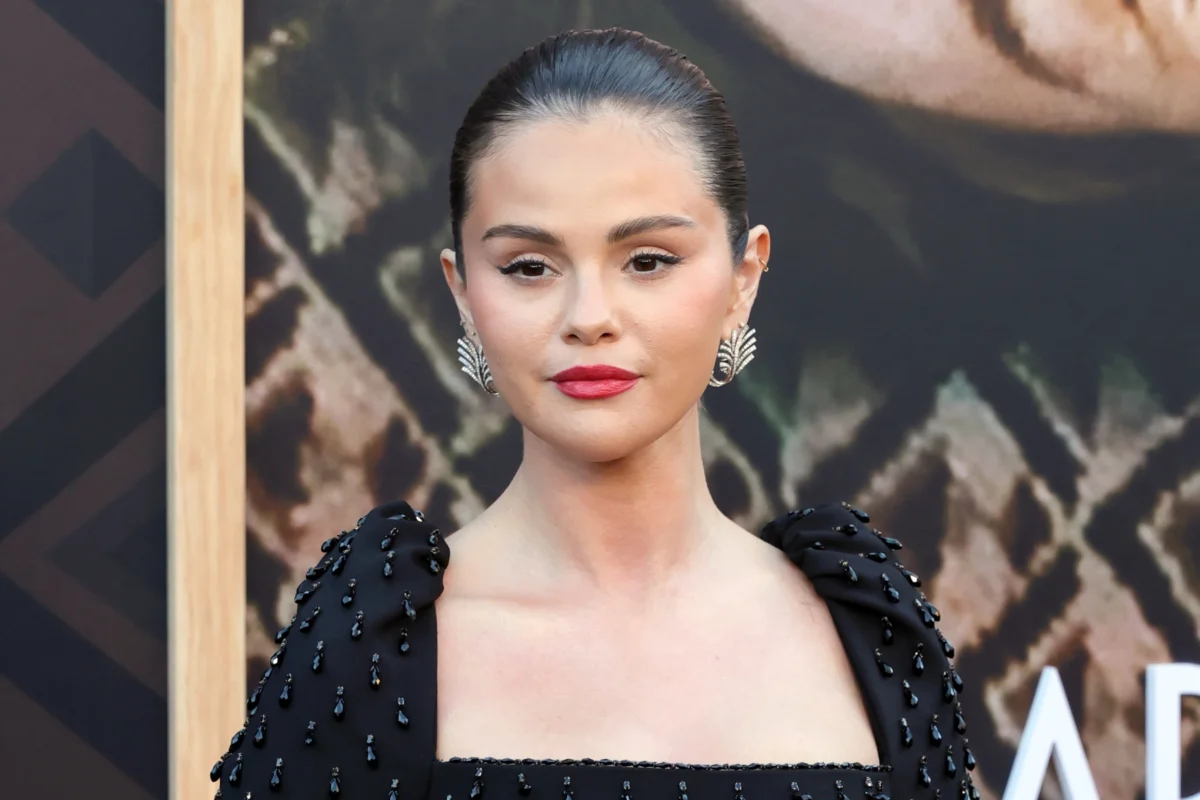
Selena Gomez’s legal team has vehemently denied all allegations of investor fraud stemming from a lawsuit filed against the mental health startup Wondermind, asserting that the claims are "completely meritless, both factually and legally." The Grammy-nominated artist, along with her mother Mandy Teefey and former executive Danielle Pierson, are named as defendants in the suit, which seeks the return of $1.2 million in investments from a group of five investors. Gomez’s attorney, Mathew S. Rosengart, announced his intention to file a motion to dismiss the lawsuit, vowing a vigorous defense against what he termed "baseless claims."
The legal challenge emerged from a group of investors—Brent Saunders, Marc Roberts, EJ Solimine, Andrew Resnick, and Mark Peikin—who allege they were misled into investing in Wondermind, a company co-founded by Gomez, Teefey, and Pierson in 2021. The investors claim that they were promised Gomez’s active involvement as head of marketing, leveraging her substantial social media influence and fanbase to promote the company’s mental health initiatives. The lawsuit contends that these pitches were ultimately fraudulent, leading to the "quiet collapse" of the company and leaving investors with substantial financial losses and no communication from company leadership.
The investors’ legal action paints a picture of deceptive practices, alleging that false promises regarding Wondermind’s financial prospects and potential valuation were made. According to the suit, Danielle Pierson, who has since left the company, presented a vision of Wondermind with a "potential future valuation" exceeding $4 billion. Pierson reportedly highlighted her prior success, stating she generated $40 million annually at her previous media company, The Newsette. Furthermore, investors were allegedly informed of secured partnerships with financial giants like JPMorgan and Fidelity, alongside significant advertising deals and interest from major celebrities for cover story features, including Drake, Megan Thee Stallion, Elton John, and Camila Cabello.
The plaintiffs assert that these representations proved to be fiction, and they only became fully aware of the alleged "sheer magnitude of the fraud" following an exposé published by The Cut the previous year. This investigative report, based on interviews with 14 current and former Wondermind employees, detailed a company grappling with severe financial difficulties and internal turmoil from its inception. The lawsuit cites The Cut‘s findings, stating that the article collectively demonstrated Wondermind lacked a coherent future plan and was far from achieving any multi-billion dollar valuation.
Wondermind’s Troubled Genesis and Investor Discontent
Wondermind was conceptualized as a comprehensive platform dedicated to mental health, intended to encompass a digital magazine, a mobile application, and a podcast. The company’s stated mission was to destigmatize mental health issues and provide accessible resources. However, the lawsuit and prior reporting suggest a stark divergence between this aspirational vision and the operational reality.
The investors’ legal filing asserts that the promises made during the fundraising rounds in 2022 were fundamentally untrue. They claim that the company’s leadership, including Gomez, Teefey, and Pierson, created a false impression of a robust and thriving enterprise. The lawsuit alleges that from the outset, "Wondermind had no plan for its future—much less a plan for achieving a multi-billion dollar valuation." This statement directly challenges the viability and strategic direction presented to the investors.

The Cut‘s report, which has become a cornerstone of the investors’ claims, detailed accounts from former employees that painted a grim picture of Wondermind’s internal dynamics and financial instability. According to these sources, Selena Gomez reportedly distanced herself from the company shortly after its launch, a move that would contradict the investor’s understanding of her active role. The report also cited alleged erratic behavior and substance abuse issues on the part of Mandy Teefey as contributing factors to the company’s dire financial state.
Further complicating matters, Danielle Pierson’s departure from Wondermind in 2023 was attributed to a power struggle with Teefey. The lawsuit also references scrutiny surrounding Pierson’s past work at The Newsette, where her entrepreneurial methods were reportedly questioned for exaggeration and self-promotion. These allegations, combined with the financial woes described, led the plaintiffs to conclude that "there was no legitimate enterprise in the works, much less a lucrative one."
Gomez’s Legal Defense and Dismissal Motion
In response to the lawsuit, Selena Gomez’s attorney, Mathew S. Rosengart, issued a strong denial of the fraud allegations. Rosengart, a prominent litigator known for representing high-profile clients, stated unequivocally that the claims against Gomez are baseless. "The allegations that Selena Gomez engaged in any way whatsoever in any purported ‘fraud’ or other wrongdoing are completely meritless, both factually and legally," Rosengart said in a statement provided to Billboard and initially published by People.
Rosengart emphasized his client’s intention to fight the lawsuit aggressively. "We will vigorously defend these false allegations and indeed are filing a motion to dismiss the baseless claims against her," he added. This legal strategy signals confidence in Gomez’s position and aims to resolve the matter efficiently by seeking an early dismissal from the court. The filing of a motion to dismiss typically argues that even if the facts alleged in the complaint are true, they do not constitute a legal claim.
The legal team’s firm stance suggests they believe the investors’ interpretation of events or the evidence presented is insufficient to sustain a fraud claim against Gomez. This defense will likely focus on Gomez’s actual involvement, her understanding of the company’s operations, and whether she made any direct misrepresentations to investors.
Wondermind’s Founders and the Mental Health Startup Landscape
Selena Gomez, a global superstar with a massive following across music, acting, and social media, co-founded Wondermind with the stated goal of creating a safe and supportive space for mental health discussions. Her involvement was seen as a significant asset, lending credibility and reach to the venture. Mandy Teefey, Gomez’s mother, has a background in production and entrepreneurship, while Danielle Pierson brought experience from the media startup world.

The mental health tech sector has seen significant growth in recent years, with numerous startups aiming to leverage technology to improve access to mental healthcare and resources. However, this burgeoning industry has also faced scrutiny regarding its business models, data privacy, and the efficacy of its services. The Wondermind lawsuit highlights the potential risks and challenges inherent in such ventures, particularly concerning investor relations and corporate governance.
Mandy Teefey, prior to the lawsuit, had previously defended Wondermind against criticisms. When The Cut‘s article was published, Teefey denied allegations of mismanagement, asserting that the company remained viable. She expressed disappointment that "disgruntled employees with an ax to grind can spread lies about me and distort the truth," and criticized the media for amplifying these claims. This indicates a division in perspectives regarding the company’s internal state and its management.
Broader Implications and Industry Scrutiny
The lawsuit against Selena Gomez and the Wondermind co-founders raises broader questions about celebrity endorsements in the startup world and the due diligence required of both investors and public figures involved in such ventures. While celebrity involvement can provide crucial early-stage funding and public awareness, it also carries reputational risks when companies falter.
For investors, this case underscores the importance of thorough due diligence, independent verification of claims, and clear contractual agreements, regardless of the prominence of the founders. The allegations of misleading financial projections and operational failures point to potential systemic issues within the startup ecosystem that can ensnare even sophisticated investors.
The mental health startup landscape, while promising, is not immune to the economic pressures and operational challenges that plague other industries. Investors are increasingly scrutinizing the sustainability and ethical practices of companies operating in this sensitive field. The Wondermind situation could lead to heightened caution among investors and a more rigorous examination of leadership and business plans within mental health tech companies.
As Mathew S. Rosengart prepares to file the motion to dismiss, the legal proceedings surrounding Wondermind are set to continue. The outcome could have significant implications for Selena Gomez’s reputation, the future of Wondermind, and the broader landscape of celebrity-backed startups and mental health initiatives. The legal battle will likely hinge on the specific representations made to investors, the extent of Gomez’s direct involvement and knowledge, and the interpretation of Wondermind’s financial performance and operational realities.