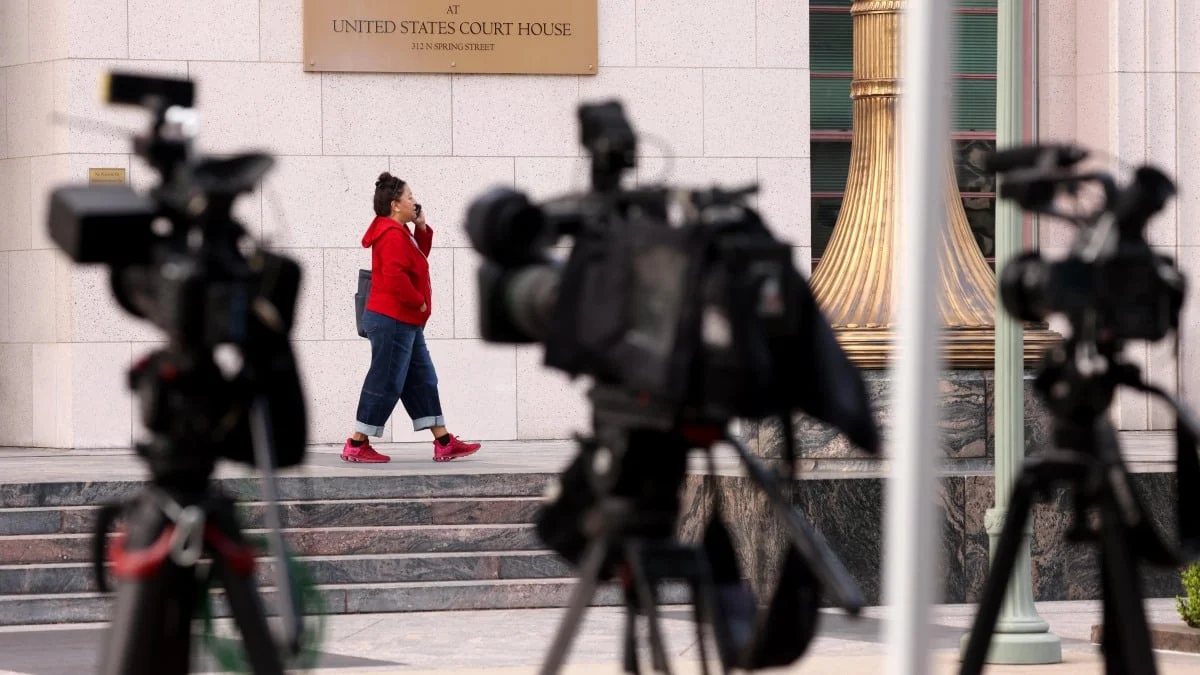
A 15-year-old plaintiff has voluntarily dismissed a significant lawsuit against Meta Platforms Inc. just days before the case was scheduled to proceed to trial in the Superior Court of California for the County of Los Angeles. The legal action, which sought to hold the social media giant accountable for allegedly fostering a youth mental health crisis through addictive product design, was dropped by the minor, identified in court documents as R.K.C., following a series of settlements with other major technology firms named in the original complaint.
The withdrawal marks a temporary reprieve for Meta, the parent company of Facebook and Instagram, as it continues to navigate a mounting wave of litigation from families, school districts, and state attorneys general across the United States. While the case was expected to be a bellwether for how California juries perceive the responsibility of tech companies toward their youngest users, the plaintiff’s legal team indicated that the decision to step back was motivated by the personal well-being of the teenager rather than a lack of merit in the claims.
According to a statement released by attorneys representing R.K.C., the decision followed a successful overall result in the broader litigation and a desire to avoid the emotional toll of a prolonged courtroom battle. The statement noted that the teen is now focusing on his personal recovery and therapy, aspiring to reclaim a sense of normalcy after years of struggling with what he described as a debilitating addiction to digital platforms.
The Decision to Withdraw Claims and Meta’s Legal Response
The teen drops social media addiction lawsuit against Meta at a time when the tech industry is under intense scrutiny for its impact on adolescent brain development. The litigation, which spanned several years of discovery and pre-trial motions, reached a turning point when the plaintiff decided the "grueling weeks-long trial" was no longer in his best interest. This move effectively ends this specific legal challenge without a jury ever hearing the evidence regarding Meta’s specific internal practices or algorithmic designs in this context.
Meta has remained firm in its stance that the lawsuit lacked a factual basis. Following the dismissal, a spokesperson for the company emphasized that Meta did not provide any financial compensation or settlement to the plaintiff in exchange for dropping the case. The company characterized the outcome as a vindication of its defense strategy, asserting that the claims regarding its platforms causing specific psychological harm to R.K.C. were not supported by the evidence.
The defense highlighted that the plaintiff’s history on Meta-owned platforms was insufficient to establish a causal link to his mental health struggles. In a Motion for Summary Judgment filed prior to the dismissal, Meta argued that it could not verify a long-standing account history for the teenager and pointed out that his time spent on Facebook and Instagram was not significant enough to justify the allegations of "addiction" or "negligent design."
Settlements with Competing Social Media Platforms
The original lawsuit filed by R.K.C. was not limited to Meta. The teenager had also leveled accusations against ByteDance’s TikTok, Snap Inc.’s Snapchat, and Alphabet Inc.’s YouTube. In the weeks leading up to the scheduled trial date, these three companies opted to reach confidential settlement agreements with the plaintiff. These settlements allowed the companies to avoid the public scrutiny of a trial while providing the plaintiff with an undisclosed "successful result" mentioned by his legal team.
With the other defendants out of the picture, Meta became the sole remaining target of the litigation. The company’s refusal to settle and its readiness to go to trial signaled a shift in corporate strategy, as Big Tech firms weigh the costs of settlement against the risk of setting expensive legal precedents. By standing its ground, Meta aimed to demonstrate that it would not be pressured into payouts for lawsuits it deems "baseless."
The disparity in outcomes—settlements with Snap, TikTok, and YouTube versus a voluntary dismissal with Meta—underscores the complexity of the ongoing legal battles surrounding social media addiction. Each platform utilizes different algorithmic structures and engagement features, leading to varying degrees of legal exposure depending on the specific habits and experiences of the individual plaintiff.
The Precedent of the March Verdict and Legal Liability
The withdrawal of this case comes in the wake of a landmark decision earlier this year that sent shockwaves through the technology and legal sectors. In March, a California jury ordered Meta and YouTube to pay $6 million to another teenage plaintiff who accused the companies of knowingly designing features that hook young users. In that instance, the jury found the companies liable for mental health-related harms, marking the first time a social media firm was held legally responsible for "social media addiction" in a court of law.
That March verdict established a potential roadmap for future litigants, suggesting that juries are increasingly receptive to the argument that social media platforms are "defective products" rather than mere neutral conduits for information. The jury in that case specifically pointed to negligent design features, such as infinite scrolling and intermittent notifications, as tools intended to exploit the dopamine pathways of developing brains.
Meta is currently in the process of appealing that $6 million decision. The company continues to argue that teen mental health is a "profoundly complex" issue influenced by a multitude of factors, including socioeconomic status, school environments, and genetic predispositions, which cannot be attributed to a single application or digital service.
The Broader Youth Mental Health Crisis and Algorithmic Impact
The teen drops social media addiction lawsuit against Meta amidst a national conversation regarding the "youth mental health crisis," a term used by the U.S. Surgeon General and the Centers for Disease Control and Prevention (CDC). Public health officials have pointed to a sharp rise in rates of depression, anxiety, and suicidal ideation among adolescents over the last decade, a period that coincides with the near-ubiquity of smartphones and social media.
Central to these lawsuits is the concept of "algorithmic manipulation." Plaintiffs often argue that social media companies utilize sophisticated artificial intelligence to curate feeds that maximize time-on-app, often at the expense of the user’s psychological health. Features like "likes," "streaks," and "auto-play" are frequently cited as mechanisms that create a cycle of compulsion, making it difficult for teenagers to disengage.
Critics of the tech industry compare these practices to the tactics used by the tobacco industry in previous decades, alleging that companies were aware of the addictive nature of their products but failed to warn consumers or implement sufficient safeguards. Meta, however, maintains that it has introduced over 30 tools and features designed to support teens and parents, including "Take a Break" reminders and enhanced privacy settings for minors.
Legal Challenges, Section 230, and the Road Ahead
The legal battleground for social media addiction is currently defined by a clash between product liability law and Section 230 of the Communications Decency Act. Section 230 generally protects internet platforms from being held liable for content posted by third parties. However, lawyers representing plaintiffs like R.K.C. have attempted to bypass this protection by focusing on the design of the platform itself—arguing that the addiction stems from the code and the interface, not just the content.
While the dismissal of R.K.C.’s case provides Meta with a tactical victory, the company still faces hundreds of similar lawsuits consolidated in multi-district litigation (MDL) in Oakland, California. Furthermore, dozens of state attorneys general have filed a massive joint lawsuit against Meta, alleging that the company deceived the public about the risks of its platforms and contributed to the mental health crisis among the youth.
Legislative efforts are also mounting. In California and other states, new laws are being proposed to mandate "age-appropriate design" and to limit the data collection practices used to fuel engagement algorithms. These regulatory shifts, combined with persistent litigation, suggest that the era of self-regulation for social media companies may be coming to an end.
Industry Consequences and Future Litigation Trends
The decision for a teen to drop a social media addiction lawsuit against Meta illustrates the intense personal and financial pressure involved in taking on a multi-billion-dollar corporation. For many families, the prospect of a "grueling weeks-long trial" involving expert witnesses, psychological evaluations, and public exposure is a daunting hurdle.
However, the legal community expects the volume of these cases to remain high. As more internal documents from tech companies are made public through the discovery process—such as the "Facebook Files" leaked by whistleblower Frances Haugen—plaintiffs’ attorneys believe they have a stronger basis to argue that companies prioritized growth over safety.
Meta has signaled that it will continue to defend itself "vigorously" in every case, asserting confidence in its record of protecting teens. The company’s strategy appears to be one of attrition, challenging each case on its individual facts while appealing unfavorable verdicts to higher courts. As the legal system grapples with these novel claims of digital addiction, the outcome of future trials will likely determine whether social media companies must fundamentally redesign their platforms to avoid crippling financial liability.