A federal court in Washington D.C. recently witnessed a contentious legal skirmish over efforts to prominently feature former President Donald Trump’s name at the John F. Kennedy Memorial Center for the Performing Arts. U.S. District Judge Christopher Cooper scrutinized the rationale behind a looming September 8 deadline to implement proposed recognitions, signaling potential judicial intervention in the ongoing Trump Kennedy Center renaming fight. The dispute centers on a resolution by the Kennedy Center’s board to acknowledge Trump’s presidential role in the institution’s renovation and to rename a portion of its grounds, actions that critics argue defy a previous court mandate.

Escalating Legal Tensions Over Recognition
During an August 27 hearing, Judge Cooper challenged attorneys from the Justice Department regarding the perceived haste to apply the proposed changes. The board, largely comprised of Trump appointees, had voted to inscribe "renovated and restored by President Donald J. Trump" onto the building and to designate its surrounding area as "President Donald J. Trump Plaza." The court proceeding highlighted the sharp divisions surrounding the appropriateness and legality of these naming conventions, especially in light of the September 8 target date. "What’s magic about that date?" Judge Cooper reportedly questioned Brantley Mayers, the Justice Department attorney representing the board, emphasizing his skepticism about the urgency. While no immediate ruling was issued, the judge indicated he was actively considering a temporary injunction to halt the renaming efforts pending further legal review.
The Contested Board Resolution and Prior Rulings
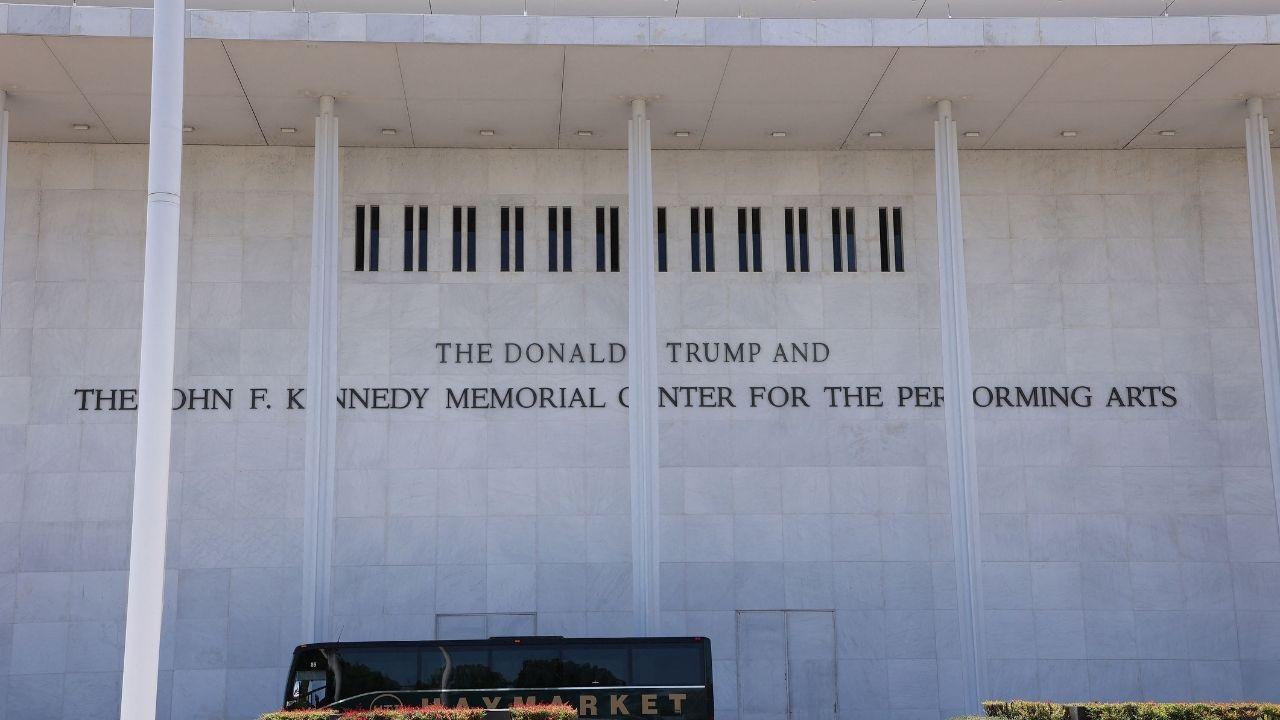
The Kennedy Center board’s decision to pursue this recognition follows a history of legal wrangling over Trump’s name on the prestigious national cultural landmark. An earlier order from Judge Cooper had mandated the removal of Trump’s name from the facility’s facade, underscoring a prior judicial determination against such prominent placement. Lawyers for the Kennedy Center board, however, presented the new language not as a full renaming but as a "recognition" of Trump’s role as president, particularly concerning fundraising and renovation efforts. This nuanced interpretation attempts to navigate the boundaries of the previous court order while still satisfying calls for presidential acknowledgment.

Conversely, Representative Joyce Beatty (D-Ohio), an ex officio member of the Kennedy Center board, has taken legal action to block these proposed changes. Her attorney, Nathaniel Zelinsky, argued vehemently that existing regulations explicitly prohibit exterior names on the building. Zelinsky characterized the board’s latest move as "outright defiance" of the court’s previous directive, framing it as a direct challenge to the rule of law. The legal battle thus pits the board’s desire for presidential recognition against arguments concerning adherence to established naming protocols and judicial authority.
Historical Context of the Kennedy Center
The John F. Kennedy Center for the Performing Arts holds a unique place in American cultural landscape. Dedicated in 1971, it stands as the nation’s official memorial to President John F. Kennedy and serves as a vibrant hub for artistic performance and education. Its establishment was a bipartisan effort, conceived to foster the arts and serve as a living monument to a beloved president. As such, the institution’s naming conventions and public recognition policies are typically imbued with significant historical and symbolic weight. Traditionally, major public facilities like the Kennedy Center are named through congressional action or after substantial, long-term philanthropic contributions, often posthumously or with broad consensus. The current Trump Kennedy Center renaming fight thus touches upon broader questions of how national memorials are managed and how presidential legacies are formally recognized.

The Financial Imperative and Controversial Warnings
The dispute intensified dramatically with a Justice Department filing that introduced a dire financial warning. The department argued that without "prominent recognition" of Trump’s role, donor contributions would stagnate, potentially pushing the Kennedy Center into a "financial and structural death spiral." This filing went further, suggesting that without such recognition, the venue could deteriorate into an unsafe building, eventually necessitating its demolition. The proposed replacement, according to the filing, could be "a large outdoor amphitheater overlooking the Potomac River."
This stark warning elicited an exceptionally strong reaction from Beatty’s legal team. They condemned the Justice Department’s statement as a thinly veiled threat, stating, "In plain English, Defendants have not-so-subtly said: ‘What a nice Kennedy Center you have here. What a shame should something happen to it.’ This is a breathtaking assault on the rule of law. It is delusional. And it must stop." This exchange escalated the legal proceedings beyond a simple naming dispute into a confrontation over alleged intimidation tactics and the integrity of the judicial process itself. The implication that a national cultural treasure could face demolition due to a naming dispute has drawn considerable attention, raising questions about the motivations behind such a severe warning.
Presidential Legacy and Fundraising Dynamics
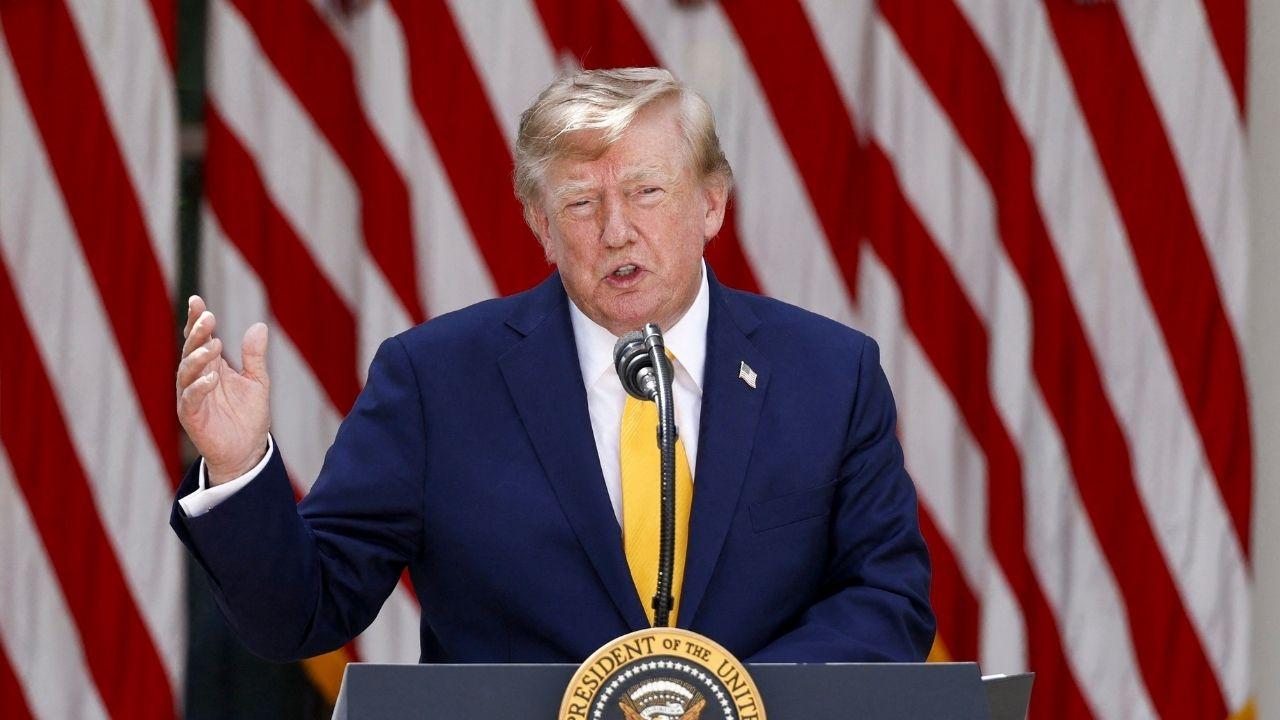
Central to the board’s argument and the Justice Department’s stance is the claim that President Trump’s involvement is crucial for securing necessary renovation funds. Meeting minutes submitted to the court revealed that Commerce Secretary Howard Lutnick informed board members of Trump’s desire for explicit recognition if he were to dedicate his time and effort to overseeing the renovation and assisting with fundraising for the institution. "It is important to President Trump that if he’s going to put his time and effort into the building and fundraising, that he be recognized," the minutes stated.
Secretary Lutnick further elaborated on this point to reporters prior to the hearing, characterizing the message as an attempt to "entice" Trump into active participation. He underscored Trump’s perceived fundraising prowess, stating, "Whatever the terms are, since you know he is the most credible person in the world, when he says, ‘I’m going to raise the money,’ you know he’s going to raise the money." This perspective suggests that the proposed recognition is a strategic incentive, a quid pro quo for vital financial support.
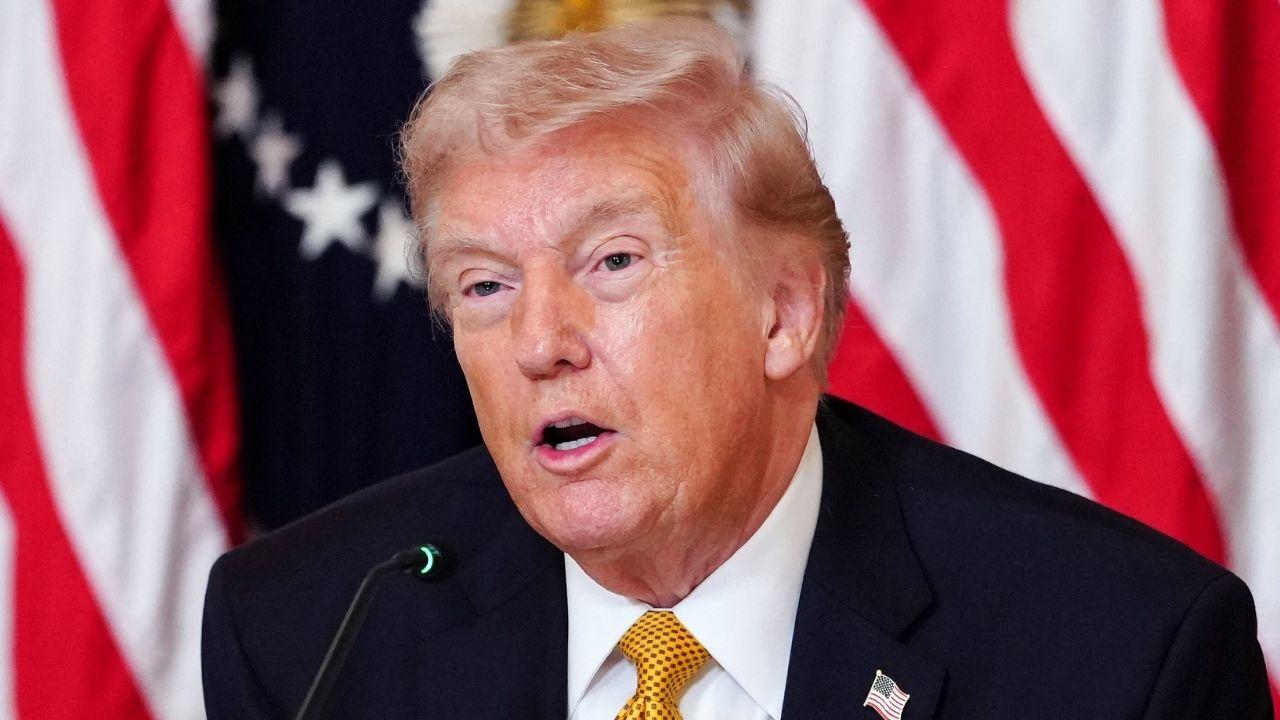
However, Representative Beatty challenged this narrative, arguing that such praise and recognition are premature and potentially unwarranted. She pointed out that Congress had already appropriated funds for the renovation, implying that the financial impetus for the project did not solely rest on Trump’s potential fundraising efforts. Beatty contended that Trump "has not successfully renovated the Kennedy Center," questioning the basis for attributing significant renovation achievements to him at this stage. This highlights a fundamental disagreement over who deserves credit for the institution’s upkeep and future, and whether political recognition should precede tangible outcomes.
Broader Implications for Cultural Institutions
The Trump Kennedy Center renaming fight carries significant implications beyond the specific institution involved. It raises critical questions about the governance of national cultural institutions, the influence of presidential administrations on public spaces, and the delicate balance between philanthropic incentives and public policy. The politicization of naming rights for a revered national memorial could set precedents for future disputes, potentially impacting donor confidence and the apolitical mission often ascribed to such venues. Cultural institutions frequently rely on a diverse base of support, and highly contentious public disputes over recognition could deter future philanthropic endeavors. The case also underscores the ongoing tension between a president’s desire to forge a lasting legacy and the established norms and legal frameworks governing public assets.
Uncertain Future and Judicial Deliberations
As Judge Cooper weighs the arguments, the future of the proposed renaming and recognition at the Kennedy Center remains uncertain. His consideration of a temporary pause suggests a careful judicial approach to the complex legal and ethical issues at stake. A ruling in favor of an injunction would temporarily block the board’s resolution, preserving the status quo while the court deliberates on the merits of the case. Conversely, a decision against an injunction would allow the board to proceed with its plans, potentially escalating the legal battle further through appeals. The outcome will not only determine the presence of a former president’s name on a national landmark but also potentially redefine the boundaries of presidential recognition, institutional governance, and judicial oversight in the realm of American arts and culture.