The United States economy experienced a significant deceleration in growth during the second quarter of 2026, a trend attributed by economists to a widening trade deficit and persistent inflationary pressures, particularly from surging energy costs. Gross domestic product (GDP) expanded at a modest 1.5 percent rate between April and June, a stark contrast to the more robust 2.1 percent growth recorded in the first three months of the year, according to the latest figures released by the Bureau of Economic Analysis (BEA). This slowdown signals a shift in the economic landscape, prompting a closer examination of the underlying factors and potential pathways to recovery.
Deep Dive into the Economic Slowdown
The primary drivers behind this economic slowdown are multifaceted, with a burgeoning trade deficit and a sharp increase in petrol prices emerging as key culprits. Experts point to a confluence of factors, including global supply chain disruptions and geopolitical influences, that have created a challenging environment for sustained growth. This period marks a critical juncture for policymakers and businesses alike, as they navigate the complexities of an evolving economic climate.
The Growing Trade Deficit: A Drag on Growth
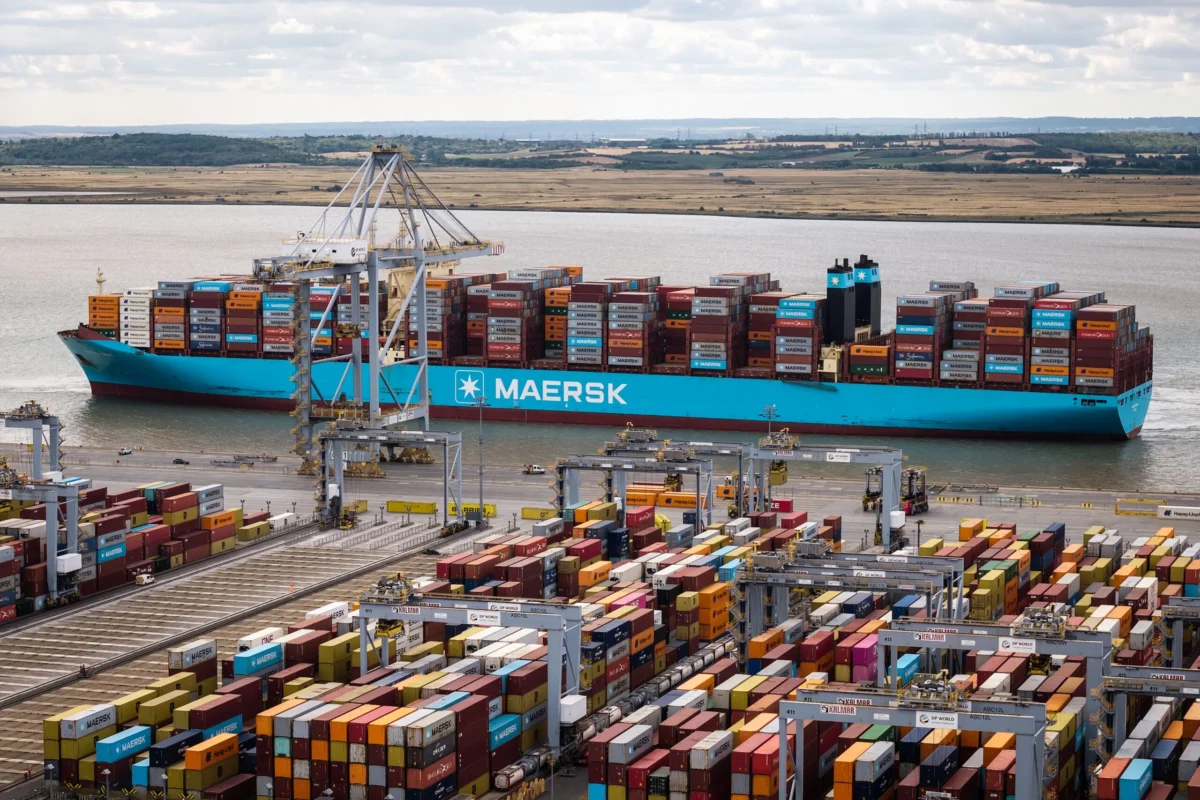
A substantial widening of the U.S. trade deficit has acted as a significant impediment to economic expansion. The BEA data reveals that imports have outpaced exports, leading to a negative contribution to GDP. This imbalance is partly fueled by increased domestic demand for imported goods, particularly those essential for technological advancements and burgeoning industries.
Business investment in key sectors such as semiconductors, telecommunications equipment, and industrial machinery surged by over 15 percent in the second quarter. This robust investment is intrinsically linked to the ongoing boom in artificial intelligence (AI) development, which requires substantial capital expenditure on advanced hardware and infrastructure.
However, this investment surge has a direct impact on the trade balance. Rachel Ziemba, an adjunct senior fellow at the Center for a New American Security, explained, "Imports rose due to the investment and consumption driver, and so net exports were a drag on overall growth. Overall, the US is investing and consuming more but not producing more." This dynamic highlights a crucial challenge: the nation is consuming and investing heavily, but this is not translating into a proportional increase in domestic production that would offset the rising import bill.
The scale of the trade deficit became particularly apparent in May, when it ballooned to $77.6 billion, a staggering 42 percent increase from the preceding month. Exports saw a decline of 3.2 percent, reaching $317.7 billion, while imports climbed by 3.3 percent to $395.3 billion. This widening gap has been exacerbated by shifting global trade dynamics, influenced in part by the trade policies enacted by the Trump administration.
Geopolitical Tensions and Shifting Trade Alliances
The imposition of tariffs by the U.S. on goods from various countries has prompted retaliatory measures and a strategic realignment of global trade partnerships. Nations historically reliant on the U.S. market are actively seeking to diversify their economic relationships to mitigate the impact of these trade disputes.
Canada, a long-standing and significant trading partner for the United States, serves as a prime example. In response to U.S. tariffs and increasingly strained diplomatic relations, Canadian Prime Minister Mark Carney has actively pursued new trade agreements with major economies like China and Saudi Arabia. These efforts underscore a broader trend of countries seeking to reduce their dependence on the U.S. market, driven by concerns over trade policy uncertainty and diplomatic friction.
The Volatile Impact of Energy Prices
The second quarter of 2026 was also characterized by significant fluctuations in energy prices, with U.S. consumers bearing the brunt of these shifts, primarily through volatile petrol prices. In May, the average price of gasoline in the U.S. surged to $4.48 per gallon. While prices saw a temporary retreat to $3.96 per gallon by the end of June, this respite proved short-lived.
The failure of a fragile peace deal in a key geopolitical region led to renewed upward pressure on oil prices throughout July, pushing them back above the $4 per gallon mark. This price volatility had a direct impact on inflation throughout the second quarter. Between March and April, petrol prices jumped by 5.4 percent, followed by another 7 percent increase in May. While prices eased by 9.7 percent between May and June as global benchmarks retreated, the overall trend contributed to inflationary concerns.
Despite the broader inflationary pressures, analysis from Bank of America indicated a surge in discretionary spending in June, the final month of the second quarter. This occurred as spending on products excluding fuel experienced its strongest year-over-year growth since April 2022, suggesting that consumers were taking advantage of the temporary dip in fuel costs.
The K-Shaped Recovery: A Tale of Two Economies
While certain sectors of the U.S. economy are showing resilience, a closer look reveals a widening disparity in economic fortunes, often described as a "K-shaped" recovery. U.S. consumers have continued to increase spending on high-value items such as prescription drugs, automobiles, and new furniture. Furthermore, increased spending in hospitality sectors like restaurants and hotels suggests a degree of consumer robustness.
However, Michael Klein, professor of international economic affairs at The Fletcher School at Tufts University, points out that this sustained consumption growth is largely concentrated among high-income earners. This trend indicates that the wealthy are thriving, while lower-income consumers and small businesses are facing more challenging economic conditions.
The continued spending power of affluent households is often linked to the performance of financial markets and the housing sector. As long as the stock market remains strong and housing prices hold firm, individuals who benefit from these asset values are likely to maintain or increase their spending. However, Klein notes that by many metrics, the stock market appears to be highly valued, raising questions about the long-term sustainability of this trend.
Declining Consumer Confidence and Business Uncertainty
Adding to the economic headwinds, consumer confidence has seen a steady decline, falling for the third consecutive month in July. A report from the Conference Board indicated that consumers are attributing this downturn to "current business conditions" and anticipate little improvement for the remainder of the year. This sentiment can translate into reduced consumer spending, a vital engine of economic growth.
For the broader economy to rebound, a more widespread surge in business investment is needed. While the AI sector is experiencing an investment boom, many other industries have been hesitant to replenish their inventories, reflecting a cautious approach to future demand.
Professor Klein emphasizes that a lack of consistent and predictable trade policies is a significant factor contributing to this business uncertainty. "The pervasive uncertainty in the economy will affect businesses’ decisions on hiring and investing," he stated. "That can also contribute to the slowdown, because, in an uncertain environment, businesses don’t want to make decisions that have long-lasting consequences when they have little idea of what the future will look like." This climate of uncertainty makes businesses reluctant to commit to long-term investments or hiring plans, further dampening economic activity.
Charting a Course for GDP Recovery
Reversing the current trend of slowing GDP growth will require creating an economic environment that encourages both consumers and businesses to increase their spending and investment. However, persistent uncertainties surrounding trade policies, coupled with concerns about potential widespread layoffs, particularly in the technology sector, have made consumers more hesitant with their discretionary spending.
The path to a more robust economic future hinges on restoring confidence and stability. If individuals feel more secure in their employment prospects and perceive that the cost of living is manageable, they are more likely to increase their spending. However, as Klein aptly points out, these are not easily achievable fixes. "If people were more secure and felt that their jobs would be there next year; if they felt that things weren’t more expensive and they could afford to spend more. But those are not easy fixes, right? And talk is not going to change what people rightly perceive as a fraught situation."
Ultimately, a sustainable recovery will likely necessitate a combination of prudent fiscal and monetary policies, alongside a clearer and more stable international trade framework. Addressing the underlying causes of inflation, fostering greater business certainty, and ensuring that the benefits of economic growth are more broadly shared will be critical steps in reversing the current slowdown and paving the way for a more prosperous economic future for the United States. The coming quarters will be crucial in determining whether the economy can navigate these challenges and regain its momentum.