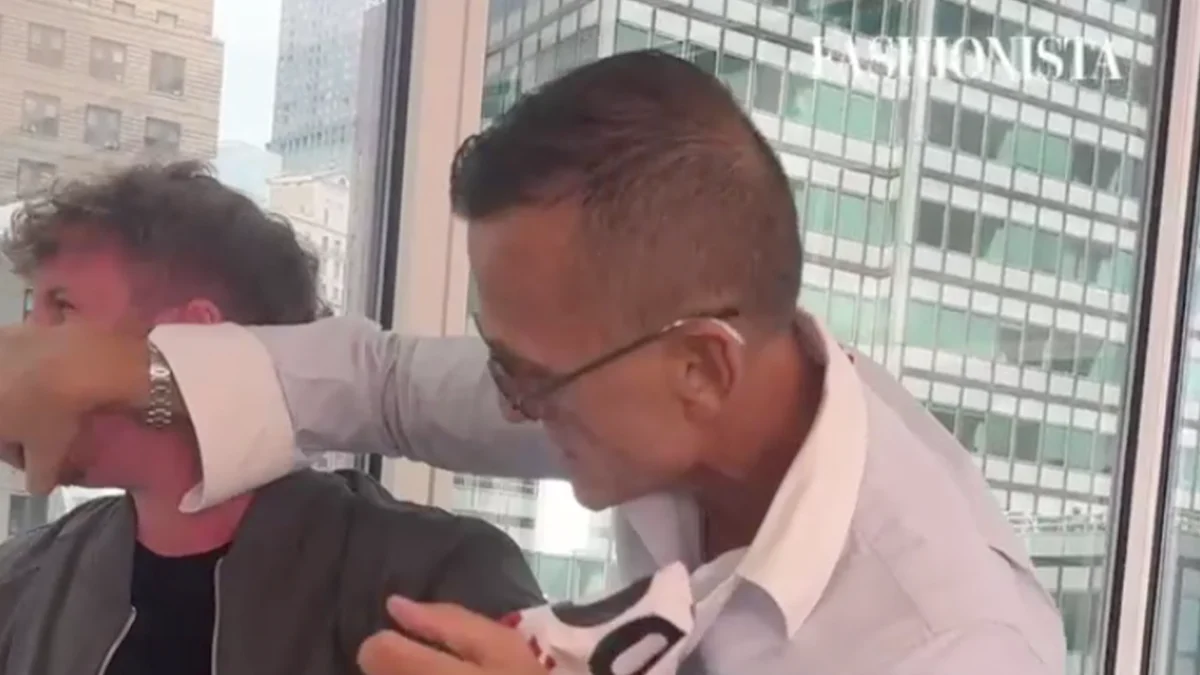
Steve Kolb, the chief executive of the Council of Fashion Designers of America (CFDA), was captured on video engaging in a physical altercation with People for the Ethical Treatment of Animals (PETA) activists during a New York Fashion Week event, where protesters aimed to disrupt the showcase and demand an end to the use of wool in fashion. The incident, which occurred amidst the high-profile presentations of the fall collections, saw Kolb physically confronting the demonstrators who had infiltrated a fashion show to voice their opposition to animal products. In the aftermath, Kolb acknowledged his actions, stating he had "reacted inappropriately" to the protest.
CFDA Leader’s Confrontation at New York Fashion Week
The dramatic scene unfolded as PETA activists, dressed in attire designed to highlight animal suffering in the fashion industry, attempted to interrupt a runway presentation. Their protest specifically targeted the use of wool, a staple material in many designer collections, arguing that its production involves cruel practices. Eyewitness accounts and video footage circulating online show Kolb intervening directly, appearing to push and cover the faces of the protesters, thereby escalating the confrontation beyond a typical demonstration.
The CFDA represents a significant body within the American fashion landscape, promoting design excellence and supporting the business of fashion. As its CEO, Steve Kolb holds a prominent position, responsible for advocating for the industry and navigating its complex ethical and economic considerations. His involvement in a physical dispute with activists underscores the mounting pressure on fashion houses and industry leaders to address concerns regarding animal welfare and sustainable practices.
PETA’s Campaign Against Wool in Fashion
PETA has a long-standing history of employing provocative tactics to draw attention to its campaigns against animal cruelty. Their focus on wool production highlights specific concerns about the treatment of sheep, including mulesing, a painful procedure performed without anesthesia to prevent parasitic infections, and the conditions under which sheep are sheared. The organization argues that even "responsible" wool sourcing often fails to adequately protect the animals.
The activists present at the New York Fashion Week event were reportedly seeking to disrupt the perceived glamour of the industry and force a dialogue about the ethical implications of using animal-derived materials. Their aim was to make a public statement that would resonate with designers, brands, and consumers alike, pushing for a more compassionate approach to fashion sourcing. This particular protest aimed to directly challenge the industry’s reliance on materials that PETA deems unethical.
The Role of Animal Products in the Fashion Industry
The use of animal products, including wool, fur, leather, and silk, has been a contentious issue in fashion for decades. While these materials have been integral to luxury and traditional apparel for centuries, evolving consumer awareness and ethical considerations have led to a significant shift in industry practices and consumer preferences. Many high-profile designers and brands have publicly committed to phasing out or significantly reducing their use of animal-derived materials.
Wool, in particular, remains a complex issue. While proponents highlight its natural properties, durability, and biodegradability, animal welfare organizations argue that the industry’s current practices are not sustainable from an ethical standpoint. The debate often centers on the balance between the perceived benefits of natural materials and the welfare of the animals involved in their production.
New York Fashion Week: A Platform for Protest
New York Fashion Week, one of the "Big Four" fashion weeks globally, serves as a critical platform for designers to showcase their collections, generate buzz, and secure orders from retailers. It also, however, attracts a variety of advocacy groups seeking to leverage the intense media attention to promote their causes. In recent years, fashion weeks in New York, London, Milan, and Paris have become frequent sites for protests related to environmental sustainability, labor practices, and animal welfare.

The CFDA’s involvement in such events means its leadership is often on the front lines of these debates. Steve Kolb’s presence at the show, and his subsequent physical engagement with protesters, thrust the CFDA directly into the spotlight of this ongoing ethical discussion within the fashion world. The incident amplified the message PETA sought to convey, albeit through an unexpected and controversial interaction.
Kolb’s Statement and Industry Reaction
Following the confrontation, Steve Kolb issued a statement acknowledging his role in the incident. He described his actions as an "inappropriate reaction" to the disruption. This admission suggests a recognition that his response may have been ill-advised, particularly for the leader of a major fashion industry organization. The statement also implies an understanding of the delicate balance required when dealing with activist groups seeking to voice legitimate concerns.
The broader fashion industry’s reaction to the incident has been varied. Some have expressed concern over the physical nature of the confrontation, emphasizing the importance of de-escalation and respectful dialogue. Others have privately acknowledged the frustration that industry leaders can feel when faced with disruptive protests that aim to undermine their businesses and creative endeavors. The incident has undoubtedly sparked conversations behind closed doors about how to manage such confrontations effectively.
Implications for Animal Welfare Advocacy in Fashion
The direct physical engagement between a fashion industry leader and activists highlights a potential escalation in the tactics employed by both sides. For PETA, such high-profile confrontations can generate significant media coverage and public awareness, forcing the industry to confront its practices. However, the nature of the interaction could also alienate some potential allies or lead to a perception of aggression that might detract from their core message.
For industry leaders like Kolb, the incident serves as a stark reminder of the constant scrutiny faced by the fashion world regarding its ethical footprint. It underscores the need for robust strategies to address activist concerns proactively, rather than reactively. The CFDA, as an umbrella organization, may now face increased pressure to facilitate dialogue and implement industry-wide standards that address animal welfare more comprehensively.
The Future of Animal Products in High Fashion
The incident at New York Fashion Week is symptomatic of a larger societal shift towards greater ethical consumption. Consumers are increasingly demanding transparency and accountability from brands regarding their sourcing and production methods. This pressure, coupled with the advocacy efforts of organizations like PETA, is driving innovation in material science and the development of sustainable alternatives to traditional animal products.
The long-term implications for the use of wool and other animal-derived materials in high fashion remain to be seen. While some segments of the industry will likely continue to rely on these materials, the trend towards vegan and cruelty-free alternatives is undeniable. The CFDA, under Kolb’s leadership, will likely play a crucial role in guiding the American fashion industry through this transition, balancing its economic imperatives with evolving ethical expectations.
Broader Societal Impact and Consumer Awareness
The clash between fashion industry leadership and animal rights activists at a prominent event like New York Fashion Week transcends the immediate confines of the garment industry. It reflects a broader societal debate about humanity’s relationship with animals and the ethical responsibilities associated with consumer choices. Such incidents can serve as catalysts for increased public awareness and engagement with these complex issues.
The visual nature of the protest and the subsequent physical altercation, widely disseminated through media channels, has brought the debate about wool production and animal welfare into mainstream consciousness. This heightened visibility can empower consumers to make more informed decisions about the clothing they purchase and encourage brands to adopt more responsible and ethical practices. The incident, while contentious, has undeniably amplified the voices of those advocating for change within the fashion world.