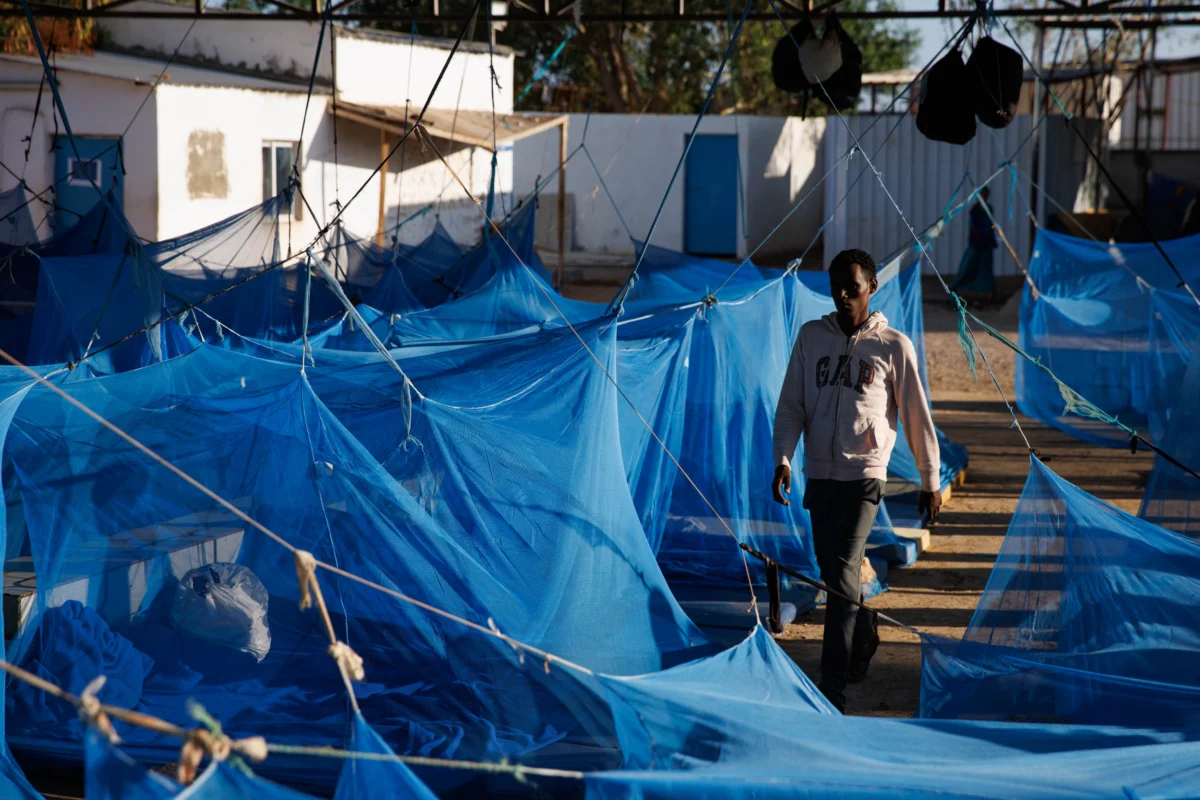
Approximately 1,400 individuals have fled war-torn Yemen for the neighboring nation of Djibouti in a single 24-hour period, a stark indicator of escalating conflict and displacement. This significant influx, confirmed by Djibouti’s Minister of Economy and Finance, Ilyas Moussa Dawaleh, underscores the intensifying Houthi grip on the strategically vital Bab al-Mandeb strait. The rapid exodus highlights the precarious humanitarian situation and the growing desperation of Yemeni civilians caught in the crossfire of a protracted civil war.
Escalating Crisis: A Torrent of Refugees
The alarming surge in arrivals was announced by Minister Dawaleh via a post on the social media platform X on Saturday, stating, "1,400 refugees arrived in Djibouti from Yemen in just 24 hours." This statement paints a grim picture of the rapid deterioration of conditions within Yemen, forcing an unprecedented number of people to seek safety across the Red Sea. The figures represent a substantial increase in daily arrivals, signaling a critical juncture in the ongoing Yemeni crisis.
In a separate development on Friday, Minister Dawaleh reported that 500 refugees had reached the coastal city of Obock. Among these arrivals were vulnerable groups, including women and children, who were reportedly rescued at sea. Their vessels had reportedly run out of fuel while attempting to navigate the perilous Bab-el-Mandeb strait, a critical maritime chokepoint. This incident underscores the dangerous journeys undertaken by those fleeing the conflict.
Obock: A Lifeline Across the Strait
Obock, a Djiboutian city situated approximately 20 kilometers (12 miles) across the water from the Yemeni coast, has long served as a crucial refuge for those escaping the relentless violence. Its proximity makes it a relatively accessible, albeit still dangerous, destination for desperate Yemenis. For years, Obock has been a primary arrival point for individuals seeking sanctuary from the ravages of war in Yemen.
The Bab-el-Mandeb strait, however, is a double-edged sword. It is not only a route for Yemenis fleeing their homeland but also a transit corridor for migrants from the Horn of Africa. These individuals often traverse Yemen en route to lucrative labor markets in Gulf countries, a flow that has been significantly impacted by the ongoing conflict and the tightening Houthi control.
Humanitarian Concerns Mount as Displacement Soars
The International Organization for Migration (IOM) has voiced grave concerns about the humanitarian implications of the escalating conflict. Safiya Ibrahim, the IOM’s humanitarian response coordinator, informed the Agence France-Presse (AFP) that "vulnerable groups such as women and children have reached the shores of Obock, with more expected in the coming days." This prediction suggests that the current surge is likely not an isolated event but rather the beginning of a sustained wave of displacement.
The IOM issued a stark warning on Friday, reporting that at least 46,000 people had been displaced within Yemen since fighting intensified in the preceding week. This figure represents a significant uptick in internal displacement, indicative of the widespread impact of renewed hostilities. Families are being forced to abandon their homes repeatedly, often with little to no possessions, compounding their suffering.
The Human Cost of Conflict: Families on the Move
"Families are being forced to flee for the second or third time in this conflict, with almost nothing left," stated Amy Pope, the IOM’s Director General, in a released statement. Her words powerfully convey the profound disruption and devastation experienced by Yemeni families. The repeated displacement erodes their resilience, exacerbates poverty, and leaves them in an increasingly precarious state.
Pope further emphasized the operational challenges faced by aid organizations. "As fighting spreads, reaching people with lifesaving assistance is becoming harder. We urgently need safe, unimpeded access," she urged. The ongoing conflict not only displaces populations but also creates significant barriers to delivering essential humanitarian aid, further imperiling those most in need.
Djibouti: A Long-Standing Haven for Refugees
Djibouti has consistently shouldered a significant humanitarian burden, hosting tens of thousands of refugees and asylum seekers. According to figures from the United Nations Refugee Agency (UNHCR) as of March 2026, the country registered a population exceeding 36,000 individuals seeking protection. The majority of these refugees originate from neighboring countries, primarily Somalia and Ethiopia, with a substantial contingent also from Yemen.
The nation’s commitment to providing refuge, despite its own economic constraints, highlights the regional solidarity in addressing the cascading effects of the Yemeni conflict. However, the sustained influx of new arrivals places additional strain on Djibouti’s resources and infrastructure.
Houthi Advance and the Strategic Importance of Bab al-Mandeb
The recent surge in refugees is directly linked to the Houthi movement’s significant military advances. On Thursday, the Houthis seized control of the Red Sea port city of Mocha. Since then, they have systematically expanded their influence, overrunning the coastline and islands surrounding the Bab al-Mandeb strait. This strategic foothold grants them considerable leverage over a crucial global shipping lane.
The rapid offensive has triggered widespread panic and forced thousands of families to abandon their homes. Reports indicate that entire villages have been emptied in districts such as Maqbanah, Jabal Habashi, and al-Maafer, as residents flee the advancing Houthi forces. The swiftness of these advances has left little time for organized evacuation or preparation, exacerbating the humanitarian crisis.
The Bab al-Mandeb: A Geopolitical Nexus
The Bab al-Mandeb strait, often referred to as the "Gate of Tears," is one of the world’s busiest and most strategically important maritime passages. It connects the Red Sea to the Gulf of Aden and, consequently, to the Indian Ocean and beyond. An estimated 30% of global maritime traffic passes through this narrow waterway, including a significant portion of oil shipments destined for Europe and North America.
The Houthi control over this strait has raised international alarm bells, not only due to the humanitarian crisis it is exacerbating but also because of its potential impact on global trade and security. Any disruption to shipping through the Bab al-Mandeb could have far-reaching economic consequences.
Broader Implications: Regional Instability and Global Trade
The intensified fighting and the Houthi consolidation of control around the Bab al-Mandeb strait have profound regional and global implications. The conflict in Yemen, now in its ninth year, has created a complex web of political and military alliances, with regional powers playing significant roles. The Houthi gains could alter the balance of power in the region and further entrench the proxy nature of the conflict.
For global trade, the strategic importance of the Bab al-Mandeb cannot be overstated. Any sustained threat or disruption to shipping through the strait could lead to increased shipping costs, insurance premiums, and potential shortages of goods. This instability adds another layer of concern to an already volatile global economic landscape.
The Cycle of Displacement and Desperation
The recurring cycles of displacement in Yemen are a testament to the devastating and enduring nature of the conflict. For many families, fleeing their homes has become a grim routine, a desperate attempt to survive an unending war. The loss of homes, livelihoods, and loved ones creates deep psychological scars and economic hardship that can take generations to heal.
The arrival of new refugees in Djibouti, while a testament to the country’s humanitarian spirit, also highlights the persistent need for international support and sustainable solutions to the Yemeni crisis. The focus remains on alleviating immediate suffering while advocating for a lasting peace that would allow Yemenis to rebuild their lives and their nation. The ongoing humanitarian emergency requires sustained attention and resources from the international community to address the immediate needs of the displaced and to support long-term recovery efforts in Yemen.