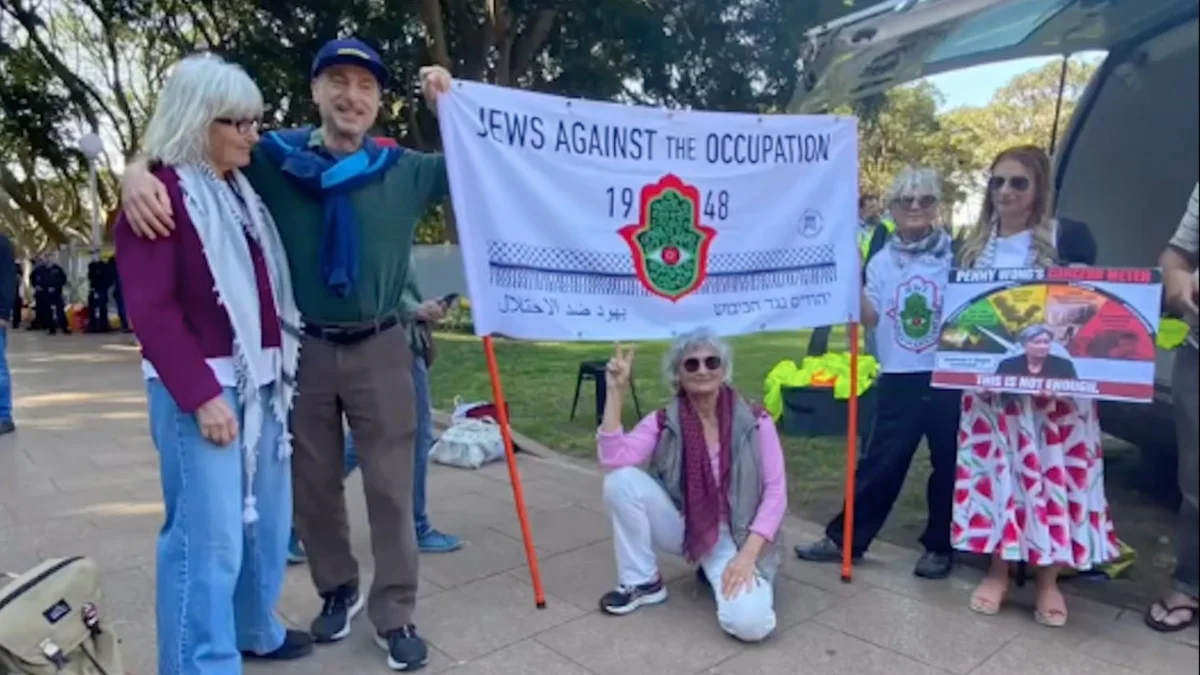
Sydney, Australia – Thousands of pro-Palestine demonstrators converged on Sydney’s central business district on September 13, 2026, to demand the Australian government exert greater diplomatic and economic pressure on Israel, specifically calling for sanctions in response to the recent killing of Australian humanitarian aid worker Zomi Frankcom. The protest, which saw a significant turnout, highlighted growing public frustration with the perceived inaction of the Australian government in the face of escalating violence and civilian casualties in the ongoing conflict.
The rally, organized by a coalition of pro-Palestinian advocacy groups, marched through major thoroughfares, carrying banners and chanting slogans that decried Israel’s military actions and urged Canberra to adopt a more robust stance. Speakers at the event emphasized Zomi Frankcom’s sacrifice as a stark reminder of the human cost of the conflict and a catalyst for demanding accountability. The demonstrators’ primary objective was to amplify calls for a ceasefire and to pressure the Australian government to unequivocally condemn Israel’s actions and implement punitive measures.
Calls for Sanctions and Diplomatic Action
At the heart of the protesters’ demands was the immediate implementation of targeted sanctions against Israel. Organizers argued that economic and diplomatic pressure was the most effective way for Australia to influence Israel’s conduct and uphold international law. They expressed profound disappointment with the current government’s response, which they characterized as insufficient and lacking the urgency required by the humanitarian crisis unfolding.
The killing of Zomi Frankcom, a volunteer with the international aid organization World Central Kitchen, served as a potent rallying cry. Frankcom, an Australian citizen, was killed along with several other aid workers in an Israeli airstrike in Gaza earlier this year. Her death ignited widespread anger and grief, both within Australia and internationally, and has become a focal point for advocacy groups seeking greater accountability for such incidents.
Background to the Current Crisis
The pro-Palestine protest in Sydney takes place against a backdrop of a protracted and increasingly devastating conflict in the Middle East. Decades of political dispute, territorial claims, and intermittent violence have led to immense human suffering on both sides. The recent escalation, marked by significant military operations and a severe humanitarian crisis in Gaza, has drawn widespread international condemnation and heightened calls for a just and lasting resolution.
Australia, like many Western nations, has historically maintained a diplomatic relationship with Israel while also acknowledging the aspirations of the Palestinian people. However, critics argue that this balancing act has often resulted in a reluctance to apply strong pressure, particularly when it involves significant geopolitical or economic considerations. The current government has previously called for de-escalation and adherence to international humanitarian law, but protesters contend these statements have not translated into tangible actions.
Zomi Frankcom: A Symbol of Humanitarian Sacrifice
The tragic death of Zomi Frankcom has deeply resonated with many Australians, particularly those involved in humanitarian work. Frankcom was reportedly on a mission to deliver food and essential supplies to civilians in Gaza when her convoy was targeted. Her service and sacrifice have been widely mourned, and her story has become emblematic of the perils faced by aid workers operating in conflict zones.
Her killing prompted initial statements of concern from the Australian government, which called for a thorough investigation into the incident. However, for many of Frankcom’s supporters and the broader pro-Palestine movement, these responses have been perceived as inadequate. They argue that investigations alone are insufficient and that concrete measures must be taken to prevent future tragedies and hold perpetrators accountable.
Demands for a Shift in Australian Foreign Policy
Protesters explicitly called for a fundamental re-evaluation of Australia’s foreign policy towards the Israeli-Palestinian conflict. They advocated for an end to military cooperation with Israel, a halt to all arms sales, and a commitment to supporting international legal mechanisms aimed at prosecuting alleged war crimes. The demonstrators stressed that true solidarity with the Palestinian people requires more than expressions of sympathy; it necessitates decisive action.
The organizing groups presented a list of demands to government representatives, urging them to champion a ceasefire at the United Nations, support an independent international inquiry into alleged violations of international law by all parties, and recognize a Palestinian state. These demands reflect a broader international movement pushing for a more assertive and principled approach to resolving the conflict.
Public Sentiment and Political Ramifications
The pro-Palestine protest is indicative of a growing segment of the Australian public that feels a moral imperative to act more decisively on the international stage. Social media campaigns and grassroots organizing have played a significant role in mobilizing support and raising awareness about the plight of Palestinians. This sentiment is increasingly finding its way into political discourse, creating a challenge for political parties seeking to navigate the complex geopolitical landscape.
The government faces pressure from various stakeholders, including human rights organizations, academic institutions, and a vocal segment of the electorate. While official policy often emphasizes neutrality and a commitment to a two-state solution, the intensity of public demonstrations suggests a widening gap between government rhetoric and public expectations. The political ramifications of ignoring these demands could be significant, potentially impacting electoral outcomes and Australia’s international standing.
International Context and Global Calls for Peace
The Sydney protest is part of a larger global wave of demonstrations and advocacy efforts demanding an end to the violence and a more just resolution to the Israeli-Palestinian conflict. Cities around the world have witnessed similar rallies, reflecting a shared concern over the humanitarian crisis and a desire for international intervention. These global movements aim to put pressure on governments to prioritize human rights and international law over geopolitical alliances.
The United Nations and various international bodies have repeatedly called for a ceasefire, the protection of civilians, and unimpeded access for humanitarian aid. However, the implementation of these calls has been hampered by ongoing hostilities and political disagreements. Pro-Palestine activists argue that Australia, as a developed nation with a voice on the global stage, has a responsibility to be a more active participant in these international efforts.
The Role of Humanitarian Aid Workers
The presence and safety of humanitarian aid workers are critical for delivering essential assistance to populations affected by conflict. The death of Zomi Frankcom underscores the extreme risks faced by these individuals and the urgent need for international mechanisms to ensure their protection. Activists argue that Israel’s military operations have consistently endangered aid convoys and civilian infrastructure, exacerbating the humanitarian catastrophe in Gaza.
The incident has also prompted discussions about the responsibility of nations to protect their citizens engaged in humanitarian work abroad. The Australian government’s response to Frankcom’s death has been scrutinized, with critics demanding stronger measures to ensure the safety of Australians involved in humanitarian missions in volatile regions.
Future Implications and Next Steps
The protest in Sydney serves as a clear signal to the Australian government that the issue of the Israeli-Palestinian conflict and its human cost remains a pressing concern for a significant portion of the population. The demands for sanctions and a more assertive foreign policy are likely to continue to resonate, potentially influencing future political debates and policy decisions.
The pro-Palestine movement plans to maintain its advocacy efforts, utilizing various platforms to raise awareness and pressure policymakers. The coming weeks and months will likely see further demonstrations, lobbying efforts, and public discourse aimed at shaping Australia’s engagement with the conflict. The international community will be watching to see if these domestic pressures lead to a tangible shift in Australia’s approach to the ongoing crisis in the Middle East.