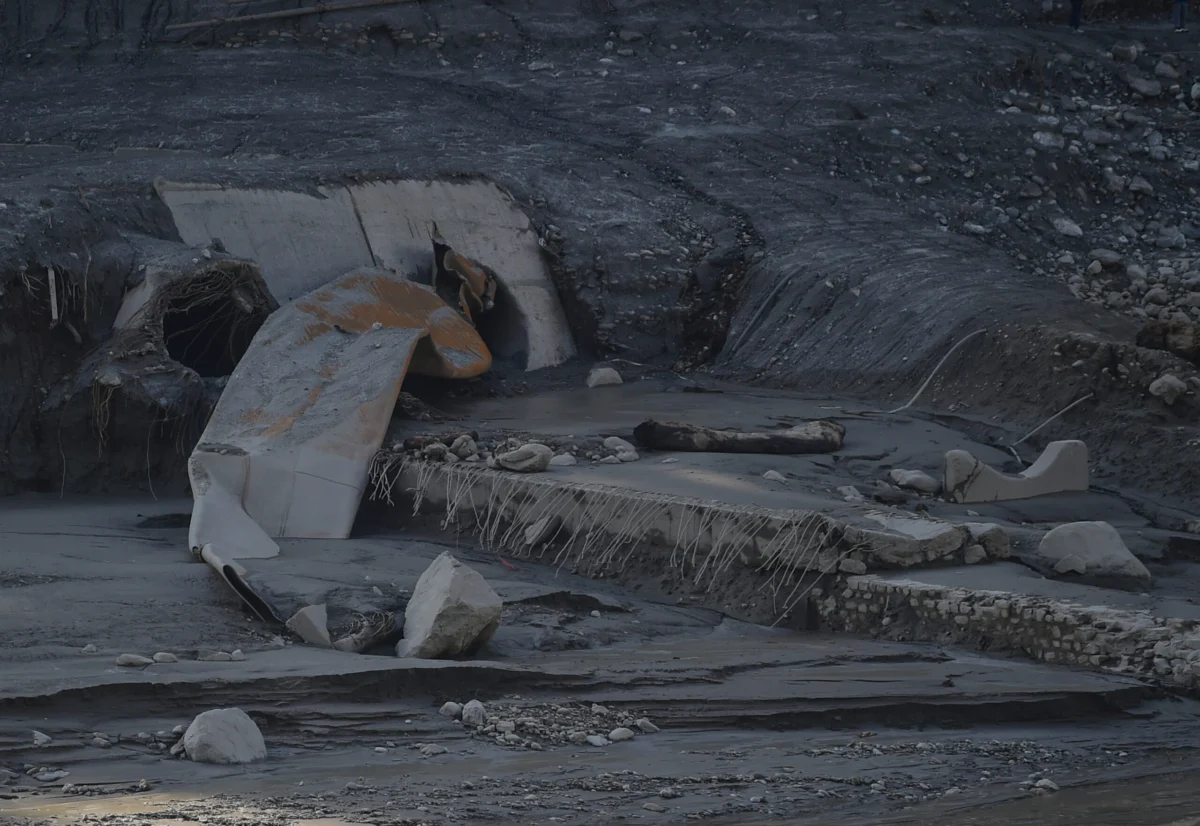
India has approved the expedited export of up to 654 megawatts of electricity daily to Nepal to address urgent power shortages following catastrophic glacial floods that decimated the Himalayan nation’s hydropower infrastructure. The emergency power supply, intended to run for 18 hours per day, will continue until December 31, offering a vital lifeline to a country heavily reliant on its own hydroelectric dams.
The decision, announced by India’s Ministry of Power on Monday, underscores the deep energy cooperation between the two South Asian neighbors. Officials stated the approval aims to help Nepal meet its immediate power demands during this critical recovery period and further solidify the long-standing energy partnership. India will reassess the volume of power to be exported from January onward, indicating a potential for continued support as Nepal grapples with the extensive damage.
The devastating floods, triggered by a massive glacial mountain collapse on the China-Nepal border on August 26, unleashed a torrent of destruction. The disaster claimed the lives of more than 1,400 people in Nepal and Tibet, leaving behind a trail of devastation. The economic and social repercussions are profound, with thousands displaced and critical infrastructure obliterated.
Hydropower Catastrophe Triggers National Crisis
Nepal’s energy sector bore the brunt of the glacial onslaught. At least 12 major hydropower projects were severely damaged or destroyed, crippling the nation’s primary source of electricity. The disaster also tragically claimed the lives of approximately 900 power station workers, who were among the more than 5,500 individuals still missing in the country following the floods.
Prior to the catastrophe, hydropower accounted for nearly 100 percent of Nepal’s energy needs, a testament to its abundant water resources. The country had even achieved a surplus, exporting energy to India. However, the recent floods have reversed this situation dramatically, forcing Nepal to import electricity to meet its domestic requirements for the first time in years.
The Human Toll and Mounting Reconstruction Needs
Beyond the infrastructure damage, the floods have inflicted immense human suffering. Thousands of displaced people are currently sheltering in temporary aid centers, with little immediate hope of returning to their homes. The United Nations and its partner organizations have launched an urgent appeal for nearly $50 million to provide essential relief and support to the survivors.
Nepali officials estimate that the initial rebuilding efforts will require a staggering $5 billion. This immense cost highlights the scale of the disaster and the long road to recovery. The destruction has also amplified calls for climate justice, with Nepali leaders pointing out that developing nations like theirs, which have contributed minimally to global greenhouse gas emissions, are disproportionately bearing the brunt of climate change impacts.
Climate Change’s Growing Threat to the Himalayas
The disaster serves as a stark reminder of the escalating threat posed by climate change to the fragile Himalayan ecosystem. Recent studies indicate that glaciers in the region are melting at an accelerated rate, significantly faster than a decade ago. This rapid ice melt poses a grave threat to water security across South Asia, as the region is projected to reach "peak water"—the point at which the maximum rate of river flow is attained—by mid-century.

The increased frequency and intensity of extreme weather events, such as the glacial lake outburst floods that devastated Nepal, are becoming a worrying norm. These events underscore the vulnerability of mountainous regions and the urgent need for global action to mitigate climate change and support adaptation efforts in the most affected areas.
India’s Emergency Support and Bilateral Energy Ties
India’s swift decision to provide emergency electricity underscores the strategic importance of its energy relationship with Nepal. The two countries share a long border and have a deeply intertwined energy grid, facilitating such cross-border power transfers. This assistance is not merely humanitarian; it also serves to stabilize a neighboring country and prevent potential regional energy disruptions.
The provision of power is critical for maintaining essential services, powering hospitals, and supporting the limited industrial and commercial activities that can still operate in the flood-affected areas. The extended hours of electricity supply will be crucial for daily life and for the initial stages of recovery and reconstruction efforts.
Challenges and the Path Forward
Nepal faces a monumental task in rebuilding its energy infrastructure. The destruction of hydropower projects will necessitate extensive repairs, reconstruction, and potentially the development of new, more resilient facilities. The country will need significant financial and technical assistance to achieve this goal.
The reliance on imported electricity, even temporarily, places an additional strain on Nepal’s foreign exchange reserves. The long-term strategy will likely involve diversifying Nepal’s energy mix and investing in climate-resilient infrastructure to prevent future disasters from having such a devastating impact.
The current emergency power supply from India is a stop-gap measure, crucial for immediate relief. The sustained recovery will depend on Nepal’s ability to mobilize resources for rebuilding and on continued international support. The disaster also presents an opportunity to re-evaluate energy policies and investments, prioritizing sustainable and climate-adaptive solutions.
Broader Regional Implications of Nepal’s Energy Crisis
The energy crisis in Nepal has wider regional implications. A stable and functional Nepal is vital for regional security and economic stability. Disruptions in energy supply can have cascading effects, impacting trade, investment, and the overall economic well-being of the region. India’s proactive support demonstrates its commitment to regional stability and its role as a key energy provider in South Asia.
The disaster also highlights the interconnectedness of environmental vulnerability and economic development. The impact of climate change on natural resources directly affects the livelihoods and economic prospects of millions. For Nepal, the path forward requires a delicate balance between immediate relief, long-term reconstruction, and the overarching challenge of adapting to a changing climate. The country’s resilience in the face of this catastrophe will be a testament to its ability to navigate these complex challenges.